Hanne Jacobs - Böcker
Visar alla böcker från författaren Hanne Jacobs. Handla med fri frakt och snabb leverans.
5 produkter
5 produkter
3 094 kr
Skickas inom 10-15 vardagar
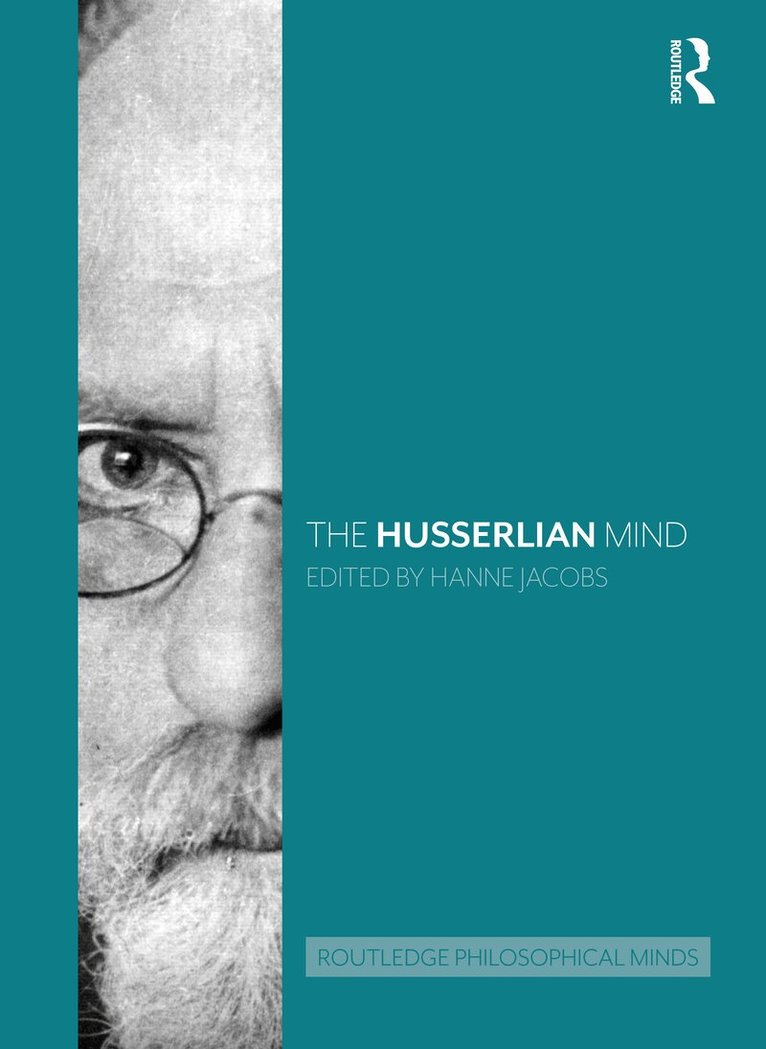
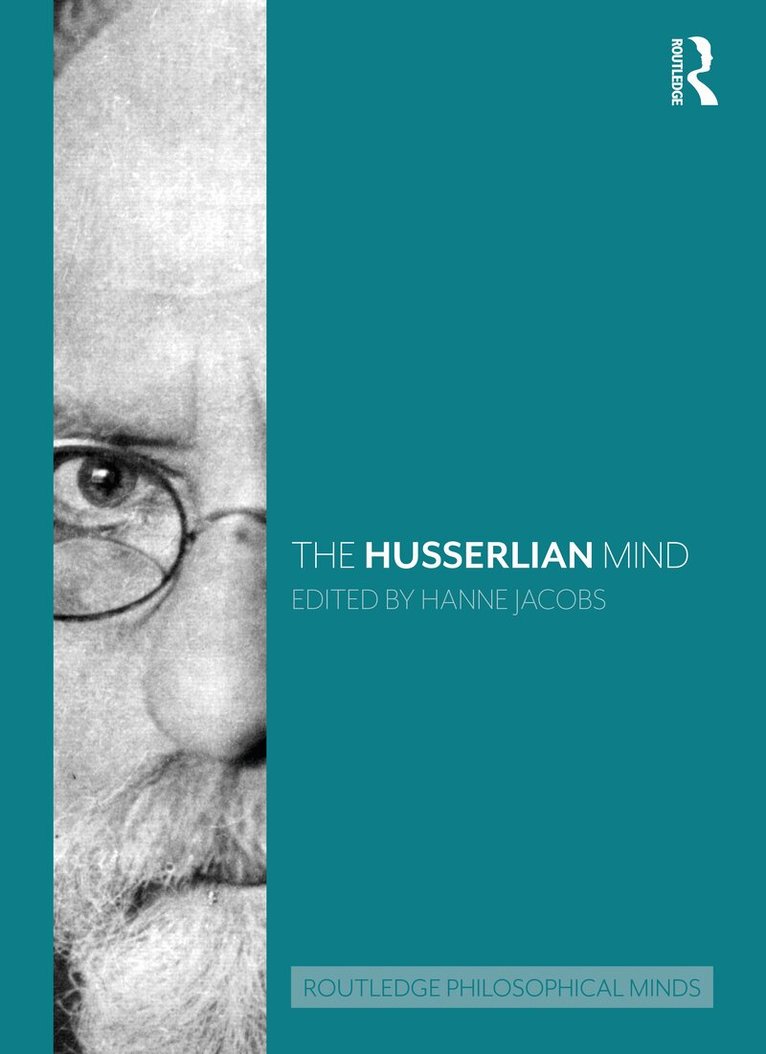
Edmund Husserl (1859-1938) is widely regarded as the principal founder of phenomenology, one of the most important movements in twentieth-century philosophy. His work inspired subsequent figures such as Martin Heidegger, his most renowned pupil, as well as Jean-Paul Sartre and Maurice Merleau-Ponty, all of whom engaged with and developed his insights in significant ways. His work on fundamental problems such as intentionality, consciousness, and subjectivity continues to animate philosophical research and argument. The Husserlian Mind is an outstanding reference source to the full range of Husserl's philosophy. Forty chapters by a team of international contributors are divided into seven clear parts covering the following areas: major worksphenomenological methodphenomenology of consciousnessepistemologyethics and social and political philosophyphilosophy of sciencemetaphysics.Contained in these sections are chapters on many of the key aspects of Husserl's thought, including intentionality, transcendental philosophy, reduction, perception, time, self and subjectivity, personhood, logic, psychology, ontology, and idealism. Offering an unparalleled guide to the enormous range of his thought, The Husserlian Mind is essential reading for students and scholars of Husserl, phenomenology, and the history of twentieth-century philosophy. It will also be of interest to those in related fields in the humanities, social sciences, and psychology and the cognitive sciences.
644 kr
Skickas inom 10-15 vardagar
Edmund Husserl (1859-1938) is widely regarded as the principal founder of phenomenology, one of the most important movements in twentieth-century philosophy. His work inspired subsequent figures such as Martin Heidegger, his most renowned pupil, as well as Jean-Paul Sartre and Maurice Merleau-Ponty, all of whom engaged with and developed his insights in significant ways. His work on fundamental problems such as intentionality, consciousness, and subjectivity continues to animate philosophical research and argument. The Husserlian Mind is an outstanding reference source to the full range of Husserl's philosophy. Forty chapters by a team of international contributors are divided into seven clear parts covering the following areas: major worksphenomenological methodphenomenology of consciousnessepistemologyethics and social and political philosophyphilosophy of sciencemetaphysics.Contained in these sections are chapters on many of the key aspects of Husserl's thought, including intentionality, transcendental philosophy, reduction, perception, time, self and subjectivity, personhood, logic, psychology, ontology, and idealism. Offering an unparalleled guide to the enormous range of his thought, The Husserlian Mind is essential reading for students and scholars of Husserl, phenomenology, and the history of twentieth-century philosophy. It will also be of interest to those in related fields in the humanities, social sciences, and psychology and the cognitive sciences.
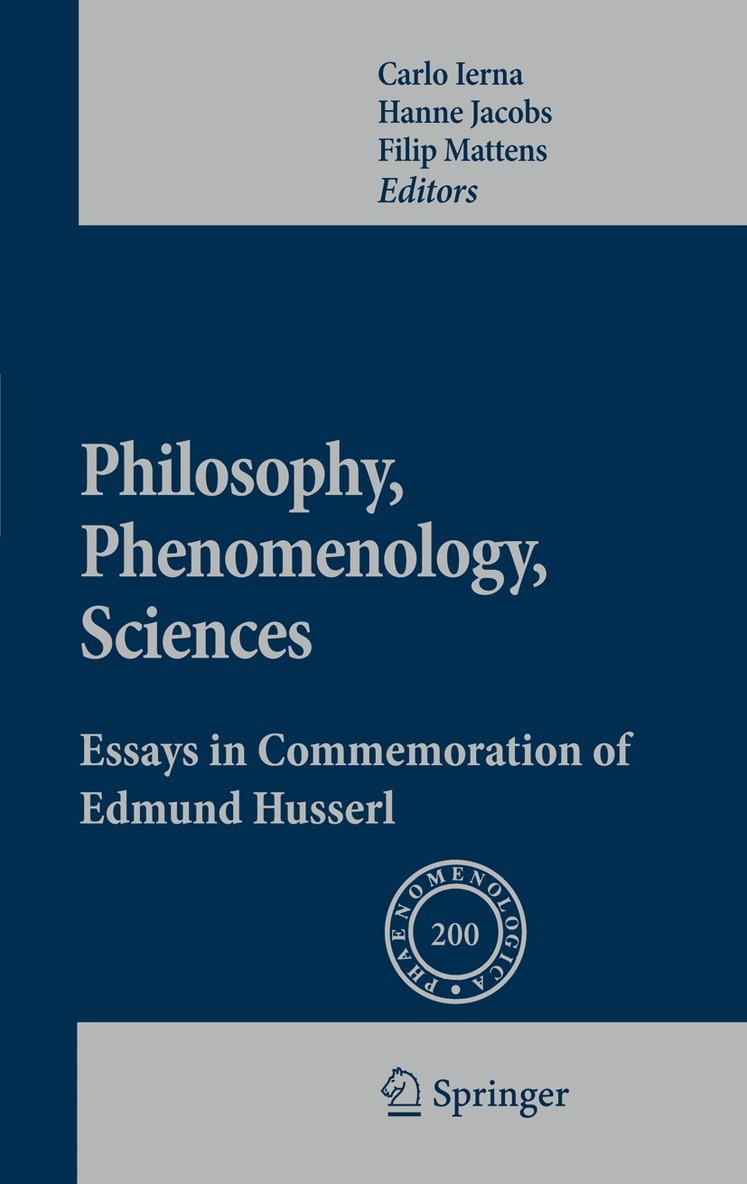
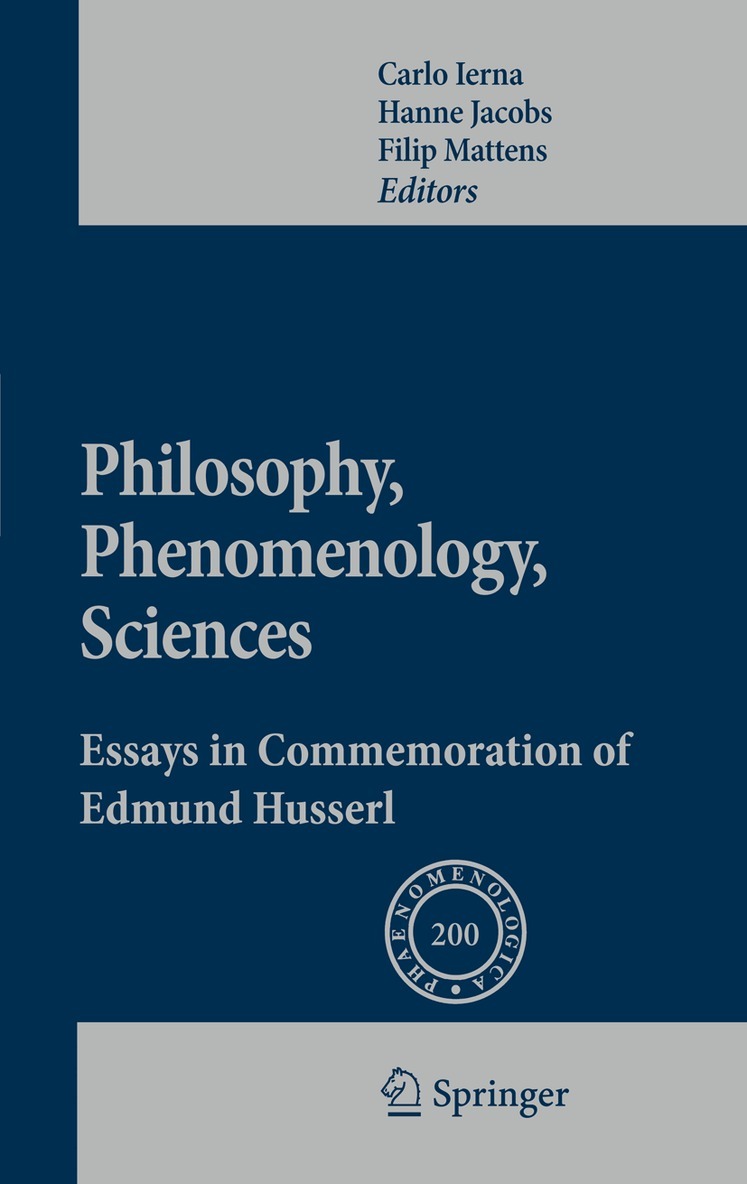
Philosophy, Phenomenology, Sciences
Essays in Commemoration of Edmund Husserl
Inbunden, Engelska, 2010
2 311 kr
Skickas inom 10-15 vardagar
The present volume contains many of the papers presented at a four-day conference held by the Husserl-Archives in Leuven in April 2009 to c- memorate the one hundred and ?ftieth anniversary of Edmund Husserl’s birth. The conference was organized to facilitate the critical evaluation of Husserl’s philosophical project from various perspectives and in light of the current philosophical and scienti?c climate. Still today, the characteristic tension between Husserl’s concrete and detailed descriptions of consciousness, on the one hand, and his radical philosophical claim to ultimate truth and certainty in thinking, feeling, and acting, on the other, calls for a sustained re?ection on the relation between a Husserlian phenomenological philosophy and philosophy in general. What can phenomenological re?ection contribute to the ongoing discussion of certain perennial philosophical questions and which phi- sophical problems are raised by a phenomenological philosophy itself? In addition to addressing the question of the relation between p- nomenology and philosophy in general, phenomenology today cannot avoid addressing the nature of its relation to the methods and results of the natural and human sciences. In fact, for Husserl, phenomenology is not just one among many philosophical methods and entirely unrelated to the sciences. Rather, according to Husserl, phenomenology should be a “?rst philosophy” and should aim to become the standard for all true science.
1 892 kr
Skickas inom 10-15 vardagar
The present volume contains many of the papers presented at a four-day conference held by the Husserl-Archives in Leuven in April 2009 to c- memorate the one hundred and ?ftieth anniversary of Edmund Husserl’s birth. The conference was organized to facilitate the critical evaluation of Husserl’s philosophical project from various perspectives and in light of the current philosophical and scienti?c climate. Still today, the characteristic tension between Husserl’s concrete and detailed descriptions of consciousness, on the one hand, and his radical philosophical claim to ultimate truth and certainty in thinking, feeling, and acting, on the other, calls for a sustained re?ection on the relation between a Husserlian phenomenological philosophy and philosophy in general. What can phenomenological re?ection contribute to the ongoing discussion of certain perennial philosophical questions and which phi- sophical problems are raised by a phenomenological philosophy itself? In addition to addressing the question of the relation between p- nomenology and philosophy in general, phenomenology today cannot avoid addressing the nature of its relation to the methods and results of the natural and human sciences. In fact, for Husserl, phenomenology is not just one among many philosophical methods and entirely unrelated to the sciences. Rather, according to Husserl, phenomenology should be a “?rst philosophy” and should aim to become the standard for all true science.
1 475 kr
Skickas inom 7-10 vardagar
Der vorliegende Band, der außer Husserls Freiburger Einleitung in die Philosophie von 1919/20 auch die noch erhaltenen Teile seiner beiden ersten Freiburger Einleitungen in die Philosophie von 1916 und 1918 enthält, bietet eine sowohl historisch als auch systematisch orientierte Hinführung zur transzendentalphänomenologischen Philosophie auf dem Weg über die Ontologie und die Erkenntnistheorie. Im Ausgang von der Darstellung des Anstoßes durch die Sophisitk entwickelt Husserl ausführlich Platons Entdeckung des Apriori als den für die Folgezeit maßgeblichen Schritt zu einer wissenschaftlichen Philosophie und verfolgt in kritischen Analysen deren neuzeitliche Entwicklung seit Descartes über die rationalistischen und empiristischen Systeme bis hin zu Kant. In den systematisch orientierten Abschnitten der Vorlesung stellt Husserl zunächst die grundlegenden Disziplinen der theoretischen Philosophie dar: die Erkenntnistheorie, die formale Wissenschaftslehre und die Ontologie, die sich in formale Ontologie, die materialen Ontologien und die von Aristoteles begründete Ontologie der realen Welt differenziert. Die praktische Philosophie behandelt Husserl in einer detaillierten Skizze der apriorischen Wertlehre und der in dieser fundierten apriorischen Ethik; diese beiden Prinzipienwissenschaften bilden für ihn die Grundlagen einer wissenschaftlichen Ethik. Diese aus der Göttinger Zeit stammende, unter dem Einfluss Brentanos stehende Konzeption von Ethik erfährt in der Vorlesung von 1919/20 bzw. in den wenig später in diese eingefügten kritischen Reflexionen gewichtige Korrekturen. Diese Korrekturen sowie die detailierte Analyse und Entfaltung des von Platon und Aristoteles grundgelegten, durch den Siegeszug der ateleologischen Naturwissenschaft verdrängten Gedankens einer teleologischen Welterklärung deuten vor auf Husserls späte Ethik und seine metaphysische Weltdeutung.