Hans Skott-Myhre – författare
Visar alla böcker från författaren Hans Skott-Myhre. Handla med fri frakt och snabb leverans.
10 produkter
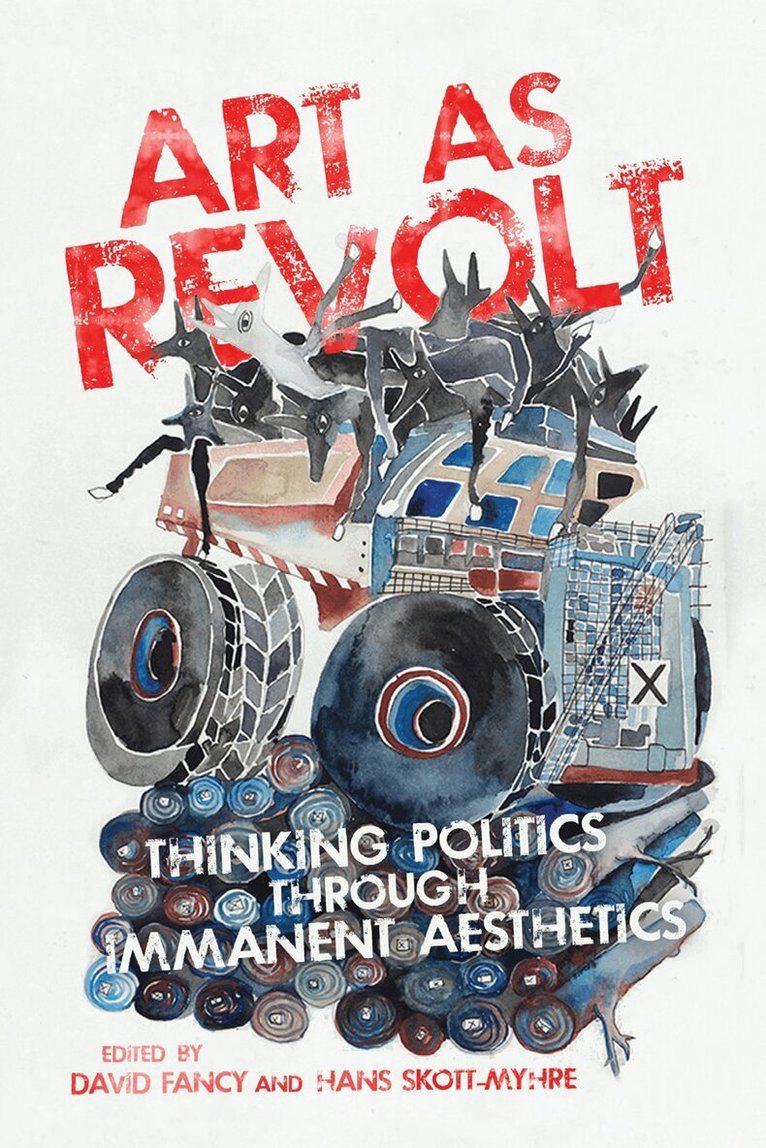
Art As Revolt
Thinking Politics Through Immanent Aesthetics
Av David Fancy, Hans Skott-Myhre
Häftad, 2019
414 kr
Lägg i varukorg
How can we imagine a future not driven by capitalist assumptions about humans and the wider world? How are a range of contemporary artistic and popular cultural practices already providing pathways to post-capitalist futures? Authors from a variety of disciplines answer these questions through …
Art as Revolt
Thinking Politics through Immanent Aesthetics
Av Hans Skott-Myhre, David Fancy
E-bok, 2019
371 kr
Lägg i varukorg
How can we imagine a future not driven by capitalist assumptions about humans and the wider world? How are a range of contemporary artistic and popular cultural practices already providing pathways to post-capitalist futures? Authors from a variety of disciplines answer these questions through …
Art as Revolt
Thinking Politics through Immanent Aesthetics
Av Hans Skott-Myhre, David Fancy
E-bok, 2019
371 kr
Lägg i varukorg
How can we imagine a future not driven by capitalist assumptions about humans and the wider world? How are a range of contemporary artistic and popular cultural practices already providing pathways to post-capitalist futures? Authors from a variety of disciplines answer these questions through …
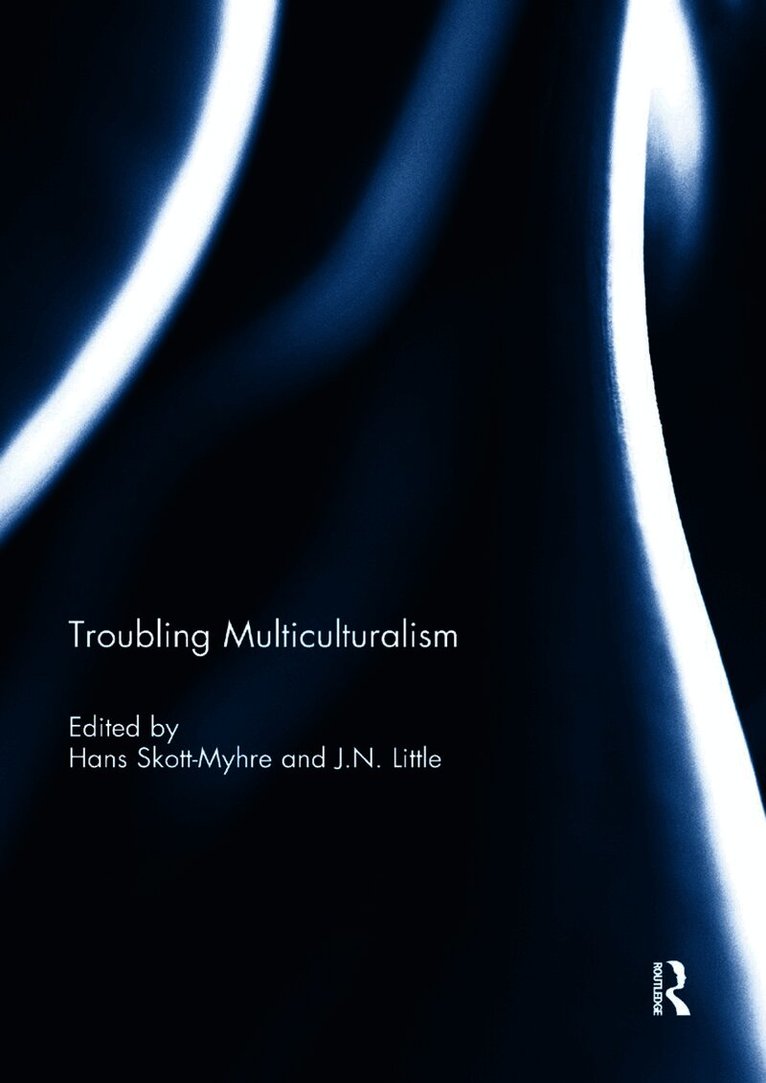
Troubling Multiculturalism
Av Hans Skott-Myhre, J.N. Little
Inbunden, 2014
1521 kr
Lägg i varukorg
It can be easy to imagine that Child and Youth Care practitioners are inherently or naturally attuned to issues of diversity and colonization as they pertain to multicultural practice. While there are excellent culturally attuned practices that are happening in the field of Child and Youth Care, …
Troubling Multiculturalism
Av Hans Skott-Myhre, J.N. Little
Häftad, 2018
560 kr
Lägg i varukorg
It can be easy to imagine that Child and Youth Care practitioners are inherently or naturally attuned to issues of diversity and colonization as they pertain to multicultural practice. While there are excellent culturally attuned practices that are happening in the field of Child and Youth Care, …
Troubling Multiculturalism
Av J.N. Little, Hans Skott-Myhre
E-bok, 2015
658 kr
Lägg i varukorg
It can be easy to imagine that Child and Youth Care practitioners are inherently or naturally attuned to issues of diversity and colonization as they pertain to multicultural practice. While there are excellent culturally attuned practices that are happening in the field of Child and Youth Care, …
Troubling Multiculturalism
Av J.N. Little, Hans Skott-Myhre
E-bok, 2015
658 kr
Lägg i varukorg
It can be easy to imagine that Child and Youth Care practitioners are inherently or naturally attuned to issues of diversity and colonization as they pertain to multicultural practice. While there are excellent culturally attuned practices that are happening in the field of Child and Youth Care, …
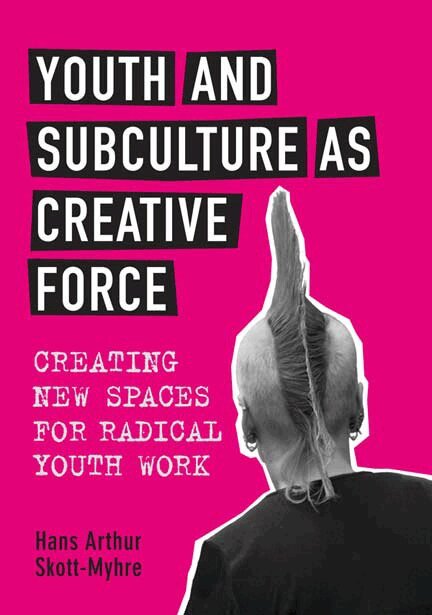
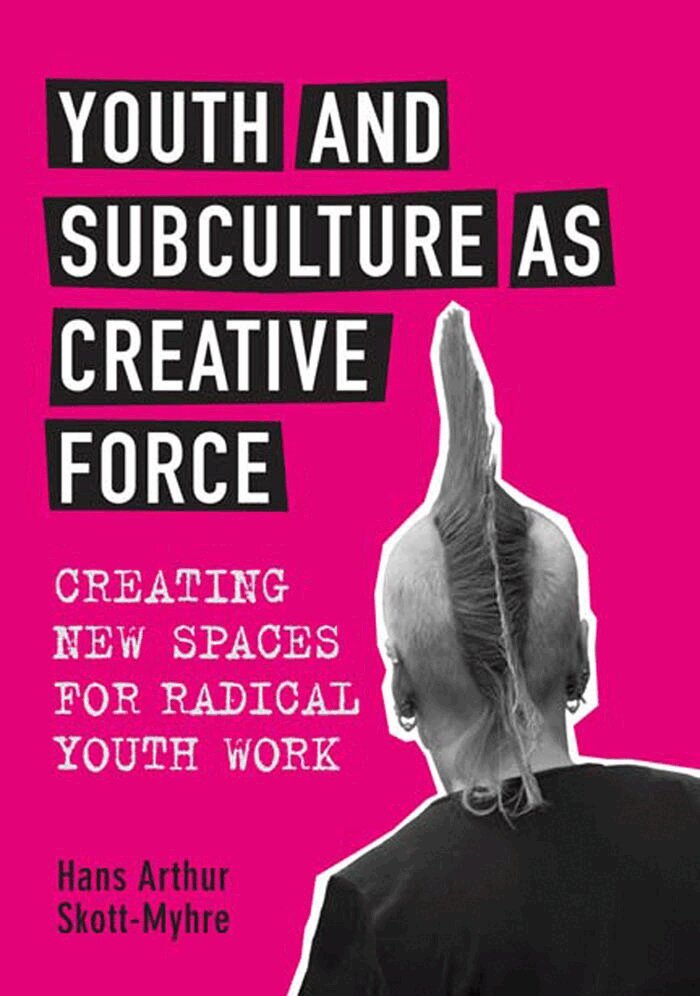
Youth and Subculture As Creative Force
Creating New Spaces for Radical Youth Work
Häftad, 2009
357 kr
Lägg i varukorg
Radical youth work is gaining popularity as a means of teaching adults how, in collaboration with youth, they can challenge dominant ways of knowing. This study uses two particular subcultures, skinheads and punks, to explore how constructions of subcultures in time, language, space, body practice, …
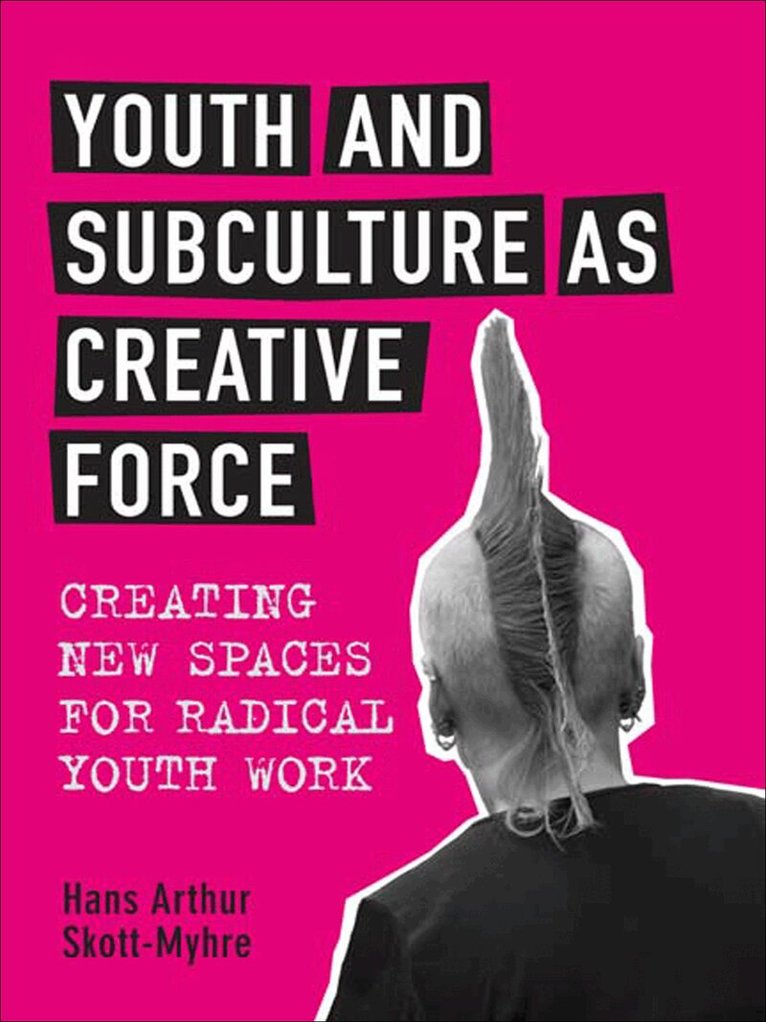
Youth and Subculture As Creative Force
Creating New Spaces for Radical Youth Work
E-bok, 2007
457 kr
Lägg i varukorg
Radical youth work is gaining popularity as a means of teaching adults how, in collaboration with youth, they can challenge dominant ways of knowing. This study uses two particular subcultures, skinheads and punks, to explore how constructions of subcultures in time, language, space, body practice, …
Youth and Subculture As Creative Force
Creating New Spaces for Radical Youth Work
E-bok, 2009
457 kr
Lägg i varukorg
Radical youth work is gaining popularity as a means of teaching adults how, in collaboration with youth, they can challenge dominant ways of knowing. This study uses two particular subcultures, skinheads and punks, to explore how constructions of subcultures in time, language, space, body practice, …