Harry M. Jol – författare
Visar alla böcker från författaren Harry M. Jol. Handla med fri frakt och snabb leverans.
3 produkter
3 produkter
1 959 kr
Kommande
1 617 kr
Skickas inom 7-10 vardagar
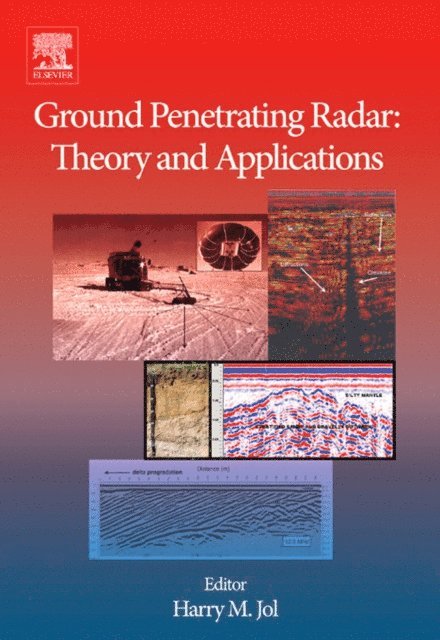
Ground-penetrating radar (GPR) is a rapidly developing field that has seen tremendous progress over the past 15 years. The development of GPR spans aspects of geophysical science, technology, and a wide range of scientific and engineering applications. It is the breadth of applications that has made GPR such a valuable tool in the geophysical consulting and geotechnical engineering industries, has lead to its rapid development, and inspired new areas of research in academia. The topic of GPR has gone from not even being mentioned in geophysical texts ten years ago to being the focus of hundreds of research papers and special issues of journals dedicated to the topic. The explosion of primary literature devoted to GPR technology, theory and applications, has lead to a strong demand for an up-to-date synthesis and overview of this rapidly developing field. Because there are specifics in the utilization of GPR for different applications, a review of the current state of development of the applications along with the fundamental theory is required. This book will provide sufficient detail to allow both practitioners and newcomers to the area of GPR to use it as a handbook and primary research reference.Review of GPR theory and applications by leaders in the fieldUp-to-date information and referencesEffective handbook and primary research reference for both experienced practitioners and newcomers
Del 2 - Crosscurrents: New Studies on the Middle East
Dead Sea
New Discoveries in the Cave of Letters
Inbunden, Engelska, 2018
1 167 kr
Skickas inom 5-8 vardagar
Dead Sea: New Discoveries in the Cave of Letters is a multidisciplinary study of the Cave of Letters in the Nahal Hever of the Judean desert, a site reputed for having contained the most important finds evidencing the Bar Kokhba revolt, including the cache of bronzes found buried there and the papers of Babatha, one of the few direct accounts of the context of the Bar Kokhba revolt in the second century CE. Chapters by diverse scholars report on and discuss the ramifications of the 1999–2001 expedition to the site, the first organized archaeological activity there since the expeditions at Nahal Hever by Yigal Yadin in 1960–1961. Using advanced technological methodologies alongside more "traditional" archaeological techniques, the team explored several research hypotheses. The expedition sought to determine whether the material collected in the cave could substantiate the hypothesis that the cave was a place of refuge during both the Bar Kokhba revolt and the earlier Great Revolt against the Roman Empire. The expedition also researched the viability of a relatively long-term occupation of the cave while under siege by Roman forces, questioning whether occupants would have been able to cook, sleep, etc., without severely degrading the cave environment as a viable place for human habitation. The individual chapters represent the result of analysis by scholars and scientists on different aspects of the material culture that the expedition uncovered.