Haruka Yanagisawa – författare
Visar alla böcker från författaren Haruka Yanagisawa. Handla med fri frakt och snabb leverans.
9 produkter
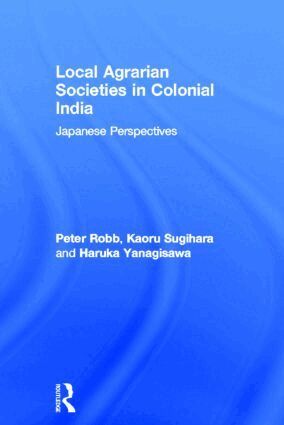
Local Agrarian Societies in Colonial India
Japanese Perspectives
Av Peter Robb, Kaoru Sugihara m. fl.
Inbunden, 1996
2586 kr
Lägg i varukorg
The first systematic attempt to introduce a full range of Japanese scholarship on the agrarian history of British India to the English-language reader. Suggests the fundamental importance of an Asian comparative perspective for the understanding of Indian history.
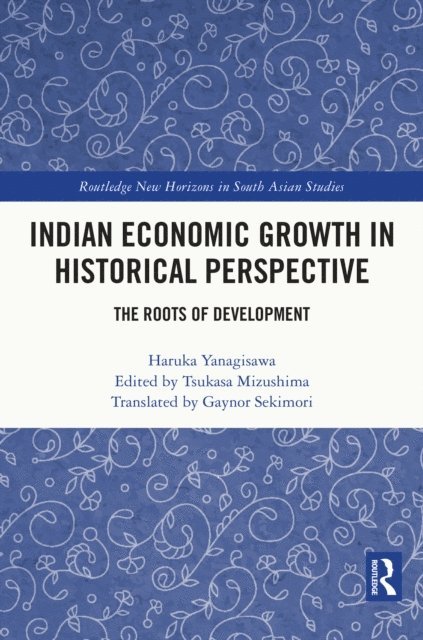
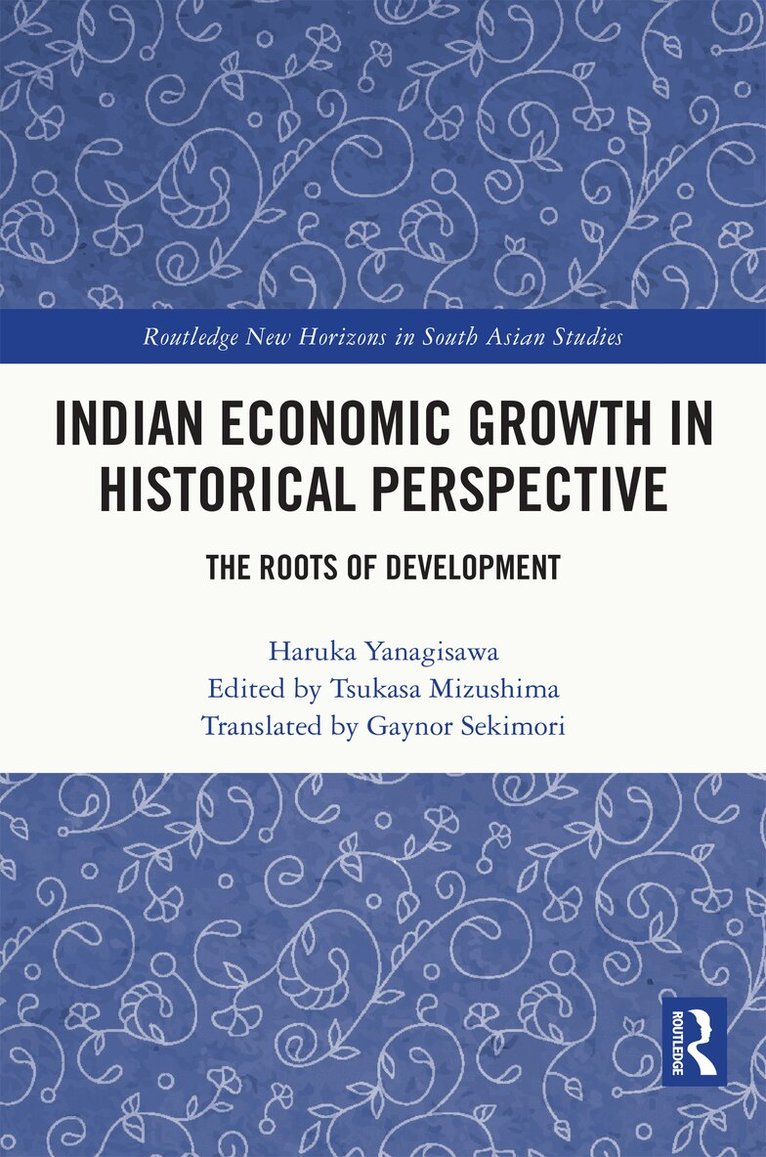
Indian Economic Growth in Historical Perspective
The Roots of Development
Av Haruka Yanagisawa, Tsukasa Mizushima
E-bok, 2022
785 kr
Lägg i varukorg
This book investigates the roots of rapid economic growth of India in recent decades, by exploring historical processes from the late colonial period. Based upon decades-long archival and field research, this book deals with the period from the late nineteenth century to 2013 and offers an integral …
Indian Economic Growth in Historical Perspective
The Roots of Development
Av Haruka Yanagisawa, Tsukasa Mizushima
E-bok, 2022
768 kr
Lägg i varukorg
This book investigates the roots of rapid economic growth of India in recent decades, by exploring historical processes from the late colonial period. Based upon decades-long archival and field research, this book deals with the period from the late nineteenth century to 2013 and offers an integral …
Indian Economic Growth in Historical Perspective
The Roots of Development
Av Haruka Yanagisawa, Tsukasa Mizushima
Häftad, 2024
648 kr
Lägg i varukorg
This book investigates the roots of rapid economic growth of India in recent decades, by exploring historical processes from the late colonial period. Based upon decades-long archival and field research, this book deals with the period from the late nineteenth century to 2013 and offers an integral …
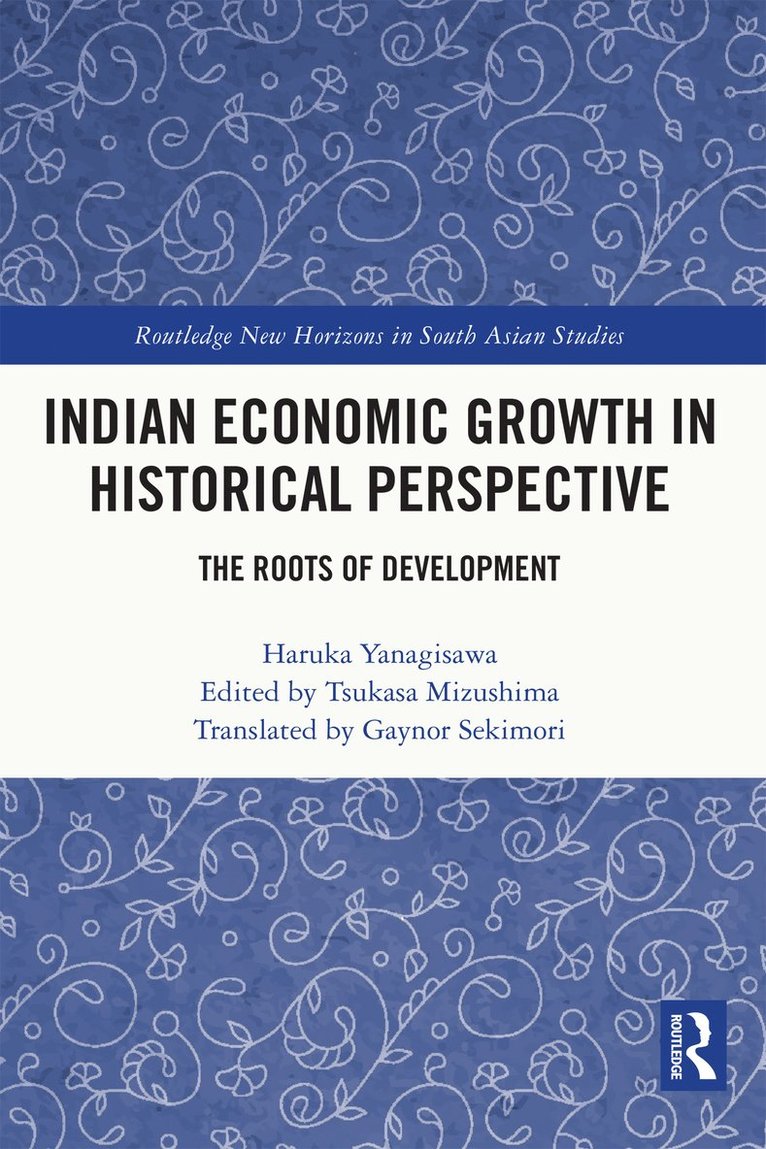
Indian Economic Growth in Historical Perspective
The Roots of Development
Av Haruka Yanagisawa, Tsukasa Mizushima
Inbunden, 2022
2197 kr
Lägg i varukorg
This book investigates the roots of rapid economic growth of India in recent decades, by exploring historical processes from the late colonial period. Based upon decades-long archival and field research, this book deals with the period from the late nineteenth century to 2013 and offers an integral …
Local Agrarian Societies in Colonial India
Japanese Perspectives
Av Haruka Yanagisawa, Kaoru Sugihara m. fl.
E-bok, 2013
910 kr
Lägg i varukorg
The first systematic attempt to introduce a full range of Japanese scholarship on the agrarian history of British India to the English-language reader. Suggests the fundamental importance of an Asian comparative perspective for the understanding of Indian history.
Local Agrarian Societies in Colonial India
Japanese Perspectives
Av Haruka Yanagisawa, Kaoru Sugihara m. fl.
E-bok, 2013
910 kr
Lägg i varukorg
The first systematic attempt to introduce a full range of Japanese scholarship on the agrarian history of British India to the English-language reader. Suggests the fundamental importance of an Asian comparative perspective for the understanding of Indian history.
Local Agrarian Societies in Colonial India
Japanese Perspectives
Av Peter Robb, Kaoru Sugihara m. fl.
Häftad, 2016
772 kr
Lägg i varukorg
The first systematic attempt to introduce a full range of Japanese scholarship on the agrarian history of British India to the English-language reader. Suggests the fundamental importance of an Asian comparative perspective for the understanding of Indian history.
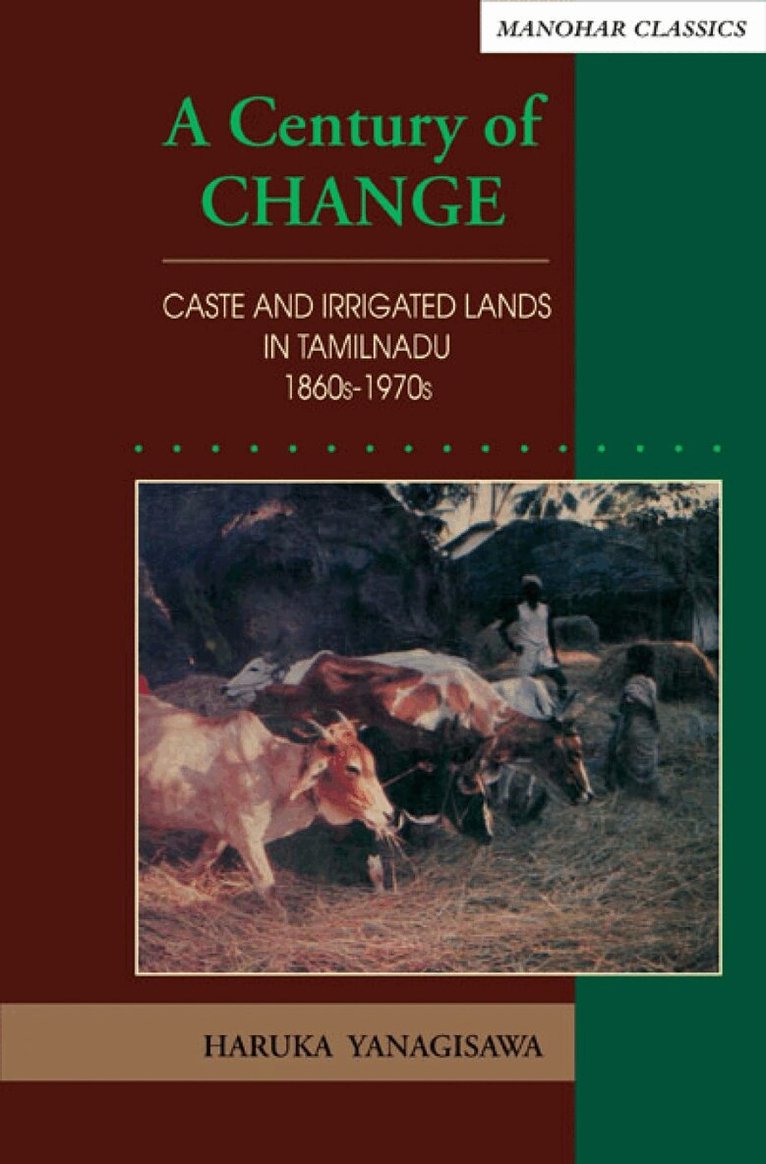
Century of Change
Caste and irrigated lands in Tamilnadu, 1860s-1970s
Inbunden, 2024
987 kr
Lägg i varukorg
This volume explores more than a century of agrarian change in the irrigated areas of Tamil Nadu since the 1860s. The author presents a systematic analysis of Settlement Registers for 26 villages compiled at 30-year intervals between 1865 and 1925. The computer-processed data enables the author to …