Heidi Tinsman – författare
Visar alla böcker från författaren Heidi Tinsman. Handla med fri frakt och snabb leverans.
10 produkter
Buying Into the Regime
Grapes and Consumption in Cold War Chile and the United States
Inbunden, 2014
1364 kr
Lägg i varukorg
Buying into the Regime is a transnational history of how Chilean grapes created new forms of consumption and labor politics in both the United States and Chile. After seizing power in 1973, Augusto Pinochet embraced neoliberalism, transforming Chile’s economy. The country became the world's leading …
Buying Into the Regime
Grapes and Consumption in Cold War Chile and the United States
Häftad, 2014
455 kr
Lägg i varukorg
Buying into the Regime is a transnational history of how Chilean grapes created new forms of consumption and labor politics in both the United States and Chile. After seizing power in 1973, Augusto Pinochet embraced neoliberalism, transforming Chile’s economy. The country became the world's leading …
Buying into the Regime
Grapes and Consumption in Cold War Chile and the United States
E-bok, 2014
671 kr
Lägg i varukorg
Buying into the Regime is a transnational history of how Chilean grapes created new forms of consumption and labor politics in both the United States and Chile. After seizing power in 1973, Augusto Pinochet embraced neoliberalism, transforming Chile’s economy. The country became the world''s …
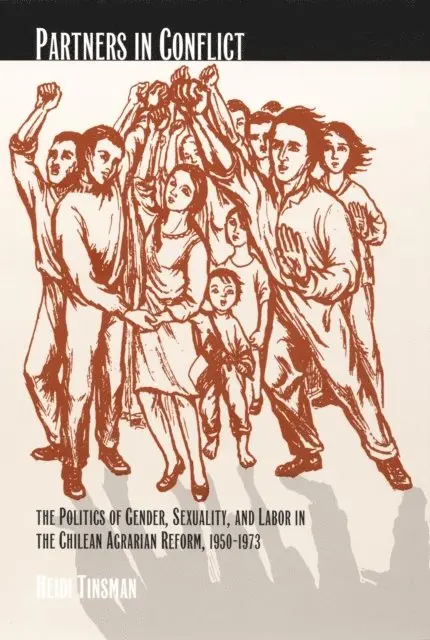
Partners in Conflict
The Politics of Gender, Sexuality, and Labor in the Chilean Agrarian Reform, 1950–1973
E-bok, 2002
671 kr
Lägg i varukorg
Partners in Conflict examines the importance of sexuality and gender to rural labor and agrarian politics during the last days of Chile’s latifundia system of traditional landed estates and throughout the governments of Eduardo Frei and Salvador Allende. Heidi Tinsman analyzes differences between …
Imagining Our Americas
Toward a Transnational Frame
Av Heidi Tinsman, Sandhya Shukla
E-bok, 2007
651 kr
Lägg i varukorg
This rich interdisciplinary collection of essays advocates and models a hemispheric approach to the study of the Americas. Taken together, the essays examine North and South America, the Caribbean, and the Pacific as a broad region transcending both national boundaries and the dichotomy between …
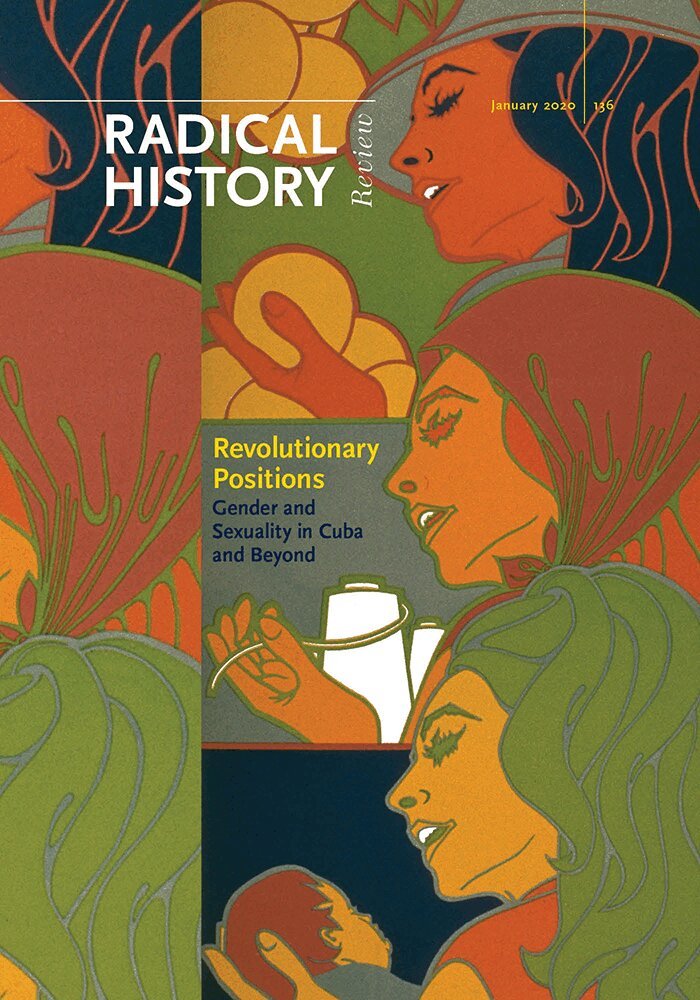
Revolutionary Positions
Sexuality and Gender in Cuba and Beyond
Av Michelle Chase, Isabella Cosse m. fl.
Häftad, 2020
166 kr
Lägg i varukorg
As the Cuban Revolution reaches its sixtieth anniversary, contributors to this special issue explore the impact of the revolution through the lens of sexuality and gender, providing a social and cultural history that illuminates the Cuban-influenced global New Left. Moving beyond assumptions about …
Partners in Conflict
The Politics of Gender, Sexuality, and Labor in the Chilean Agrarian Reform, 1950–1973
Inbunden, 2002
1451 kr
Tillfälligt slut
Partners in Conflict examines the importance of sexuality and gender to rural labor and agrarian politics during the last days of Chile’s latifundia system of traditional landed estates and throughout the governments of Eduardo Frei and Salvador Allende. Heidi Tinsman analyzes differences between …
Partners in Conflict
The Politics of Gender, Sexuality, and Labor in the Chilean Agrarian Reform, 1950–1973
Häftad, 2002
455 kr
Tillfälligt slut
Partners in Conflict examines the importance of sexuality and gender to rural labor and agrarian politics during the last days of Chile’s latifundia system of traditional landed estates and throughout the governments of Eduardo Frei and Salvador Allende. Heidi Tinsman analyzes differences between …
Imagining Our Americas
Toward a Transnational Frame
Av Sandhya Shukla, Heidi Tinsman
Inbunden, 2007
1465 kr
Tillfälligt slut
This rich interdisciplinary collection of essays advocates and models a hemispheric approach to the study of the Americas. Taken together, the essays examine North and South America, the Caribbean, and the Pacific as a broad region transcending both national boundaries and the dichotomy between …
Imagining Our Americas
Toward a Transnational Frame
Av Sandhya Shukla, Heidi Tinsman
Häftad, 2007
442 kr
Tillfälligt slut
This rich interdisciplinary collection of essays advocates and models a hemispheric approach to the study of the Americas. Taken together, the essays examine North and South America, the Caribbean, and the Pacific as a broad region transcending both national boundaries and the dichotomy between …