Heinrich Sandermann - Böcker
Visar alla böcker från författaren Heinrich Sandermann. Handla med fri frakt och snabb leverans.
5 produkter
5 produkter
2 101 kr
Skickas inom 10-15 vardagar
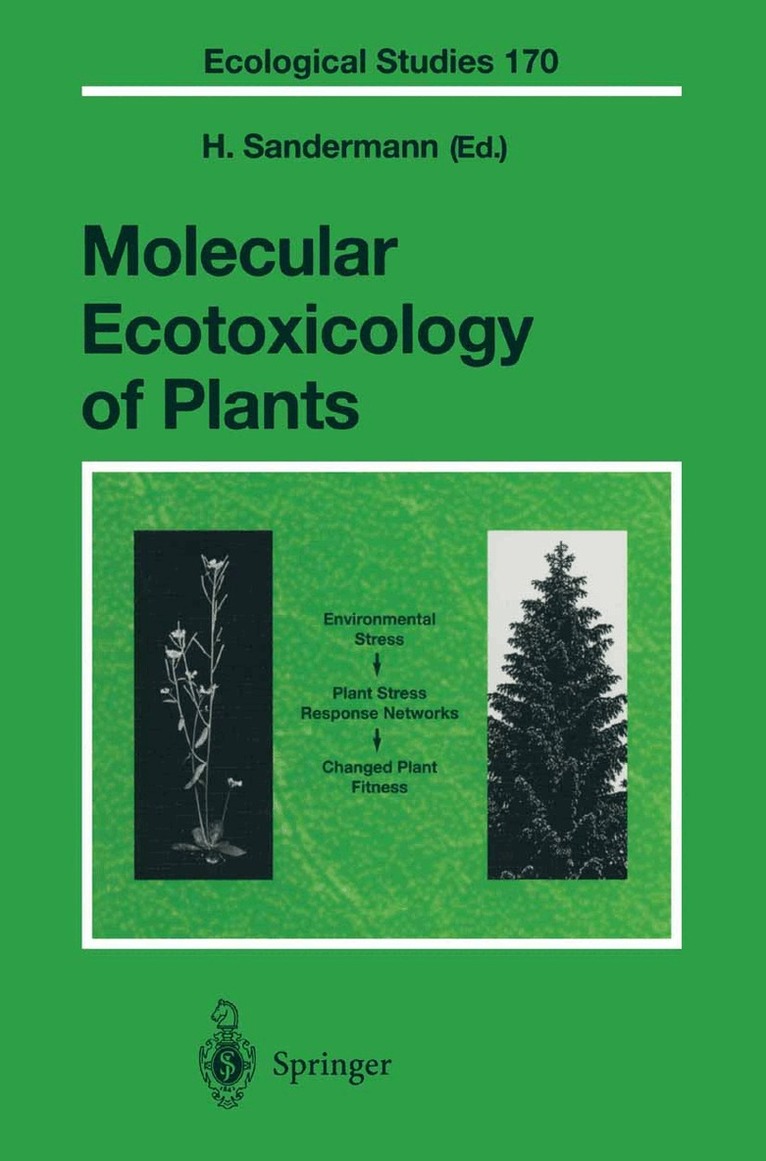
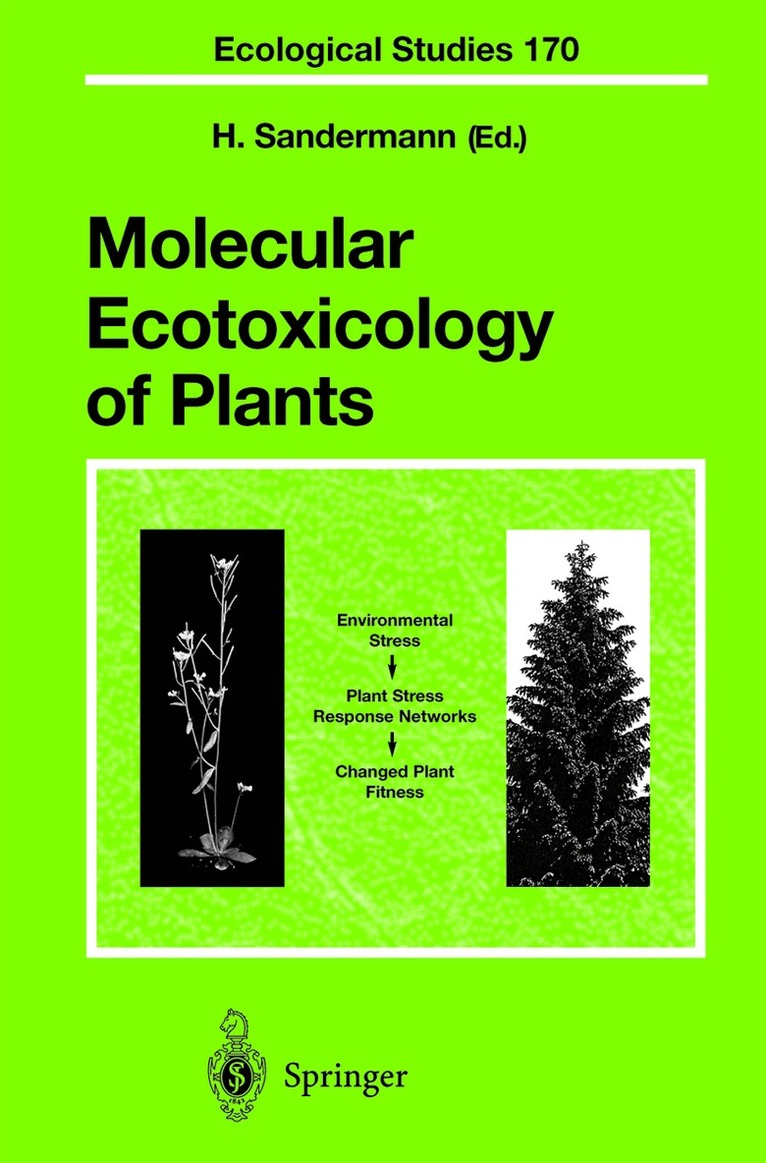
A well-structured and comprehensive summary of the strategies and several case studies for applying molecular plant genomics in the fields of plant ecotoxicology and plant ecology. With an increasing number of plant genome projects now being completed, there arises the need to develop plant functional genomics. The book concentrates on ecological functions and relates molecular stress responses and signalling pathways to environmental interactions. This paves the way for uncovering new mechanisms of plant fitness, population dynamics and evolution, and new possibilities for plant breeding and sustainable agriculture. Topics covered include: definition and up-scaling of molecular ecotoxicology; signalling substances, enzymes and genes involved in defence against pathogens, xenobiotics, ozone, UV-B and further environmental stressors; and manipulation of plant signal transduction by soil bacteria.

550 kr
Skickas inom 10-15 vardagar
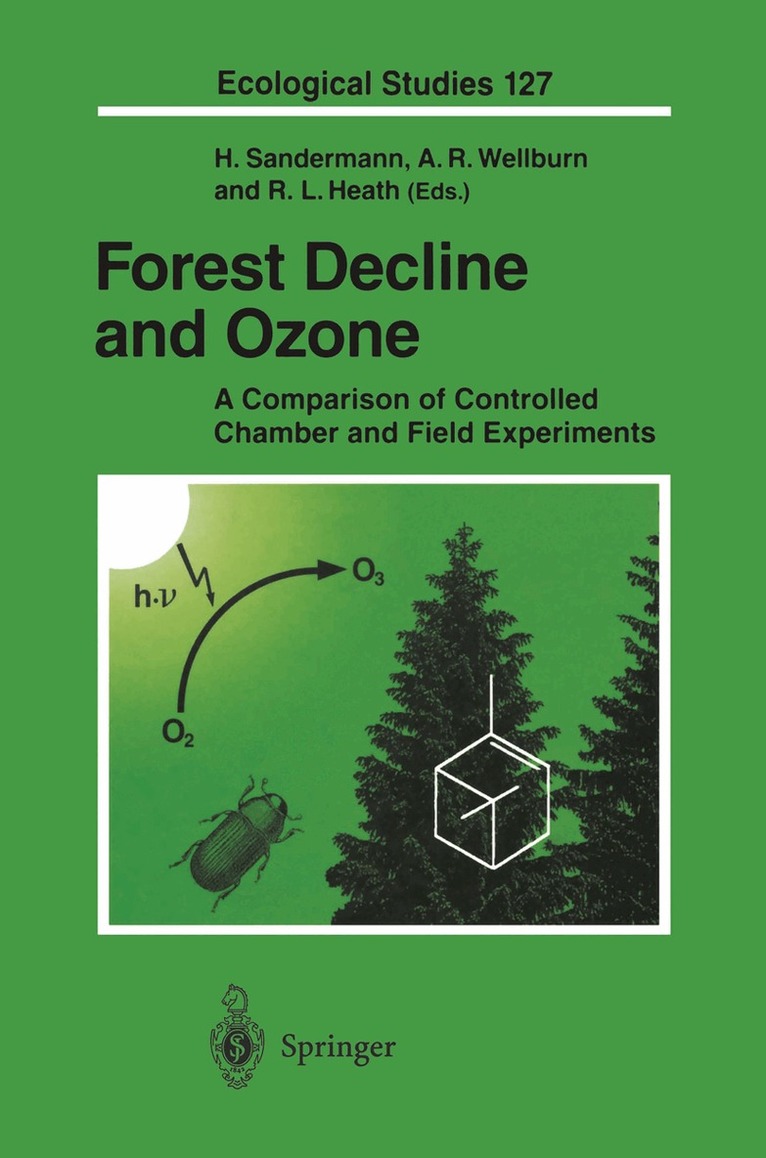
Forest Decline and Ozone
A Comparison of Controlled Chamber and Field Experiments
Inbunden, Engelska, 1996
2 101 kr
Skickas inom 10-15 vardagar
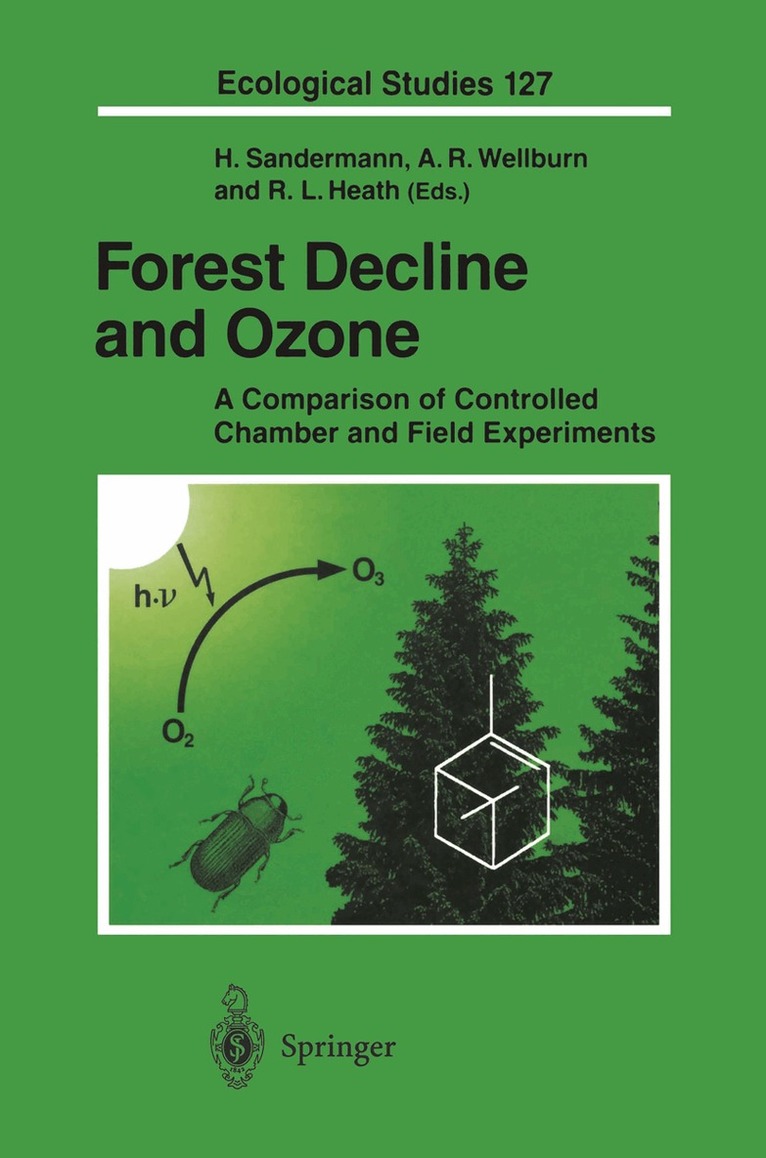
The book explores the relationship between forest decline and ozone. It comprises a broad range of methods concerning field ecology, model ecosystem research, and basic physiological and biochemical research. Prominent features are the use of ozone dose rather than concentration values only, and the illustration of ozone effects in numerous exciting color photographs. The presented results are essential for designing new field and laboratory experiments. The book is a must for anyone involved in air-pollution research!
2 101 kr
Skickas inom 10-15 vardagar
A well-structured and comprehensive summary of the strategies and several case studies for applying molecular plant genomics in the fields of plant ecotoxicology and plant ecology. With an increasing number of plant genome projects now being completed, there arises the need to develop plant functional genomics. The book concentrates on ecological functions and relates molecular stress responses and signalling pathways to environmental interactions. This paves the way for uncovering new mechanisms of plant fitness, population dynamics and evolution, and new possibilities for plant breeding and sustainable agriculture. Topics covered include: definition and up-scaling of molecular ecotoxicology; signalling substances, enzymes and genes involved in defence against pathogens, xenobiotics, ozone, UV-B and further environmental stressors; and manipulation of plant signal transduction by soil bacteria.
Forest Decline and Ozone
A Comparison of Controlled Chamber and Field Experiments
Häftad, Engelska, 2012
2 101 kr
Skickas inom 10-15 vardagar
The idea for this book arose in 1993, after the Free State of Bavaria through its Bayrisches Staatsministerium rur Landesentwicklung und Umweltfragen (Bavarian Ministry of Regional Development and the Environment) decided to discontinue both the Bavarian project management (PBWU) for forest decline research and the multidisciplinary field research on the Wank Mountain in the Alps near Garmisch. Forest decline through the action of ozone and other photooxidants was a main topic of the supported re search in the Alps and will be a topic of new investigations in the Bavarian Forest. Many interesting results were obtained, but the researchers involved have not had sufficient time to allow reliable conclusions to be drawn. It was therefore decided to ask inter national experts for contributions in order to summarize the best available evidence of a possible link between ozone and forest decline - a topic which has been studied in the USA since the late 1950s and in Europe since the early 1980s. The original idea of Waldsterben as an irreversible large-scale dieback of forests in Germany was soon recognized to be wrong (Forschungsbeirat 1989). However, the new criteria used for the official German and European damage inventories (loss or yel lowing of needles or leaves, tree morphology) indicate that per sistently high percentages of damaged spruce and pine remain, and there is an increasing percentage of damaged beech and oak, with a high proportion of biotic disease (Forschungsbeirat 1989; UN-ECE 1995).