Helen Nissenbaum – författare
Visar alla böcker från författaren Helen Nissenbaum. Handla med fri frakt och snabb leverans.
12 produkter
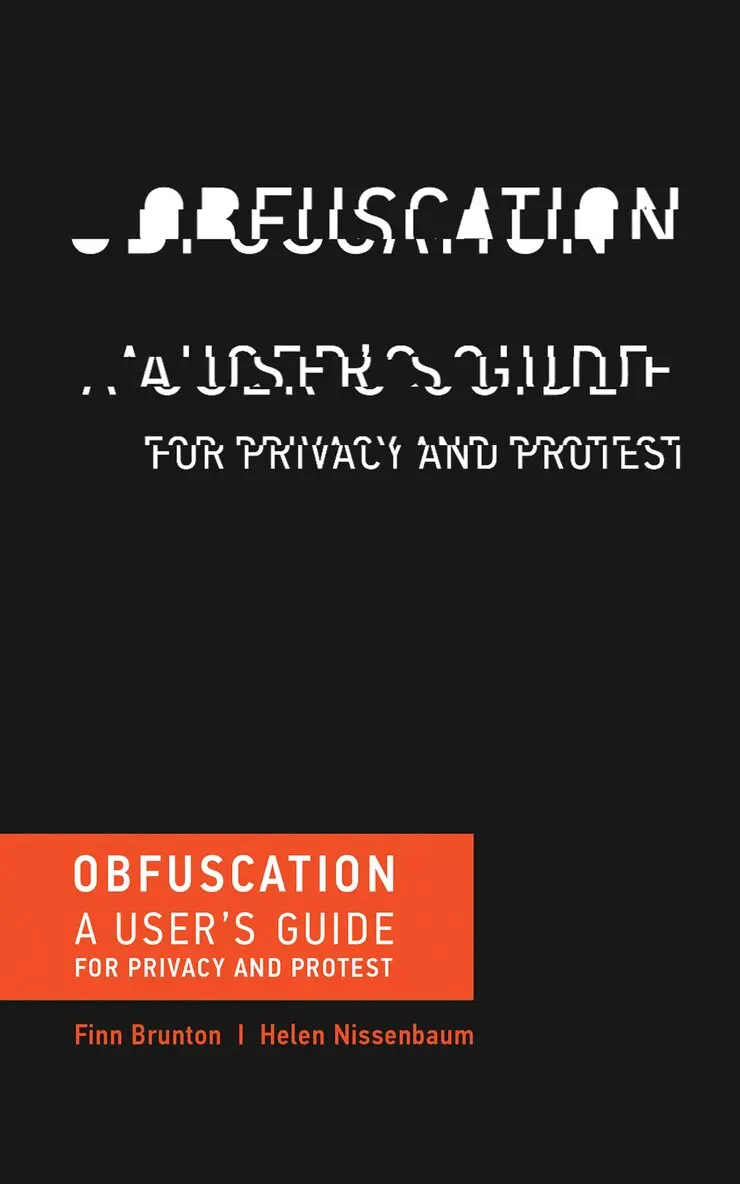
Obfuscation
A User's Guide for Privacy and Protest
Av Finn Brunton, Helen Nissenbaum
Häftad, 2016
229 kr
Lägg i varukorg
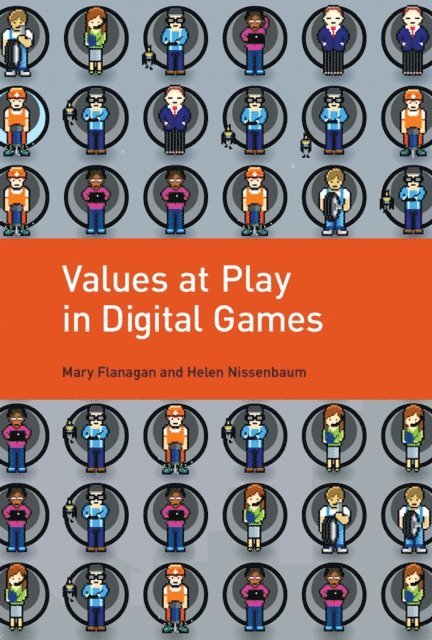
Values at Play in Digital Games
Av Helen Nissenbaum, Mary Flanagan
E-bok, 2014
310 kr
Lägg i varukorg
A theoretical and practical guide to integrating human values into the conception and design of digital games. All games express and embody human values, providing a compelling arena in which we play out beliefs and ideas. “Big ideas” such as justice, equity, honesty, and cooperation—as well as …
Obfuscation
Av Helen Nissenbaum, Finn Brunton
E-bok, 2015
197 kr
Lägg i varukorg
How we can evade, protest, and sabotage today''s pervasive digital surveillance by deploying more data, not less—and why we should. With Obfuscation , Finn Brunton and Helen Nissenbaum mean to start a revolution. They are calling us not to the barricades but to our computers, offering us ways to …
Values at Play in Digital Games
Av Mary Flanagan, Helen Nissenbaum
Häftad, 2016
403 kr
Lägg i varukorg
A theoretical and practical guide to integrating human values into the conception and design of digital games, with examples from Call of Duty , Journey , World of Warcraft , and more. All games express and embody human values, providing a compelling arena in which we play out beliefs and ideas. …
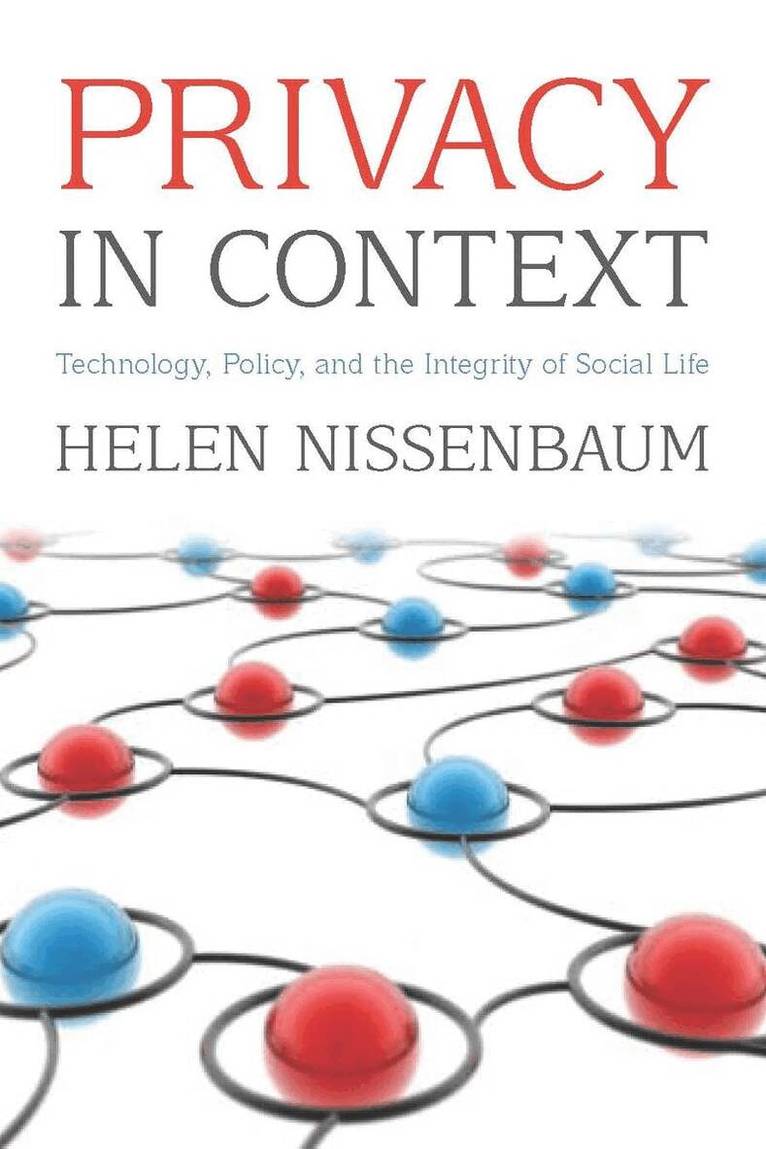
Privacy in Context
Technology, Policy, and the Integrity of Social Life
Inbunden, 2009
1277 kr
Lägg i varukorg
Privacy is one of the most urgent issues associated with information technology and digital media. This book claims that what people really care about when they complain and protest that privacy has been violated is not the act of sharing information itself—most people understand that this is …
Privacy in Context
Technology, Policy, and the Integrity of Social Life
Häftad, 2009
307 kr
Lägg i varukorg
Privacy is one of the most urgent issues associated with information technology and digital media. This book claims that what people really care about when they complain and protest that privacy has been violated is not the act of sharing information itself—most people understand that this is …
Privacy in Context
Technology, Policy, and the Integrity of Social Life
E-bok, 2009
335 kr
Lägg i varukorg
Privacy is one of the most urgent issues associated with information technology and digital media. This book claims that what people really care about when they complain and protest that privacy has been violated is not the act of sharing information itself—most people understand that this is …
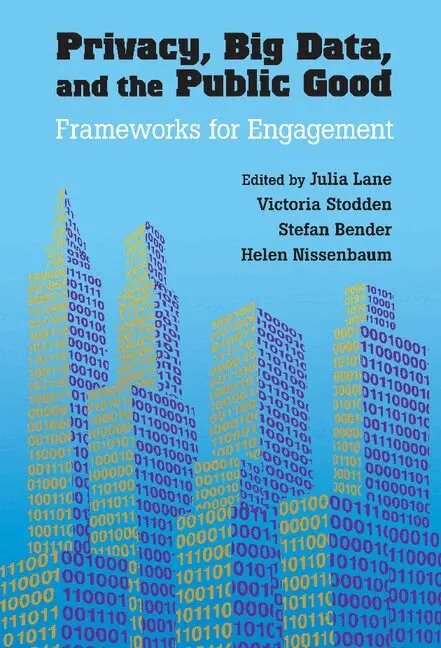
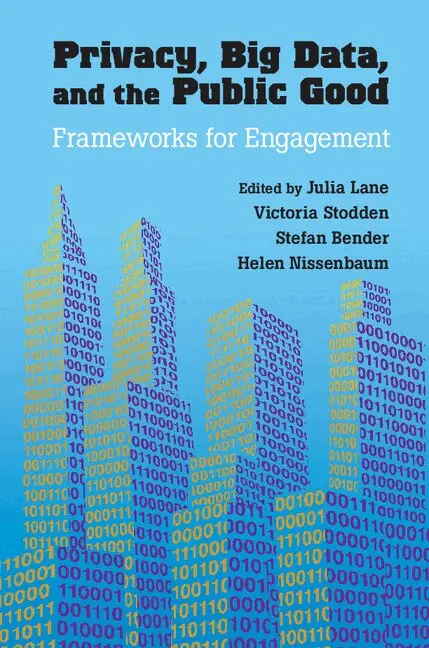
Privacy, Big Data, and the Public Good
Frameworks for Engagement
Av Julia Lane, Victoria Stodden m. fl.
Inbunden, 2014
1641 kr
Lägg i varukorg
Massive amounts of data on human beings can now be analyzed. Pragmatic purposes abound, including selling goods and services, winning political campaigns, and identifying possible terrorists. Yet 'big data' can also be harnessed to serve the public good: scientists can use big data to do research …
Privacy, Big Data, and the Public Good
Frameworks for Engagement
Av Julia Lane, Victoria Stodden m. fl.
Häftad, 2014
618 kr
Lägg i varukorg
Massive amounts of data on human beings can now be analyzed. Pragmatic purposes abound, including selling goods and services, winning political campaigns, and identifying possible terrorists. Yet 'big data' can also be harnessed to serve the public good: scientists can use big data to do research …
Privacy, Big Data, and the Public Good
Frameworks for Engagement
Av Helen Nissenbaum, Stefan Bender m. fl.
E-bok, 2014
621 kr
Lägg i varukorg
Massive amounts of data on human beings can now be analyzed. Pragmatic purposes abound, including selling goods and services, winning political campaigns, and identifying possible terrorists. Yet ''big data'' can also be harnessed to serve the public good: scientists can use big data to do research …
Privacy, Big Data, and the Public Good
Frameworks for Engagement
Av Helen Nissenbaum, Stefan Bender m. fl.
E-bok, 2014
621 kr
Lägg i varukorg
Massive amounts of data on human beings can now be analyzed. Pragmatic purposes abound, including selling goods and services, winning political campaigns, and identifying possible terrorists. Yet ''big data'' can also be harnessed to serve the public good: scientists can use big data to do research …