Victoria Stodden – författare
Visar alla böcker från författaren Victoria Stodden. Handla med fri frakt och snabb leverans.
8 produkter
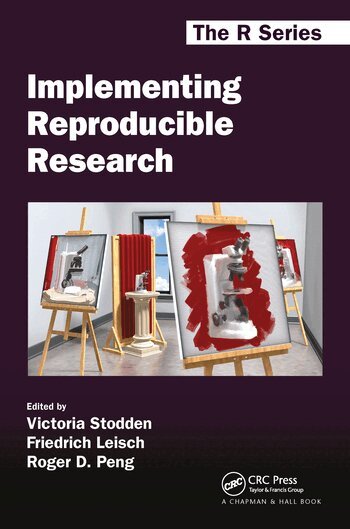
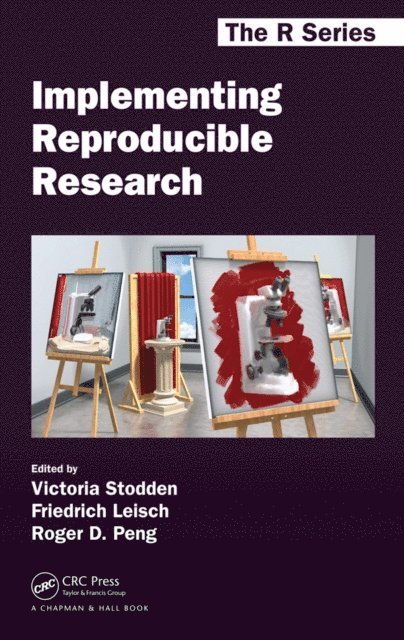
Implementing Reproducible Research
Av Victoria Stodden, Friedrich Leisch m. fl.
Häftad, 2020
806 kr
Lägg i varukorg
In computational science, reproducibility requires that researchers make code and data available to others so that the data can be analyzed in a similar manner as in the original publication. Code must be available to be distributed, data must be accessible in a readable format, and a platform must …
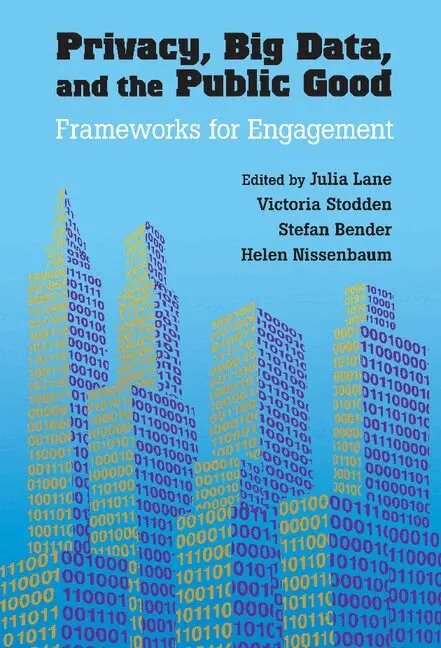
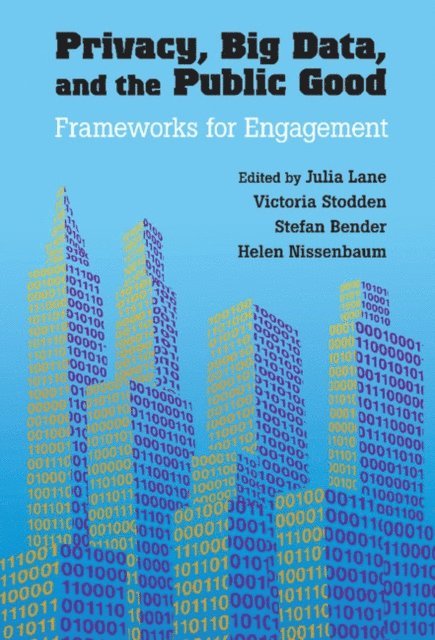
Privacy, Big Data, and the Public Good
Frameworks for Engagement
Av Julia Lane, Victoria Stodden m. fl.
Inbunden, 2014
1641 kr
Lägg i varukorg
Massive amounts of data on human beings can now be analyzed. Pragmatic purposes abound, including selling goods and services, winning political campaigns, and identifying possible terrorists. Yet 'big data' can also be harnessed to serve the public good: scientists can use big data to do research …
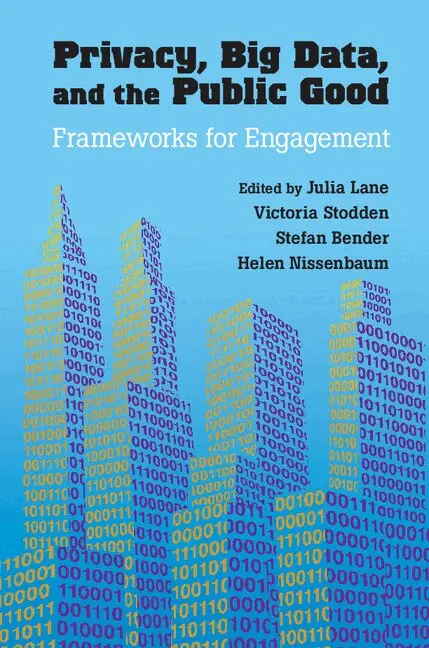
Privacy, Big Data, and the Public Good
Frameworks for Engagement
Av Julia Lane, Victoria Stodden m. fl.
Häftad, 2014
618 kr
Lägg i varukorg
Massive amounts of data on human beings can now be analyzed. Pragmatic purposes abound, including selling goods and services, winning political campaigns, and identifying possible terrorists. Yet 'big data' can also be harnessed to serve the public good: scientists can use big data to do research …
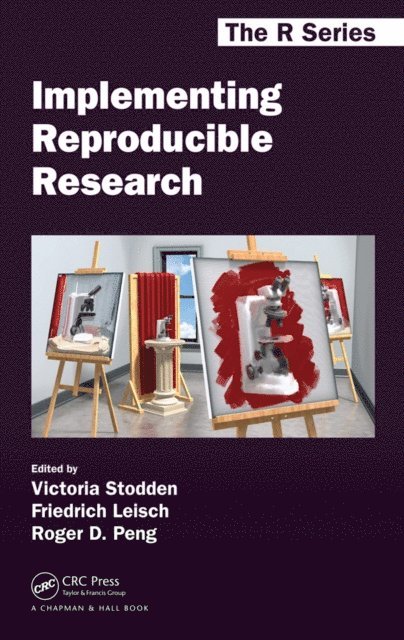
Implementing Reproducible Research
Av Roger D. Peng, Friedrich Leisch m. fl.
E-bok, 2018
981 kr
Lägg i varukorg
In computational science, reproducibility requires that researchers make code and data available to others so that the data can be analyzed in a similar manner as in the original publication. Code must be available to be distributed, data must be accessible in a readable format, and a platform must …
Implementing Reproducible Research
Av Roger D. Peng, Friedrich Leisch m. fl.
E-bok, 2018
950 kr
Lägg i varukorg
In computational science, reproducibility requires that researchers make code and data available to others so that the data can be analyzed in a similar manner as in the original publication. Code must be available to be distributed, data must be accessible in a readable format, and a platform must …
Privacy, Big Data, and the Public Good
Frameworks for Engagement
Av Helen Nissenbaum, Stefan Bender m. fl.
E-bok, 2014
621 kr
Lägg i varukorg
Massive amounts of data on human beings can now be analyzed. Pragmatic purposes abound, including selling goods and services, winning political campaigns, and identifying possible terrorists. Yet ''big data'' can also be harnessed to serve the public good: scientists can use big data to do research …
Privacy, Big Data, and the Public Good
Frameworks for Engagement
Av Helen Nissenbaum, Stefan Bender m. fl.
E-bok, 2014
621 kr
Lägg i varukorg
Massive amounts of data on human beings can now be analyzed. Pragmatic purposes abound, including selling goods and services, winning political campaigns, and identifying possible terrorists. Yet ''big data'' can also be harnessed to serve the public good: scientists can use big data to do research …
Implementing Reproducible Research
Av Victoria Stodden, Friedrich Leisch m. fl.
Inbunden, 2014
1251 kr
Lägg i varukorg
In computational science, reproducibility requires that researchers make code and data available to others so that the data can be analyzed in a similar manner as in the original publication. Code must be available to be distributed, data must be accessible in a readable format, and a platform must …