Helton Levy - Böcker
Visar alla böcker från författaren Helton Levy. Handla med fri frakt och snabb leverans.
3 produkter
3 produkter
1 209 kr
Skickas inom 10-15 vardagar
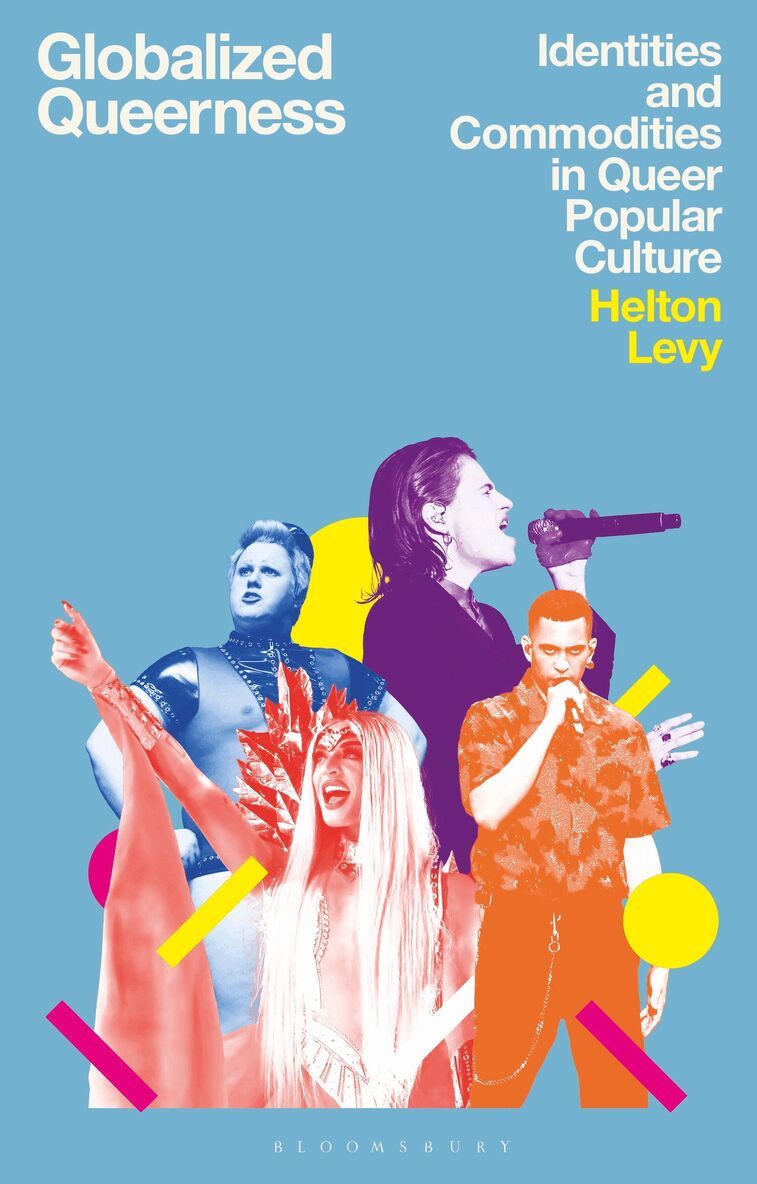
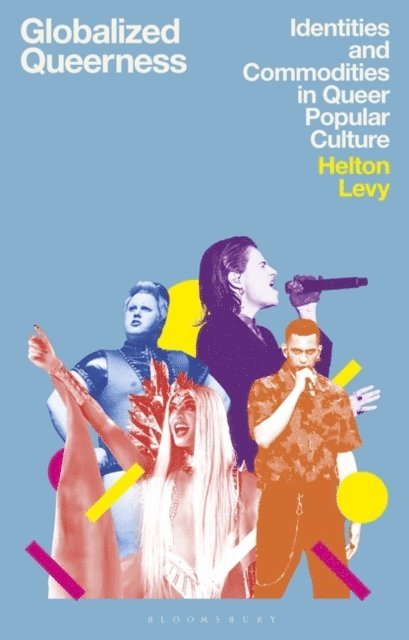
Has a global queer popular culture emerged at the expense of local queer artists? In this book, Helton Levy argues that global queer culture is indebted to specific, local references that artists carry from their early experiences in life, which then become homogenized by contemporary media markets. The assumption that queer publics live and consume only through a global set of references, including gay parades and rainbow flags, for example, erases many personal complexities.Levy revisits media characters that have caught the attention of the broader public – such as Calamity Jane (1953), the Daffyd Thomas character from the BBC comedy Little Britain (2003-2007), Brazilian drag queen Pabblo Vittar, French singer Christine and the Queens, and the Italian-Egyptian rapper Mahmood – and argues that they have gradually blended in the public's perception. This has often obscured the individual struggles faced by these characters, such as immigration, homophobia, poverty and societal exclusion. Levy also questions what happens when global media flows take queer culture to regions wherein the notion of LGBTQ+ rights are not entirely acceptable.Utilizing insights from media reports published across the world's ten biggest media markets, Levy argues that there are a series of conditions which artists and cultural actors negotiate once they achieve any kind of success in mainstream media, while local queer references remain unseen in the wider media world. For that reason, he argues for stronger incentives for communities to accept and acknowledge the work of queer people before and after commoditization.
394 kr
Skickas inom 10-15 vardagar
Has a global queer popular culture emerged at the expense of local queer artists? In this book, Helton Levy argues that global queer culture is indebted to specific, local references that artists carry from their early experiences in life, which then become homogenized by contemporary media markets. The assumption that queer publics live and consume only through a global set of references, including gay parades and rainbow flags, for example, erases many personal complexities.Levy revisits media characters that have caught the attention of the broader public – such as Calamity Jane (1953), the Daffyd Thomas character from the BBC comedy Little Britain (2003-2007), Brazilian drag queen Pabblo Vittar, French singer Christine and the Queens, and the Italian-Egyptian rapper Mahmood – and argues that they have gradually blended in the public's perception. This has often obscured the individual struggles faced by these characters, such as immigration, homophobia, poverty and societal exclusion. Levy also questions what happens when global media flows take queer culture to regions wherein the notion of LGBTQ+ rights are not entirely acceptable.Utilizing insights from media reports published across the world's ten biggest media markets, Levy argues that there are a series of conditions which artists and cultural actors negotiate once they achieve any kind of success in mainstream media, while local queer references remain unseen in the wider media world. For that reason, he argues for stronger incentives for communities to accept and acknowledge the work of queer people before and after commoditization.
1 209 kr
Skickas inom 10-15 vardagar
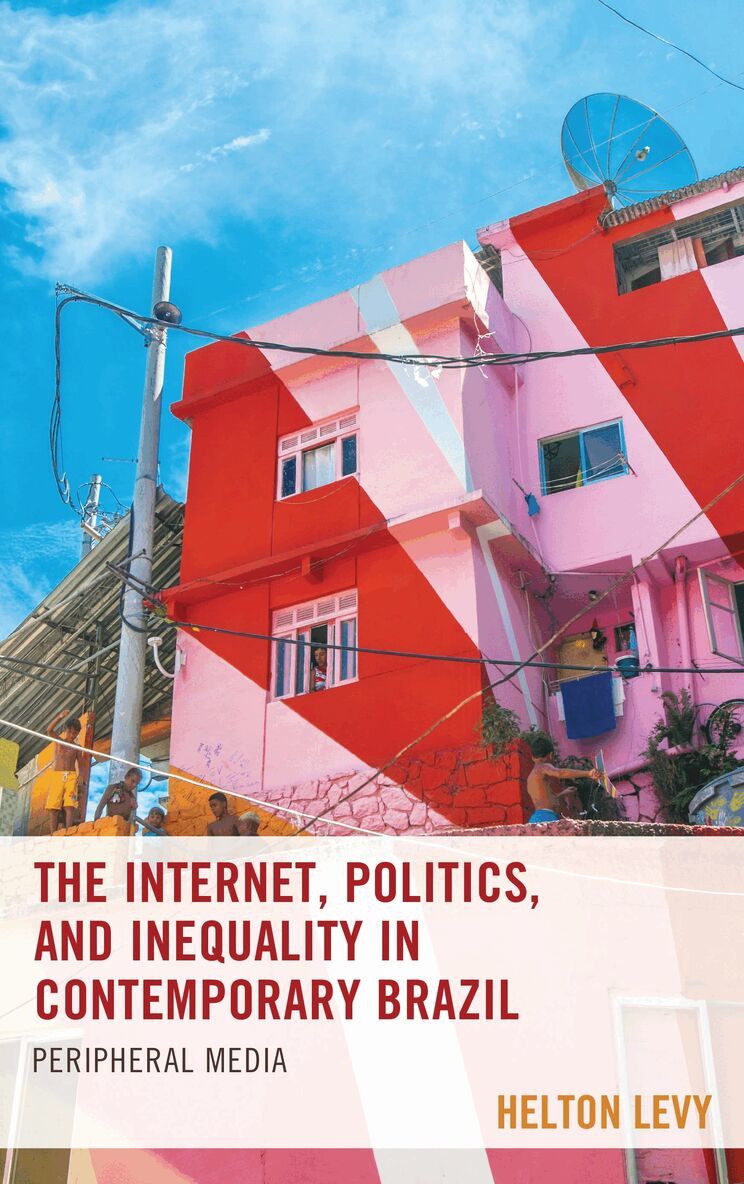
The Internet, Politics, and Inequality in Contemporary Brazil: Peripheral Media offers a new understanding of the digital media produced from the favelas, urban occupations, and in the countryside of Brazil, focusing on the discourse of this broad periphery in the late 2010s. After a decade of political stabilization and economic growth, the contemporary periphery has the ability to employ digital media to politicize old demands for social justice and better public services, and to denaturalize inequality overall. The Internet, Politics, and Inequality in Contemporary Brazil presents interviews conducted with producers acting in the cities’ outskirts, in favelas, and in the countryside, showing how a myriad of websites and social media pages can launch specific challenges against hegemonic mass media outlets, the state, and society. A vast body of research reveals producers’ strategies to garner publicity for marginalized neighborhoods and individuals, providing an essential background for scholars of Latin American studies, journalism, and communication.