Henry B. Wonham – författare
Visar alla böcker från författaren Henry B. Wonham. Handla med fri frakt och snabb leverans.
9 produkter
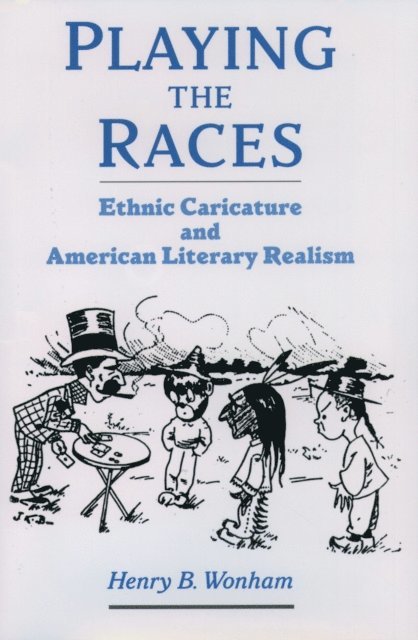
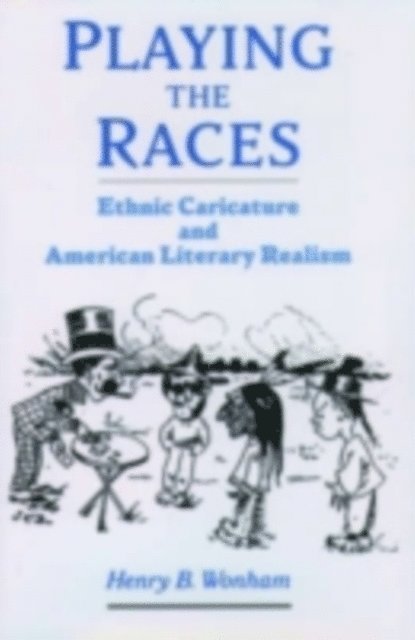
Playing the Races
Ethnic Caricature and American Literary Realism
E-bok, 2004
1265 kr
Lägg i varukorg
Why did so many of the writers who aligned themselves with the social and aesthetic aims of American literary realism rely on stock conventions of ethnic caricature in their treatment of immigrant and African-American figures? As a self-described "tool of the democratic spirit," designed to "prick …
Mark Twain and the Art of the Tall Tale
Inbunden, 1993
2231 kr
Lägg i varukorg
Mark Twain and the Art of the Tall Tale is a study of a peculiarly American comic strategy and its role in Mark Twain's fiction. Henry Wonham examines how Mark Twain used the oral genre of the tall tale to experiment with narrative structure throughout his career. Wonham argues that in his major …
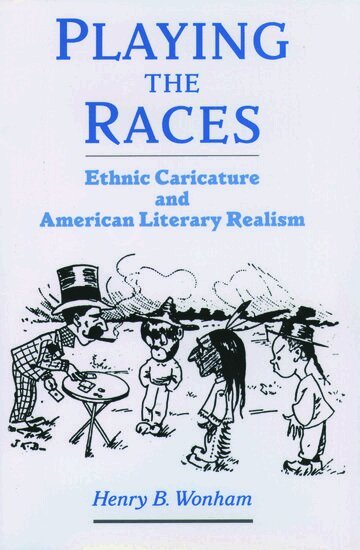
Playing the Races
Ethnic Caricature and American Literary Realism
Inbunden, 2004
1978 kr
Lägg i varukorg
Why did so many of the writers who aligned themselves with the social and aesthetic aims of late nineteenth-century American literary realism rely on stock conventions of ethnic caricature in their treatment of immigrant African-American figures? Playing the Races argues that literary realism and …
Mark Twain and the Art of the Tall Tale
E-bok, 1993
1265 kr
Lägg i varukorg
Mark Twain and the Art of the Tall Tale is a study of a peculiar American comic strategy and its role in Mark Twain''s fiction. Focusing on the writer''s experiments with narrative structure, Wonham describes how Twain manipulated conventional approaches to reading and writing by engaging his …
Playing the Races
Ethnic Caricature and American Literary Realism
E-bok, 2004
1265 kr
Lägg i varukorg
Why did so many of the writers who aligned themselves with the social and aesthetic aims of American literary realism rely on stock conventions of ethnic caricature in their treatment of immigrant and African-American figures? As a self-described "tool of the democratic spirit," designed to "prick …
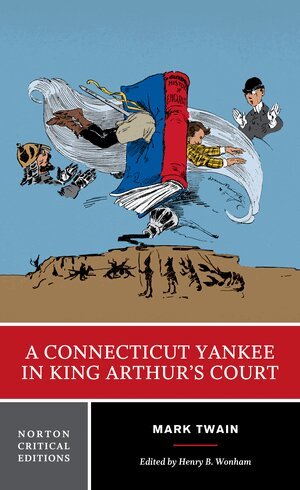
Connecticut Yankee in King Arthur's Court
A Norton Critical Edition
Av Mark Twain, Henry B. Wonham
Häftad, 2018
216 kr
Lägg i varukorg
This Norton Critical Edition includes:• The first American edition (1889) of the novel, approved by Twain and published by his own company.• All 241 original illustrations, bringing to life Twain’s admiration for King Arthur, Merlin and Camelot as well as his deep interest in time travel, …
Tales of Henry James
A Norton Critical Edition
Av Henry James, Christof Wegelin m. fl.
Häftad, 2002
233 kr
Lägg i varukorg
"The Author on His Craft" again reprints James’s critical essay "The Art of Fiction" and related passages from his notebooks, including a new passage on "In the Cage." "Criticism" has been entirely updated and includes ten new essays by critics who during the last twenty-five years have helped to …
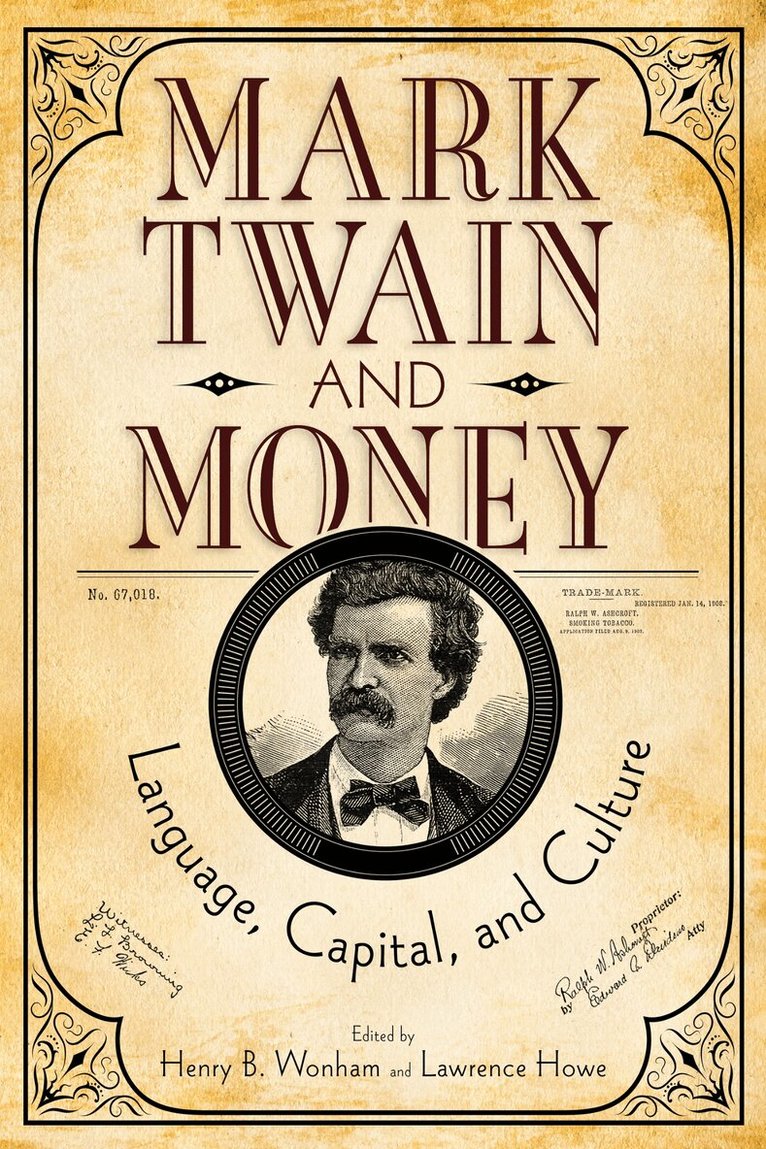
Mark Twain and Money
Language, Capital, and Culture
Av Henry B. Wonham, Lawrence Howe
Inbunden, 2017
586 kr
Lägg i varukorg
This groundbreaking volume explores the importance of economics and prosperity throughout Samuel Clemens’s writing and personal life.Mark Twain and Money: Language, Capital, and Culture focuses on an overlooked feature of the story of one of America’s most celebrated writers. Investigating Samuel …
Mark Twain and Money
Language, Capital, and Culture
Av Henry B. Wonham, Lawrence Howe m. fl.
E-bok, 2017
885 kr
Lägg i varukorg
This groundbreaking volume explores the importance of economics and prosperity throughout Samuel Clemens’s writing and personal life. Mark Twain and Money: Language, Capital, and Culture focuses on an overlooked feature of the story of one of America’s most celebrated writers. Investigating Samuel …