
Henry Buckton – författare
Visar alla böcker från författaren Henry Buckton. Handla med fri frakt och snabb leverans.
10 produkter
10 produkter
156 kr
Tillfälligt slut
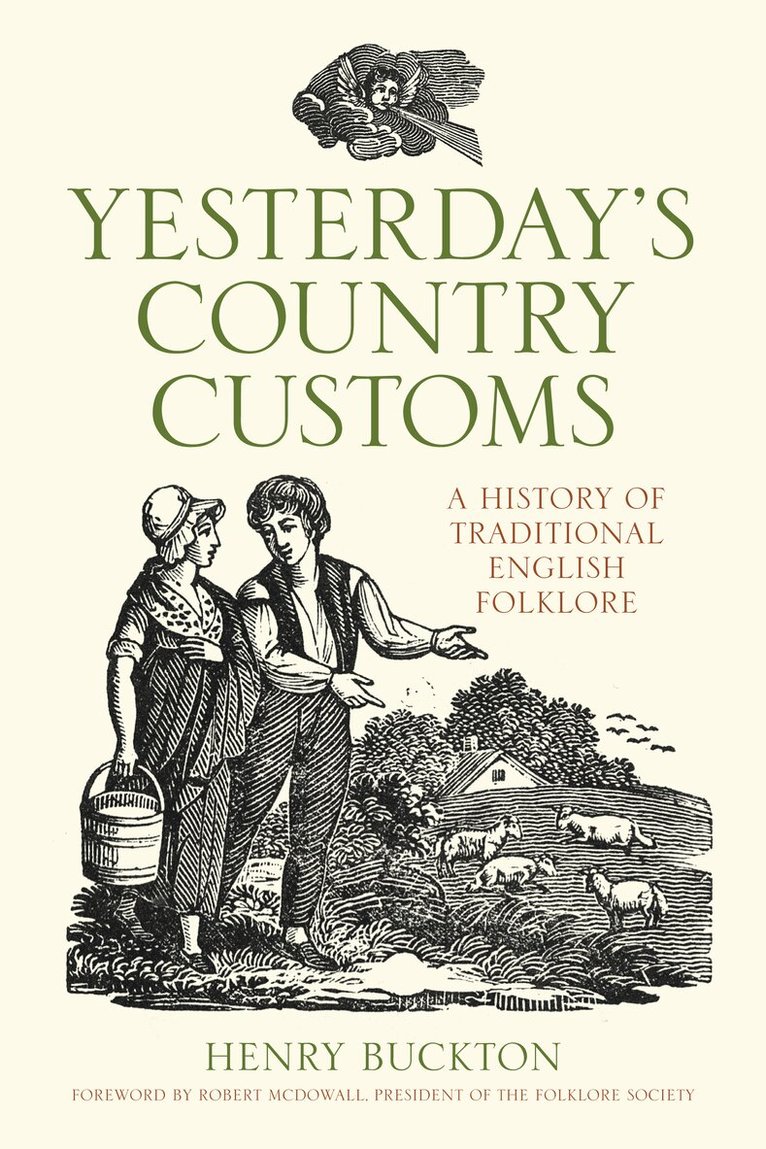
In England today we enjoy a rich diversity of folk traditions, many of which can trace their beginnings back hundreds of years. They stem from every phase of our antiquity and embody all the peoples who have traditionally enriched our culture. In this book we visit some of the best known examples, including mumming, cheese rolling, tree dressing, rushbearing, beating the bounds, flitch trials and Wassailing, among many other customs, festivals and traditions. Covering all aspects of English folklore and tradition, including myths, legends, traditional song and dance, games, seasonal events and calendar customs, this volume encompasses the history of many of England’s best-loved folk traditions.
172 kr
Skickas
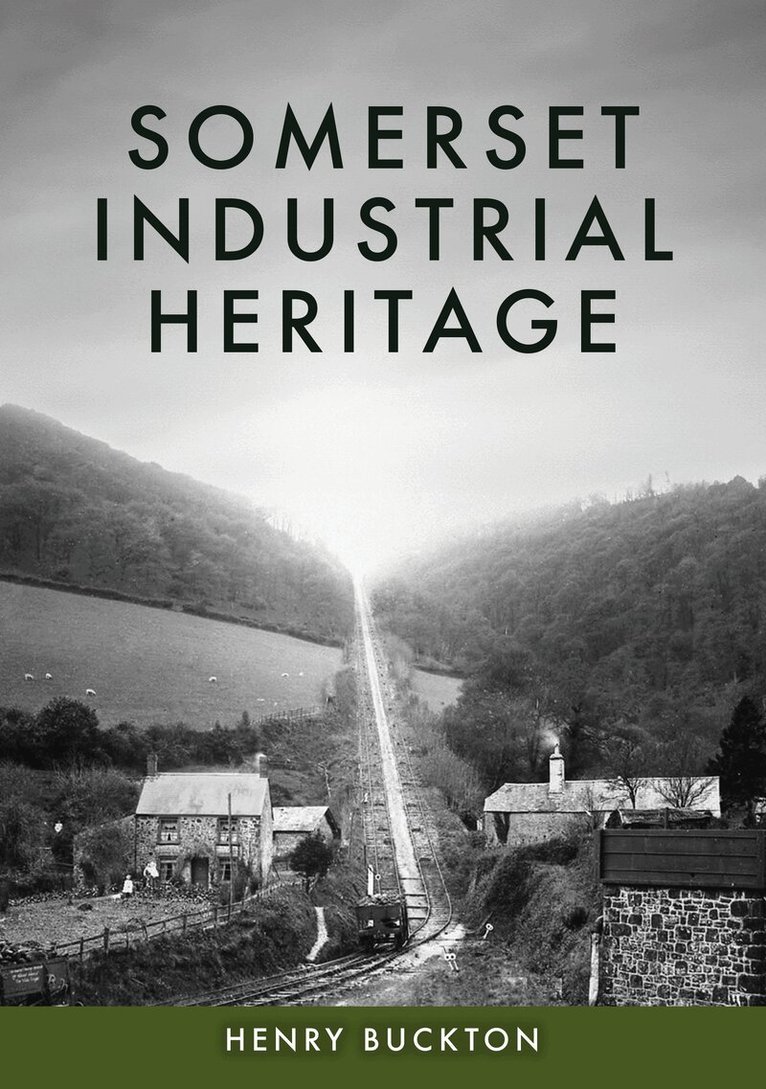
Somerset is one of the most varied counties in the country. People visit for hill walking, cycling, birdwatching and many other leisure activities. Invariably while exploring this rich and diverse countryside you will stumble across the remains of industrial activity, such as ruined buildings, ivy-clad walls, the paths of bygone railways or roads seemingly going nowhere, all of which indicate that the lonely spot in which you are standing was once thronged with people going about their business. In this book these lost industrial landscapes of Somerset are uncovered to reveal the great variety of industry and employment that existed in the county. The sites show how England has changed from the days when every corner of the land was home to some sort of manufacturing and the country was regarded as the workshop of the world.Henry Buckton details Somerset’s rich industrial tapestry, from iron-ore mining on the Brendon Hills and Exmoor to lead mining on the Mendip Hills, from quarrying at places such as Ham Hill to peat extraction on the Somerset Levels, as well as the Somerset coalfield.

168 kr
Kommande
In the eighteenth century, Somerset was almost entirely rural, and its towns were linked by a network of very rudimentary roads. As new industries emerged, a better system of transport was required to bring to the factories the raw materials they needed, such as coal and metal ores, but also to ferry the goods they manufactured to the wider world. Out of this situation the golden age of canals was born. Their ability to facilitate the bulk movement of raw materials was one of the key factors in the success of the Industrial Revolution.Somerset, like many English counties, would benefit from several schemes and goods from places such as Bath, Taunton, Chard, Radstock, Midsomer Norton and Glastonbury could be moved to coastal ports such as Bridgwater, Highbridge and Bristol by a series of artificial waterways. Henry Buckton examines the histories of the county’s canals, including the Kennet and Avon Canal, Somerset Coal Canal, Grand Western Canal, Bridgwater and Taunton Canal, Chard Canal, Glastonbury Canal, Dorset and Somerset Canal and the Westport Canal. These and others are still evident in the landscape today and provide a fascinating glimpse into Somerset’s industrial heritage.
177 kr
Skickas inom 11-20 vardagar
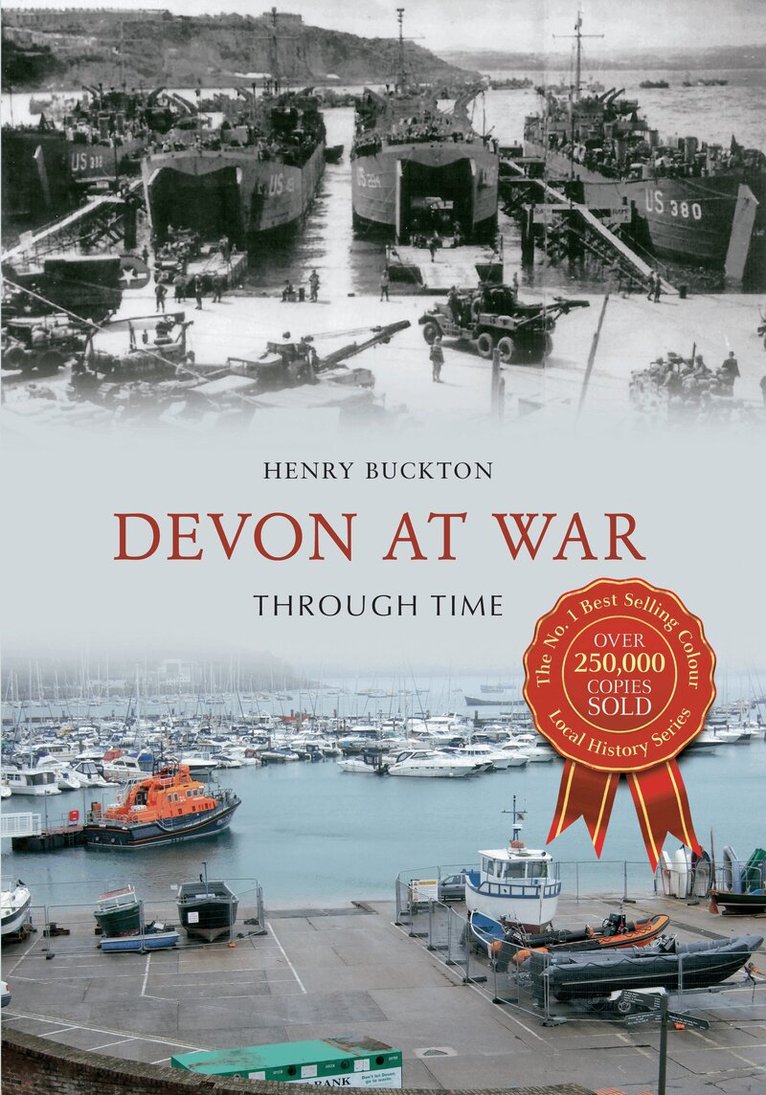
During the Second World War Devon was reputedly the most militarized county in the country. This was particularly so just before D-Day when every town and village was bursting with American troops preparing to take part in the liberation of occupied Europe. But the story of Devon at War begins long before that and in this book we visit places that were affected at different stages of the conflict. We learn how Plymouth and Exeter experienced some of the most devastating air attacks outside London, while even smaller communities along the South Coast suffered from the shock tactics of tip and run raids. We see the crucial part that the county's ports and harbours played in keeping Britain's Navy afloat and at the forefront of operations. And perhaps most important of all, we acknowledge the county's incalculable contribution to all aspects of Operation Overlord, on land, at sea, or in the air. Of course every community has its own story to tell but it would be impossible to include them all. The examples chosen give a good summary of what took place in Devon during those dark days when the country as a whole was fighting for its very survival.
84 kr
Skickas
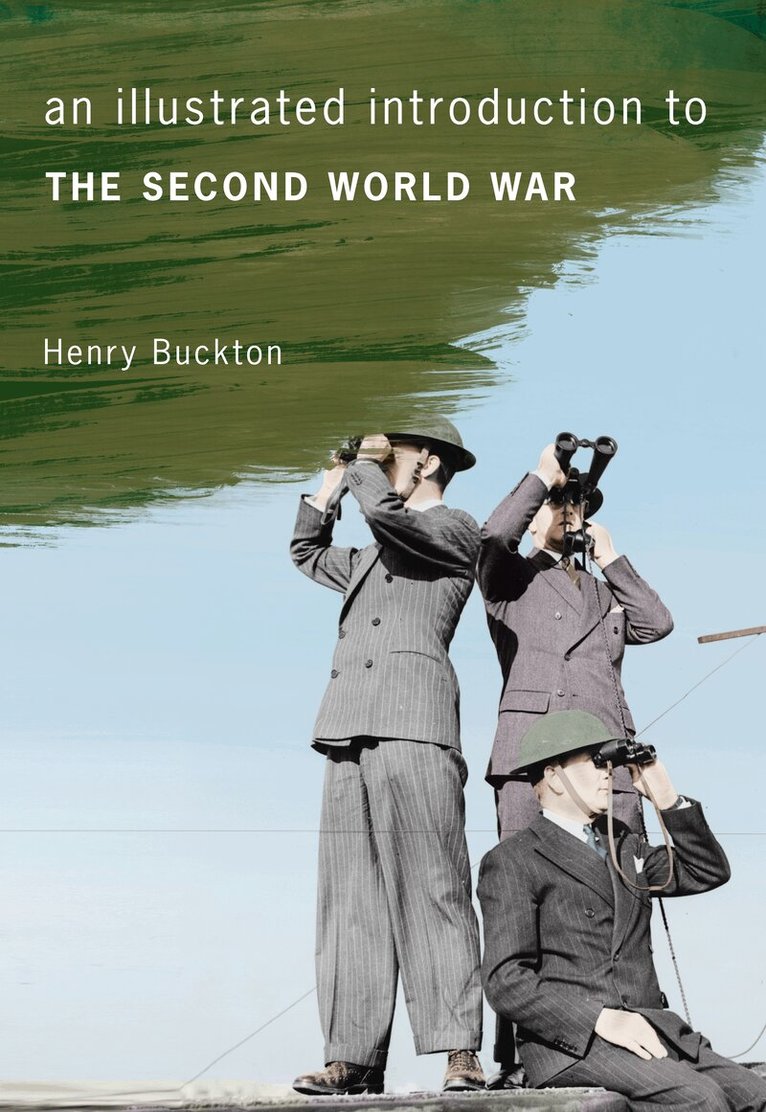
The Second World War is so far the only truly global war that has ever taken place. It involved the vast majority of the world’s nations, with the great powers eventually forming two opposing military alliances: the Allies and the Axis. It was the most widespread war in history, with more than 100 million people from over thirty different countries serving in military units. In this state of ‘total war’, the major participants threw their entire economic, industrial and scientific capabilities behind the war effort, erasing the distinction between civilian and military resources. Marked by mass deaths of civilians, including the Holocaust and the only use of nuclear weapons in warfare, it resulted in an estimated 80 million fatalities. All of this made the Second World War the deadliest conflict in human history.This introduction to the Second World War follows the major events that led up to the war and occurred during it, year by year.
110 kr
Skickas inom 11-20 vardagar
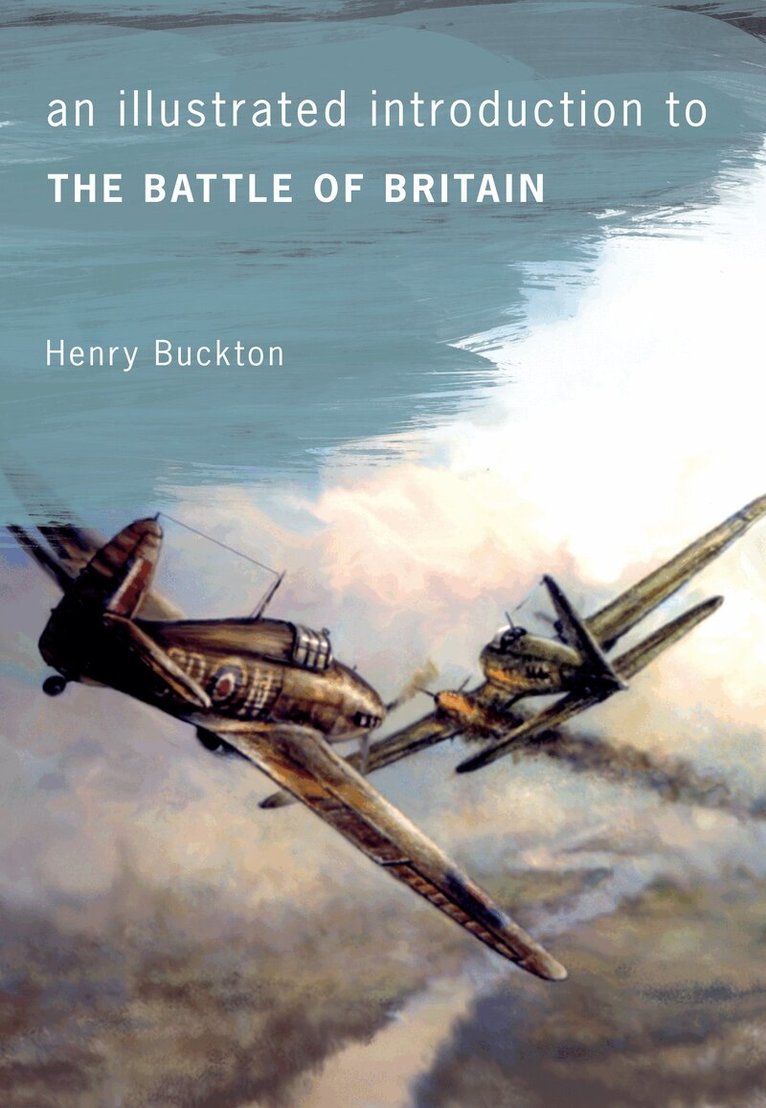
In the summer of 1940, the fate of Britain hung in the balance. In an attempt to invade, Germany was to suffer its first defeat in a desperate struggle that took place in the sky over southern England; that struggle became known as ‘The Battle of Britain’. The battle lasted from 10 July to 31 October, during which time the balance of the war rested on the edge of a knife as Fighter Command and the Luftwaffe fought for supremacy over the very fields of England.In this lavishly illustrated guide, each step of the battle is examined, along with the key players and strategies that saw Britain rise triumphant in this most vital stage of the Second World War.
204 kr
Tillfälligt slut
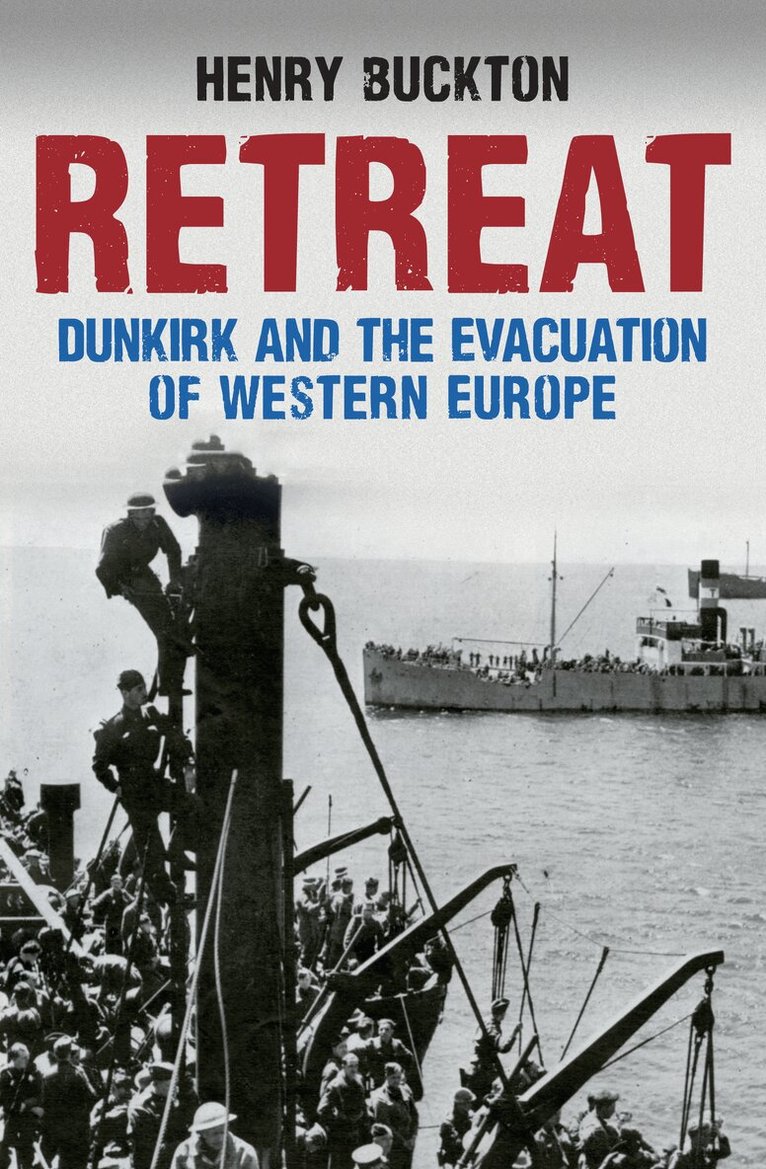
At around 7 p.m. on 26 May 1940, Prime Minister Winston Churchill gave the order for Operation Dynamo, the evacuation of British troops from the harbour and beaches of Dunkirk. The German forces that had attacked through the Netherlands, Belgium and the Ardennes into France on 10 May had rapidly driven to the English Channel, reaching the coast at Noyellessur-Mer on 20 May and trapping the BEF, French forces and the remnants of the Belgian army. BEF commander Lord Gort immediately began to plan for his forces to withdraw towards Dunkirk, the nearest location with good port facilities. Between 27 May and 4 June, ships from the Royal Navy, the Merchant Navy, France, Belgium and the Netherlands as well as the famous Little Ships evacuated almost 340,000 Allied troops from Dunkirk and brought them back to Britain.The Dunkirk evacuation was not the end. In Operation Cycle just over 11,000 Allied troops were evacuated from the port of Le Havre between 10 and 13 June. Later still, in Operation Ariel, another 190,000 troops and between 30,000 and 40,000 civilians would be evacuated from ports along France’s western coast including Brest, Saint-Nazaire and Bordeaux. Henry Buckton examines the rapid German advance, the Dunkirk evacuation, and the evacuations that came after.Henry Buckton has published a large number of books on various historical subjects. His main area of expertise is the Second World War, particularly the Battle of Britain. He serves in the Ministry of Defence Police and Guarding Agency (MDPGA).
911 kr
Skickas inom 10-15 vardagar
Across Britain there are more than 3,000 lost villages once-thriving communities that time and fortune have reduced to ivy-clad remnants and weather-worn ruins. Echoes of a former age, they evoke a natural curiosity as to who lived in them, what caused their decline. Bestselling author Henry Buckton goes in search of some of the Britain's more recent lost villages: Hallsands in Devon, swept away in a violent storm; the communities of Vatersay and Mingulay, in Scotland, victims to the changing fortunes of the local laird; and the picture-perfect village of Imber in Wiltshire, requisitioned for the nation in time of war but never given back. Combining rare photographs and the memories of those who knew the villages, the author provides a timely account of communities whose stories would otherwise soon be lost for ever.
Friendly Invasion
Memories of Operation Bolero, The American Occupation of Britain 1942-1945
Häftad, Engelska, 2006
118 kr
Skickas inom 11-20 vardagar
Between 1942 and 1945, tens of thousands of young American servicemen arrived in Britain. This book is an examination of the way their presence affected them and the local people during the Second World War. It is a social history and studies the various relationships forged between the British public and their American guests.
174 kr
Tillfälligt slut
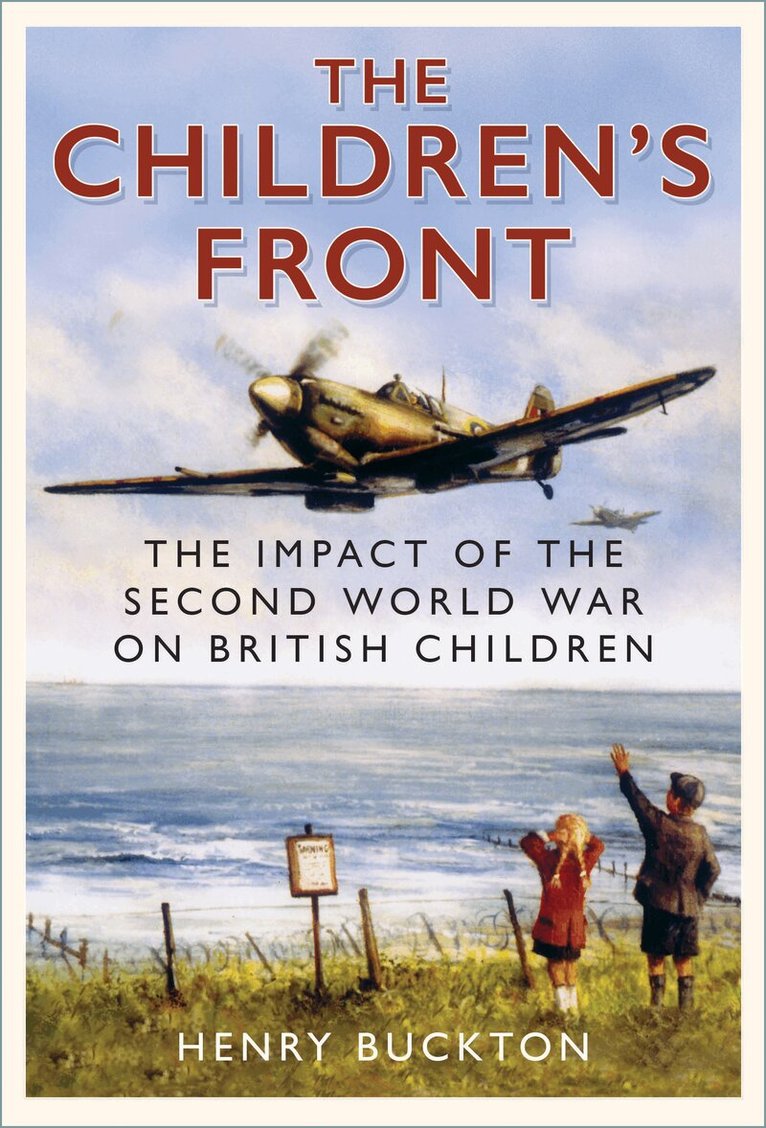
Those who were children during the Second World War spent their formative years amidst a quite extraordinary succession of events that cannot fail to have left a vivid impression. This proposal combines the memories of those who were young at the time with historical research to examine the major factors influencing wartime childhood and development.There are stories by people from many different backgrounds and areas of Britain but all had in common the fact they were children during this unique period. At a time when children were in mortal danger because of daily attacks on British soil, measures taken to protect them included gasmasks, air-raid shelters and the blackout. Schooling was interrupted and the land became an island fortress as military equipment and installations appeared everywhere, both in cities and in small villages. Fathers and other family members were often away from home, serving in the armed forces, but children too could ‘do their bit’ for the war effort. Others recall the experiences of evacuation and their feelings at the time, which extended from a sense of security to fear of abuse.This book looks, too, at the toys that were played with, the games enjoyed, the clubs that could be joined, and the entertainment and information that was on offer. A roller-coaster of emotions ranges from the horror of nightmare attacks on London and other cities to the exuberant relief which accompanied the final victory and the return home of loved ones.