Henry Notaker – författare
Visar alla böcker från författaren Henry Notaker. Handla med fri frakt och snabb leverans.
4 produkter
4 produkter
695 kr
Skickas inom 10-15 vardagar
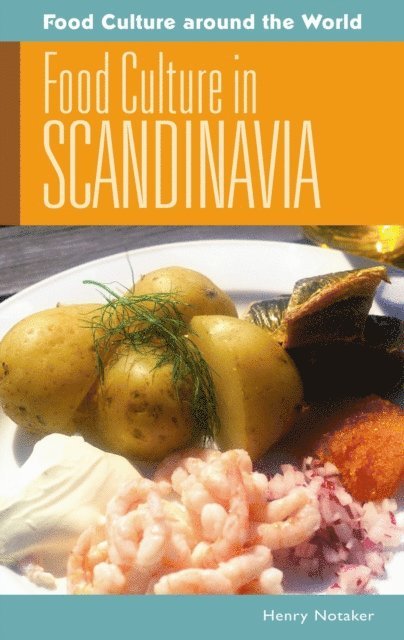
The food cultures of Scandinavian countries are similar in important ways but also have many different traditions because of variations in geography and climate and unique social, cultural and political history. Food Culture in Scandinavia covers Denmark, Norway, Sweden, and Iceland's unique and common foodways, all in the context of significant recent changes. This is the most exhaustive overview available in English with all the latest insight. Students writing country reports and food mavens get the up-to-date scoop from an insider on how Scandinavians eat and live. Readers see how everyday food habits are quickly changing in Scandinavia, mostly in urban areas and among the younger generation. The trends are shown to stem from Scandinavians travelling more, Americanization and globalization, new immigrants bringing their cuisines, classic national and regional products being revitalized, high-end restaurants for the new business elite springing up, and a growing interest in healthful and organic food.The Historical Overview chapter lays the groundwork to understand the evolution from the traditional Scandinavian fare—fish, porridge, bread, milk. A chapter on major foods and ingredients elaborates on these staples and more and updates their use. In the Cooking chapter, the new gender dynamics are discussed in terms of who is shopping and cooking and especially the impact of the supermarket. Typical Meals discusses the mainstays for daily fare and notes the biggest changes in the choices of pizza and fast food for youth. Eating out in Scandinavia is becoming more common, and Chapter 5 highlights the growing options for casual family meals out, business and school lunches, as well as take-out food and more. The Special Occasions chapter illuminates the major events in the calendar, especially the magical Christmas time plus the famous seasonal fests such as Midsummer in Sweden and life-cycle events such as weddings, where innovation is expected. A final chapter on diet and health emphasizes the familiar health concerns related to diets too high in fat and sugar and too low in vegetables and fruit. A timeline, selected bibliography, illustrations, and classic recipes complement the narrative.
Del 64 - California Studies in Food and Culture
History of Cookbooks
From Kitchen to Page over Seven Centuries
Inbunden, Engelska, 2017
333 kr
Skickas inom 7-10 vardagar
A History of Cookbooks provides a sweeping literary and historical overview of the cookbook genre, exploring its development as a part of food culture beginning in the Late Middle Ages. Studying cookbooks from various Western cultures and languages, Henry Notaker traces the transformation of recipes from brief notes with ingredients into detailed recipes with a specific structure, grammar, and vocabulary. In addition, he reveals that cookbooks go far beyond offering recipes: they tell us a great deal about nutrition, morals, manners, history, and menus while often providing entertaining reflections and commentaries. This innovative book demonstrates that cookbooks represent an interesting and important branch of nonfiction literature.
Del 64 - California Studies in Food and Culture
History of Cookbooks
From Kitchen to Page over Seven Centuries
Häftad, Engelska, 2022
227 kr
Skickas inom 7-10 vardagar
A History of Cookbooks provides a sweeping literary and historical overview of the cookbook genre, exploring its development as a part of food culture beginning in the Late Middle Ages. Studying cookbooks from various Western cultures and languages, Henry Notaker traces the transformation of recipes from brief notes with ingredients into detailed recipes with a specific structure, grammar, and vocabulary. In addition, he reveals that cookbooks go far beyond offering recipes: they tell us a great deal about nutrition, morals, manners, history, and menus while often providing entertaining reflections and commentaries. This innovative book demonstrates that cookbooks represent an interesting and important branch of nonfiction literature.
732 kr
Skickas inom 7-10 vardagar
Norwegian cuisine, deeply intertwined with the country's dramatic landscape and long winters, reflects Norway's rich history and culture. Part of the Global Kitchen series, this book takes readers on a food tour of Norway, covering everything from daily staples to holiday specialties. In addition to discovering Norway’s long culinary history, readers will learn about recent trends, foreign influences, and contemporary food and dietary concerns. Chapters are organized thematically, making it easy to focus in on particular courses or types of dishes. These include influential ingredients, appetizers, main dishes, desserts, and street food, among others. The main text is supplemented by sidebars that offer interesting bite-sized facts, a chronology of important dates in Norwegian culinary history, and a glossary of key food- and dining-related terms.Norwegian cuisine, influenced by the country's climate, has historically relied on the preservation of food, leading to a strong emphasis on cured, dried, and pickled ingredients. Rooted in the readily available resources of the land and sea, traditional Norwegian food features game meats like reindeer and elk, freshwater and saltwater fish such as salmon, cod, and herring, and simple preparations that highlight the quality of these ingredients. Dishes often incorporate potatoes, dark rye bread, root vegetables, and dairy products like sour cream and cheese. Norwegian foodways are characterized by practicality and resourcefulness, with home-cooked meals being central to family life. While modern Norwegian cuisine has embraced global influences, traditional dishes remain important, often enjoyed during festive occasions and reflecting a deep connection to nature and the changing seasons.