Herbert A. Johnson – författare
Visar alla böcker från författaren Herbert A. Johnson. Handla med fri frakt och snabb leverans.
13 produkter
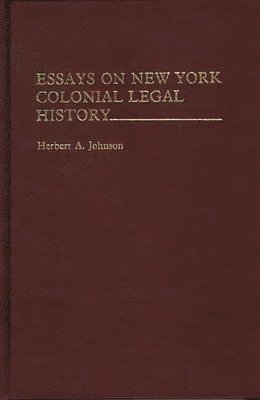
Essays on New York Colonial Legal History.
Inbunden, 1981
981 kr
Lägg i varukorg
A comprehensive survey of civil law and practice in colonial New York.
History of the Supreme Court of the United States
Av George Lee Haskins, Herbert A. Johnson m. fl.
Inbunden, 2009
2712 kr
Lägg i varukorg
Foundations of Power: John Marshall, 1801-1815 is the second volume of the Oliver Wendell Holmes Devise History of the Supreme Court of the United States. The volume covers the beginnings of the Supreme Court under Chief Justice John Marshall and surveys the first fourteen years of John Marshall's …
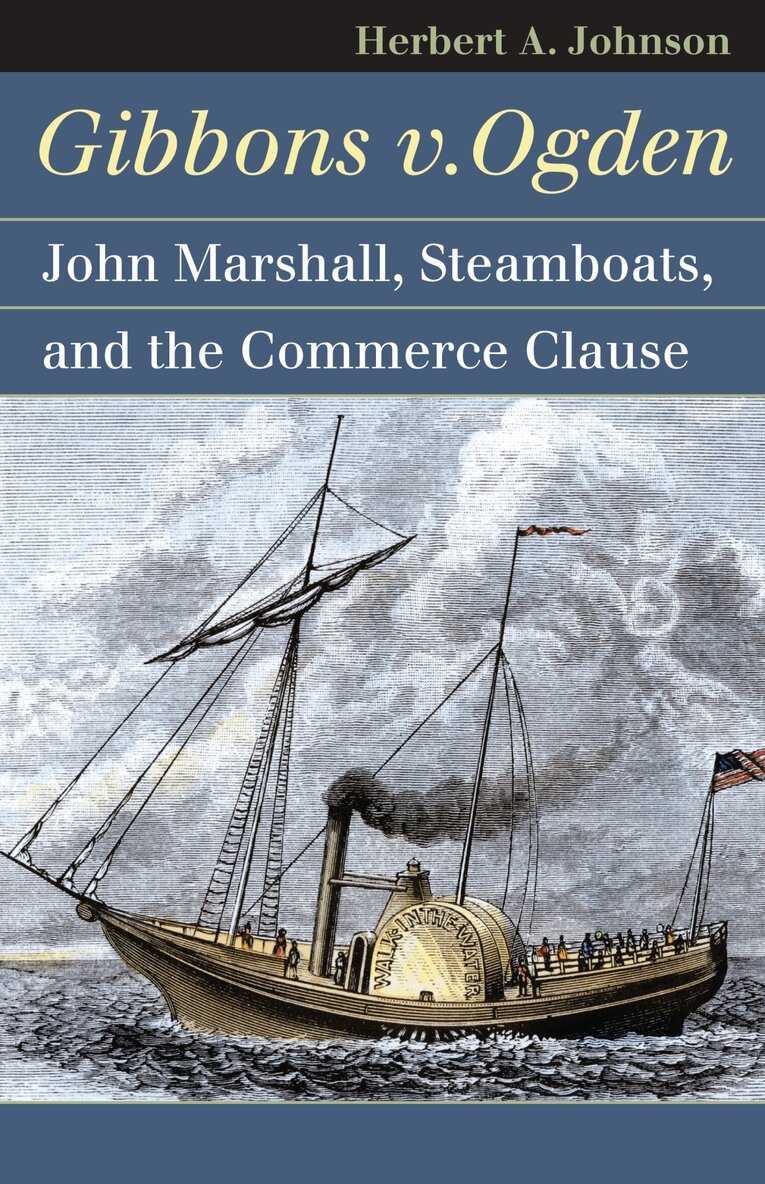
Gibbons V. Ogden
John Marshall, Steamboats and the Commerce Clause
Inbunden, 2010
924 kr
Lägg i varukorg
What began as a standoff between competing steamship entrepreneurs ended as one of the Supreme Court's most significant cases. Gibbons v. Ogden in 1824 brought into sharp relief the ongoing tug-of-war for power between individual states and the federal government. By applying the Commerce Clause of …
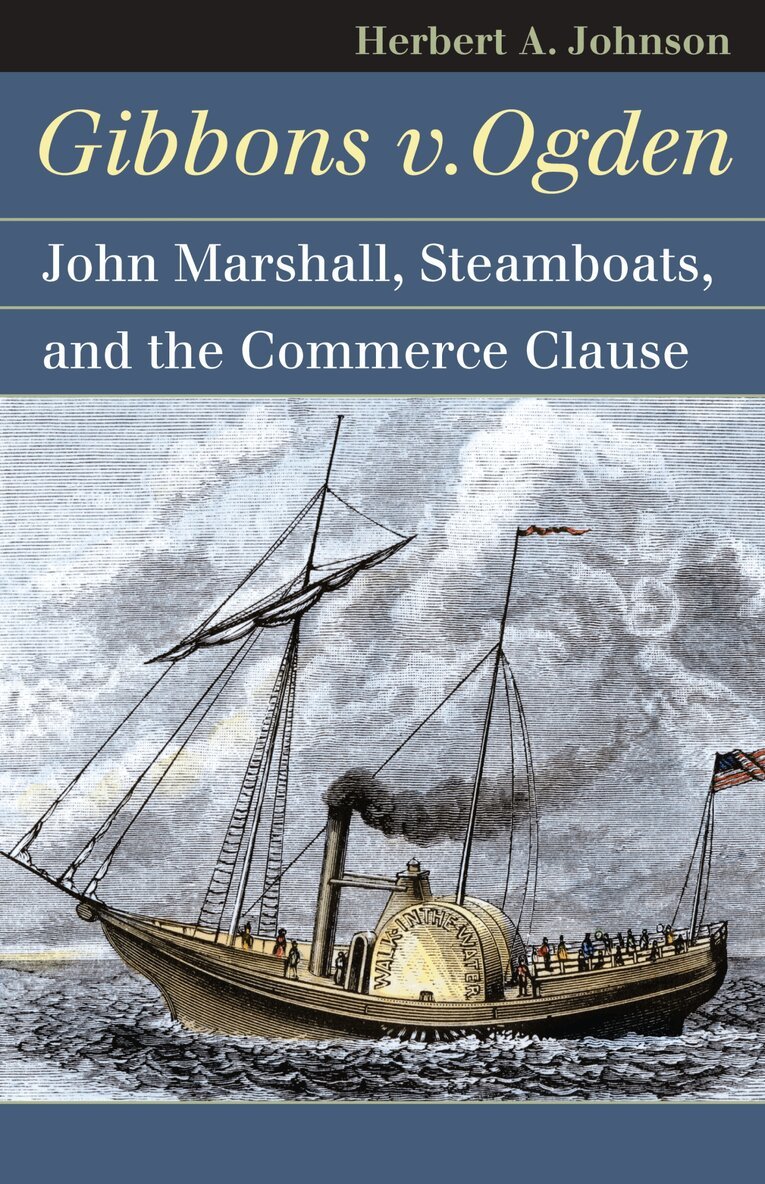
Gibbons V. Ogden
John Marshall, Steamboats and the Commerce Clause
Häftad, 2010
305 kr
Lägg i varukorg
What began as a standoff between competing steamship entrepreneurs ended as one of the Supreme Court's most significant cases. Gibbons v. Ogden in 1824 brought into sharp relief the ongoing tug-of-war for power between individual states and the federal government. By applying the Commerce Clause of …
Gibbons v. Ogden
John Marshall, Steamboats, and the Commerce Clause
E-bok, 2024
402 kr
Lägg i varukorg
What began as a standoff between competing steamship entrepreneurs ended as one of the Supreme Court’s most significant cases. Gibbons v. Ogden in 1824 brought into sharp relief the ongoing tug-of-war for power between individual states and the federal government. By applying the Commerce Clause of …
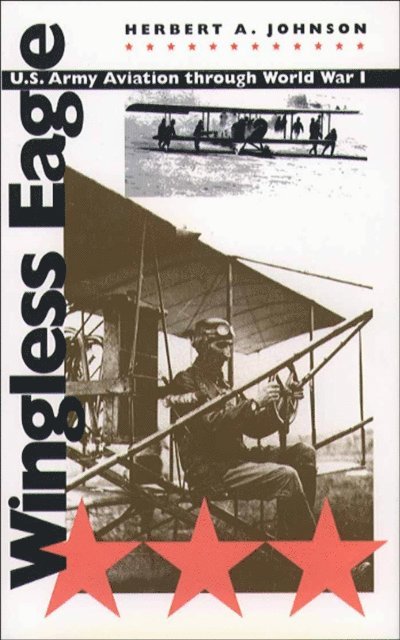
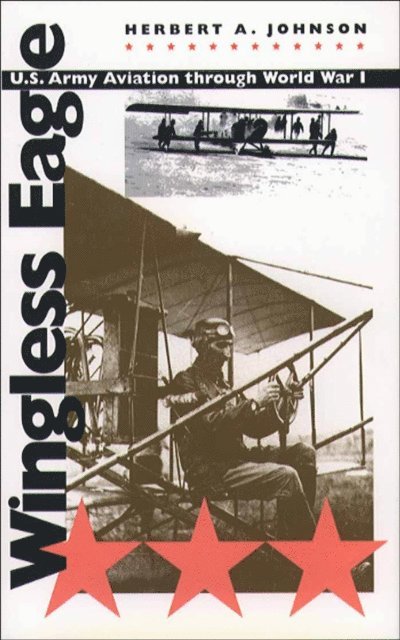
Wingless Eagle
U.S. Army Aviation through World War I
E-bok, 2003
520 kr
Lägg i varukorg
At the start of the twentieth century the United States led the world in advances in aviation, with the first successful engine-powered flights at Kitty Hawk, North Carolina, and Dayton, Ohio, beginning in 1903. Fifteen years later, however, American airmen flew European-designed aircraft because …
Wingless Eagle
U.S. Army Aviation Through World War I
Häftad, 2014
518 kr
Lägg i varukorg
At the start of the twentieth century the United States led the world in advances in aviation, with the first successful engine-powered flights at Kitty Hawk, North Carolina, and Dayton, Ohio, beginning in 1903. Fifteen years later, however, American airmen flew European-designed aircraft because …
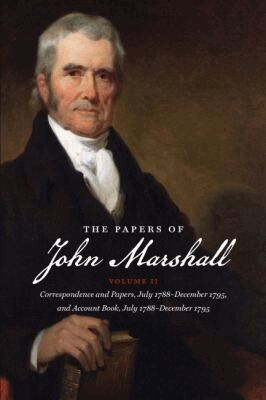
Papers of John Marshall: Volume II
Correspondence and Papers, July 1788-December 1795, and Account Book, July 1788-December 1795
Av Charles T. Cullen, Herbert A. Johnson
Häftad, 2015
906 kr
Lägg i varukorg
Collected here are correspondence, papers, and legal documents - including selected judicial opinions - of American jurist John Marshall. Revolutionary officer, congressman, and secretary of state before his appointment to the Supreme Court, Marshall served as the Court's fourth Chief Justice. In …
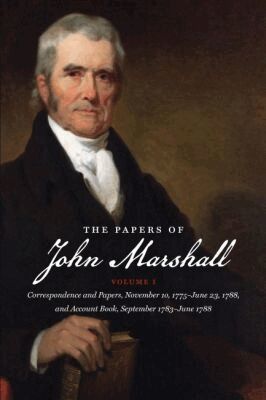
Papers of John Marshall: Volume I
Correspondence and Papers, November 10, 1775-June 23, 1788, and Account Book, September 1783-June 1788
Av Herbert A. Johnson, Charles T. Cullen m. fl.
Häftad, 2015
906 kr
Lägg i varukorg
Collected here are correspondence, papers, and legal documents - including selected judicial opinions - of American jurist John Marshall. Revolutionary officer, congressman, and secretary of state before his appointment to the Supreme Court, Marshall served as the Court's fourth Chief Justice. In …
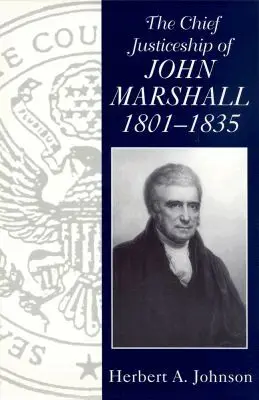
Chief Justiceship of John Marshall, 1801-35
Häftad, 1998
314 kr
Lägg i varukorg
A portrait of the US Supreme Court's activities and accomplishments under the Chief Justiceship of John Marshall. The Marshall Court established the supremacy of the federal government in areas of national concern and shaped the structure of federalism in the US before the Civil War.
Wingless Eagle
U.S. Army Aviation through World War I
E-bok, 2003
520 kr
Lägg i varukorg
At the start of the twentieth century the United States led the world in advances in aviation, with the first successful engine-powered flights at Kitty Hawk, North Carolina, and Dayton, Ohio, beginning in 1903. Fifteen years later, however, American airmen flew European-designed aircraft because …
American Legal and Constitutional History
Case and Materials
Inbunden, 2001
1775 kr
Tillfälligt slut
Recent questions and interpretations of the U.S. Constitution have left many Americans wondering over the history and basic values of this monumentally important document. Herbert A. Johnson provides the historical background of the constitution to help shed light on the important concepts of …