Hilary A. Smith – författare
Visar alla böcker från författaren Hilary A. Smith. Handla med fri frakt och snabb leverans.
3 produkter
3 produkter
705 kr
Kommande
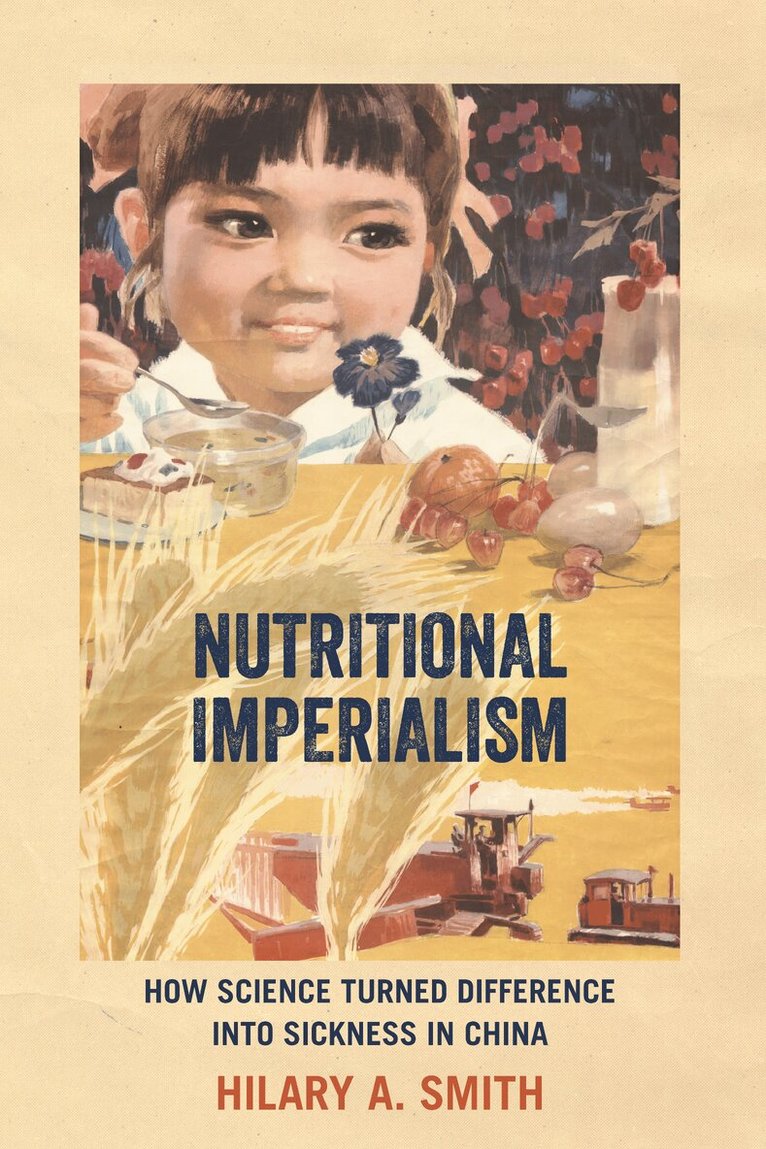
How Western nutrition science defined difference as disease in modern China.For more than a century, Western observers have treated Chinese foodways as evidence of deficiency, danger, or backwardness. In Nutritional Imperialism, Hilary A. Smith shows how these assumptions entered the heart of modern nutrition science and reshaped understandings of health, diet, and difference. Nutrition scientists, physicians, and policymakers presented Western dietary patterns as universal benchmarks of health and transformed ordinary physiological variation into signs of pathology. Beginning in the late nineteenth century, Western researchers compared Chinese diets to Euro-American norms and framed rice-based, low-dairy, and low-meat eating patterns as evidence of weakness. Over time, these judgments hardened into scientific claims about vitamin deficiency, protein insufficiency, lactose intolerance, and alcohol metabolism—each treated as a disorder requiring intervention. The book follows these ideas from the early twentieth century to the early twenty-first, showing how Chinese scientists and officials both adopted and contested nutritional standards shaped elsewhere. Through detailed historical cases, Nutritional Imperialism calls for closer scrutiny of how science defines normalcy. The book offers a powerful reminder that expertise is never neutral—and that nutritional standards carry political consequences long after their origins are forgotten.
1 147 kr
Skickas inom 7-10 vardagar
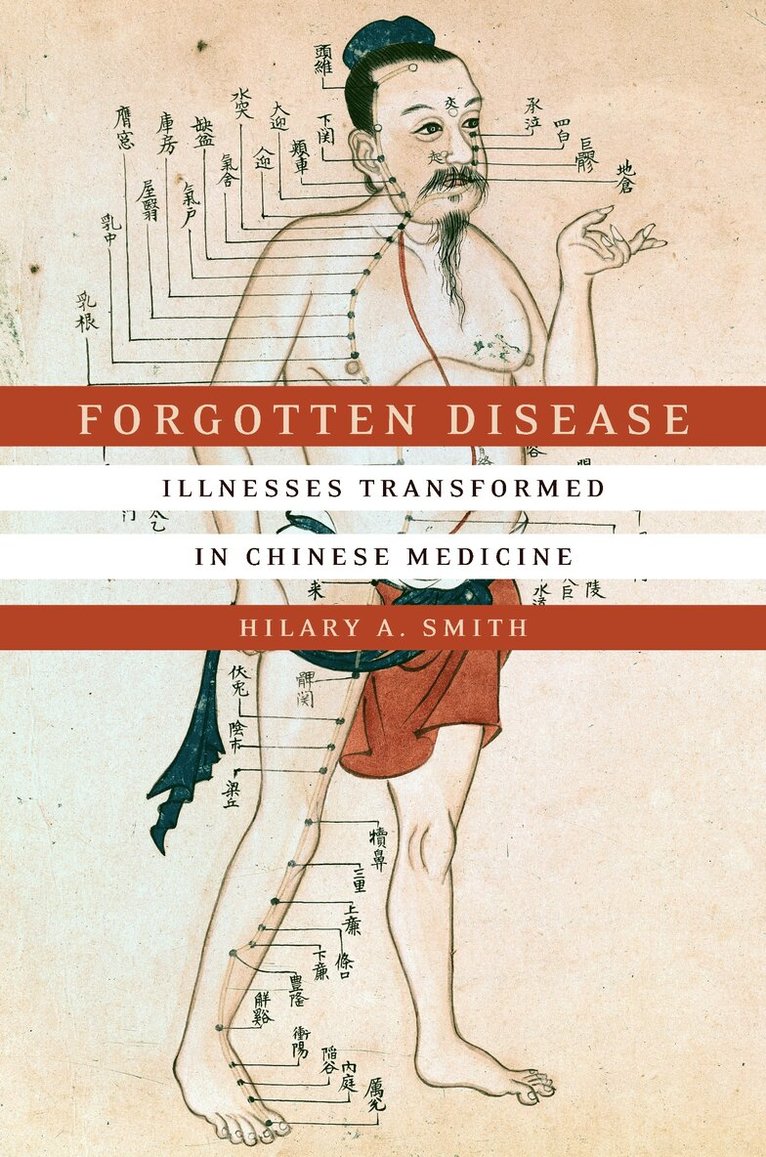
Around the turn of the twentieth century, disorders that Chinese physicians had been writing about for over a millennium acquired new identities in Western medicine—sudden turmoil became cholera; flowers of heaven became smallpox; and foot qi became beriberi. Historians have tended to present these new identities as revelations, overlooking evidence that challenges Western ideas about these conditions. In Forgotten Disease, Hilary A. Smith argues that, by privileging nineteenth century sources, we misrepresent what traditional Chinese doctors were seeing and doing, therefore unfairly viewing their medicine as inferior. Drawing on a wide array of sources, ranging from early Chinese classics to modern scientific research, Smith traces the history of one representative case, foot qi, from the fourth century to the present day. She examines the shifting meanings of disease over time, showing that each transformation reflects the social, political, intellectual, and economic environment. The breathtaking scope of this story offers insights into the world of early Chinese doctors and how their ideas about health, illness, and the body were developing far before the advent of modern medicine. Smith highlights the fact that modern conceptions of these ancient diseases create the impression that the West saved the Chinese from age-old afflictions, when the reality is that many prominent diseases in China were actually brought over as a result of imperialism. She invites the reader to reimagine a history of Chinese medicine that celebrates its complexity and nuance, rather than uncritically disdaining this dynamic form of healing.
279 kr
Skickas inom 7-10 vardagar
Around the turn of the twentieth century, disorders that Chinese physicians had been writing about for over a millennium acquired new identities in Western medicine—sudden turmoil became cholera; flowers of heaven became smallpox; and foot qi became beriberi. Historians have tended to present these new identities as revelations, overlooking evidence that challenges Western ideas about these conditions. In Forgotten Disease, Hilary A. Smith argues that, by privileging nineteenth century sources, we misrepresent what traditional Chinese doctors were seeing and doing, therefore unfairly viewing their medicine as inferior. Drawing on a wide array of sources, ranging from early Chinese classics to modern scientific research, Smith traces the history of one representative case, foot qi, from the fourth century to the present day. She examines the shifting meanings of disease over time, showing that each transformation reflects the social, political, intellectual, and economic environment. The breathtaking scope of this story offers insights into the world of early Chinese doctors and how their ideas about health, illness, and the body were developing far before the advent of modern medicine. Smith highlights the fact that modern conceptions of these ancient diseases create the impression that the West saved the Chinese from age-old afflictions, when the reality is that many prominent diseases in China were actually brought over as a result of imperialism. She invites the reader to reimagine a history of Chinese medicine that celebrates its complexity and nuance, rather than uncritically disdaining this dynamic form of healing.