• Fri frakt över 249 kr
  • •
  • Snabba leveranser
  • •
  • Billiga böcker
Kundservice

Du är på sajten för privatpersoner.

Företag, bibliotek eller offentlig verksamhet?

Du handlar på classic.bokus.com, där alla dina funktioner finns intakta.
Till classic.bokus.com
Bokus logotyp. Gå till startsidan.
  • Erbjudanden
  • Nyheter
  • Student
  • Topplistor
  • Barn & ungdom
  • Bokus Play
  • E-böcker
  • Pocketböcker
  • Spel & pussel

10% rabatt på allt med kod: NYSTART10 →

Sidfot

Mina sidor

    Hjälp

    • Kundservice
    • Vanliga frågor och svar
    • Frakt och leverans
    • Retur vid ångerrätt
    • Reklamera vara
    • Betalning
    • Köpvillkor
    • Allmänna villkor
    • Information om webbplatsens tillgänglighet

    Om Bokus

    • Om oss
    • Pressrum
    • För studenter
    • För företag
    • För bibliotek och offentlig verksamhet
    • För leverantörer
    • Hållbarhet

    Populärt

    • Aktuella erbjudanden
    • Presentkort
    • Studentlitteratur
    • Nya böcker
    • Topplistor
    • Signerade böcker
    • Engelska böcker

    Inspiration

    • Boktips
    • BookTok
    • Populära bokserier
    • Barnbokskaraktärer
    • Populära författare
    Logotyp för Bokus
    Följ oss på Facebook (extern länk)Följ oss på Instagram (extern länk)Följ oss på YouTube (extern länk)Följ oss på TikTok (extern länk)
    bokus @ CookiesAnpassa cookiesIntegritetspolicyKöpvillkor
    Till Citymail hemsida (extern länk)Till Budbee hemsida (extern länk)Till Postnord hemsida (extern länk)Till Schenker hemsida (extern länk)Till Early Bird hemsida (extern länk)Till Walleys hemsida (extern länk)
    1. Medicin
    2. Medicin: allmänt
    3. Medicinhistoria

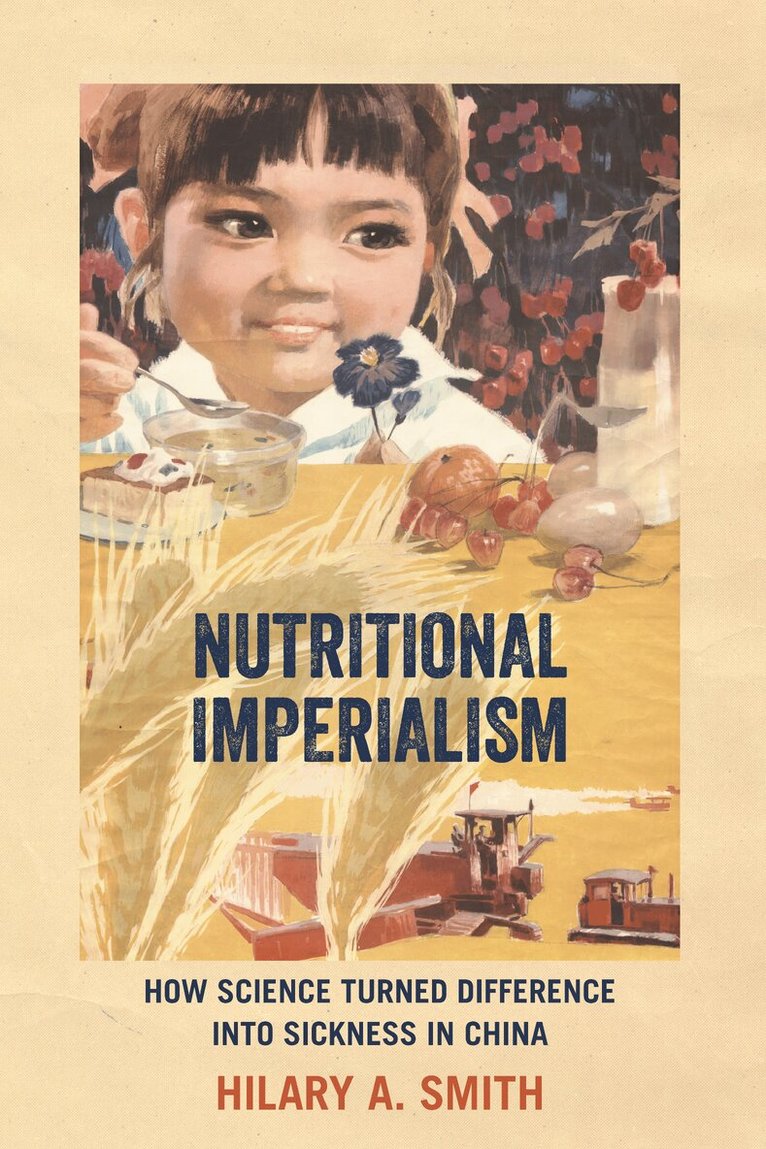
    Nutritional Imperialism

    How Science Turned Difference into Sickness in China

    AvHilary A. Smith

    Häftad, Engelska, 2026

    Del i serien Repast: Studies in the History of Nutrition

    718 kr

    Kommande

    Beskrivning

    How Western nutrition science defined difference as disease in modern China.For more than a century, Western observers have treated Chinese foodways as evidence of deficiency, danger, or backwardness. In Nutritional Imperialism, Hilary A. Smith shows how these assumptions entered the heart of modern nutrition science and reshaped understandings of health, diet, and difference. Nutrition scientists, physicians, and policymakers presented Western dietary patterns as universal benchmarks of health and transformed ordinary physiological variation into signs of pathology. Beginning in the late nineteenth century, Western researchers compared Chinese diets to Euro-American norms and framed rice-based, low-dairy, and low-meat eating patterns as evidence of weakness. Over time, these judgments hardened into scientific claims about vitamin deficiency, protein insufficiency, lactose intolerance, and alcohol metabolism—each treated as a disorder requiring intervention. The book follows these ideas from the early twentieth century to the early twenty-first, showing how Chinese scientists and officials both adopted and contested nutritional standards shaped elsewhere. Through detailed historical cases, Nutritional Imperialism calls for closer scrutiny of how science defines normalcy. The book offers a powerful reminder that expertise is never neutral—and that nutritional standards carry political consequences long after their origins are forgotten.

    Produktinformation

    • Utgivningsdatum:2026-10-06
    • Mått:152 x 229 x 15 mm
    • Vikt:363 g
    • Format:Häftad
    • Språk:Engelska
    • Serie:Repast: Studies in the History of Nutrition
    • Antal sidor:240
    • Förlag:Johns Hopkins University Press
    • ISBN:9781421455259

    Utforska kategorier

    • Medicinhistoria inom Medicin
    • Asiens historia inom Historia och arkeologi
    • Naturvetenskapens historia inom Naturvetenskap och teknik

    Mer om författaren

    Hilary A. Smith is a professor of history at the University of Denver. She is the author of Forgotten Disease: Illnesses Transformed in Chinese Medicine.

    Innehållsförteckning

    • ContentsList of FiguresList of TablesA Note on ConventionsAcknowledgmentsIntroduction1. The Standard Man and the Chinese Normal: Comparing Basal Metabolism2. The Deficient Staple: "Rice Eaters" and the Discovery of Vitamins3. The Wrong Kind of Protein: Vegetarianism and National Weakness4. The White Milk Burden: The Invention of Lactose Intolerance5. Temperance as Sickness: Alcohol Intolerance and "Asian Flush"ConclusionSuggested Further ReadingNotesIndex