Repast: Studies in the History of Nutrition – serie
Visar alla böcker i serien Repast: Studies in the History of Nutrition. Handla med fri frakt och snabb leverans.
3 produkter
3 produkter
713 kr
Skickas inom 7-10 vardagar
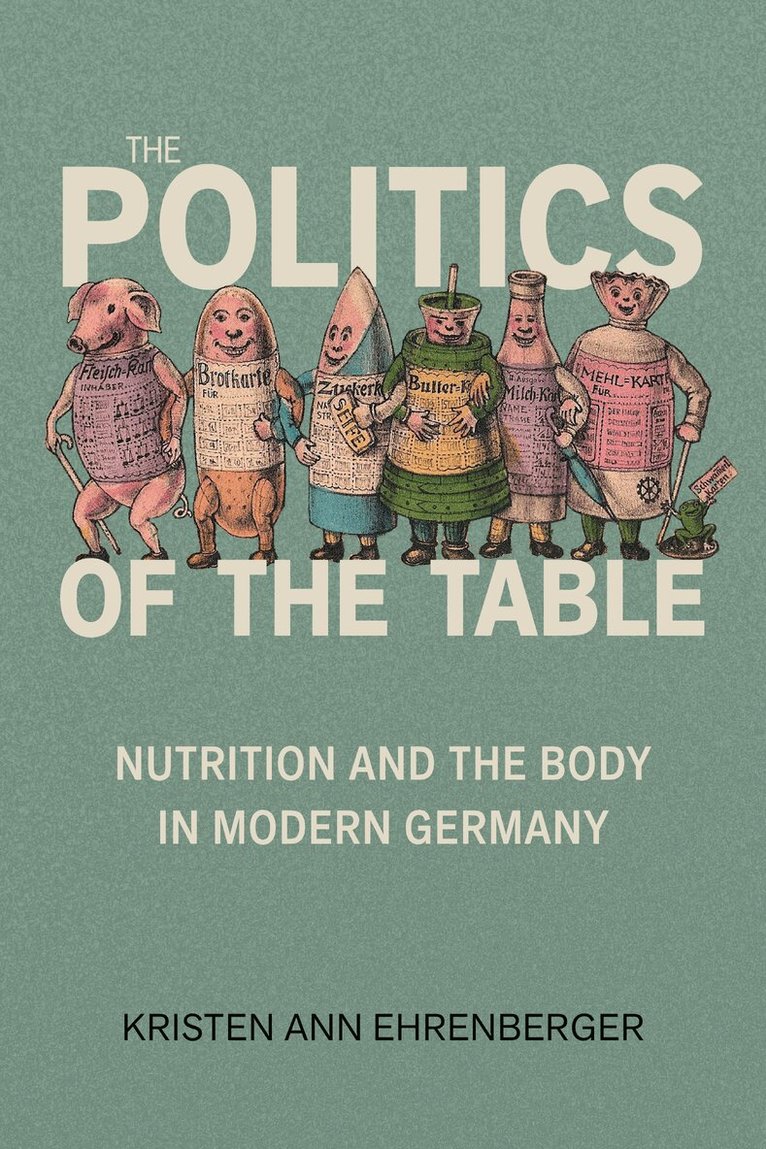
How nutrition and the body became matters of national importance in modern Germany.What does it mean to eat well, and why should it matter to the nation? In The Politics of the Table, historian Kristen Ann Ehrenberger uncovers how food became a matter of political concern in modern Germany, tracing the evolution of nutritional science from the laboratory bench to the family dinner table between 1890 and 1935. This compelling study reveals how everyday meals became sites of public policy, scientific authority, and cultural identity. Germans were encouraged to see their bodies not only as private entities but also as integral parts of a larger social organism in matters ranging from calories and vitamins to ration cards and state-sponsored hygiene exhibitions. Ehrenberger introduces the concept of the "scalar body" to explain how individuals were imagined as connected to one another through the acts of eating, drinking, and digesting. Using a wide array of sources including cookbooks, popular magazines, medical texts, trade journals, and government archives, the book charts how nutrition was promoted as a means to build healthier citizens and a stronger nation. Whether in kitchens or clinics, during wartime shortages or peacetime reforms, food was imbued with moral, medical, and economic significance. The dining table emerged as a focal point where gender roles, social expectations, and state interests converged. The Politics of the Table illuminates the intimate links between bodily health and national politics in an era of profound social transformation. It challenges readers to reconsider how private habits like eating have long been shaped by public values, and how the politics of food and nutrition continue to resonate today.
705 kr
Kommande
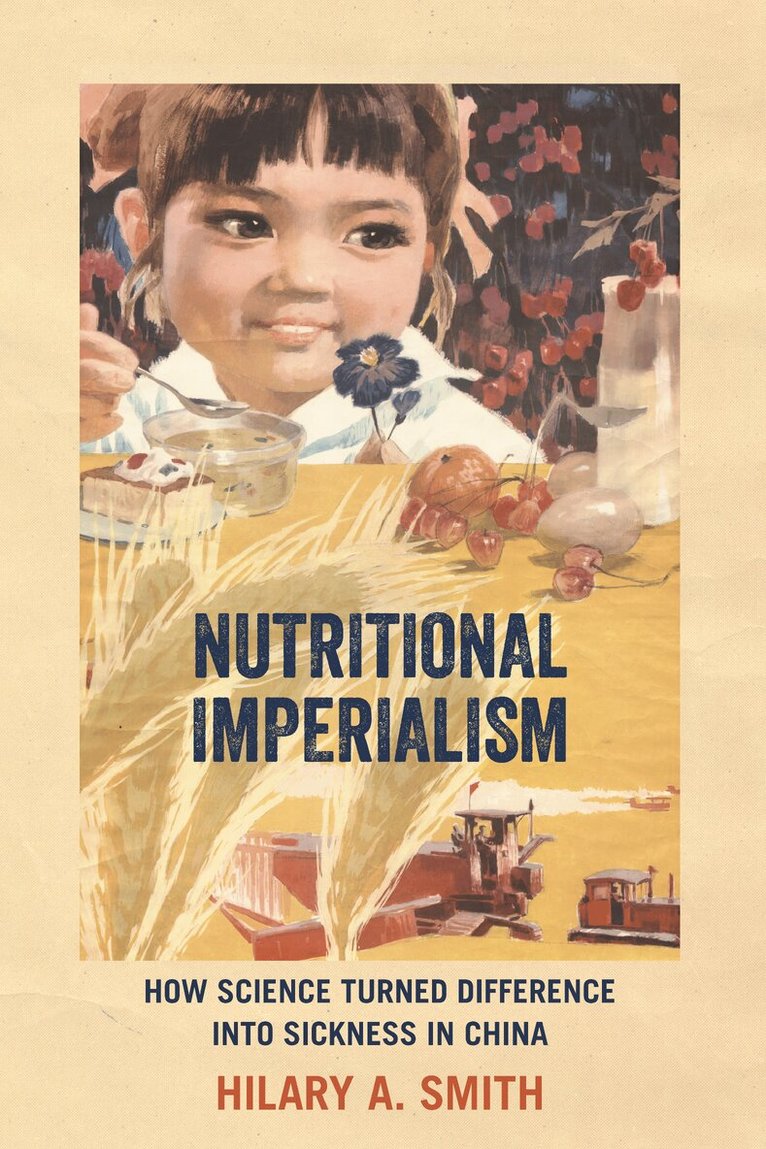
How Western nutrition science defined difference as disease in modern China.For more than a century, Western observers have treated Chinese foodways as evidence of deficiency, danger, or backwardness. In Nutritional Imperialism, Hilary A. Smith shows how these assumptions entered the heart of modern nutrition science and reshaped understandings of health, diet, and difference. Nutrition scientists, physicians, and policymakers presented Western dietary patterns as universal benchmarks of health and transformed ordinary physiological variation into signs of pathology. Beginning in the late nineteenth century, Western researchers compared Chinese diets to Euro-American norms and framed rice-based, low-dairy, and low-meat eating patterns as evidence of weakness. Over time, these judgments hardened into scientific claims about vitamin deficiency, protein insufficiency, lactose intolerance, and alcohol metabolism—each treated as a disorder requiring intervention. The book follows these ideas from the early twentieth century to the early twenty-first, showing how Chinese scientists and officials both adopted and contested nutritional standards shaped elsewhere. Through detailed historical cases, Nutritional Imperialism calls for closer scrutiny of how science defines normalcy. The book offers a powerful reminder that expertise is never neutral—and that nutritional standards carry political consequences long after their origins are forgotten.
Fortified Bodies
Nutrition for National Defense in World War II and the Cold War
Häftad, Engelska, 2026
705 kr
Kommande
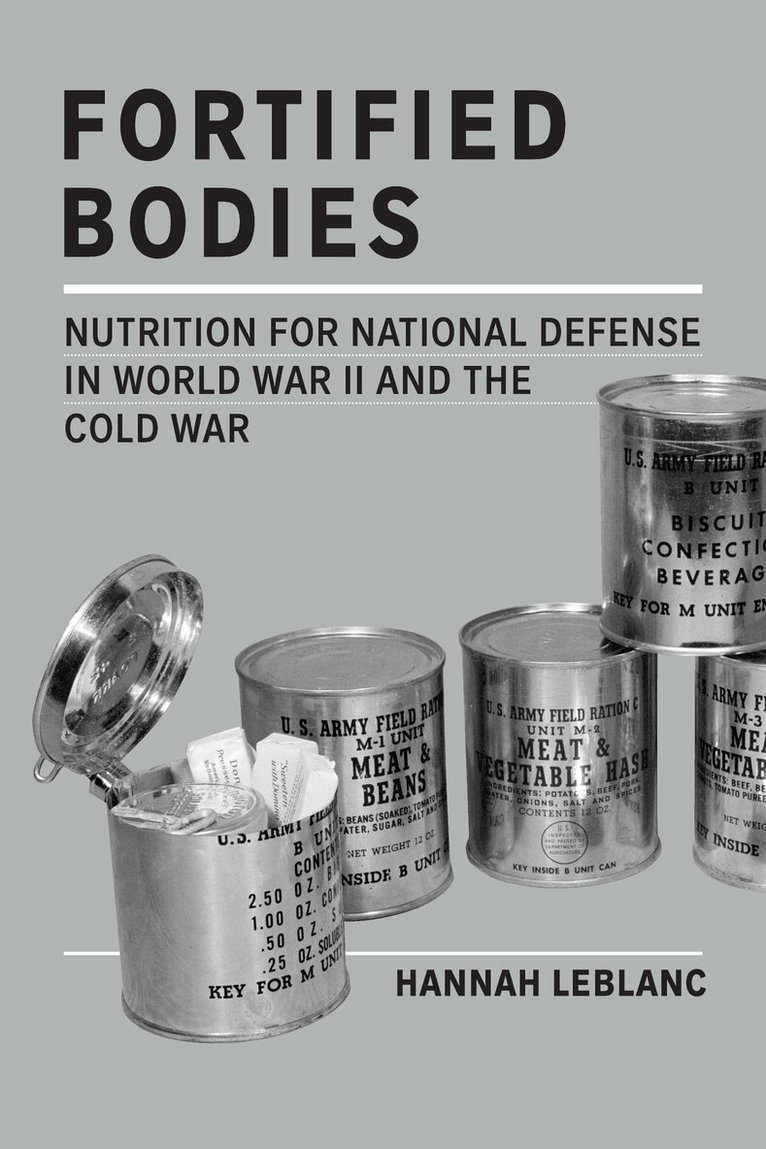
Nutrition science, national power, and the politics of feeding the world.In the twentieth century, nutrition became a matter not only of health, but of national security, economic development, and global governance. In Fortified Bodies, Hannah F. LeBlanc traces how nutrition science moved from laboratories and kitchens into military planning rooms, international agencies, and Cold War development campaigns. Beginning with the nutrition crisis of World War II, LeBlanc shows how concerns about bodily fitness and food scarcity reshaped understandings of citizenship and national strength. Wartime mobilization cast proper nutrition as essential to defense and linked dietary standards to military preparedness and industrial productivity. In the decades that followed, experts increasingly framed protein intake and dietary adequacy as measures of the "quality" of populations, fusing scientific claims with racialized and developmental hierarchies. The book examines efforts to solve global and domestic hunger through technical interventions, large-scale surveys, and international nutrition programs. These initiatives circulated knowledge across borders while reinforcing new forms of authority grounded in quantification and expertise. LeBlanc interrogates the legacy of this "damage-centered" nutrition research, revealing how efforts to measure deficiency often defined communities through pathology rather than structural inequality.Drawing on archival research and the records of international nutrition surveys, Fortified Bodies situates modern debates about hunger and food policy within a longer history of scientific ambition, geopolitical competition, and uneven care. The result is a deeply researched account of how bodies became sites of measurement, intervention, and political meaning in the modern world.