Hiroshi Kitamura - Böcker
Visar alla böcker från författaren Hiroshi Kitamura. Handla med fri frakt och snabb leverans.
4 produkter
4 produkter
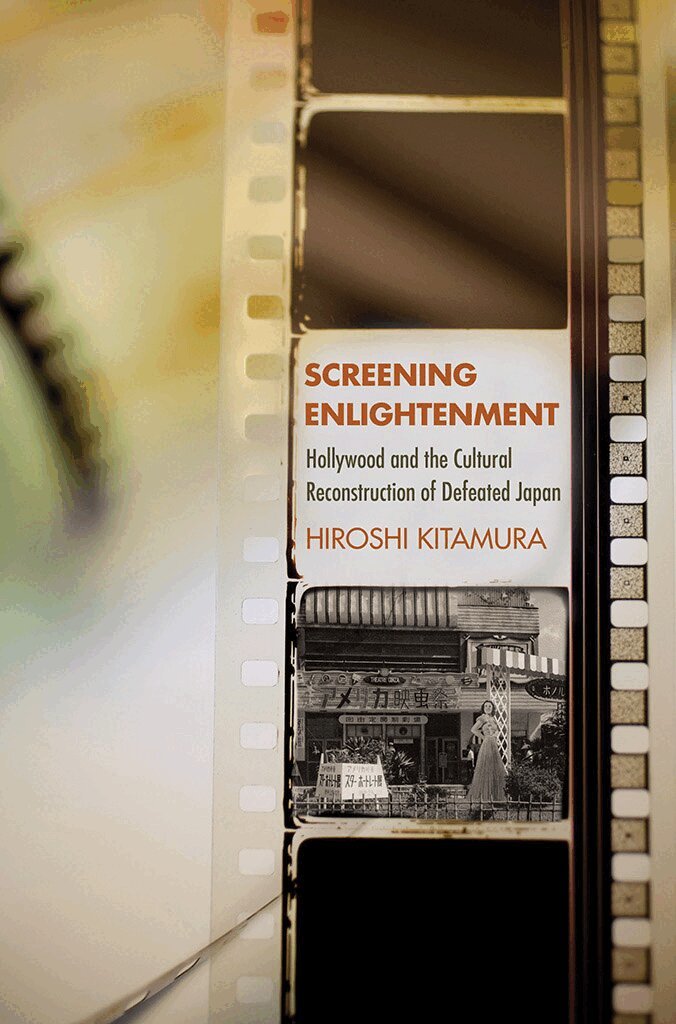
Screening Enlightenment
Hollywood and the Cultural Reconstruction of Defeated Japan
Inbunden, Engelska, 2010
478 kr
Skickas inom 10-15 vardagar
During the six-and-a-half-year occupation of Japan (1945–1952), U.S. film studios—in close coordination with Douglas MacArthur's Supreme Command for the Allied Powers—launched an ambitious campaign to extend their power and influence in a historically rich but challenging film market. In this far-reaching "enlightenment campaign," Hollywood studios disseminated more than six hundred films to theaters, earned significant profits, and showcased the American way of life as a political, social, and cultural model for the war-shattered Japanese population. In Screening Enlightenment, Hiroshi Kitamura shows how this expansive attempt at cultural globalization helped transform Japan into one of Hollywood's key markets. He also demonstrates the prominent role American cinema played in the "reeducation" and "reorientation" of the Japanese on behalf of the U.S. government.According to Kitamura, Hollywood achieved widespread results by turning to the support of U.S. government and military authorities, which offered privileged deals to American movies while rigorously controlling Japanese and other cinematic products. The presentation of American ideas and values as an emblem of culture, democracy, and sophistication also allowed the U.S. film industry to expand. However, the studios' efforts would not have been nearly as extensive without the Japanese intermediaries and consumers who interestingly served as the program's best publicists. Drawing on a wide range of sources, from studio memos and official documents of the occupation to publicity materials and Japanese fan magazines, Kitamura shows how many Japanese supported Hollywood and became active agents of Americanization. A truly interdisciplinary book that combines U.S. diplomatic and cultural history, film and media studies, and modern Japanese history, Screening Enlightenment offers new insights into the origins of this unique political and cultural transpacific relationship.
Unpredictable Agents
The Making of Japan's Americanists During the Cold War and Beyond
Häftad, Engelska, 2022
294 kr
Skickas inom 7-10 vardagar
In Unpredictable Agents, twelve Japanese scholars of American studies tell their stories of how they encountered "America" and came to dedicate their careers to studying it. People in postwar Japan have experienced "America" in a number of ways—through literature, material goods, popular culture, foodways, GIs, missionaries, art, political figures, celebrities, and business. As the Japanese public wrestled with a complex mixture of admiration and confusion, yearning and repulsion, closeness and alienation toward the US, Japanese scholars specializing in American studies have become interlocutors in helping their compatriots understand the country. In scholarly literature, these intellectuals are often understood as complicit agents in US Cold War liberalism. By focusing on the human dimensions of the intellectuals’ lives and careers, Unpredictable Agents resists such a deterministic account of complicity while recognizing the relationship between power and knowledge and the historical and structural conditions in which these scholars and their work emerged. How did these scholars encounter "America" in the first place, and what exactly constitutes the "America" they have experienced? How did they come to be Americanists, and what does being Americanists mean for them? In short, what are the actual experiences of Japan’s Americanists, and what are their relationships to "America"? Reflecting both the interlocked web of politics, economics, and academics, as well as the evolving contours of Japan’s Americanists, the essays highlight the diverse paths through which these individuals have come to be "Americanists" and the complex meanings that identity carries for them. The stories reveal the obvious yet often neglected fact that Japanese scholars neither come from the same backgrounds nor occupy similar identities solely because of their shared ethnicity and citizenship. The authors were born in the period ranging from the 1940s to the 1980s in different parts of Japan—from Hokkaido to Okinawa—and raised in diverse familial and cultural environments, which shaped their identities as "Japanese" and their encounters with "America" in quite different ways. Together, the essays illustrate the complex positionalities, fluid identities, ambivalent embrace, and unpredictable agency of Japan’s Americanists who continue to chart their own course in and across the Pacific.
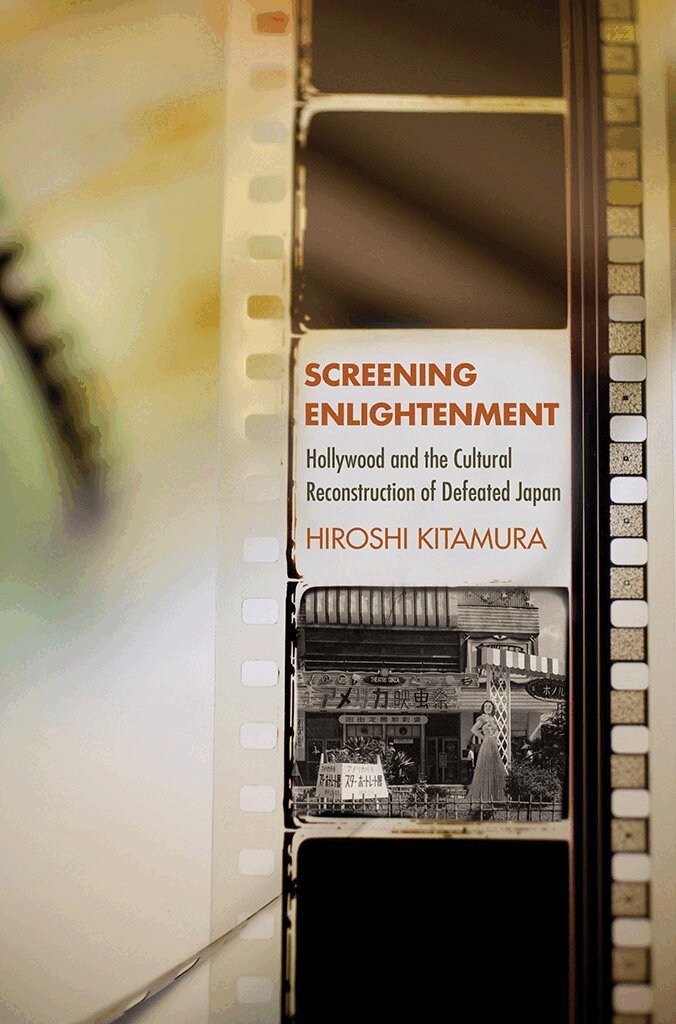
Screening Enlightenment
Hollywood and the Cultural Reconstruction of Defeated Japan
Häftad, Engelska, 2017
305 kr
Skickas inom 10-15 vardagar
During the six-and-a-half-year occupation of Japan (1945–1952), U.S. film studios—in close coordination with Douglas MacArthur's Supreme Command for the Allied Powers—launched an ambitious campaign to extend their power and influence in a historically rich but challenging film market. In this far-reaching "enlightenment campaign," Hollywood studios disseminated more than six hundred films to theaters, earned significant profits, and showcased the American way of life as a political, social, and cultural model for the war-shattered Japanese population. In Screening Enlightenment, Hiroshi Kitamura shows how this expansive attempt at cultural globalization helped transform Japan into one of Hollywood's key markets. He also demonstrates the prominent role American cinema played in the "reeducation" and "reorientation" of the Japanese on behalf of the U.S. government.According to Kitamura, Hollywood achieved widespread results by turning to the support of U.S. government and military authorities, which offered privileged deals to American movies while rigorously controlling Japanese and other cinematic products. The presentation of American ideas and values as an emblem of culture, democracy, and sophistication also allowed the U.S. film industry to expand. However, the studios' efforts would not have been nearly as extensive without the Japanese intermediaries and consumers who interestingly served as the program's best publicists. Drawing on a wide range of sources, from studio memos and official documents of the occupation to publicity materials and Japanese fan magazines, Kitamura shows how many Japanese supported Hollywood and became active agents of Americanization. A truly interdisciplinary book that combines U.S. diplomatic and cultural history, film and media studies, and modern Japanese history, Screening Enlightenment offers new insights into the origins of this unique political and cultural transpacific relationship.
Screening Enlightenment
Hollywood and the Cultural Reconstruction of Defeated Japan
Inbunden, Ryska, 2024
345 kr
Skickas inom 5-8 vardagar
Во время оккупации Японии (1945-1952), продлившейся шесть с половиной лет, американские киностудии при тесном сотрудничестве со Штабом Верховного главнокомандующего союзными войсками Дугласа Макартура проводили амбициозную кампанию по усилению своего влияния на исторически богатом и непростом рынке киноиндустрии. В период этой масштабной «просветительской кампании» голливудские киностудии распространили среди кинотеатров более 600 фильмов, заработали изрядную прибыль и преподнесли японцам американский образ жизни как политический, социальный и культурный пример для подражания в разрушенной войной стране. В книге «Просветительская роль экрана» Хироси Китамура показывает, как серьезная работа по культурной глобализации помогла превратить Японию в один из ключевых рынков для Голливуда. Автор также демонстрирует ту выдающуюся роль, которую американское кино сыграло в «перевоспитании» и «переориентации» японцев в интересах правительства США.Китамура считает, что Голливуд добился значительных результатов за счет поддержки правительства и военных Соединенных Штатов, которые предоставляли американским фильмам льготные условия, и в то же время строго контролировали кинематографическую продукцию Японии и других стран. Представление американских идей и ценностей как символа культуры, демократии и развития также позволило киноиндустрии США укрепить свое положение. Тем не менее, деятельность киностудий не была бы столь успешной без японских посредников и потребителей, которые, что примечательно, выступили в качестве лучших агентов по продвижению кампании. На основании обширного ряда источников, от служебных записок киностудий и официальных документов времен оккупации до рекламных материалов и японских журналов для любителей кино, Китамура показывает, как много японцев благоволили Голливуду и становились активными сторонниками американизации. Эта по-настоящему междисциплинарная книга, включающая в себя историю американской дипломатии и культуры, исследование кино и медиа, а также современную историю Японии, предлагает новый взгляд на истоки уникальных политических и культурных отношений двух тихоокеанских стран.