Hlonipha Mokoena - Böcker
Visar alla böcker från författaren Hlonipha Mokoena. Handla med fri frakt och snabb leverans.
5 produkter
5 produkter
374 kr
Skickas inom 7-10 vardagar
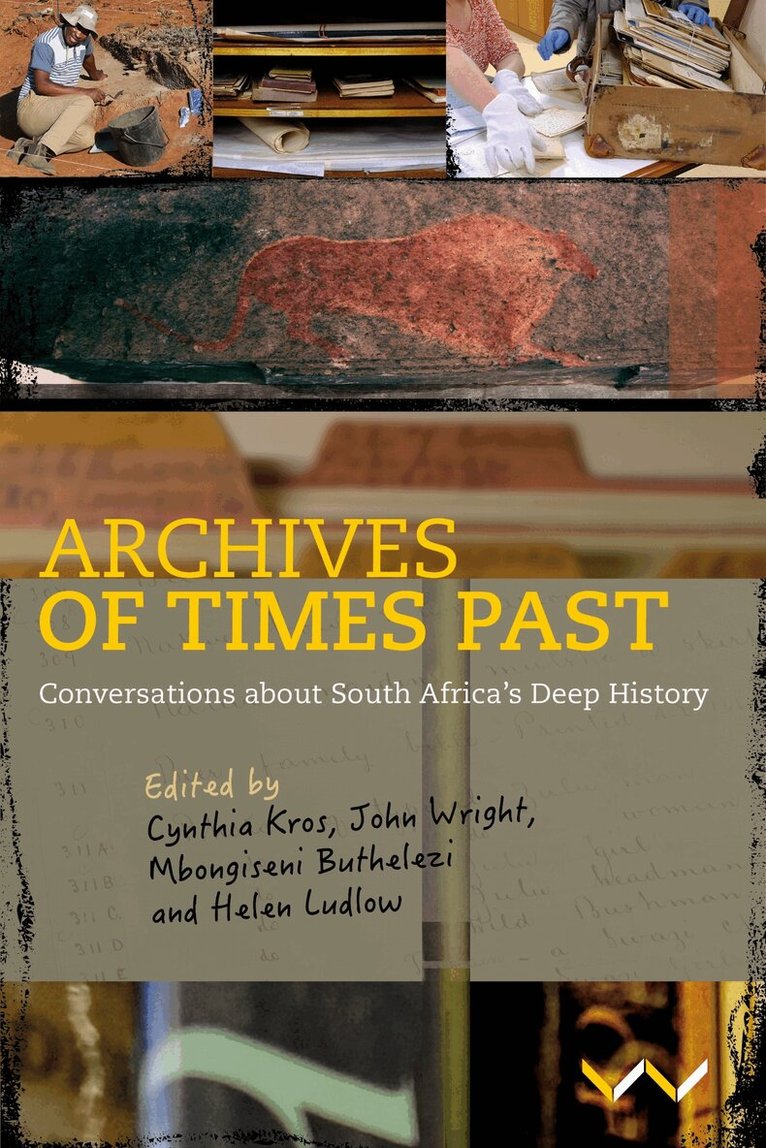
This volume critically examines sources of evidence and material from the archive that historically have been used to tell southern Africa's pre-colonial story.
1 323 kr
Skickas inom 5-8 vardagar
This volume critically examines sources of evidence and material from the archive that historically have been used to tell southern Africa's pre-colonial story.
Nightwatchman
Essays on Portraiture and the Black Male Figure in Colonial South Africa
Häftad, Engelska, 2025
370 kr
Skickas
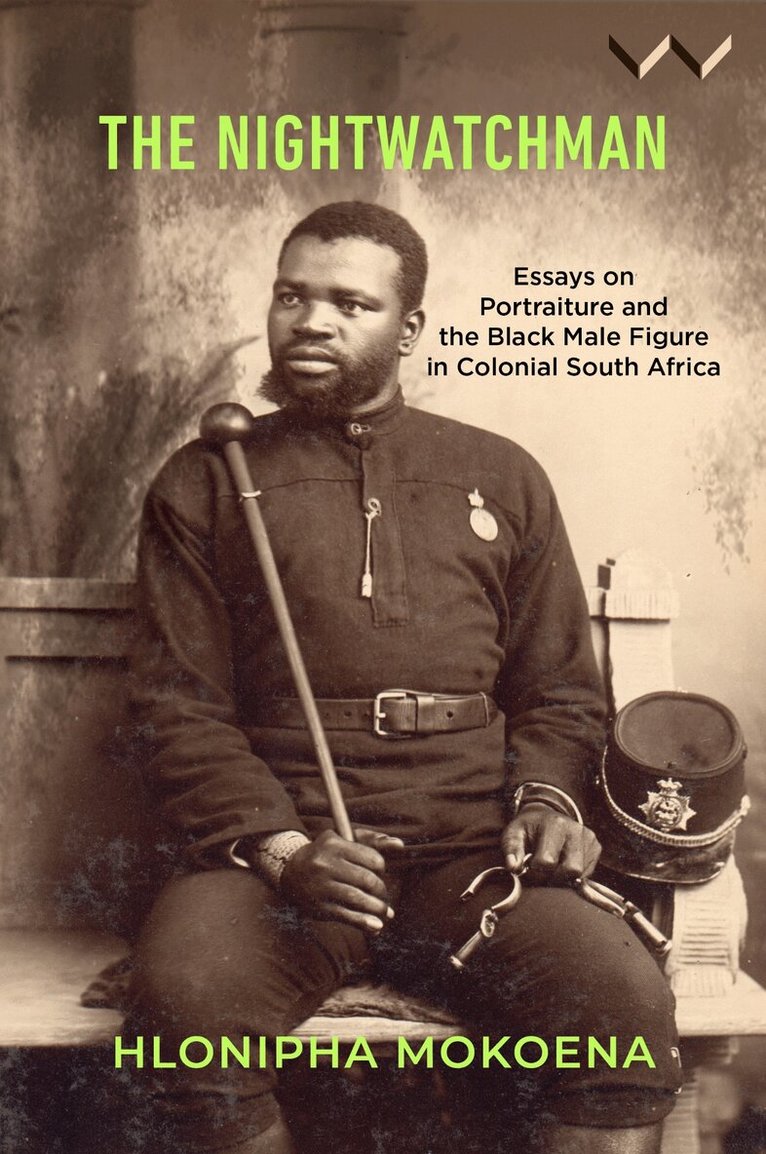
The Nightwatchman: Essays on Portraiture and the Black Male Figure in Colonial South Africa brings into focus the African policeman as a subject of portraiture. While colonial governments co-opted and conscripted Africans into military and policing services, it was after the Zulu defeat of the English in the battle of Isandlwana that a genre of photography developed around images of the 'Zulu warrior' and 'Zulu policeman'. In this illustrated book, Hlonipha Mokoena extends the literature on colonial ethnographic photography by creating a narrative of nightwatchman portraiture from the rich archive of images. Although the origins of this genre lay in the representation of 'Fingoes' (amaMfengu) during the frontier wars, she argues that an ethnological spectacle of the Zulu male body was inaugurated after the last Zulu king, Cetshwayo, was photographed as a posing subject. While much research has focussed on the African man employed in emasculating labour or as a functionary of settler power, this book shifts debates about how the body moves in history. Placed in uniform, the male subject becomes aestheticised and admired. Mokoena focuses less on the idiosyncrasies of the uniform than on the sartorial selection processes and co-optation of colonial aesthetic culture that constructed the idea of the Nonqgqayi or nightwatchman as a fully formed photographic presence. The beauty captured in these images upends conceptions of colonial photography as a tool of oppression. In its focus on the figure of the black and brown fighting man, The Nightwatchman offers an innovative work on the history of portraiture and dress in colonial South Africa. Incorporating insights from African history, art history, anthropology and critical theory, it offers new insights about the use of men of colour in colonial warfare and new avenues for the interpretation of visual representations of the black male figure
Nightwatchman
Essays on Portraiture and the Black Male Figure in Colonial South Africa
Inbunden, Engelska, 2025
971 kr
Skickas inom 7-10 vardagar
Drawing on a rich archive of colonial photography, Mokoena explores how images of African policemen and nightwatchmen in colonial South Africa challenged traditional narratives of oppression, revealing how uniform and portraiture transformed the black male figure into an aesthetic subject worthy of admiration.This illustrated collection of essays brings into focus African men in colonial uniforms as a subject of portraiture. It extends the literature on colonial ethnographic photography by creating a narrative of nightwatchman portraiture from the rich archive of images. While a genre of photography developed around images of the 'Zulu warrior' after the defeat of the English at Isandlwana, Hlonipha Mokoena argues that the spectacle of the Zulu male body was inaugurated after the last Zulu king, Cetshwayo, was photographed as a posing subject. Much research has focussed on the African man as a functionary of settler power; these essays shift debates about how the body moves in history. Placed in uniform, the male subject becomes aestheticised and admired. Mokoena focuses on the sartorial selection processes and co-optation of colonial aesthetic culture that constructed the idea of the Nonqgqayi or nightwatchman as a fully formed photographic presence. The beauty captured in these images upends conceptions of colonial photography as a tool of oppression. In its focus on the figure of the black and brown fighting man, The Nightwatchman offers an innovative work on the history of portraiture in colonial South Africa and new avenues for the interpretation of visual representations of the black male figure.
374 kr
Skickas inom 7-10 vardagar
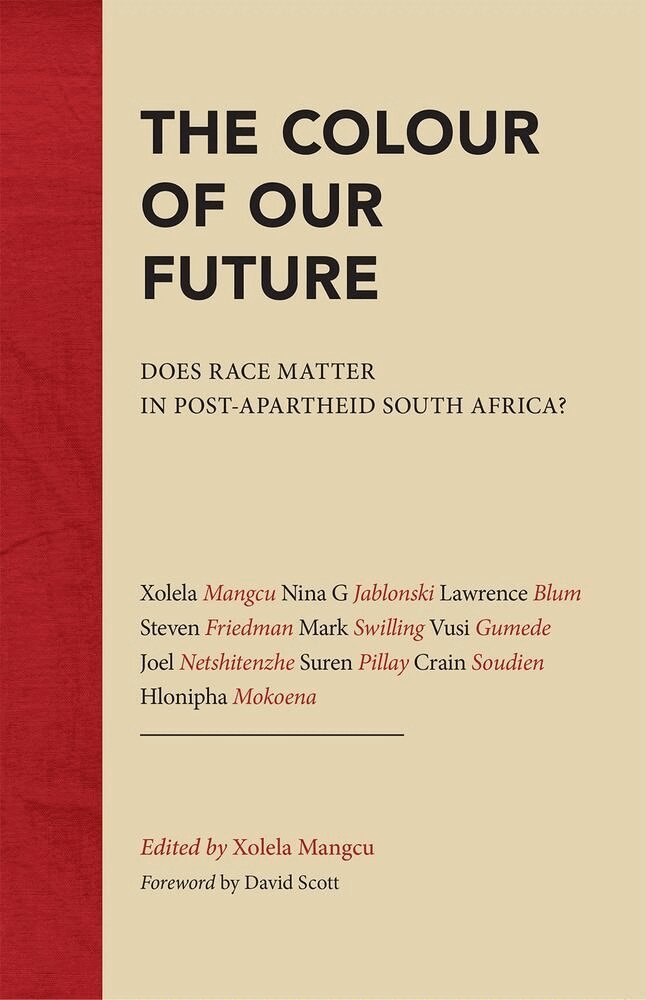
South Africa is ready for a new vocabulary than can form the basis for a national consciousness which recognises racialised identities while affirming that, as human beings, we are much more than our racial, sexual, class, religious or national identities.The Colour of Our Future makes a bold and ambitious contribution to the discourse on race. It addresses the tension between the promise of a post-racial society and the persistence of racialised identities in South Africa, which has historically played itself out in debates between the 'I don't see race' of non-racialism and the 'I'm proud to be black' of black consciousness. The chapters in this volume highlight the need for a race-transcendent vision that moves beyond 'the festival of negatives' embodied in concepts such as non-racialism, non-sexism, anti-colonialism and anti-apartheid. Steve Biko's notion of a 'joint culture' is the scaffold on which this vision rests; it recognises that a race-transcendent society can only be built by acknowledging the constituent elements of South Africa's EuroAfricanAsian heritage.The distinguished authors in this volume have, over the past two decades, used the democratic space to insert into the public domain new conversations around the intersections of race and the economy, race and the state, race and the environment, race and ethnic difference, and race and higher education. Presented here is some of their most trenchant and yet still evolving thinking.