Hoda Elsadda – författare
Visar alla böcker från författaren Hoda Elsadda. Handla med fri frakt och snabb leverans.
6 produkter
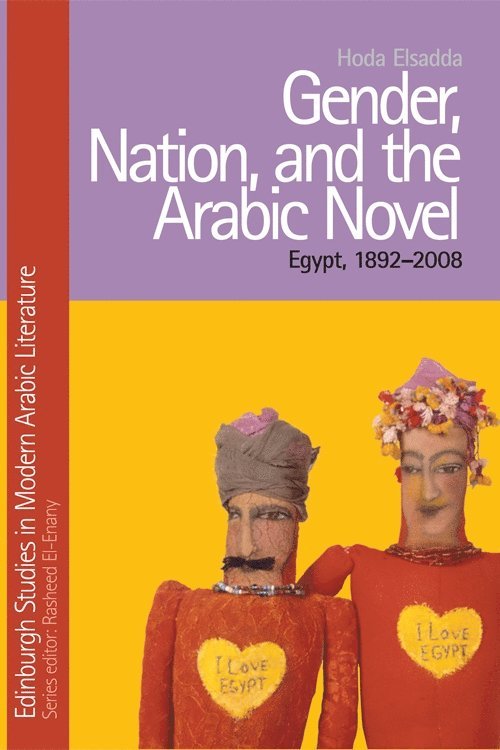
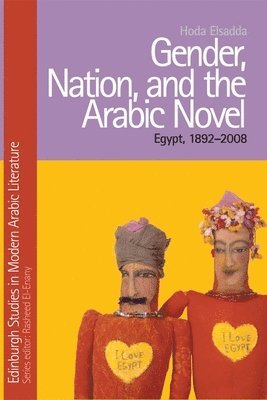
Gender, Nation, and the Arabic Novel
Egypt, 1892-2008
Av Hoda Elsadda
Inbunden, 2012
1759 kr
Lägg i varukorg
Gender studies in Arabic literature has become equated with women's writing, leaving aside the possibility of a radical rethinking of the Arabic literary canon and Arab cultural history. While the 'woman question' in the Arabic novel has received considerable attention, the 'male question' has gone …
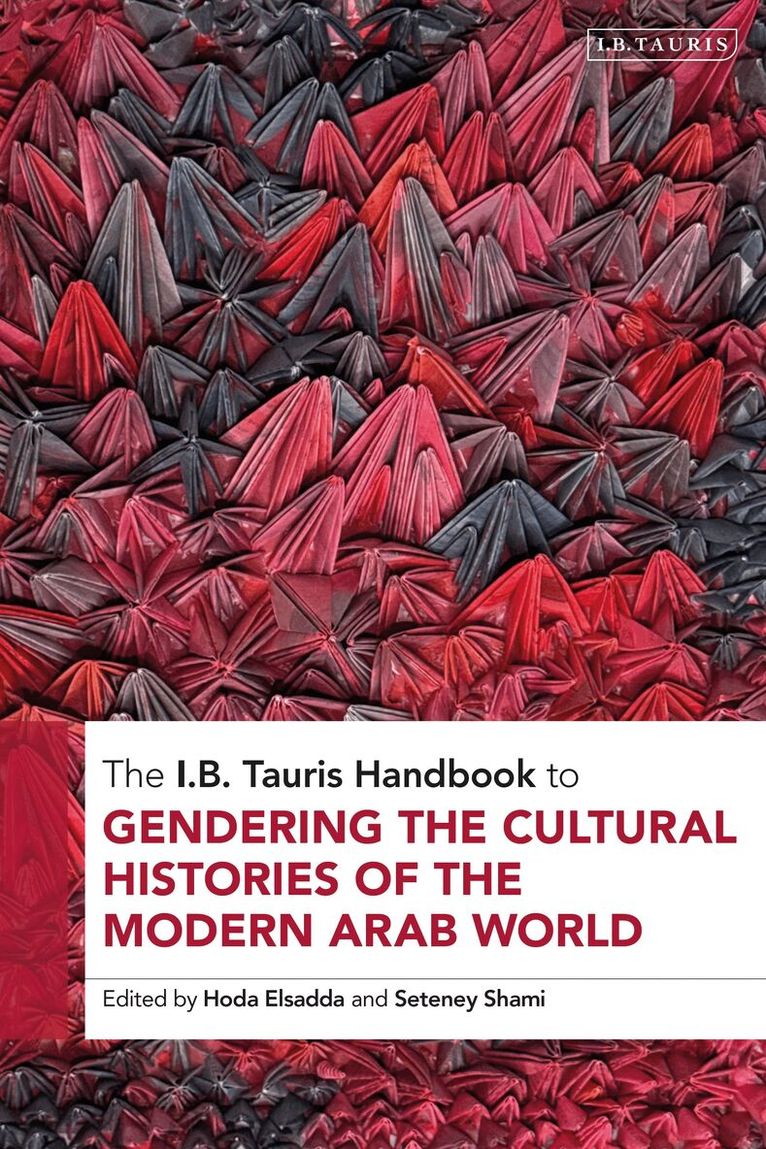
I.B. Tauris Handbook to Gendering the Cultural Histories of the Modern Arab World
Av Hoda Elsadda, Seteney Shami
Inbunden, 2026
2120 kr
Lägg i varukorg
In the last 20 years, feminist scholars have radicalised the historiography of the Arab world. Using gendered theorisations, they have rejected the mainstream histories that prioritise ‘official’ narratives, and they have highlighted the exclusionary effect of patriarchal systems and discourses. …
I.B. Tauris Handbook to Gendering the Cultural Histories of the Arab World
Av Hoda Elsadda, Seteney Shami
E-bok, 2025
2338 kr
Lägg i varukorg
In the last 20 years, feminist scholars have radicalised the historiography of the Arab world. Using gendered theorisations, they have rejected the mainstream histories that prioritise 'official' narratives, and they have highlighted the exclusionary effect of patriarchal systems and discourses. …
I.B. Tauris Handbook to Gendering the Cultural Histories of the Arab World
Av Hoda Elsadda, Seteney Shami
E-bok, 2025
2287 kr
Lägg i varukorg
In the last 20 years, feminist scholars have radicalised the historiography of the Arab world. Using gendered theorisations, they have rejected the mainstream histories that prioritise 'official' narratives, and they have highlighted the exclusionary effect of patriarchal systems and discourses. …
Gender, Nation, and the Arabic Novel
Egypt, 1892-2008
Av Hoda Elsadda
Häftad, 2026
359 kr
Lägg i varukorg
Gender studies in Arabic literature has become equated with women's writing, leaving aside the possibility of a radical rethinking of the Arabic literary canon and Arab cultural history. While the 'woman question' in the Arabic novel has received considerable attention, the 'male question' has gone …
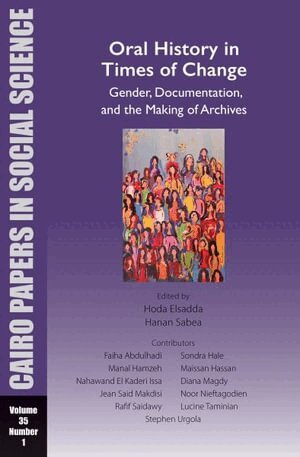
Oral History in Times of Change: Gender, Documentation, and the Making of Archives
Cairo Papers in Social Science Vol. 35, No. 1
Av Hoda Elsadda
Häftad, 2024
422 kr
Lägg i varukorg
Challenges, opportunities, and methodological issues in the creation of oral history archives in the Arab worldOral history archives have always been at the forefront of liberatory social movements in general, and of feminist movement in particular. Until the end of the twentieth century in the …