Hollis Robbins - Böcker
Visar alla böcker från författaren Hollis Robbins. Handla med fri frakt och snabb leverans.
4 produkter
4 produkter
205 kr
Skickas
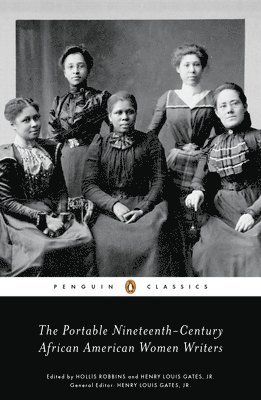
Edited by Hollis Robbins and Henry Louis Gates, Jr; this collection comprises work from forty-nine writers arranged into sections of memoir, poetry and essays on feminism, education and the legacy of black women writers. Many of these pieces engage with social movements like abolition, women's suffrage, temperance and civil rights, but the thematic centre is black women's intellect and personal ambition. The diverse selection includes well-known writers like Sojourner Truth, Hannah Crafts and Harriet Jacobs, as well as lesser-known writers like Ella Sheppard, who offers a firsthand account of life in a world-famous singing group. Taken together, these incredible works insist that the writing of black women writers be read, remembered and addressed.
258 kr
Skickas inom 5-8 vardagar
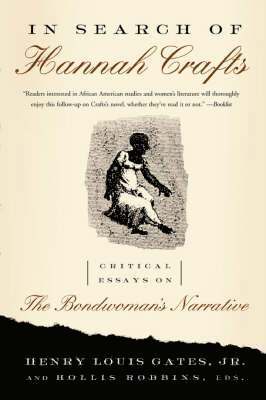
Three years ago, Henry Louis Gates, Jr. discovered an unpublished manuscript, The Bondwoman's Narrative, By Hannah Crafts, A Fugitive Recently Escaped From North Carolina, which turned out to be the first novel by a female African-American slave ever found, and possibly the first novel written by a black women anywhere. The Bondwoman's Narrative was published in 2002. In Search of Hannah Crafts now brings together twenty-two authorities on African-American studies to examine such issues as authenticity, and the history and criticism of this unique novel, including Nina Baym, Jean Fagan Yellin, William Andrews, Lawrence Buell, Karen Sanchez-Eppler and Shelley Fisher-Fishkin.The Bondwoman's Narrative will take its place in the African-American canon, and In Search of Hannah Crafts is the book that scholars and students of African-American Studies, of women writers, and of slavery, need to have to understand this unprecedented historical and literary event.
1 941 kr
Skickas inom 3-6 vardagar
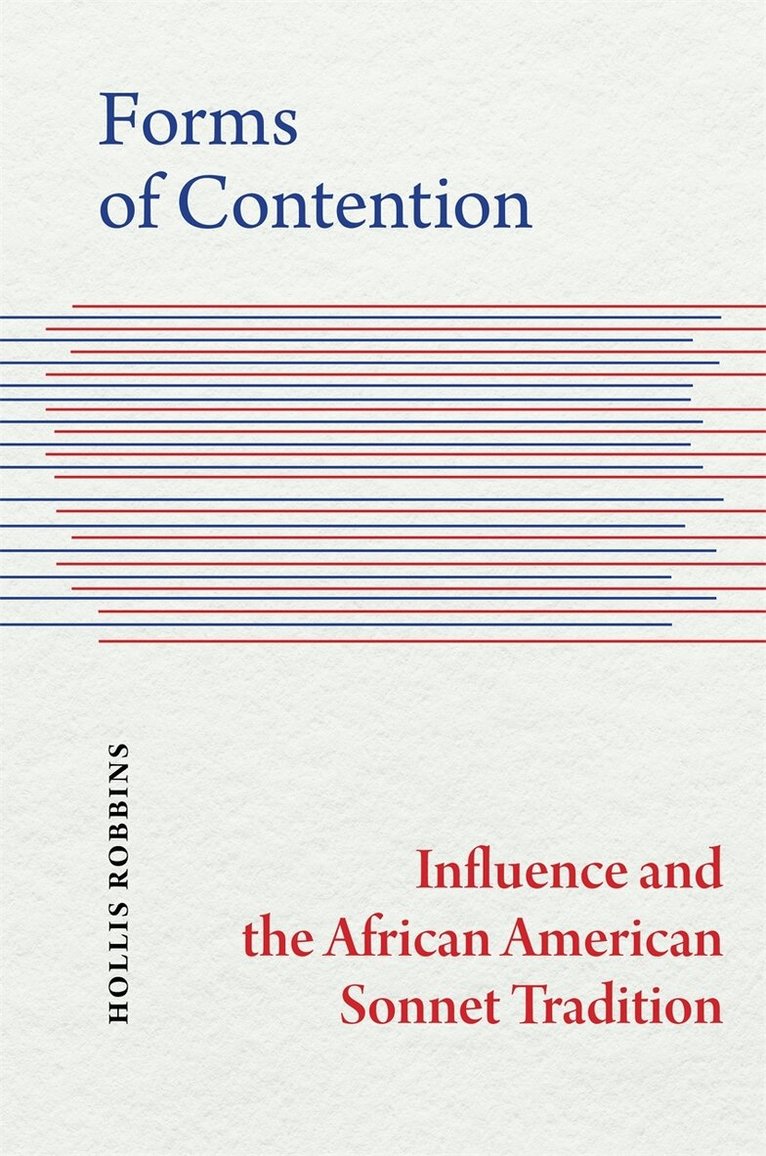
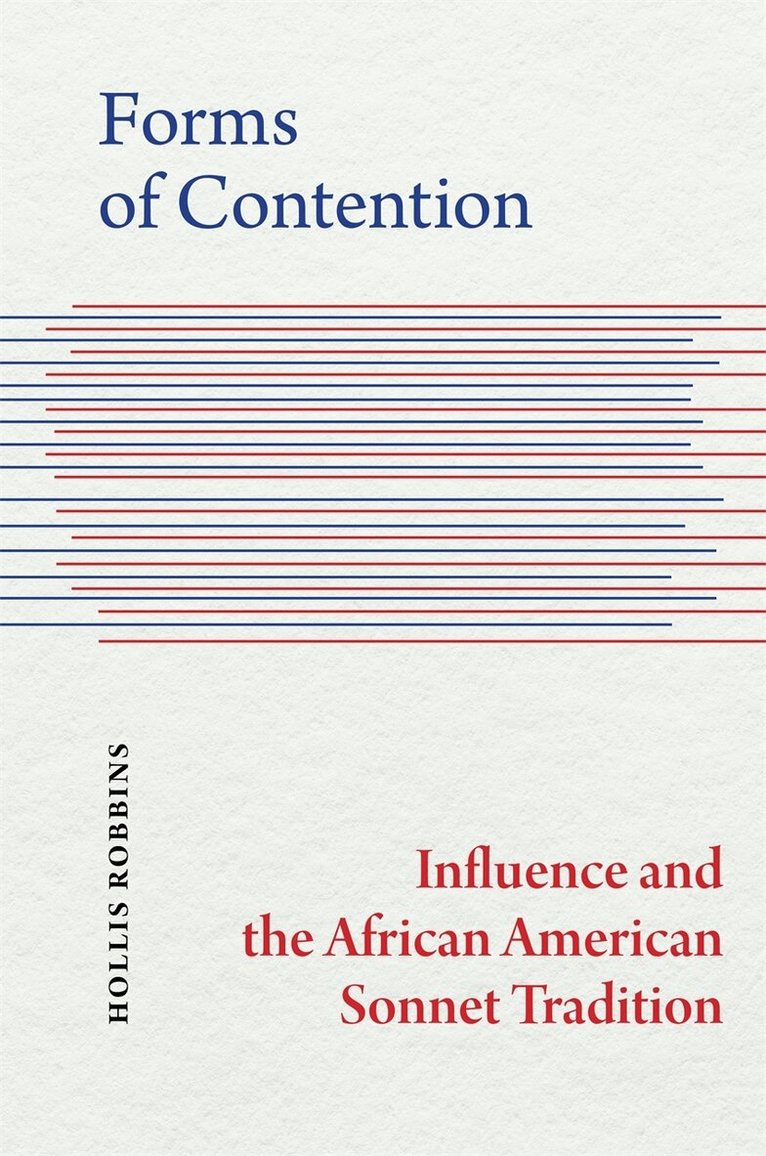
Forms of Contention argues for the centrality of sonnet writing to African American poetry, focusing on significant sonnets, key anthologies, and critical debates about poetic form to show that the influence of black sonnet writers on each other challenges long-standing claims that sonnet writing is primarily a matter of European influence. The banishment of much nineteenth- and twentieth-century formal poetry from the black poetry canon in the 1960s because it was too “traditional” long concealed the African American sonnet’s legacy. In the twenty-first century, the sonnet has blossomed as a black poetic form, even while sonnet writers rarely acknowledge the rich history of black sonnets. With digital technology, a century of sonnets published in African American newspapers has reemerged to reveal surprising patterns of influence.Historically, academic study of African American literature has focused on four concerns: the historical and economic conditions of production and publication of black literature; the political and cultural importance of black literature in America; genres of and trends in black literature; and the nature of African American literature as reflective of the black experience. Hollis Robbins engages with these concerns while opening up a fifth conversation: auxiliary genealogies of influence for black aesthetic production that foreground form and that promote new conversations about form generally—namely, how exactly form enables participation and protest and the overthrow and undermining of aesthetic expectation. Thus, Robbins uses the sonnet as a case study for exploring the broader literary history of African American literature, offering a thorough analysis of the contentious relationship of an old-world poetic form to new world poetry.
642 kr
Skickas inom 7-10 vardagar
Forms of Contention argues for the centrality of sonnet writing to African American poetry, focusing on significant sonnets, key anthologies, and critical debates about poetic form to show that the influence of black sonnet writers on each other challenges long-standing claims that sonnet writing is primarily a matter of European influence. The banishment of much nineteenth- and twentieth-century formal poetry from the black poetry canon in the 1960s because it was too “traditional” long concealed the African American sonnet’s legacy. In the twenty-first century, the sonnet has blossomed as a black poetic form, even while sonnet writers rarely acknowledge the rich history of black sonnets. With digital technology, a century of sonnets published in African American newspapers has reemerged to reveal surprising patterns of influence.Historically, academic study of African American literature has focused on four concerns: the historical and economic conditions of production and publication of black literature; the political and cultural importance of black literature in America; genres of and trends in black literature; and the nature of African American literature as reflective of the black experience. Hollis Robbins engages with these concerns while opening up a fifth conversation: auxiliary genealogies of influence for black aesthetic production that foreground form and that promote new conversations about form generally—namely, how exactly form enables participation and protest and the overthrow and undermining of aesthetic expectation. Thus, Robbins uses the sonnet as a case study for exploring the broader literary history of African American literature, offering a thorough analysis of the contentious relationship of an old-world poetic form to new world poetry.