Holly High - Böcker
Visar alla böcker från författaren Holly High. Handla med fri frakt och snabb leverans.
6 produkter
6 produkter
3 378 kr
Skickas inom 10-15 vardagar
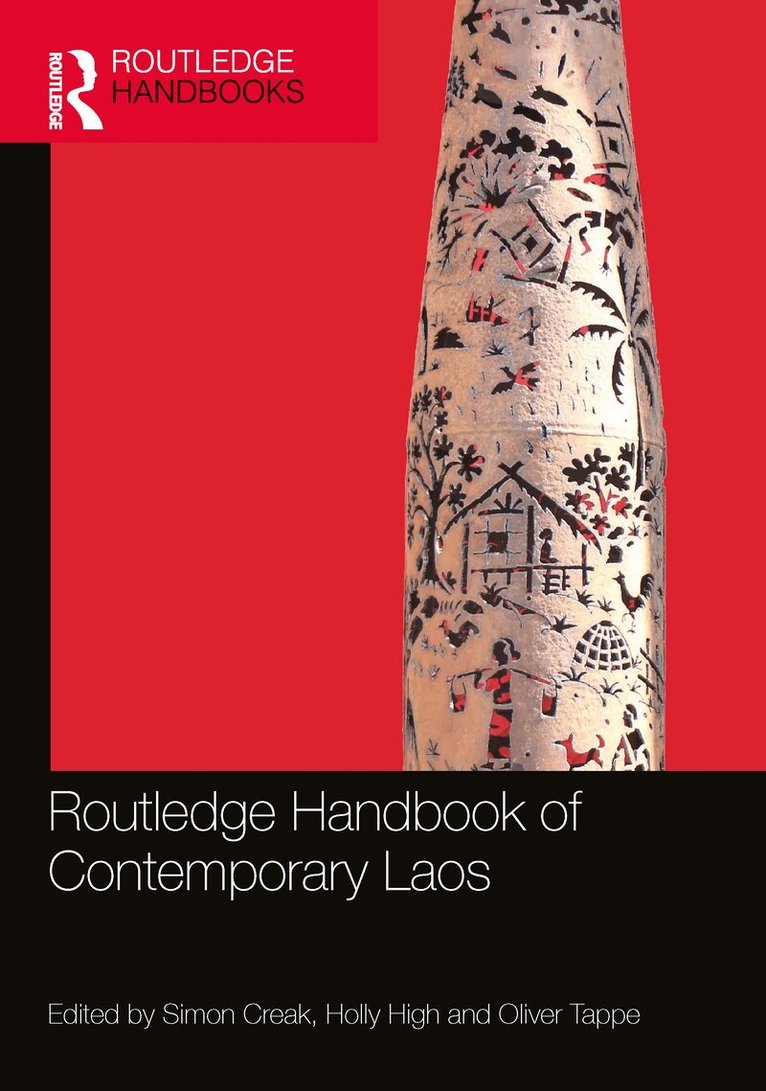
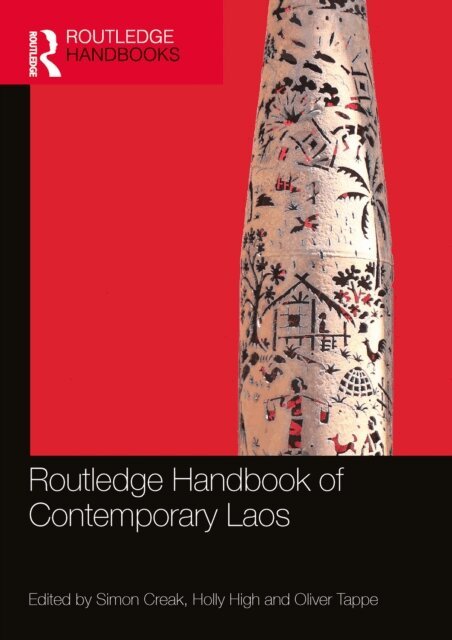
Routledge Handbook of Contemporary Laos provides a comprehensive introduction to the Lao People’s Democratic Republic’s recent development and transformation.The handbook showcases state-of-the-field interdisciplinary research across six themes: The Basics, The Populace, Political Economy, Resources, International and Challenges. Individual chapters provide specialist and non-specialist readers with a rigorous overview of 32 fundamental topics in Lao Studies, from ‘The Party: Lao People’s Revolutionary Party’, ‘Inter-Ethnic Relations’ and ‘Decision Making’, to ‘Land’, ‘Lao Foreign Policy’ and ‘Gender.’ Marking the 50th anniversary of the country’s landmark revolution of 1975, the handbook explores the contested achievements of socialist rule under the Lao People’s Revolutionary Party (LPRP), examines the political, economic and environmental impact of the LPRP’s resource intensive strategies for growth and development, and considers the benefits and challenges of Laos’s evolving geo-political and geo-economic relations with China, Vietnam, Thailand and the Association of Southeast Asian Nations (ASEAN). While focusing on contemporary Laos, the chapters are rooted in a clear understanding of how present-day issues have emerged from Laos’s extraordinary history, spanning pre-colonial Buddhist kingdoms, French colonialism, royalist nationalism and socialist revolution.Bringing together a purposely diverse collection of scholars, each an established or emerging authority in their own sub-field, the timely study takes stock of the country’s development and considers what the next phase in the country’s history might hold.
248 kr
Skickas inom 7-10 vardagar
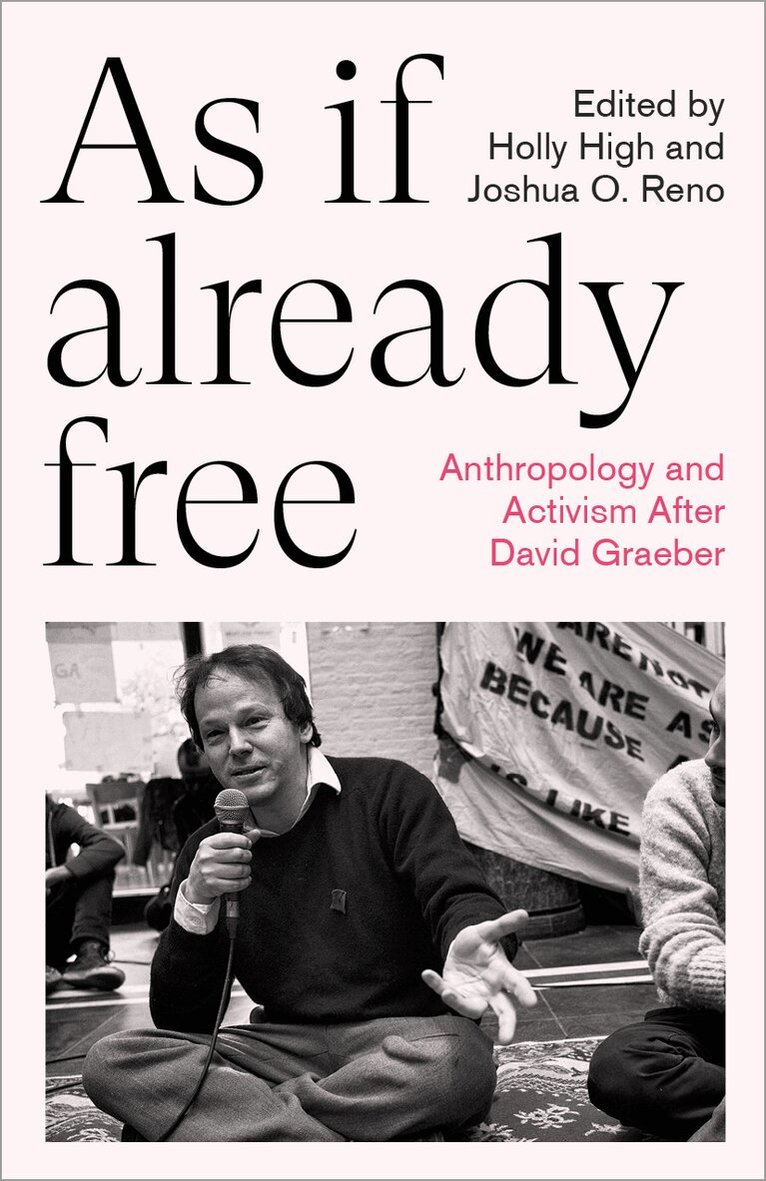
'A highly original thinker' - New York Times David Graeber (1961-2020) was an American anthropologist and anarchist activist who left us with new ways to understand humankind. His writings picked apart political power and social hierarchy to reveal what makes human society tick.As If Already Free collects his most important insights in one book, showing how his writing resonates today for activists looking to shake things up, and explaining how his powerful and accessible ideas can be applied to a wide range of topics, from birth to banking.In today's neoliberal world, we can turn to Graeber's legacy to provide a way for us to understand what went wrong, and how to fix it. This collection is both an introduction to his life and works, a guide to his key ideas, and an inspiring example of how anthropologists are continuing to use his work today.
886 kr
Skickas inom 10-15 vardagar
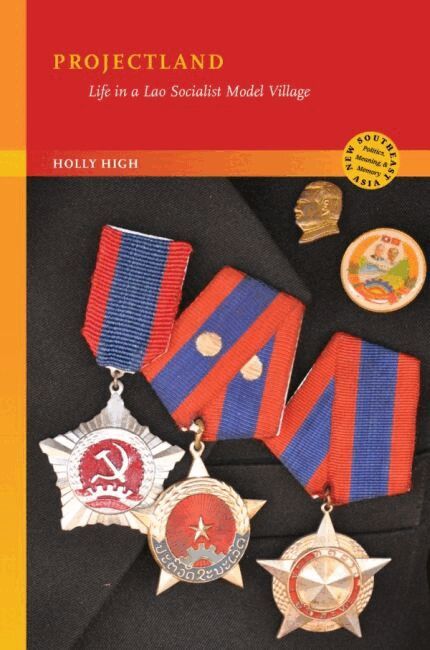
In Projectland, anthropologist Holly High combines an engaging first-person narrative of her fieldwork with a political ethnography of Laos, more than forty years after the establishment of the Lao PDR and more than seven decades since socialist ideologues first "liberated" parts of upland country. In a remote village of Kandon, High finds that although socialism has declined significantly as an economic model, it is ascendant and thriving in the culture of politics and the politics of culture.Kandon is remarkable by any account. The villagers are ethnic Kantu (Katu), an ethnicity associated by early ethnographers above all with human sacrifice. They had repelled French control, and as the war went on, the revolutionary forces of Sekong were headquartered in Kandon territories. In 1996, Kandon village moved and resettled in a plateau area. "New Kandon" has become Sekong Province’s first certified "Culture Village," the nation's very first "Open Defecation Free and Model Health Village," and the president of Laos personally granted the village a Labor Flag and Medal. High provides a unique and timely assessment of the Lao Party-state's resettlement politics, and she recounts with skillful nuance the stories that are often cast into shadows by the usual focus on New Kandon as a success. Her book follows the lives of a small group of villagers who returned to the old village in the mountains, effectively defying policy but, in their words, obeying the presence that animates the land there. Revealing her sensibility with tremendous composure, High tells the experiences of women who, bound by steep bride-prices to often violent marriages, have tasted little of the socialist project of equality, unity, and independence. These women spoke to the author of "necessities" as a limit to their own lives. In a context where the state has defined the legitimate forms of success and agency, "necessity" emerged as a means of framing one's life as nonconforming but also nonagentive.
291 kr
Skickas inom 7-10 vardagar
In Projectland, anthropologist Holly High combines an engaging first-person narrative of her fieldwork with a political ethnography of Laos, more than forty years after the establishment of the Lao PDR and more than seven decades since socialist ideologues first ""liberated"" parts of upland country. In a remote village of Kandon, High finds that although socialism has declined significantly as an economic model, it is ascendant and thriving in the culture of politics and the politics of culture.Kandon is remarkable by any account. The villagers are ethnic Kantu (Katu), an ethnicity associated by early ethnographers above all with human sacrifice. They had repelled French control, and as the war went on, the revolutionary forces of Sekong were headquartered in Kandon territories. In 1996, Kandon village moved and resettled in a plateau area. ""New Kandon"" has become Sekong Province’s first certified ""Culture Village,"" the nation’s very first ""Open Defecation Free and Model Health Village,"" and the president of Laos personally granted the village a Labor Flag and Medal. High provides a unique and timely assessment of the Lao Party-state’s resettlement politics, and she recounts with skillful nuance the stories that are often cast into shadows by the usual focus on New Kandon as a success. Her book follows the lives of a small group of villagers who returned to the old village in the mountains, effectively defying policy but, in their words, obeying the presence that animates the land there. Revealing her sensibility with tremendous composure, High tells the experiences of women who, bound by steep bride-prices to often violent marriages, have tasted little of the socialist project of equality, unity, and independence. These women spoke to the author of ""necessities"" as a limit to their own lives. In a context where the state has defined the legitimate forms of success and agency, ""necessity"" emerged as a means of framing one’s life as nonconforming but also nonagentive.
324 kr
Skickas inom 7-10 vardagar
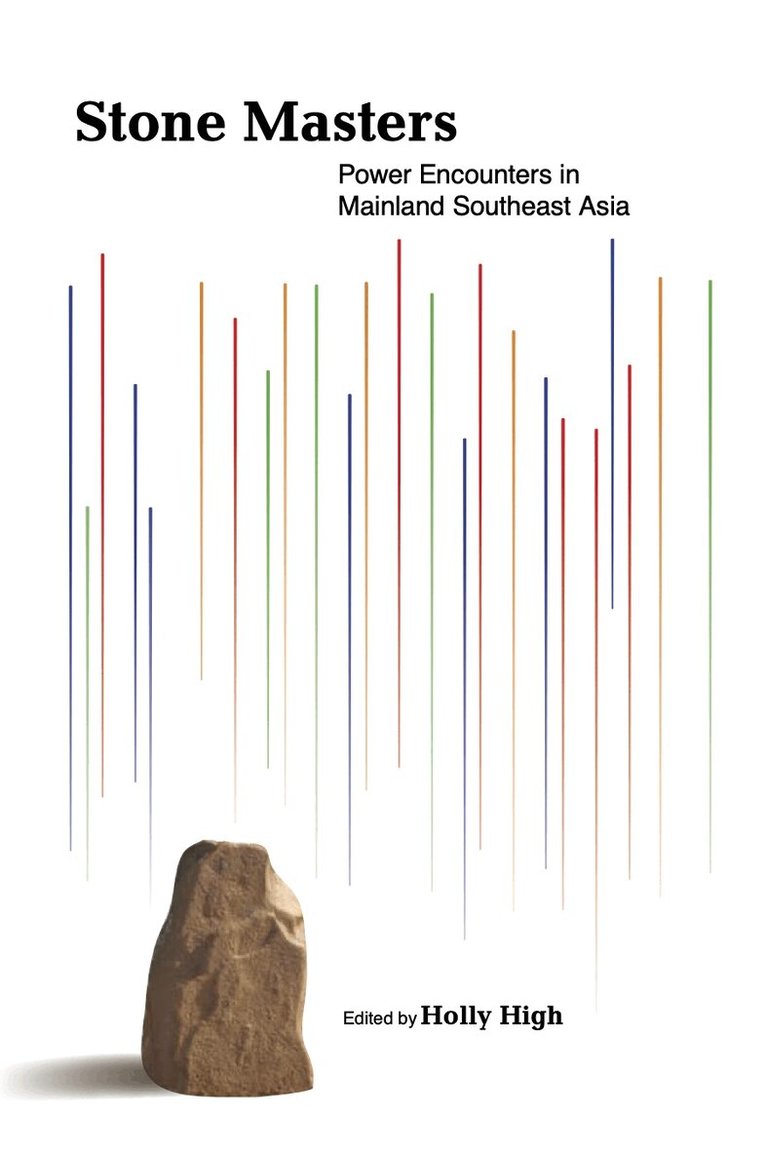
A new analytical perspective on stones and stone masters across Southeast Asia that extends and deepens the recent literature on animism.Stones and stone masters are an important focus of animist religious practice in Southeast Asia. Recent studies on animism see animist rituals not as a mere metaphor for community or shared values, but as a way of forming and maintaining relationships with occult presences. This book features city pillars, statues, megaliths, termite mounds, mountains, rocks found in forests, and stones that have been moved to shrines, as well as the territorial cults which can form around them. The contributors extend and deepen the recent literature on animism to form a new analytical perspective on these cults across mainland Southeast Asia. Not just a collection of exemplary ethnographies, Stone Masters is also a deeply comparative volume that develops its ideas through a meshwork of regional entanglements, parallels, and differences, before entering into a dialogue with debates on power, mastery, and the social theory of animism globally.
350 kr
Skickas inom 7-10 vardagar
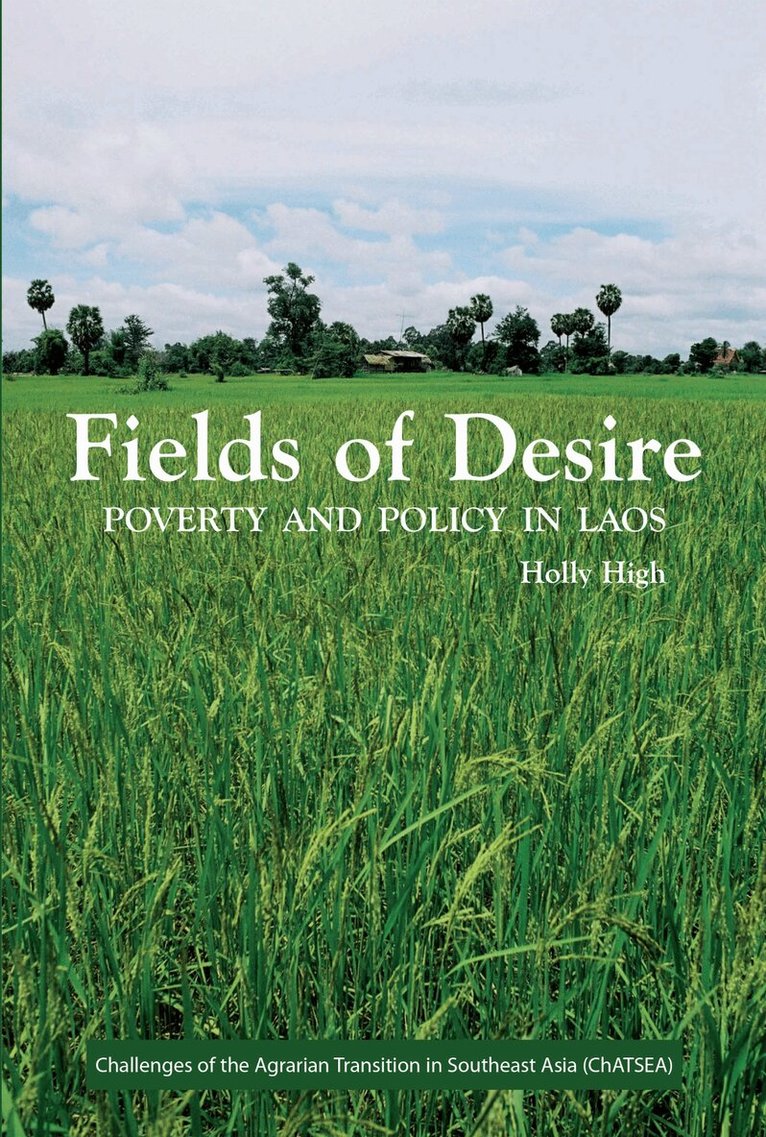
High's argument is based on long-term fieldwork in a village in Laos. The village was identified as poor and was the subject of multiple poverty reduction and development interventions. This book looks at how these policies were implemented on the ground, particularly at why such apparently beneficent interventions were received locally with suspicion and disillusionment, often ended in failure, and yet, despite this, were also able to recapture people's desires. High relates this to the ""post-rebellious"" moment in contemporary Laos, the force of aspirations among village residents and locally grounded understandings of the ambivalence of power.Shortlisted for the European Association for Southeast Asian Studies (EuroSEAS) Social Science Book Prize 2015