Honni van Rijswijk – författare
Visar alla böcker från författaren Honni van Rijswijk. Handla med fri frakt och snabb leverans.
16 produkter
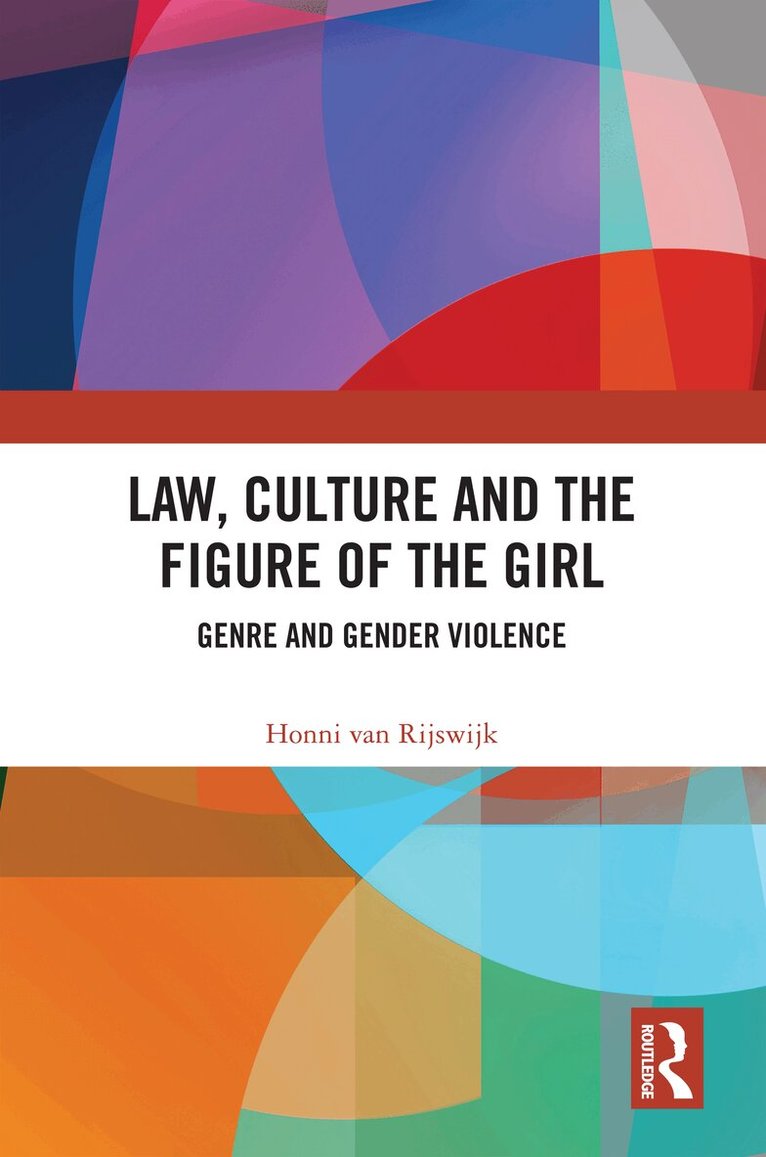
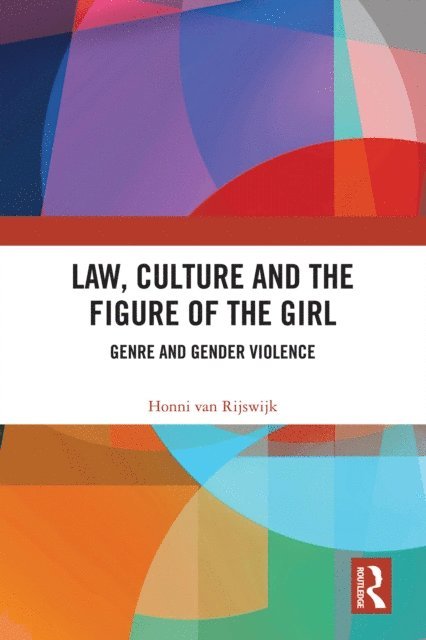
Law, Culture and the Figure of the Girl
Genre and Gender Violence
Inbunden, 2024
2586 kr
Lägg i varukorg
This book argues for the critical potential of locating the girl as the subject-position and voice of legal critique.Law’s imaginary is notoriously limited in its ways of thinking through and adjudicating gender violence. This book argues that ‘the girl’ is a key figure through which to understand, …
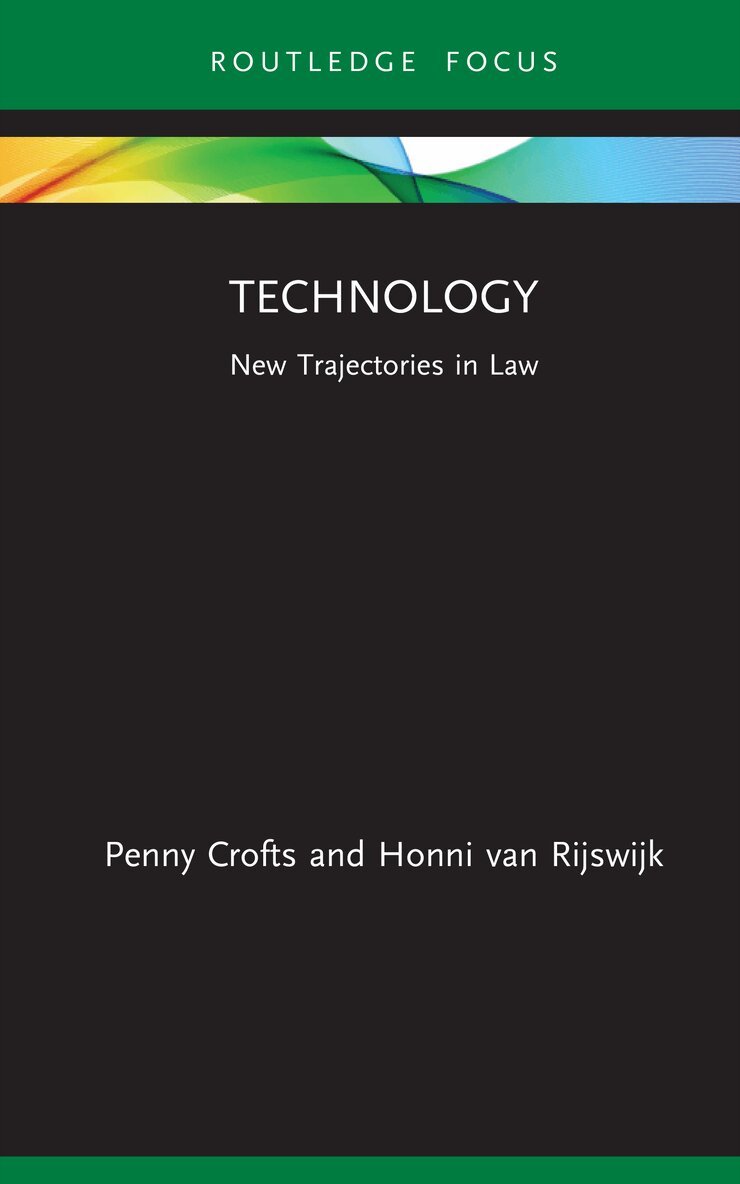
Technology
New Trajectories in Law
Av Penny Crofts, Honni van Rijswijk
Inbunden, 2021
917 kr
Lägg i varukorg
Placing contemporary technological developments in their historical context, this book argues for the importance of law in their regulation. Technological developments are focused upon overcoming physical and human constraints. There are no normative constraints inherent in the quest for ongoing …
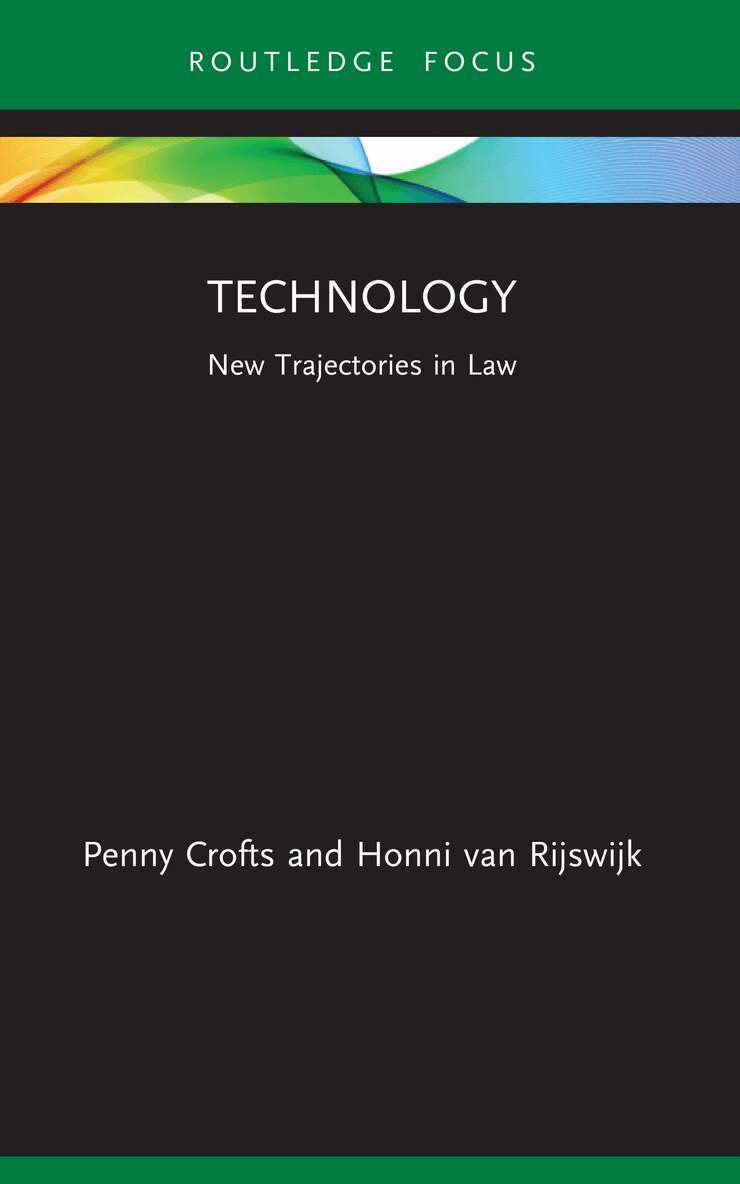
Technology
New Trajectories in Law
Av Penny Crofts, Honni van Rijswijk
Häftad, 2023
288 kr
Lägg i varukorg
Placing contemporary technological developments in their historical context, this book argues for the importance of law in their regulation. Technological developments are focused upon overcoming physical and human constraints. There are no normative constraints inherent in the quest for ongoing …
Law, Culture and the Figure of the Girl
Genre and Gender Violence
E-bok, 2024
935 kr
Lägg i varukorg
This book argues for the critical potential of locating the girl as the subject-position and voice of legal critique. Law’s imaginary is notoriously limited in its ways of thinking through and adjudicating gender violence. This book argues that ‘the girl’ is a key figure through which to …
Law, Culture and the Figure of the Girl
Genre and Gender Violence
E-bok, 2024
926 kr
Lägg i varukorg
This book argues for the critical potential of locating the girl as the subject-position and voice of legal critique. Law’s imaginary is notoriously limited in its ways of thinking through and adjudicating gender violence. This book argues that ‘the girl’ is a key figure through which to …
Technology
New Trajectories in Law
Av Honni van Rijswijk, Penny Crofts
E-bok, 2021
328 kr
Lägg i varukorg
Placing contemporary technological developments in their historical context, this book argues for the importance of law in their regulation. Technological developments are focused upon overcoming physical and human constraints. There are no normative constraints inherent in the quest for ongoing …
Technology
New Trajectories in Law
Av Honni van Rijswijk, Penny Crofts
E-bok, 2021
335 kr
Lägg i varukorg
Placing contemporary technological developments in their historical context, this book argues for the importance of law in their regulation. Technological developments are focused upon overcoming physical and human constraints. There are no normative constraints inherent in the quest for ongoing …
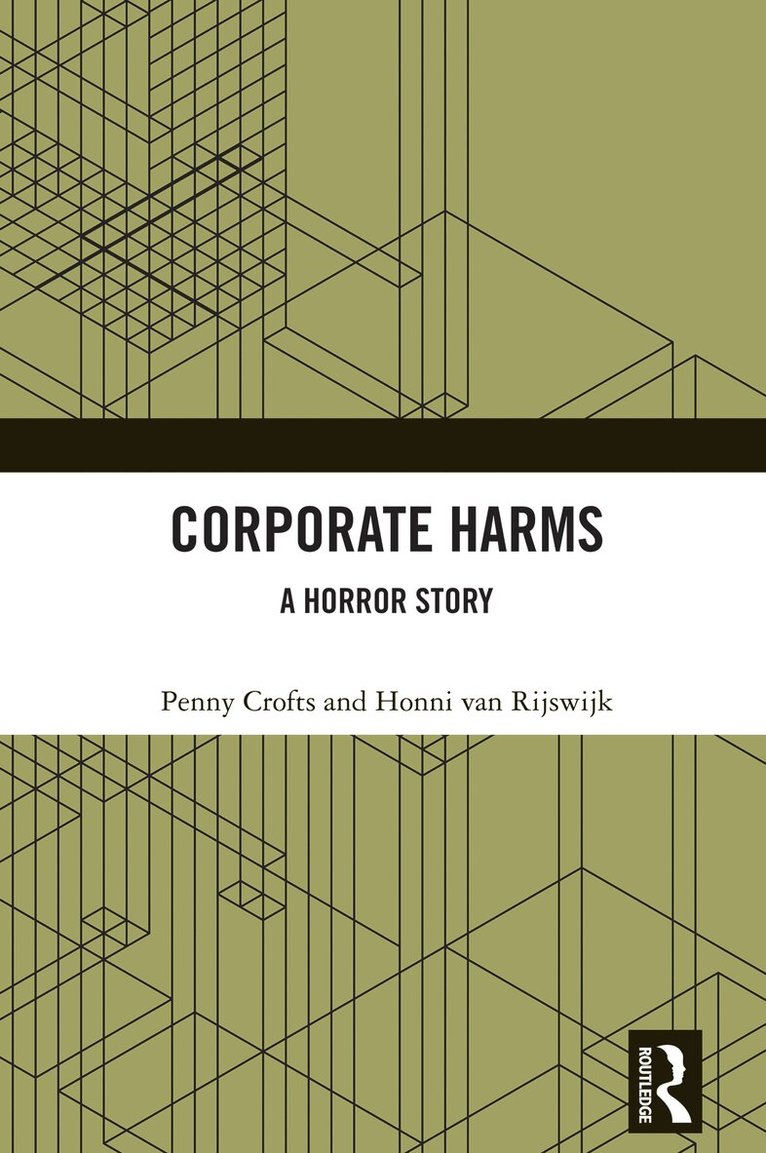
Corporate Harms
A Horror Story
Av Penny Crofts, Honni van Rijswijk
Inbunden, 2026
2888 kr
Lägg i varukorg
This book argues that corporate harms can and should be conceptualised as horrific because they are novel forms of damage on an unprecedented scale.There is long-term recognition of widespread, systemic harms caused by corporations and the relative dearth of response by the criminal legal system. …
Law, Culture and the Figure of the Girl
Genre and Gender Violence
Häftad, 2026
812 kr
Lägg i varukorg
This book argues for the critical potential of locating the girl as the subject-position and voice of legal critique.Law’s imaginary is notoriously limited in its ways of thinking through and adjudicating gender violence. This book argues that ‘the girl’ is a key figure through which to understand, …
Corporate Harms
A Horror Story
Av Honni van Rijswijk, Penny Crofts
E-bok, 2026
935 kr
Lägg i varukorg
This book argues that corporate harms can and should be conceptualised as horrific because they are novel forms of damage on an unprecedented scale. There is long-term recognition of widespread, systemic harms caused by corporations and the relative dearth of response by the criminal legal system. …
Corporate Harms
A Horror Story
Av Honni van Rijswijk, Penny Crofts
E-bok, 2026
765 kr
Lägg i varukorg
This book argues that corporate harms can and should be conceptualised as horrific because they are novel forms of damage on an unprecedented scale. There is long-term recognition of widespread, systemic harms caused by corporations and the relative dearth of response by the criminal legal system. …
Breeder
Ljudbok, 2021
343 kr
Lägg i varukorg
2022 Lammy Award Finalist for LGBTQ Speculative Fiction Will Meadows is a seemingly average fifteen-year-old Westie, who lives and works in Zone F, the run-down outermost ring of the Corporation. In the future state of the Corp, a person’s value comes down to productivity: the right actions win …
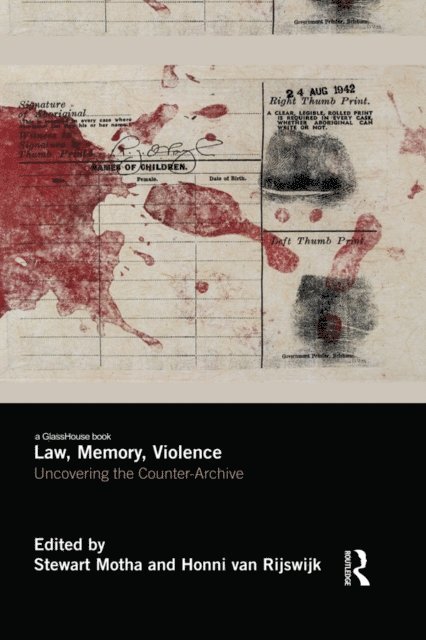
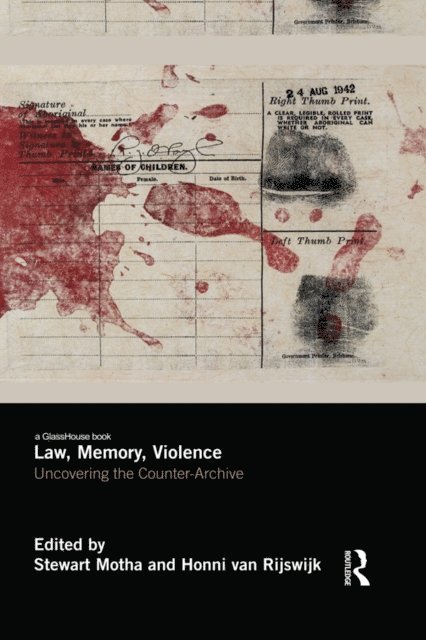
Law, Memory, Violence
Uncovering the Counter-Archive
Av Stewart Motha, Honni van Rijswijk
Häftad, 2017
757 kr
Lägg i varukorg
The demand for recognition, responsibility, and reparations is regularly invoked in the wake of colonialism, genocide, and mass violence: there can be no victims without recognition, no perpetrators without responsibility, and no justice without reparations. Or so it seems from law’s limited …
Law, Memory, Violence
Uncovering the Counter-Archive
Av Stewart Motha, Honni van Rijswijk
Inbunden, 2016
2525 kr
Lägg i varukorg
The demand for recognition, responsibility, and reparations is regularly invoked in the wake of colonialism, genocide, and mass violence: there can be no victims without recognition, no perpetrators without responsibility, and no justice without reparations. Or so it seems from law’s limited …
Law, Memory, Violence
Uncovering the Counter-Archive
Av Honni van Rijswijk, Stewart Motha
E-bok, 2016
970 kr
Lägg i varukorg
The demand for recognition, responsibility, and reparations is regularly invoked in the wake of colonialism, genocide, and mass violence: there can be no victims without recognition, no perpetrators without responsibility, and no justice without reparations. Or so it seems from law’s limited …
Law, Memory, Violence
Uncovering the Counter-Archive
Av Honni van Rijswijk, Stewart Motha
E-bok, 2016
999 kr
Lägg i varukorg
The demand for recognition, responsibility, and reparations is regularly invoked in the wake of colonialism, genocide, and mass violence: there can be no victims without recognition, no perpetrators without responsibility, and no justice without reparations. Or so it seems from law’s limited …