Stewart Motha – författare
Visar alla böcker från författaren Stewart Motha. Handla med fri frakt och snabb leverans.
11 produkter
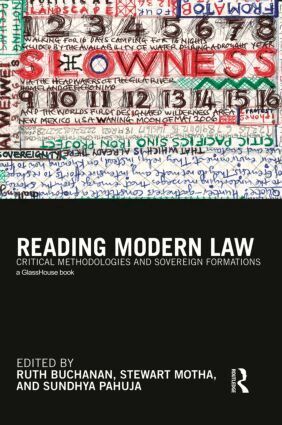
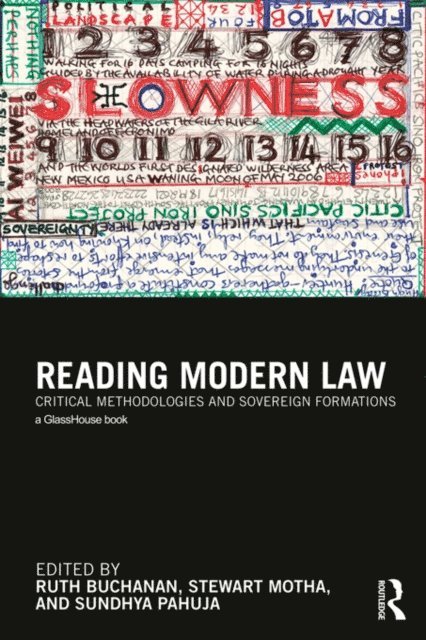
Reading Modern Law
Critical Methodologies and Sovereign Formations
Av Ruth Buchanan, Stewart Motha m. fl.
Häftad, 2013
783 kr
Lägg i varukorg
Reading Modern Law identifies and elaborates upon key critical methodologies for reading and writing about law in modernity. The force of law rests on determinate and localizable authorizations, as well as an expansive capacity to encompass what has not been pre-figured by an order of rules. The …
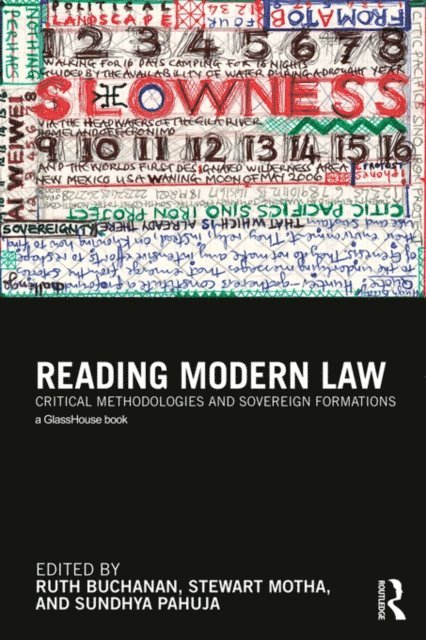
Reading Modern Law
Critical Methodologies and Sovereign Formations
Av Ruth Buchanan, Stewart Motha m. fl.
Inbunden, 2012
2311 kr
Lägg i varukorg
Reading Modern Law identifies and elaborates upon key critical methodologies for reading and writing about law in modernity. The force of law rests on determinate and localizable authorizations, as well as an expansive capacity to encompass what has not been pre-figured by an order of rules. The …
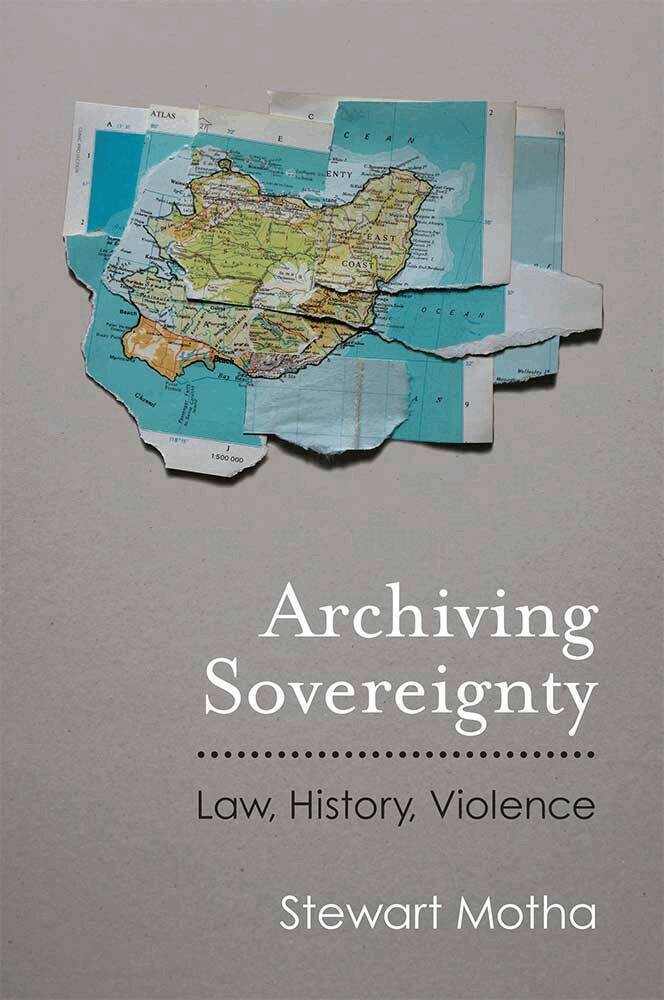
Archiving Sovereignty
Law, History, Violence
Häftad, 2018
297 kr
Lägg i varukorg
Archiving Sovereignty shows how courts use fiction in their treatment of sovereign violence. Law's complicity with imperial and neocolonial practices occurs when courts inscribe and repeat the fabulous tales that provide an alibi for archaic sovereign acts that persist in the present. The United …
Archiving Sovereignty
Law, History, Violence
E-bok, 2018
435 kr
Lägg i varukorg
Archiving Sovereignty shows how courts use fiction in their treatment of sovereign violence. Law''s complicity with imperial and neocolonial practices occurs when courts inscribe and repeat the fabulous tales that provide an alibi for archaic sovereign acts that persist in the present. The United …
Reading Modern Law
Critical Methodologies and Sovereign Formations
Av Sundhya Pahuja, Stewart Motha m. fl.
E-bok, 2012
924 kr
Lägg i varukorg
Reading Modern Law identifies and elaborates upon key critical methodologies for reading and writing about law in modernity. The force of law rests on determinate and localizable authorizations, as well as an expansive capacity to encompass what has not been pre-figured by an order of rules. The …
Reading Modern Law
Critical Methodologies and Sovereign Formations
Av Sundhya Pahuja, Stewart Motha m. fl.
E-bok, 2012
904 kr
Lägg i varukorg
Reading Modern Law identifies and elaborates upon key critical methodologies for reading and writing about law in modernity. The force of law rests on determinate and localizable authorizations, as well as an expansive capacity to encompass what has not been pre-figured by an order of rules. The …
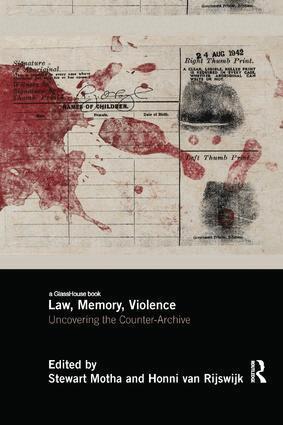
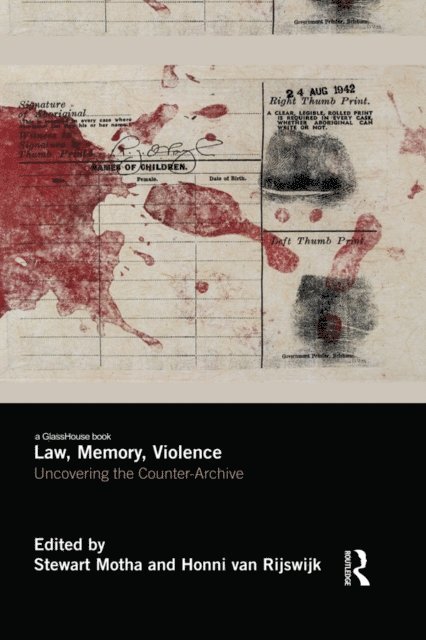
Law, Memory, Violence
Uncovering the Counter-Archive
Av Stewart Motha, Honni van Rijswijk
Häftad, 2017
757 kr
Lägg i varukorg
The demand for recognition, responsibility, and reparations is regularly invoked in the wake of colonialism, genocide, and mass violence: there can be no victims without recognition, no perpetrators without responsibility, and no justice without reparations. Or so it seems from law’s limited …
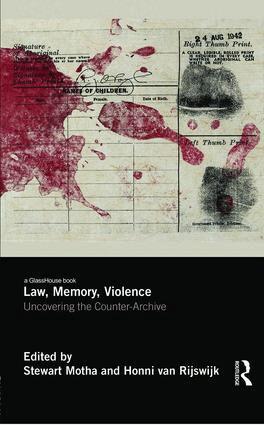
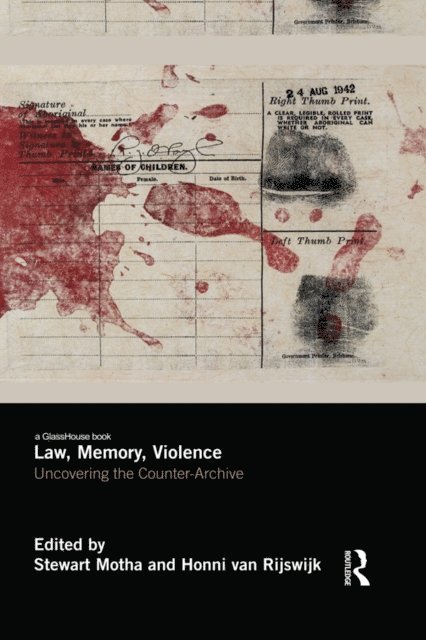
Law, Memory, Violence
Uncovering the Counter-Archive
Av Stewart Motha, Honni van Rijswijk
Inbunden, 2016
2525 kr
Lägg i varukorg
The demand for recognition, responsibility, and reparations is regularly invoked in the wake of colonialism, genocide, and mass violence: there can be no victims without recognition, no perpetrators without responsibility, and no justice without reparations. Or so it seems from law’s limited …
Law, Memory, Violence
Uncovering the Counter-Archive
Av Honni van Rijswijk, Stewart Motha
E-bok, 2016
970 kr
Lägg i varukorg
The demand for recognition, responsibility, and reparations is regularly invoked in the wake of colonialism, genocide, and mass violence: there can be no victims without recognition, no perpetrators without responsibility, and no justice without reparations. Or so it seems from law’s limited …
Law, Memory, Violence
Uncovering the Counter-Archive
Av Honni van Rijswijk, Stewart Motha
E-bok, 2016
999 kr
Lägg i varukorg
The demand for recognition, responsibility, and reparations is regularly invoked in the wake of colonialism, genocide, and mass violence: there can be no victims without recognition, no perpetrators without responsibility, and no justice without reparations. Or so it seems from law’s limited …
Democracy's Empire
Sovereignty, Law, and Violence
Häftad, 2007
275 kr
Lägg i varukorg
The essays in this volume take on the challenge of explaining the current formation of the relation between sovereignty, law and violence in what is termed ‘Democracy’s Empire’. Contains a situated discussion of the institution of democracy and relatedjuridico-political problems Examines the …