Hugo Bekker – författare
Visar alla böcker från författaren Hugo Bekker. Handla med fri frakt och snabb leverans.
3 produkter
3 produkter
311 kr
Skickas inom 7-10 vardagar
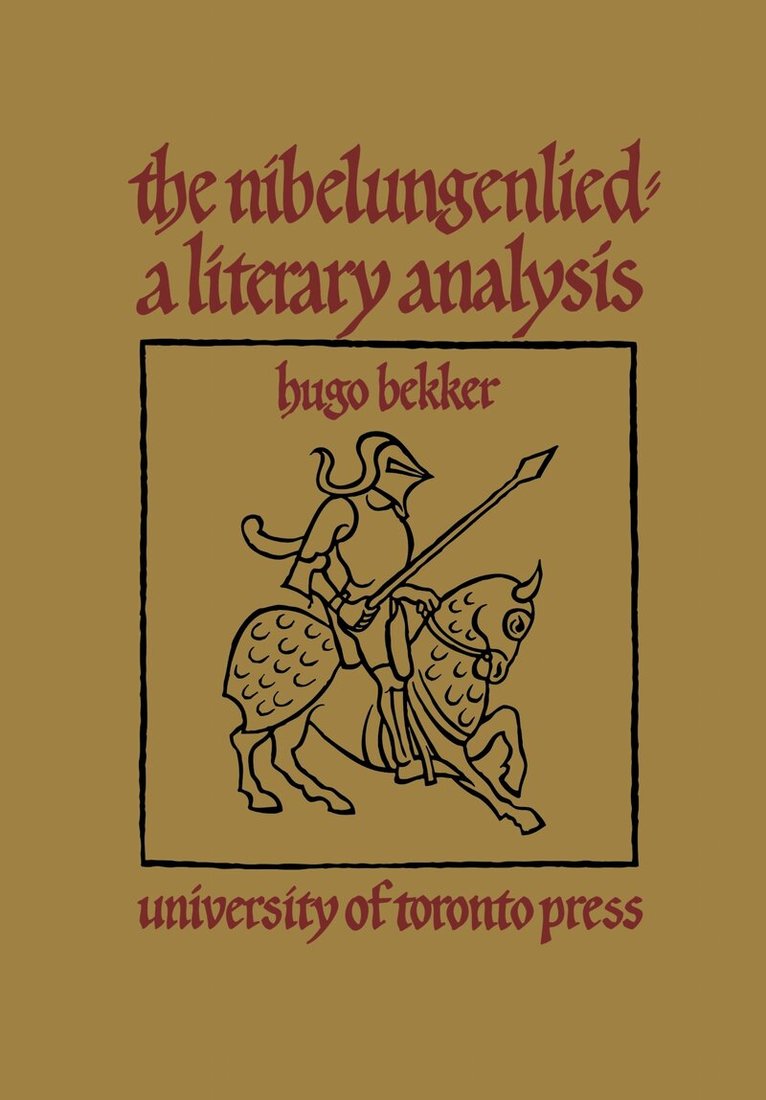
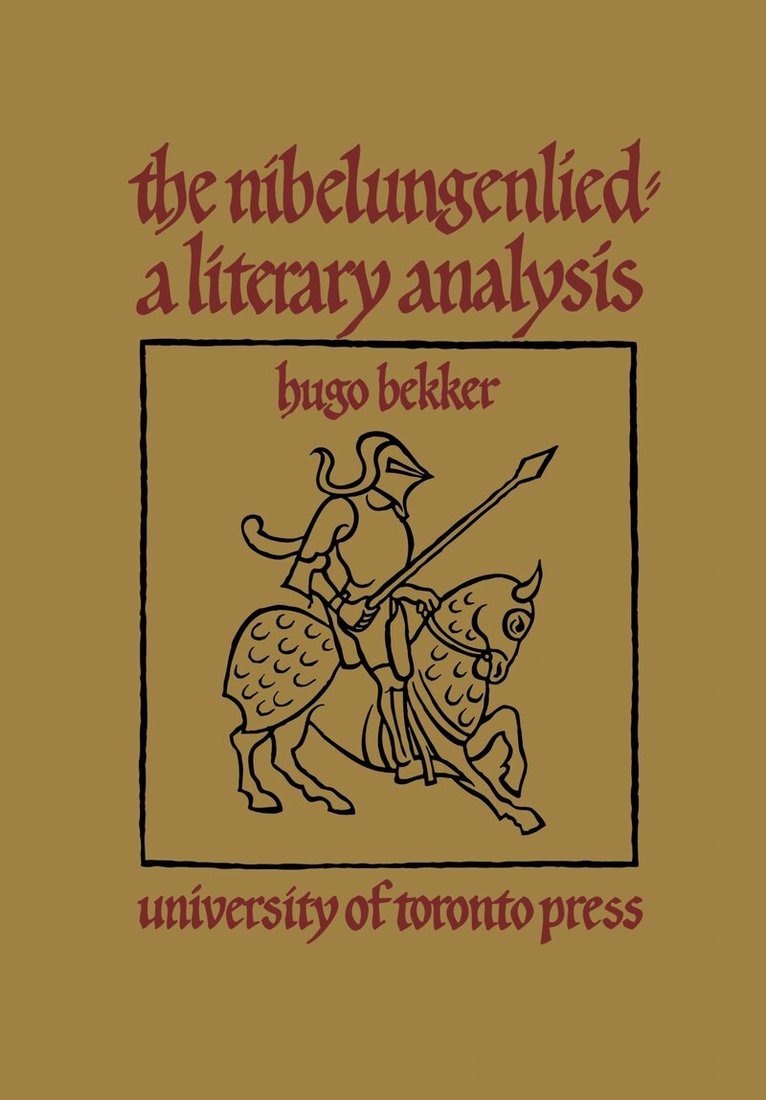
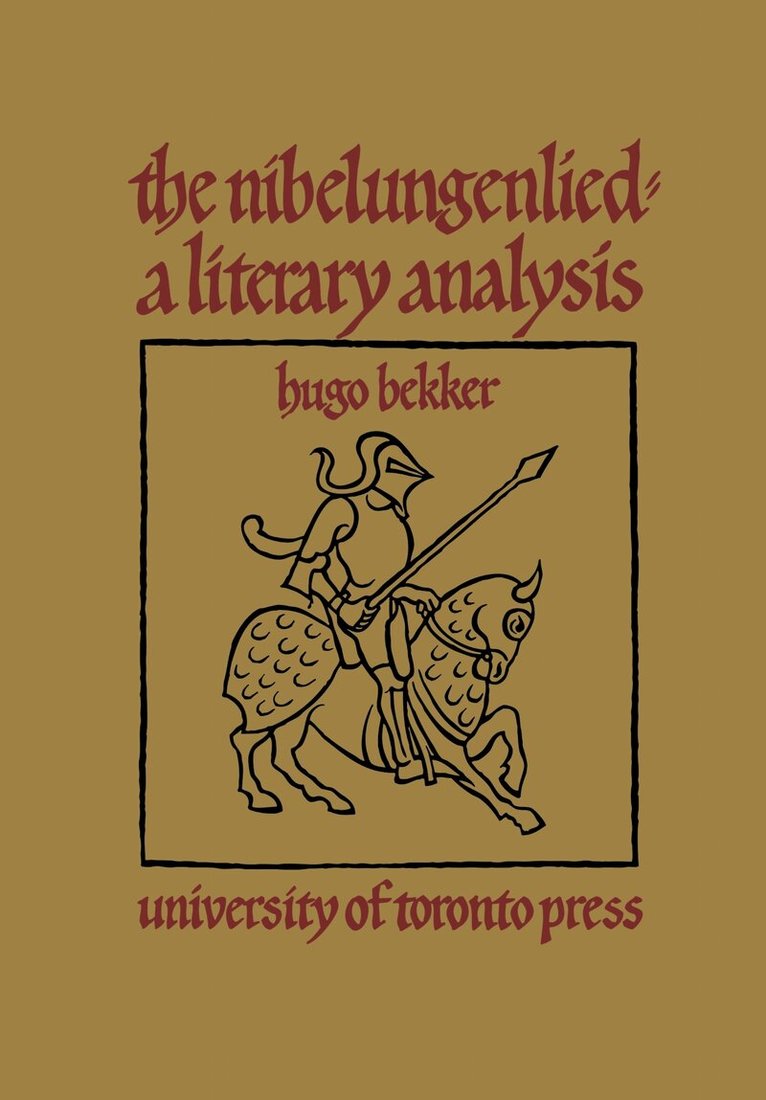
In the last fifty or so years there has been a gradual shift of attention in scholarship on the Nibelungenlied from reconstruction of the texts, and tracings of the poem’s multiple and complex antecedents, to interpretation. In spite of this trend, there is still a pressing need for a critical analysis of the Nibelungenlied as a whole that draws together its various literary qualities and examines in detail the epic’s unity, depth, and meaning. Professor Bekker’s study provides this kind of analysis. It takes a fresh approach, viewing the poem as a work of literary merit worthy to be read for its own sake. It traces the new designs which the poet brings to the Nibelungen tradition and provides detailed examinations of the main aspects of technique and structure in the epic. The approach is based on close consultation of the text, with little digression, in an attempt to guide the reader to an understanding and appreciation of the poem as the author intended it to be read.Professor Bekker points out that the poet of the Nibelungenlied does not aim at psychological character delineation and deliberately refrains from seeking to establish the various prominent figures in the epic as individuals in the modern sense of the term. Instead, they emerge as representative figures whose interrelationships, though interesting, are less important for the unity and meaning of the epic than are their common relationships to the world in which they exist. The question of personal guilt or innocence becomes irrelevant, and Professor Bekker sees the work ultimately as poetic pageant of a noble way of life and its destruction. Symbolism, imagery, parallelism, symmetry, and other structural devices all contribute to the design which expresses the nature of this noble life, and Professor Bekker’s book is a valuable guide to the complex architecture of this thirteenth-century masterpiece.
285 kr
Skickas inom 10-15 vardagar
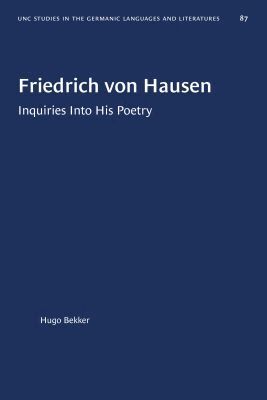
The author casts new light on Hausen's lyrics by often favoring the manuscript readings. In the readings, irony emerges as a leading poetic device, as does the element of Spiel. Questions arise regarding such concepts as Gottesdienst, Frauendienst, and hohe Minne. Attrition is discussed as the possible motivation behind the persona's decision to take the cross.
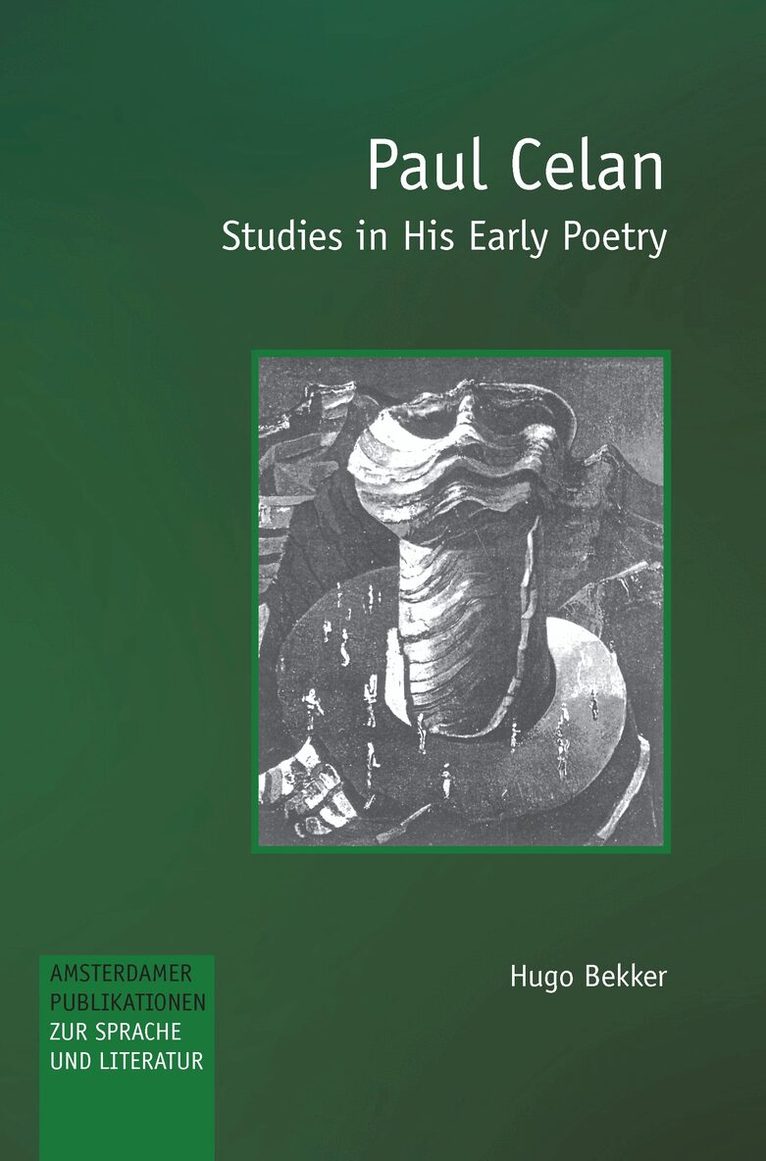
Del 157 - Amsterdamer Publikationen zur Sprache und Literatur
Paul Celan
Studies in His Early Poetry
Häftad, Engelska, 2008
1 484 kr
Skickas inom 5-8 vardagar
Paul Celan: Studies in His Early Poetry scrutinizes the influences detectable in the poems written during 1938-48. Among German writers, Büchner, Goethe, Gottfried von Strassburg, Gryphius, Mörike, the poet of the Nibelungenlied, Novalis, Rilke, and Trakl all provided motifs that, often repeated, make for a dense network inviting attention to the self-referential and self-revealing patterns in Celan’s early work. In addition, there are many poems that contain motifs gleaned from Greek mythology and/or biblical data. These references, on occasion quite clear, more often so obscure as to be hazy allusions, yield the view that during his first decade of poetic activities Celan becomes increasingly recondite. When these references or allusions stand side-by-side in a given poem, they acquire a surrealistic tint and threaten to withhold clear meaning. Ambiguities, deliberately cultivated in the earliest poems, begin to boomerang and read like so many preludes to the struggles with language evident in the poetry of Celan’s maturity.It is a certainty that Celan reacted quickly, if not immediately, to the events befalling the scenes of his early years (Czernowitz and the forced-labor camp). This phenomenon mandates the view of his poems as so many pieces of autobiography. It thus is inevitable that as early as 1940 he wrote against the backdrop of war, and soon thereafter in the shadow of the Holocaust that was destined to brand his mind forever.This volume is meant for anyone interested in Celan, close reading of modern poetry in general, comparative literature, motif studies, poetic reactions to Holocaust events, or even in a Jew’s concept regarding the role of the deity in the destruction of those for whom the poet speaks.