Humphrey Davies - Böcker
Visar alla böcker från författaren Humphrey Davies. Handla med fri frakt och snabb leverans.
10 produkter
10 produkter
680 kr
Skickas inom 10-15 vardagar
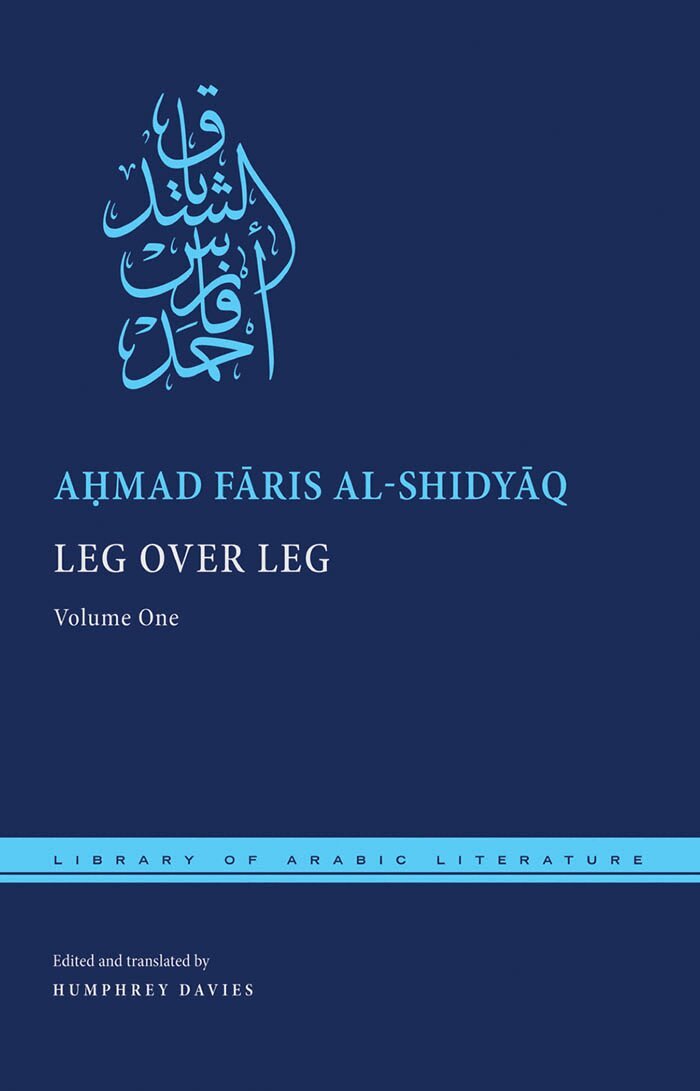
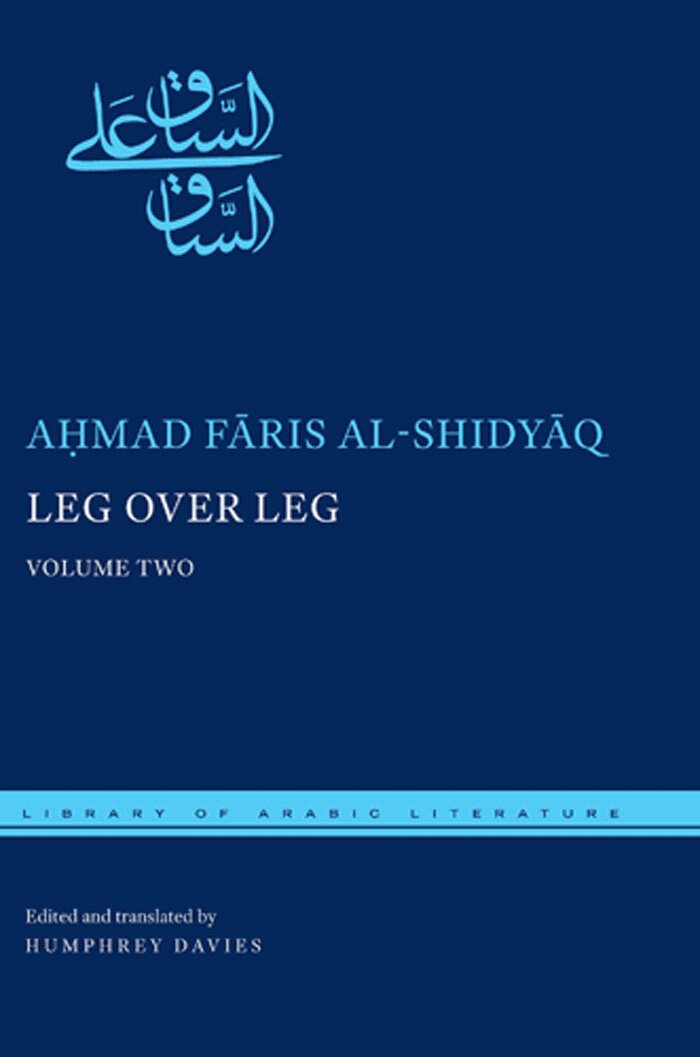
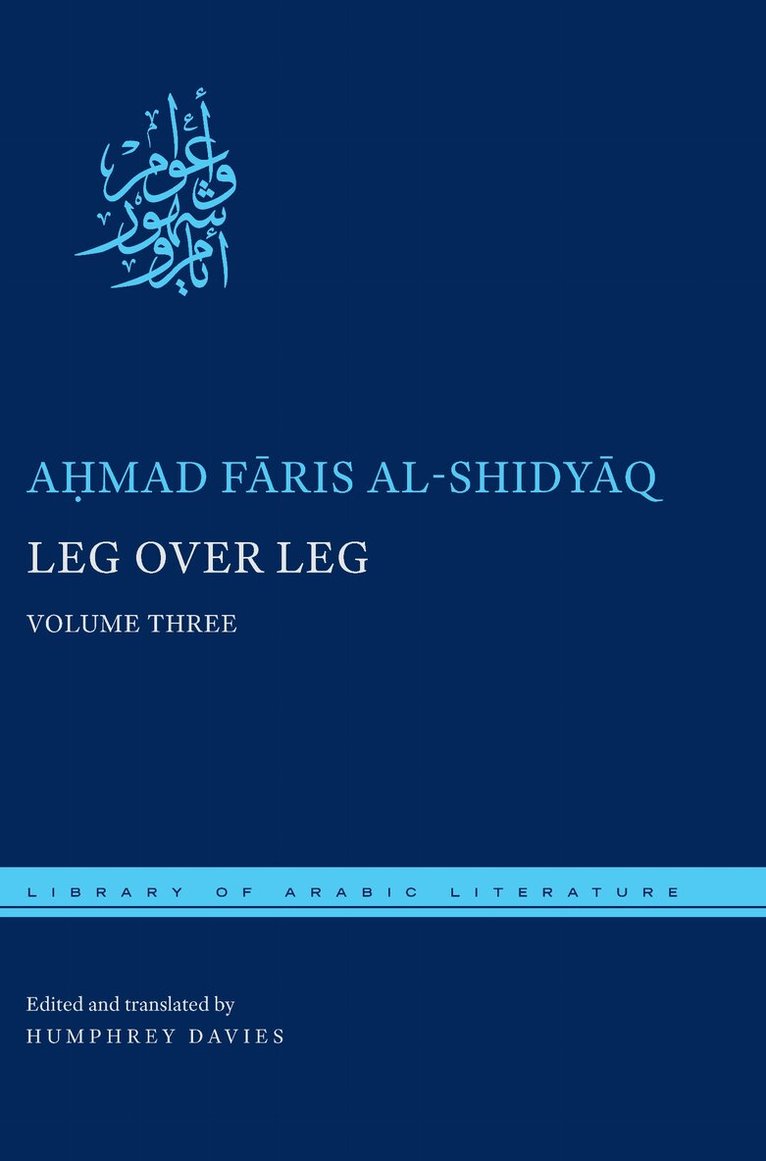
Finalist for the 2016 National Translation Award given by the American Literary Translators' Association The life, birth, and early years of 'the Fariyaq'—the alter ego of the Arab intellectual Ahmad Faris al-ShidyaqLeg over Leg recounts the life, from birth to middle age, of 'the Fariyaq,' alter ego of Ahmad Faris al-Shidyaq, a pivotal figure in the intellectual and literary history of the modern Arab world. The always edifying and often hilarious adventures of the Fariyaq, as he moves from his native Lebanon to Egypt, Malta, Tunis, England and France, provide the author with grist for wide-ranging discussions of the intellectual and social issues of his time, including the ignorance and corruption of the Lebanese religious and secular establishments, freedom of conscience, women's rights, sexual relationships between men and women, the manners and customs of Europeans and Middle Easterners, and the differences between contemporary European and Arabic literatures. Al-Shidyaq also celebrates the genius and beauty of the classical Arabic language.Akin to Sterne and Rabelais in his satirical outlook and technical inventiveness, al-Shidyaq produced in Leg Over Leg a work that is unique and unclassifiable. It was initially widely condemned for its attacks on authority, its religious skepticism, and its "obscenity," and later editions were often abridged. This is the first English translation of the work and reproduces the original Arabic text, published under the author's supervision in 1855.
680 kr
Skickas inom 10-15 vardagar
Finalist for the 2016 National Translation Award given by the American Literary Translators' Association The life, birth, and early years of 'the Fariyaq'—the alter ego of the Arab intellectual Ahmad Faris al-ShidyaqLeg over Leg recounts the life, from birth to middle age, of 'the Fariyaq,' alter ego of Ahmad Faris al-Shidyaq, a pivotal figure in the intellectual and literary history of the modern Arab world. The always edifying and often hilarious adventures of the Fariyaq, as he moves from his native Lebanon to Egypt, Malta, Tunis, England and France, provide the author with grist for wide-ranging discussions of the intellectual and social issues of his time, including the ignorance and corruption of the Lebanese religious and secular establishments, freedom of conscience, women's rights, sexual relationships between men and women, the manners and customs of Europeans and Middle Easterners, and the differences between contemporary European and Arabic literatures. Al-Shidyaq also celebrates the genius and beauty of the classical Arabic language.Akin to Sterne and Rabelais in his satirical outlook and technical inventiveness, al-Shidyaq produced in Leg over Leg a work that is unique and unclassifiable. It was initially widely condemned for its attacks on authority, its religious skepticism, and its "obscenity," and later editions were often abridged. This is the first English translation of the work and reproduces the original Arabic text, published under the author's supervision in 1855.
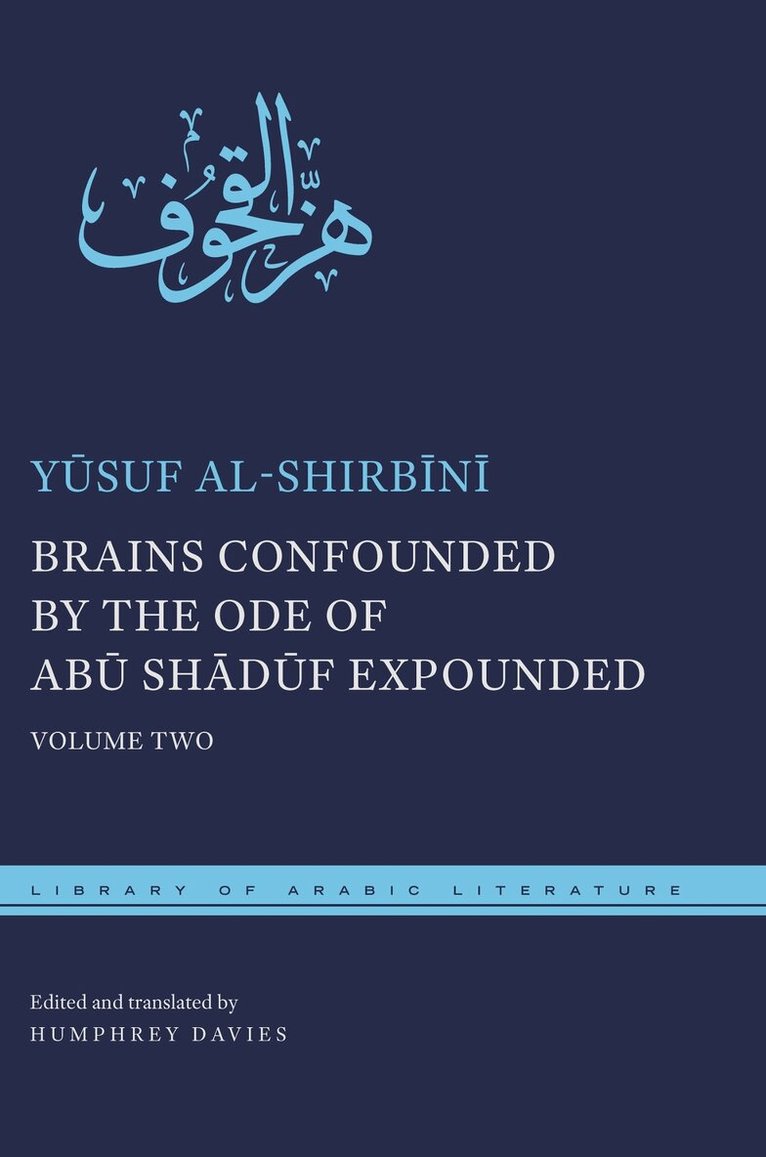
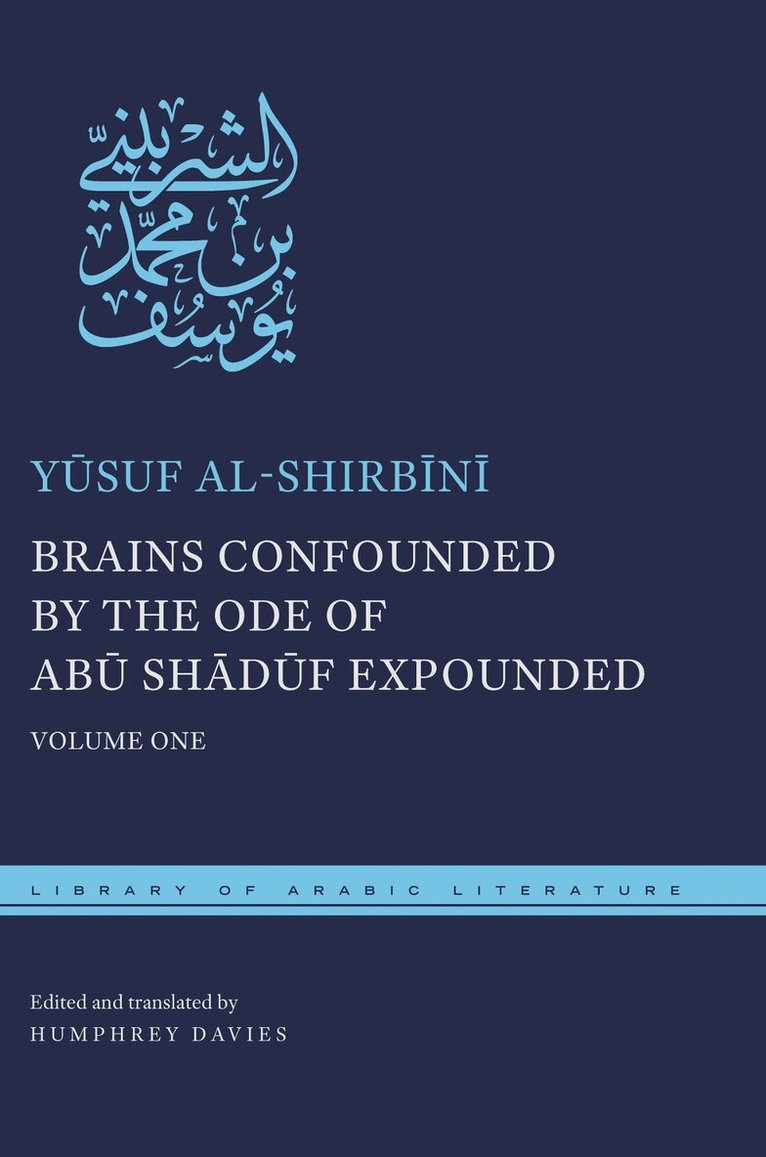
Brains Confounded by the Ode of Abū Shādūf Expounded, with Risible Rhymes
Volume Two
Inbunden, Engelska, 2016
559 kr
Skickas inom 10-15 vardagar
Witty, bawdy, and vicious, Yūsuf al-Shirbīnī's Brains Confounded pits the "coarse" rural masses against the "refined" urban population. In Volume One, al-Shirbīnī describes the three rural "types"—peasant cultivator, village man-of-religion, and rural dervish—offering anecdotes testifying to the ignorance, dirtiness, and criminality of each. In Volume Two, he presents a hilarious parody of the verse-and-commentary genre so beloved by scholars of his day, with a 47-line poem supposedly written by a peasant named Abū Shādūf, who charts the rise and fall of his fortunes. Wielding the scholarly tools of elite literature, al-Shirbīnī responds to the poem with derision and ridicule, dotting his satire with digressions into love, food, and flatulence. Volume Two of Brains Confounded is followed by Risible Rhymes, a concise text that includes a comic disquisition on "rural" verse, mocking the pretensions of uneducated poets from Egypt's countryside. Risible Rhymes also examines various kinds of puzzle poems, which were another popular genre of the day, and presents a debate between scholars over a line of verse by the fourth/tenth-century poet al-Mutanabbī. Together, Brains Confounded and Risible Rhymes offer intriguing insight into the intellectual concerns of Ottoman Egypt, showcasing the intense preoccupation with wordplay, grammar, and stylistics and shedding light on the literature of the era.An English-only edition.
681 kr
Skickas inom 10-15 vardagar
Finalist for the 2016 National Translation Award given by the American Literary Translators' Association The life, birth, and early years of 'the Fariyaq'—the alter ego of the Arab intellectual Ahmad Faris al-ShidyaqLeg over Leg recounts the life, from birth to middle age, of 'the Fariyaq,' alter ego of Ahmad Faris al-Shidyaq, a pivotal figure in the intellectual and literary history of the modern Arab world. The always edifying and often hilarious adventures of the Fariyaq, as he moves from his native Lebanon to Egypt, Malta, Tunis, England and France, provide the author with grist for wide-ranging discussions of the intellectual and social issues of his time, including the ignorance and corruption of the Lebanese religious and secular establishments, freedom of conscience, women's rights, sexual relationships between men and women, the manners and customs of Europeans and Middle Easterners, and the differences between contemporary European and Arabic literatures. Al-Shidyaq also celebrates the genius and beauty of the classical Arabic language.Akin to Sterne and Rabelais in his satirical outlook and technical inventiveness, al-Shidyaq produced in Leg over Leg a work that is unique and unclassifiable. It was initially widely condemned for its attacks on authority, its religious skepticism, and its "obscenity," and later editions were often abridged. This is the first English translation of the work and reproduces the original Arabic text, published under the author's supervision in 1855.
555 kr
Skickas inom 10-15 vardagar
A merchant's account of his travels through an independent African state Muhammad ibn 'Umar al-Tunisi (d. 1274/1857) belonged to a family of Tunisian merchants trading with Egypt and what is now Sudan. Al-Tunisi was raised in Cairo and a graduate of al-Azhar. In 1803, at the age of fourteen, al-Tunisi set off for the Sultanate of Darfur, where his father had decamped ten years earlier. He followed the Forty Days Road, was reunited with his father, and eventually took over the management of the considerable estates granted to his father by the sultan of Darfur. In Darfur is al-Tunisi's remarkable account of his ten-year sojourn in this independent state. In Volume Two al-Tunisi describes the geography of the region, the customs of Darfur's petty kings, court life and the clothing of its rulers, marriage customs, eunuchs, illnesses, food, hunting, animals, currencies, plants, magic, divination, and dances. In Darfur combines literature, history, ethnography, linguistics, and travel adventure, and most unusually for its time, includes fifty-two illustrations, all drawn by the author. In Darfur is a rare example of an Arab description of Africa on the eve of Western colonization and vividly evokes a world in which travel was untrammeled by bureaucracy, borders were fluid, and startling coincidences appear almost mundane.A bilingual Arabic-English edition.
681 kr
Skickas inom 10-15 vardagar
Finalist for the 2016 National Translation Award given by the American Literary Translators' Association The life, birth, and early years of 'the Fariyaq'—the alter ego of the Arab intellectual Ahmad Faris al-ShidyaqLeg over Leg recounts the life, from birth to middle age, of 'the Fariyaq,' alter ego of Ahmad Faris al-Shidyaq, a pivotal figure in the intellectual and literary history of the modern Arab world. The always edifying and often hilarious adventures of the Fariyaq, as he moves from his native Lebanon to Egypt, Malta, Tunis, England and France, provide the author with grist for wide-ranging discussions of the intellectual and social issues of his time, including the ignorance and corruption of the Lebanese religious and secular establishments, freedom of conscience, women's rights, sexual relationships between men and women, the manners and customs of Europeans and Middle Easterners, and the differences between contemporary European and Arabic literatures. Al-Shidyaq also celebrates the genius and beauty of the classical Arabic language.Akin to Sterne and Rabelais in his satirical outlook and technical inventiveness, al-Shidyaq produced in Leg over Leg a work that is unique and unclassifiable. It was initially widely condemned for its attacks on authority, its religious skepticism, and its "obscenity," and later editions were often abridged. This is the first English translation of the work and reproduces the original Arabic text, published under the author's supervision in 1855.
555 kr
Skickas inom 10-15 vardagar
A merchant's account of his travels through an independent African state Muhammad ibn 'Umar al-Tunisi (d. 1274/1857) belonged to a family of Tunisian merchants trading with Egypt and what is now Sudan. Al-Tunisi was raised in Cairo and a graduate of al-Azhar. In 1803, at the age of fourteen, al-Tunisi set off for the Sultanate of Darfur, where his father had decamped ten years earlier. He followed the Forty Days Road, was reunited with his father, and eventually took over the management of the considerable estates granted to his father by the sultan of Darfur. In Darfur is al-Tunisi's remarkable account of his ten-year sojourn in this independent state. In Volume One, al-Tunisi relates the history of his much-traveled family, his journey from Egypt to Darfur, and the reign of the noted sultan 'Abd al-Rahman al-Rashid. In Darfur combines literature, history, ethnography, linguistics, and travel adventure, and most unusually for its time, includes fifty-two illustrations, all drawn by the author. In Darfur is a rare example of an Arab description of Africa on the eve of Western colonization and vividly evokes a world in which travel was untrammeled by bureaucracy, borders were fluid, and startling coincidences appear almost mundane.A bilingual Arabic-English edition.
406 kr
Skickas inom 10-15 vardagar
Written in mid-seventeenth-century Egypt, Risible Rhymes is in part a short, comic disquisition on "rural" verse, mocking the pretensions and absurdities of uneducated poets from Egypt's countryside.The interest in the countryside as a cultural, social, economic, and religious locus in its own right that is hinted at in this work may be unique in pre-twentieth-century Arabic literature. As such, the work provides a companion piece to its slightly younger contemporary, Yūsuf al-Shirbīnī's Brains Confounded by the Ode of Abū Shādūf Expounded, which also takes examples of mock-rural poems and subjects them to grammatical analysis. The overlap between the two texts may indicate that they both emanate from a common corpus of pseudo-rural verse that circulated in Ottoman Egypt. Risible Rhymes also examines various kinds of puzzle poems—another popular genre of the day—and presents a debate between scholars over a line of verse by the fourth/tenth-century poet al-Mutanabbī. Taken as a whole, Risible Rhymes offers intriguing insight into the critical concerns of mid-Ottoman Egypt, showcasing the intense preoccupation with wordplay, grammar, and stylistics that dominated discussions of poetry in al-Sanhūrī's day and shedding light on the literature of this understudied era.A bilingual Arabic-English edition.
559 kr
Skickas inom 10-15 vardagar
Unique in pre-twentieth-century Arabic literature for taking the countryside as its central theme, Yūsuf al-Shirbīnī's Brains Confounded combines a mordant satire on seventeenth-century Egyptian rural society with a hilarious parody of the verse-and-commentary genre so beloved by scholars of his day.In Volume One, al-Shirbīnī describes the three rural "types"—peasant cultivator, village man-of-religion and rural dervish—offering numerous anecdotes testifying to the ignorance, dirtiness, illiteracy, lack of proper religious understanding, and criminality of each. He follows it in Volume Two with a 47-line poem supposedly written by a peasant named Abū Shādūf, who charts the rise and fall of his fortunes and bewails, above all, the lack of access to delicious foods to which his poverty has condemned him. Wielding the scholarly tools of elite literature, al-Shirbīnī responds to the poem with derision and ridicule, dotting his satire of the ignorant rustic with numerous digressions into love, food, and flatulence.Witty, bawdy, and vicious, Brains Confounded belongs to an unrecognized genre from an understudied period in Egypt's Ottoman history, and is a work of outstanding importance for the study of pre-modern colloquial Egyptian Arabic, pitting the "coarse" rural masses against the "refined" and urbane in a contest for cultural and religious primacy, with a heavy emphasis on the writing of verse as a yardstick of social acceptability. A bilingual Arabic-English edition.
359 kr
Skickas inom 5-8 vardagar
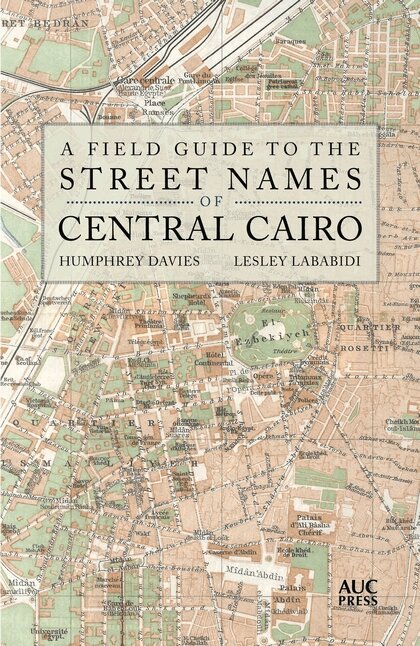
The map of a city is a palimpsest of its history. In Cairo, people, places, events, and even dates have lent their names to streets, squares, and bridges, only for those names often to be replaced, and then replaced again, and even again, as the city and the country imagine and reimagine their past. The resident, wandering boulevards and cul-de-sacs, finds signs; the reader, perusing novels and histories, finds references. Who were ?Abd el-Khaleq Sarwat Basha or Yusef el-Gindi that they should have streets named after them? Who was Nubar Basha and why did his street move from the north of the city to its center in 1933? Why do older maps show two squares called Bab el-Luq, while modern maps show none? Focusing on the part of the city created in the wake of Khedive Ismail’s command, given in 1867, to create a “Paris on the Nile” on the muddy lands between medieval Cairo and the river, A Field Guide to the Street Names of Cairo lists more than five hundred current and three hundred former appellations. Current street names are listed in alphabetical order, with an explanation of what each commemorates and when it was first recorded, followed by the same for its predecessors. An index allows the reader to trace streets whose names have disappeared or that have never achieved more than popular status. This is a book that will satisfy the curiosity of all, be they citizens, long-term residents, or visitors, who are fascinated by this most multi-layered of cities and wish to understand it better.