Hwasook B. Nam - Böcker
Visar alla böcker från författaren Hwasook B. Nam. Handla med fri frakt och snabb leverans.
4 produkter
4 produkter
1 627 kr
Skickas inom 7-10 vardagar
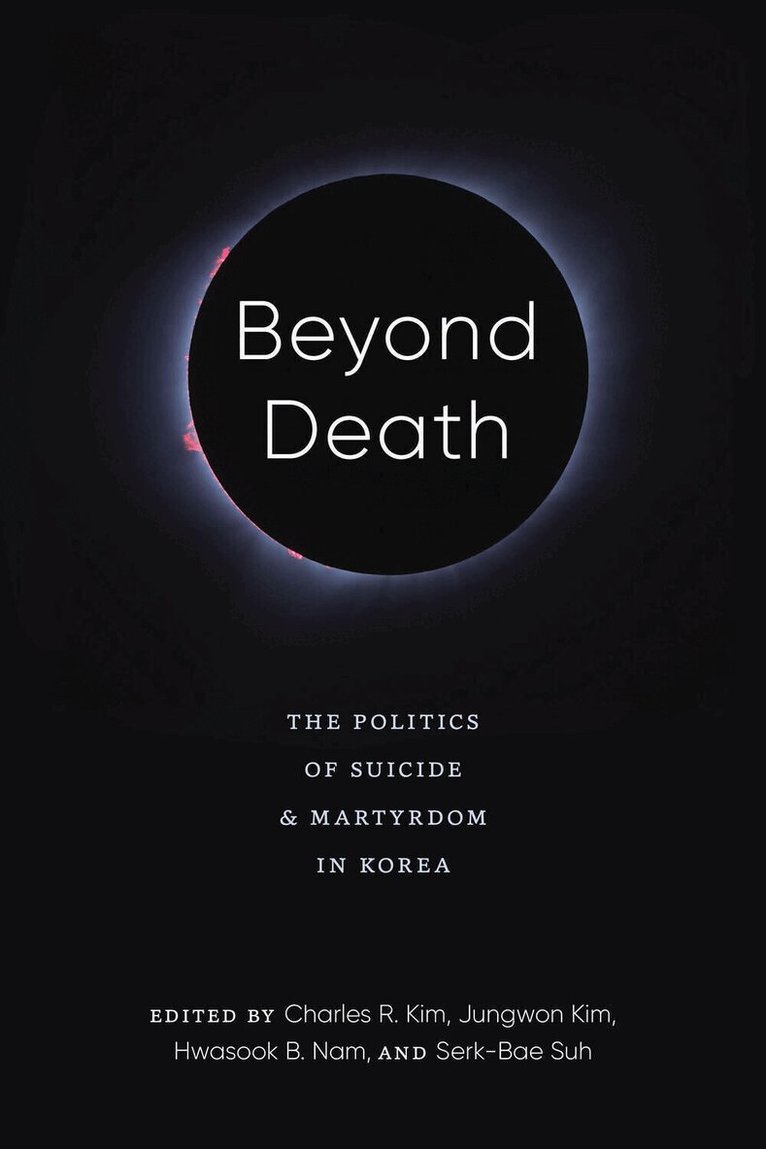
Suicide and martyrdom are closely intertwined with Korean social and political processes. In this first book-length study of the evolving ideals of honorable death and martyrdom from the Chosŏn Dynasty (1392–1910) to contemporary South Korea, interdisciplinary essays explore the changing ways in which Korean historical agents have considered what constitutes a sociopolitically meaningful death and how the surviving community should remember such events.Among the topics covered are the implications of women’s chaste suicides and men’s righteous killings in the evolving Confucian-influenced social order of the latter half of the Chosŏn Dynasty; changing nation-centered constructions of sacrifice and martyrdom put forth by influential intellectual figures in mid-twentieth-century South Korea, which were informed by the politics of postcolonial transition and Cold War ideology; and the decisive role of martyrdom in South Korea’s interlinked democracy and labor movements, including Chun Tae-il’s self-immolation in 1970, the loss of hundreds of lives during the Kwangju Uprising of 1980, and the escalation of protest suicides in the 1980s and early 1990s.
650 kr
Skickas inom 7-10 vardagar
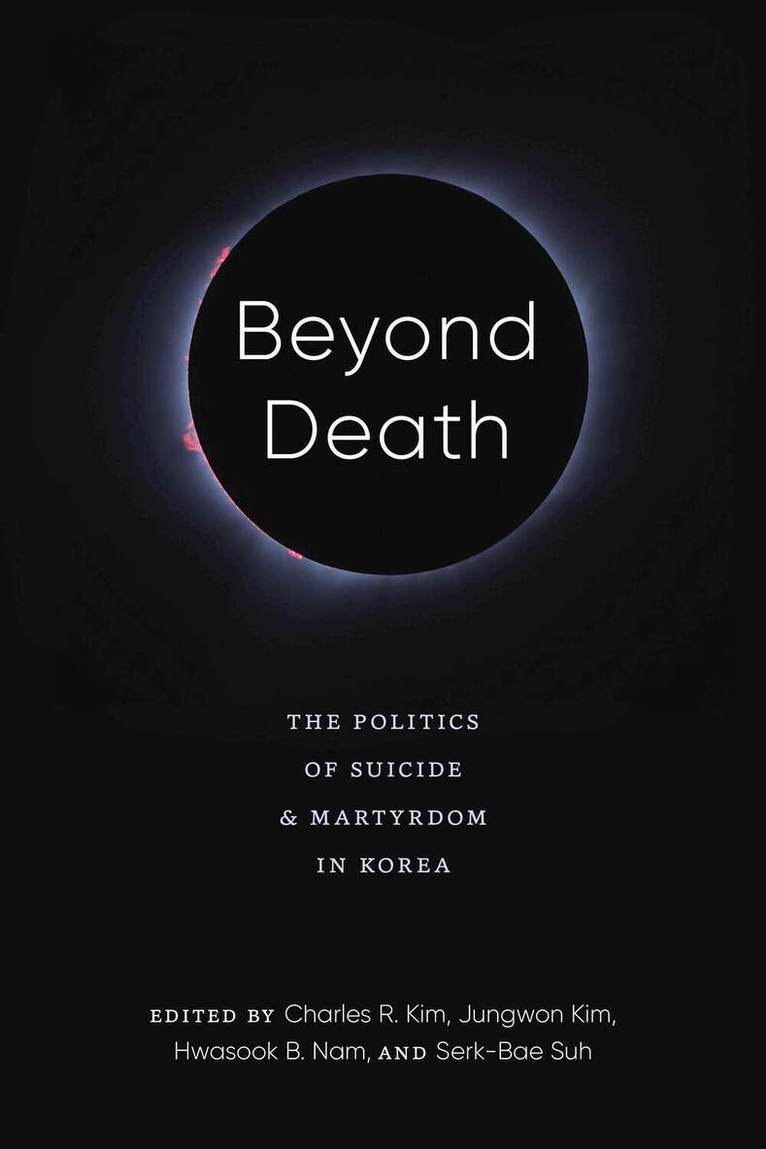
Suicide and martyrdom are closely intertwined with Korean social and political processes. In this first book-length study of the evolving ideals of honorable death and martyrdom from the Chosŏn Dynasty (1392–1910) to contemporary South Korea, interdisciplinary essays explore the changing ways in which Korean historical agents have considered what constitutes a sociopolitically meaningful death and how the surviving community should remember such events.Among the topics covered are the implications of women's chaste suicides and men's righteous killings in the evolving Confucian-influenced social order of the latter half of the Chosŏn Dynasty; changing nation-centered constructions of sacrifice and martyrdom put forth by influential intellectual figures in mid-twentieth-century South Korea, which were informed by the politics of postcolonial transition and Cold War ideology; and the decisive role of martyrdom in South Korea's interlinked democracy and labor movements, including Chun Tae-il's self-immolation in 1970, the loss of hundreds of lives during the Kwangju Uprising of 1980, and the escalation of protest suicides in the 1980s and early 1990s.
Building Ships, Building a Nation
Korea's Democratic Unionism Under Park Chung Hee
Inbunden, Engelska, 2011
1 739 kr
Skickas inom 3-6 vardagar
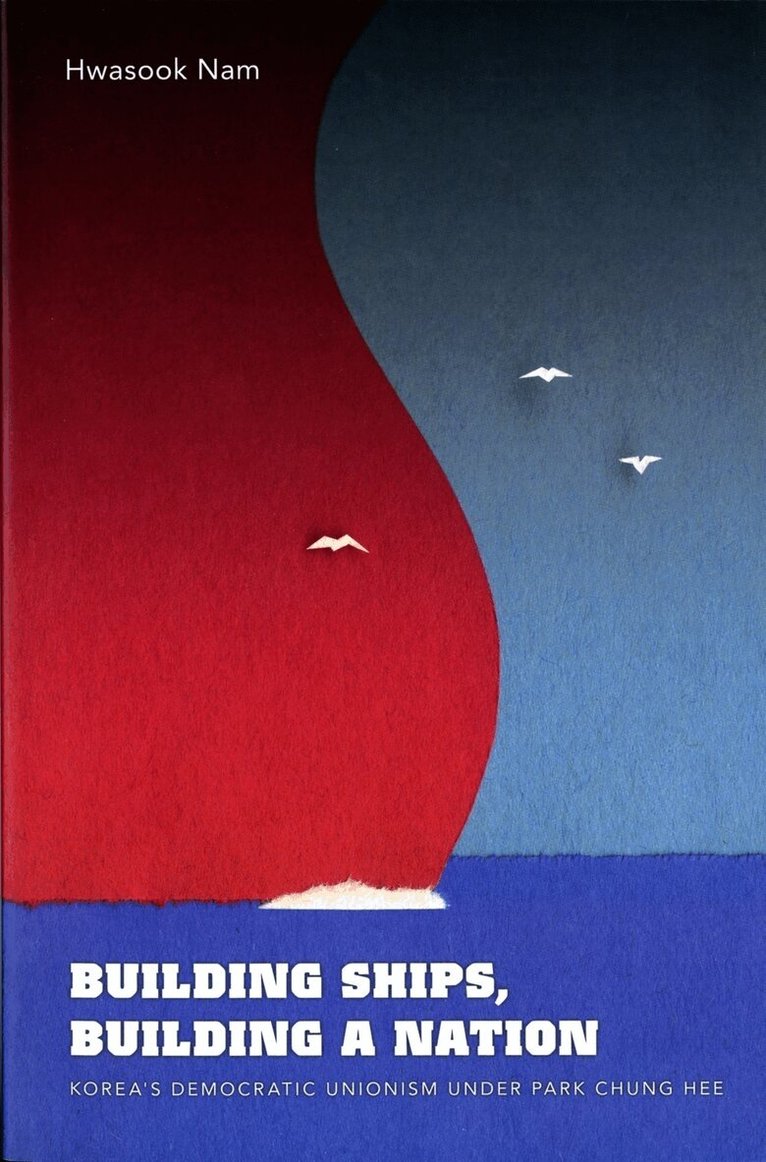
Building Ships, Building a Nation examines the rise and fall, during the rule of Park Chung Hee (1961-79), of the combative labor union at the Korea Shipbuilding and Engineering Corporation (KSEC), which was Korea's largest shipyard until Hyundai appeared on the scene in the early 1970s. Drawing on the union's extraordinary and extensive archive, Hwasook Nam focuses on the perceptions, attitudes, and discourses of the mostly male heavy-industry workers at the shipyard and on the historical and sociopolitical sources of their militancy. Inspired by legacies of labor activism from the colonial and immediate postcolonial periods, KSEC union workers fought for equality, dignity, and a voice for labor as they struggled to secure a living wage that would support families.The standard view of the South Korean labor movement sees little connection between the immediate postwar era and the period since the 1970s and largely denies positive legacies coming from the period of Japanese colonialism in Korea. Contrary to this conventional view, Nam charts the importance of these historical legacies and argues that the massive mobilization of workers in the postwar years, even though it ended in defeat, had a major impact on the labor movement in the following decades.
Building Ships, Building a Nation
Korea's Democratic Unionism Under Park Chung Hee
Häftad, Engelska, 2011
518 kr
Skickas inom 7-10 vardagar
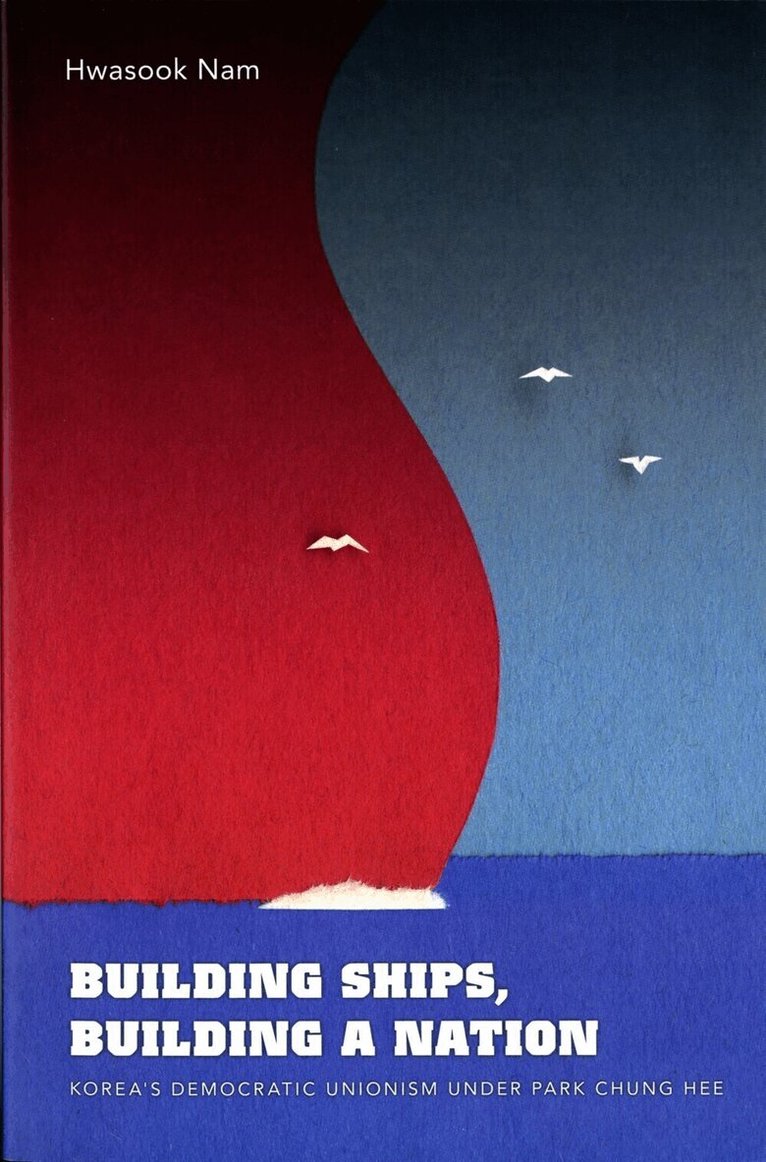
Building Ships, Building a Nation examines the rise and fall, during the rule of Park Chung Hee (1961-79), of the combative labor union at the Korea Shipbuilding and Engineering Corporation (KSEC), which was Korea's largest shipyard until Hyundai appeared on the scene in the early 1970s. Drawing on the union's extraordinary and extensive archive, Hwasook Nam focuses on the perceptions, attitudes, and discourses of the mostly male heavy-industry workers at the shipyard and on the historical and sociopolitical sources of their militancy. Inspired by legacies of labor activism from the colonial and immediate postcolonial periods, KSEC union workers fought for equality, dignity, and a voice for labor as they struggled to secure a living wage that would support families.The standard view of the South Korean labor movement sees little connection between the immediate postwar era and the period since the 1970s and largely denies positive legacies coming from the period of Japanese colonialism in Korea. Contrary to this conventional view, Nam charts the importance of these historical legacies and argues that the massive mobilization of workers in the postwar years, even though it ended in defeat, had a major impact on the labor movement in the following decades.