Ian C. Beavis - Böcker
Visar alla böcker från författaren Ian C. Beavis. Handla med fri frakt och snabb leverans.
7 produkter
7 produkter
1 897 kr
Skickas inom 7-10 vardagar
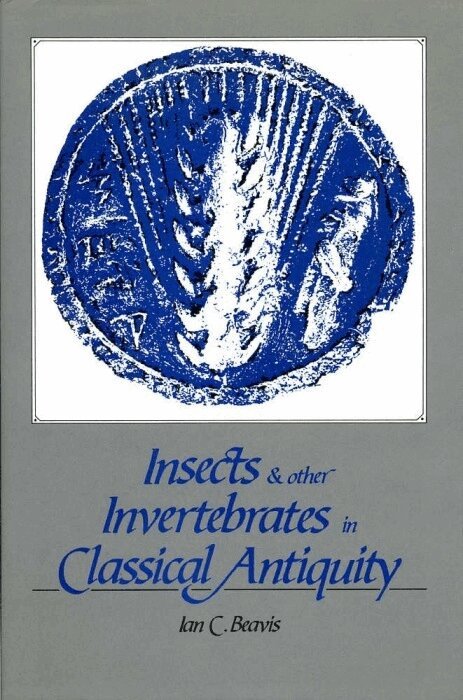
A comprehensive survey of insects and terrestrial invertebrates (worms, scorpions, spiders, etc) in Antiquity.
1 023 kr
Skickas inom 7-10 vardagar
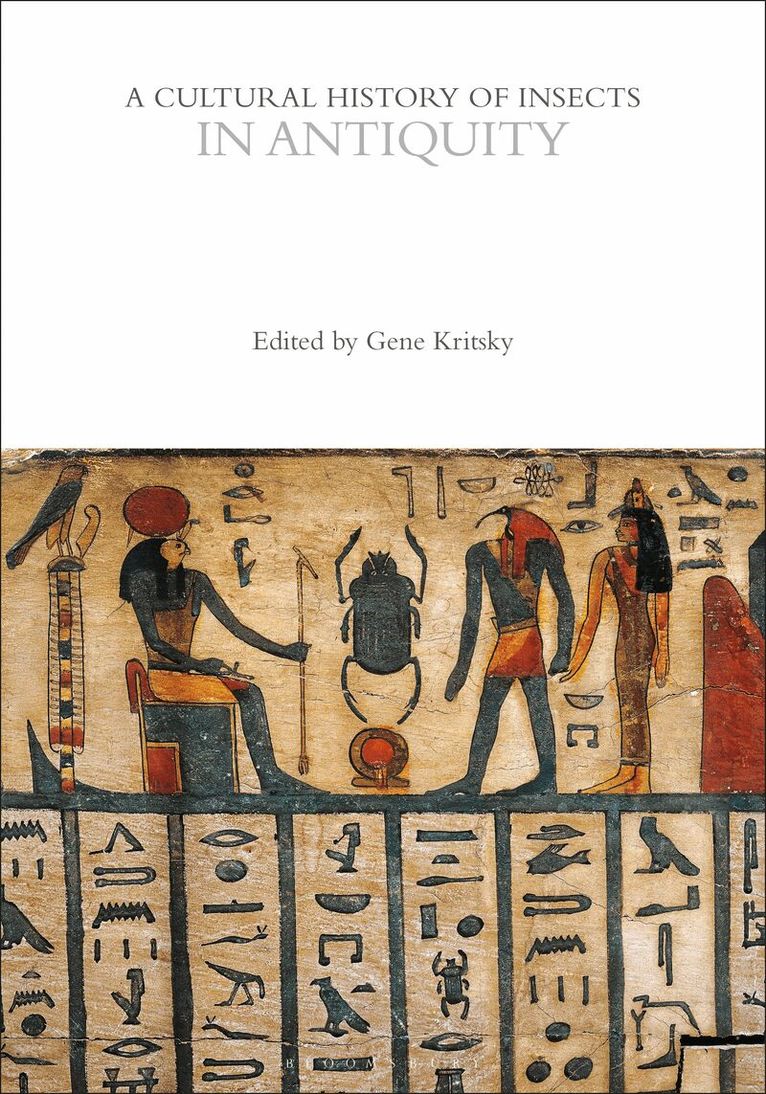
A Cultural History of Insects in Antiquity covers the period from 1000 BCE to 500 CE. As different cultures expanded so did their interactions with insects, largely seen as vectors of disease and as agricultural and bodily pests. However, as knowledge of insects grew, insect products were developed, notably honey or beeswax as used in food, preservation, medicine, and religious ritual. Insects were feared but were also invested with great power, even sanctity. The jewelry of ancient Egypt, Greece, and Rome fashioned insects into symbols of the beauty of nature, whilst literary and sacred texts transformed insects into metaphors for fertility and immortality. The six-volume set of the Cultural History of Insects presents the first comprehensive history from antiquity to today of all forms and aspects of human-insect interaction. The themes covered in each volume are insect knowledge; insects and disease; insects and food; insect products; insects in mythology and religion; insects as symbols; insects in literature and language; and insects in art.
1 023 kr
Skickas inom 7-10 vardagar
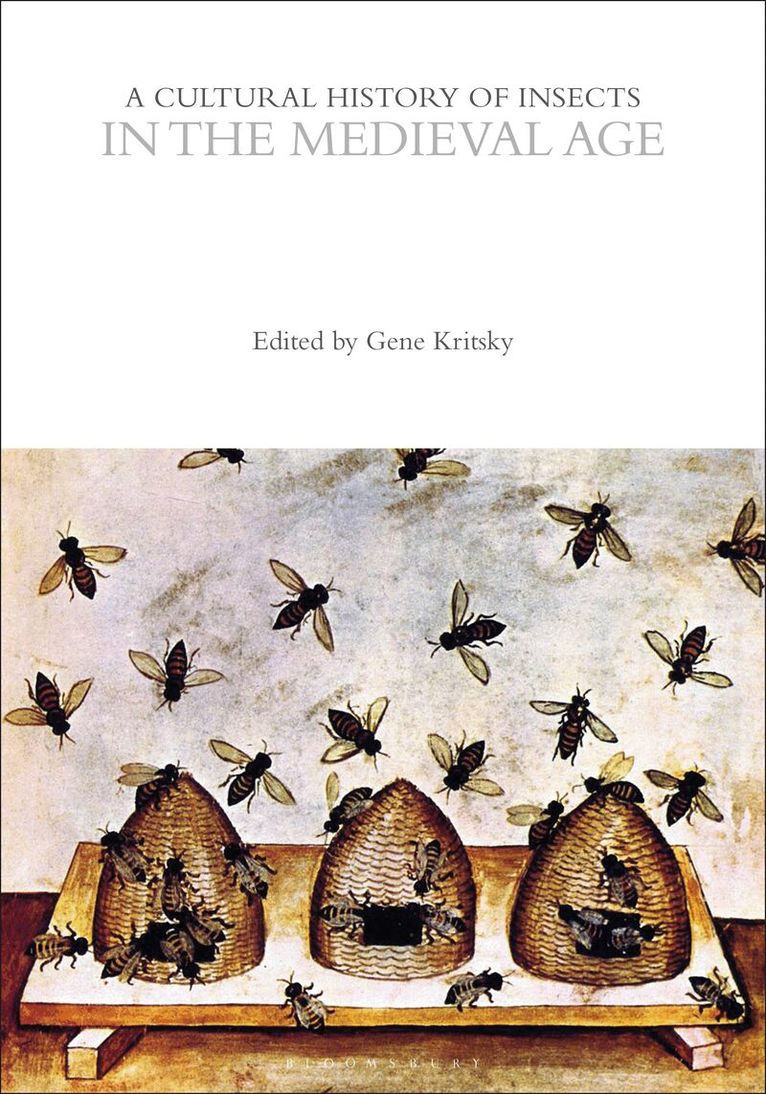
A Cultural History of Insects in the Medieval Age covers the period from 500 to 1300, a time when the uses and value of insect products greatly increased. Silk, in particular, created economies and led to increased global trade; trade which, in turn, expanded the scope of insect-borne disease. The explosion in writing in the Middle Ages relied on inks, dyes, and waxes actively produced by insects or extracted from their crushed bodies. More visibly, insects began to teem across the pages of illuminated manuscripts, becoming symbols of divine order, earthly corruption, and ephemeral beauty.The six-volume set of the Cultural History of Insects presents the first comprehensive history from antiquity to today of all forms and aspects of human-insect interaction. The themes covered in each volume are insect knowledge; insects and disease; insects and food; insect products; insects in mythology and religion; insects as symbols; insects in literature and language; and insects in art.
1 023 kr
Skickas inom 7-10 vardagar
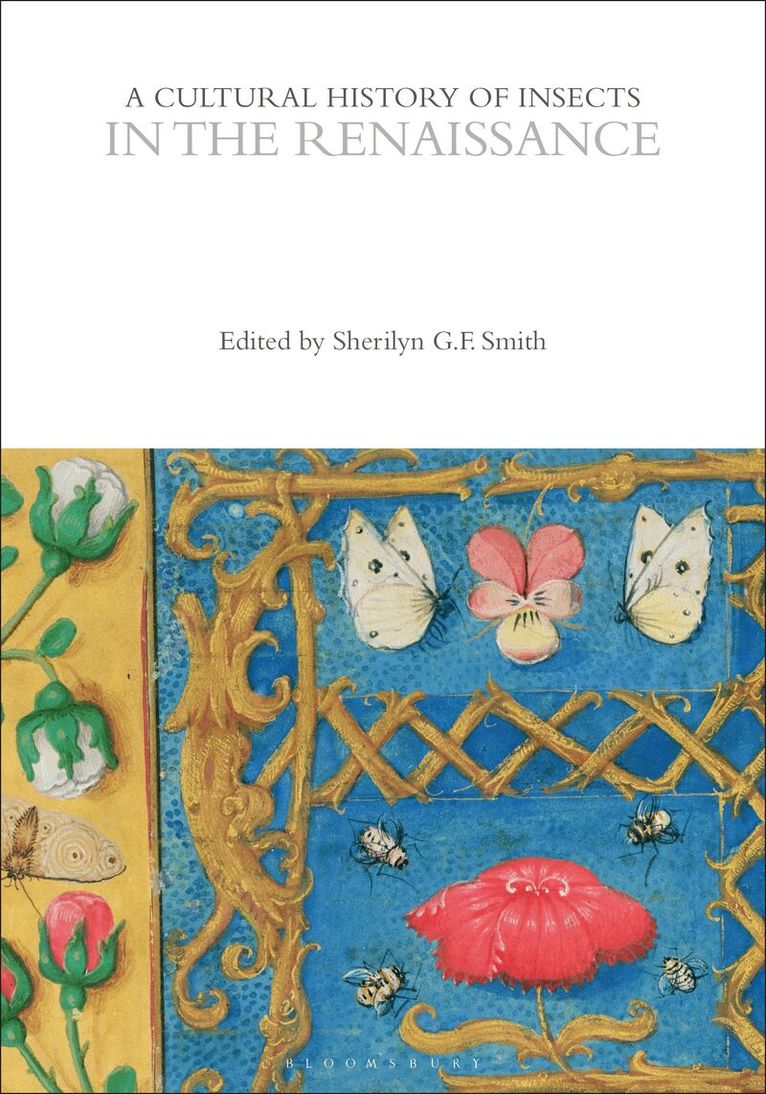
A Cultural History of Insects in the Renaissance covers the period from 1300 to 1600, examining the profound impact of insects on the flowering of culture. In the early part of this period, the unprecedented number of deaths caused by the Plague – spread in part by fleas – encouraged the later rise of a middle class. Meanwhile, much of the wealth which funded Renaissance politics and patronage came from trade in honey, silk, and insect dyes, notably cochineal, one of the most valuable exports from the New World. And, as perceptions of humans and the natural world changed, interest in insects shifted from the symbolic to the scientific. The six-volume set of the Cultural History of Insects presents the first comprehensive history from antiquity to today of all forms and aspects of human-insect interaction. The themes covered in each volume are insect knowledge; insects and disease; insects and food; insect products; insects in mythology and religion; insects as symbols; insects in literature and language; and insects in art.
1 023 kr
Skickas inom 7-10 vardagar
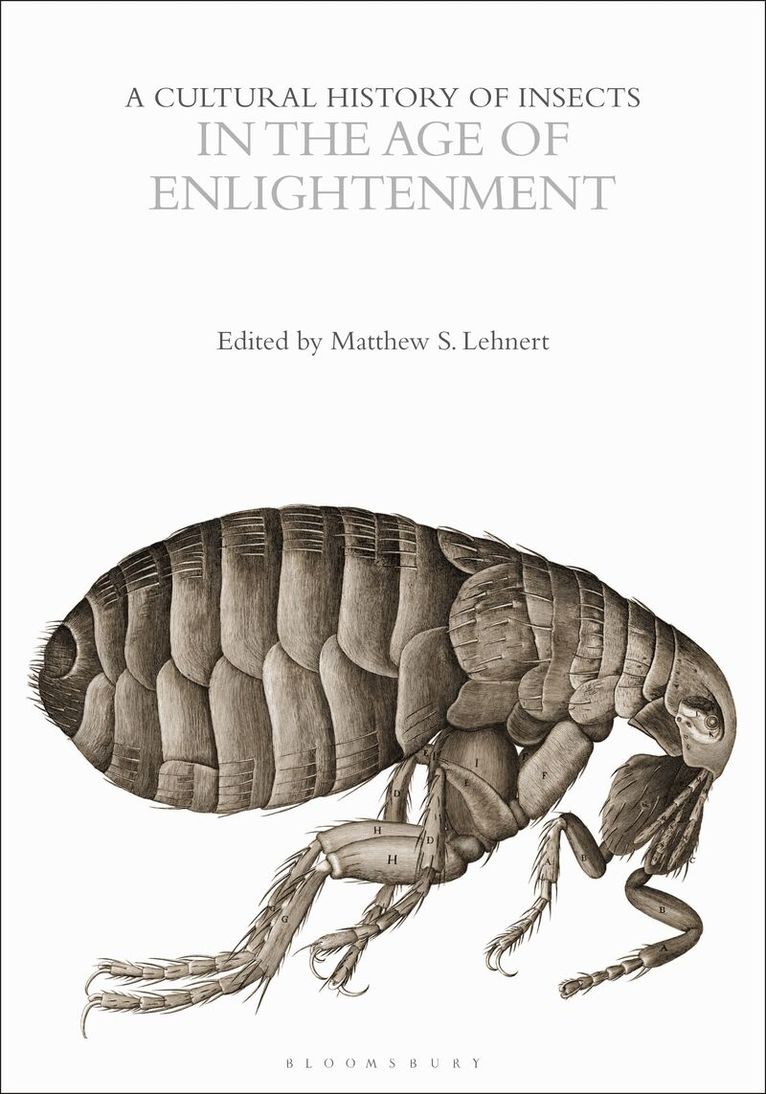
A Cultural History of Insects in the Age of Enlightenment covers the period from 1600 to 1820, a time of global exploration, the discovery of species, and advances in scientific technologies and methods. The natural sciences were increasingly shaped by what could be seen, observed, and classified. This new, Enlightenment approach to knowledge was greatly facilitated by enormous advances in microscopy. Enlightenment entomologists used miscrosopes to examine previously invisible bodies and worlds, illuminating insect metamorphosis and establishing the field of insect morphology. The six-volume set of the Cultural History of Insects presents the first comprehensive history from antiquity to today of all forms and aspects of human-insect interaction. The themes covered in each volume are insect knowledge; insects and disease; insects and food; insect products; insects in mythology and religion; insects as symbols; insects in literature and language; and insects in art.
1 023 kr
Skickas inom 7-10 vardagar
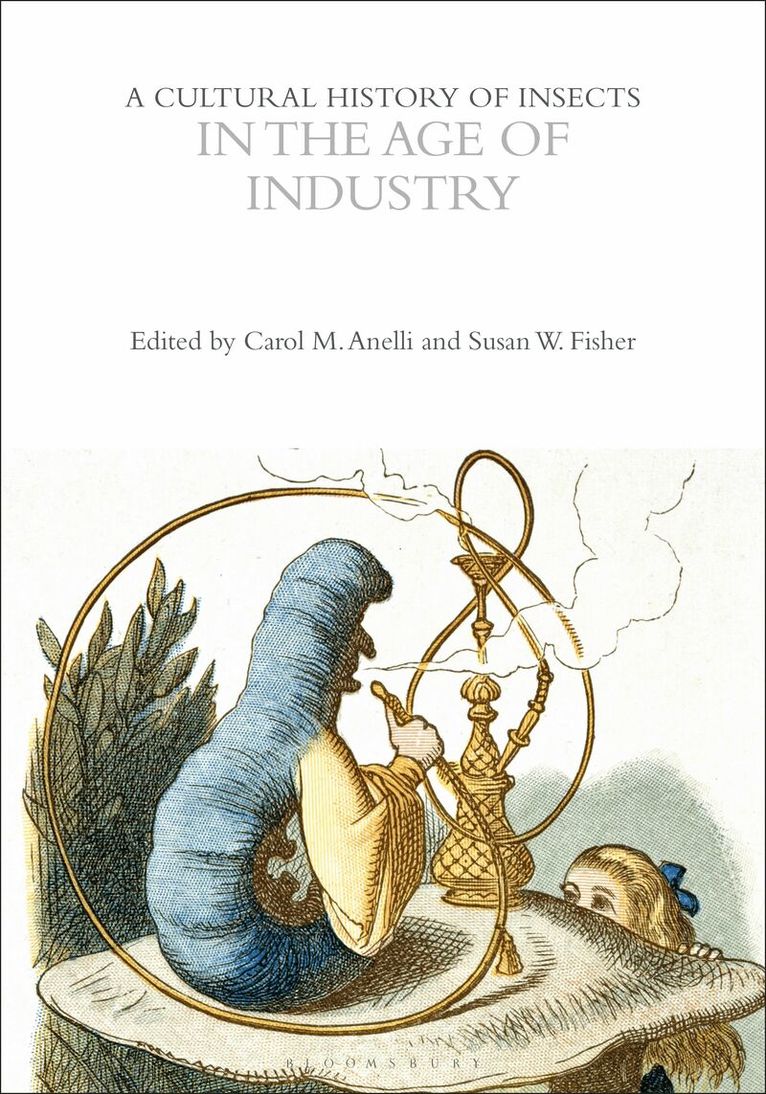
A Cultural History of Insects in the Age of Industry covers the period from 1820 to 1920, a time of great technological innovation and intensified trade. As urban populations spread so did pollution, squalor, and disease – and so did education and scientific knowledge. The expeditions of nineteenth century naturalists such as Charles Darwin and Alfred Russel Wallace fed the natural history collections of museums. At the same time, with the formation of new scientific groups and societies, professional entomology emerged as a specific branch of science. Knowledge of insect diversity accelerated whilst the increasing demands on agricultural production foregrounded the work of entomologists on pest control. The six-volume set of the Cultural History of Insects presents the first comprehensive history from antiquity to today of all forms and aspects of human-insect interaction. The themes covered in each volume are insect knowledge; insects and disease; insects and food; insect products; insects in mythology and religion; insects as symbols; insects in literature and language; and insects in art.
1 023 kr
Skickas inom 7-10 vardagar
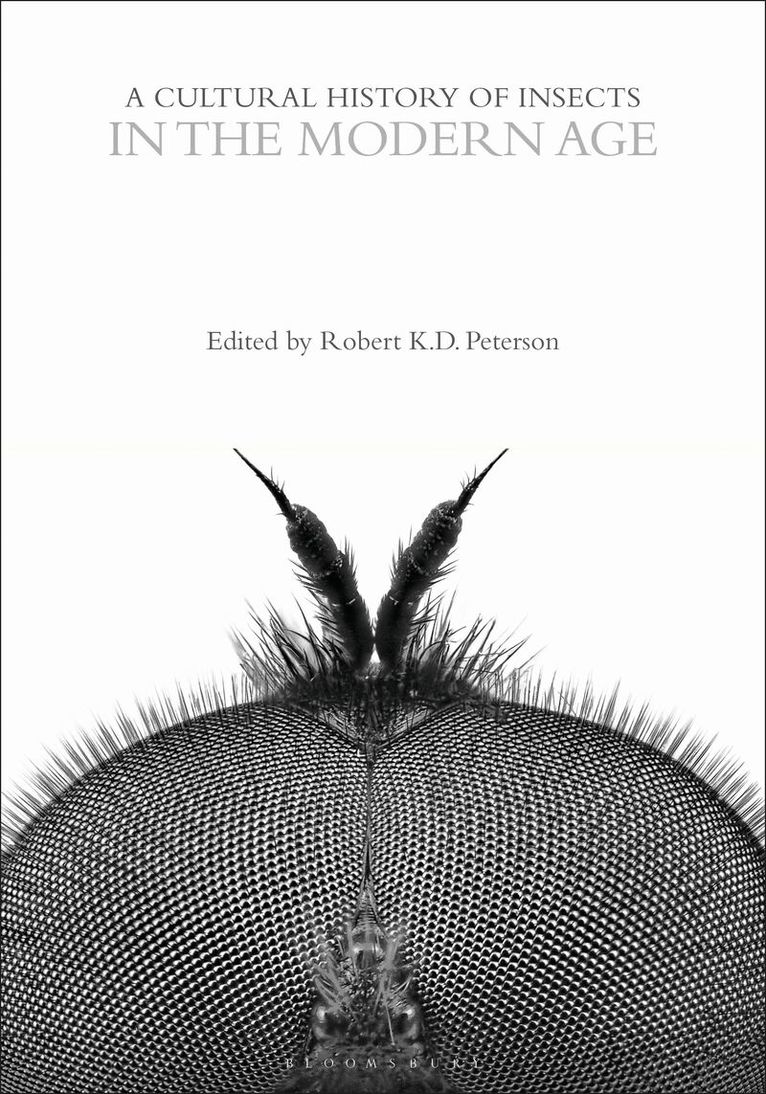
A Cultural History of Insects in the Modern Age covers the period from 1920 to the present, a time of tremendous scientific advances in our understanding of insects and their place in the natural world. The age ushered in an optimism fueled by the power of science and technology to improve the human condition and included stunning achievements in managing insect pests in the first half of the century. Today, although insects are recognised as cultural symbols of natural harmony and as bellwethers of ecological damage, our irrational fears continue, transforming insects into metaphors of invasion, alienation, and decay across literature, art, music, film, and political rhetoric.The six-volume set of the Cultural History of Insects presents the first comprehensive history from antiquity to today of all forms and aspects of human-insect interaction. The themes covered in each volume are insect knowledge; insects and disease; insects and food; insect products; insects in mythology and religion; insects as symbols; insects in literature and language; and insects in art.