E-bok
PDF, Engelska, 2026813 kr
Läs direkt efter köp
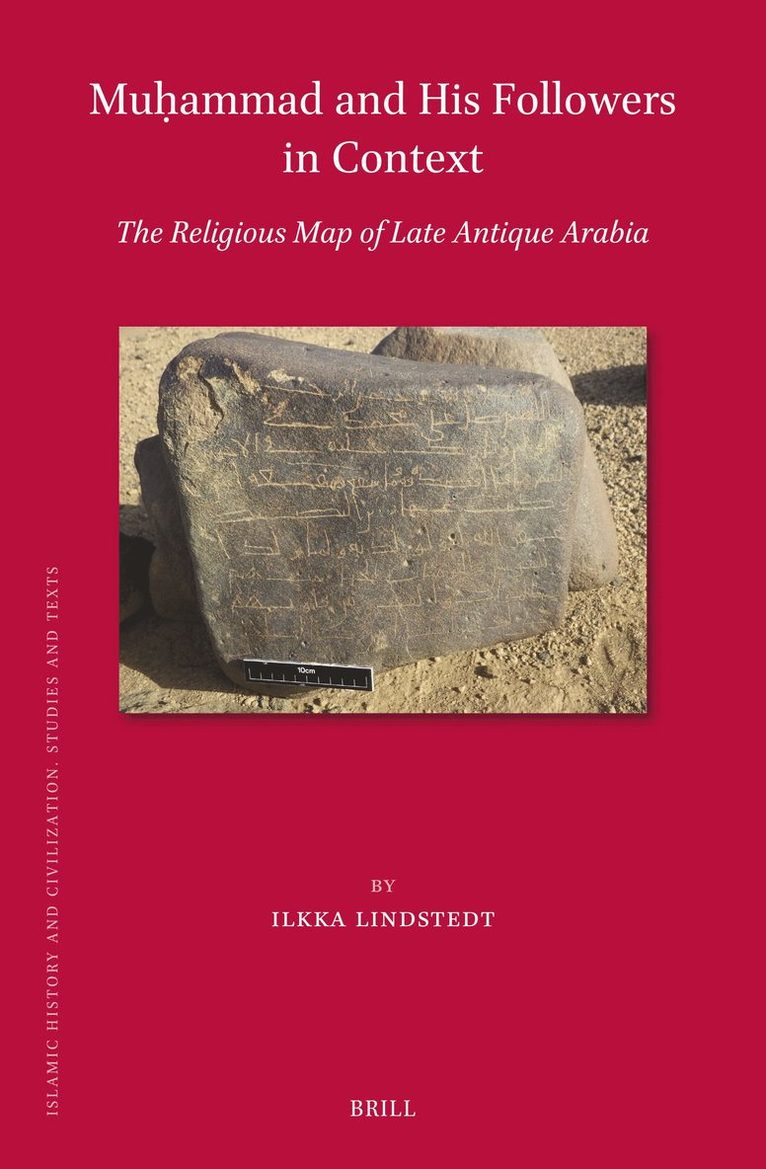
The studies in this book deal with religious groups and notions in late antique Arabia (ca. 150-750 CE), drawing especially on inscriptions and other contemporary sources. They explore the religious and societal dynamics of Arabia during this pivotal period in world history. Islam did not emerge in a vacuum, nor was it completely sui generis; rather, the book emphasizes the existence of shared aspects and dynamic interactions with the existing faith communities in the Near East and, more specifically, the Arabian Peninsula. The studies in the book also highlight the importance of theory, which is still underutilized in the field.The studies argue for a piecemeal process of changes in religious and other social identities.They underscore the value of epigraphic evidence in studying Arabian social history - evidence that challenges conventional notions such as the portrayal of pre-Islamic Arabians as barbaric baby-murderers. This collection of studies contends that the formatting of a distinct Islamic identity was a rather slow process: before the materialization of the category Muslims, with their religion Islam, the community called themselves "e;believers"e; - a group that, according to contemporary evidence, comprised some Jews and Christians who retained aspects of their earlier identities and beliefs.This book is intended for scholars and students of pre-Islamic Arabia, early Islam, and Arabian epigraphy. It will also be of interest to anyone interested in the study of the late antique world more broadly.