Ineke Sluiter – författare
Visar alla böcker från författaren Ineke Sluiter. Handla med fri frakt och snabb leverans.
10 produkter
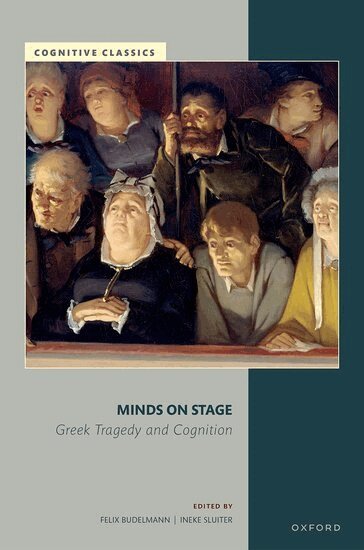
Minds on Stage
Greek Tragedy and Cognition
Av Felix Budelmann, Felix Budelmann m. fl.
Inbunden, 2023
1533 kr
Lägg i varukorg
Greek tragedy parades, tests, stimulates, and upends human cognition. Characters plot deception, try to fathom elusive gods, and fail to recognise loved ones. Spectators observe the characters' cognitive limitations and contemplate their own, grapple with moral quandaries and emotional breakdown, …
Minds on Stage
Greek Tragedy and Cognition
Av Ineke Sluiter, Felix Budelmann
E-bok, 2023
1371 kr
Lägg i varukorg
Greek tragedy parades, tests, stimulates, and upends human cognition. Characters plot deception, try to fathom elusive gods, and fail to recognise loved ones. Spectators observe the characters'' cognitive limitations and contemplate their own, grapple with moral quandaries and emotional breakdown, …
Minds on Stage
Greek Tragedy and Cognition
Av Ineke Sluiter, Felix Budelmann
E-bok, 2023
1371 kr
Lägg i varukorg
Greek tragedy parades, tests, stimulates, and upends human cognition. Characters plot deception, try to fathom elusive gods, and fail to recognise loved ones. Spectators observe the characters'' cognitive limitations and contemplate their own, grapple with moral quandaries and emotional breakdown, …
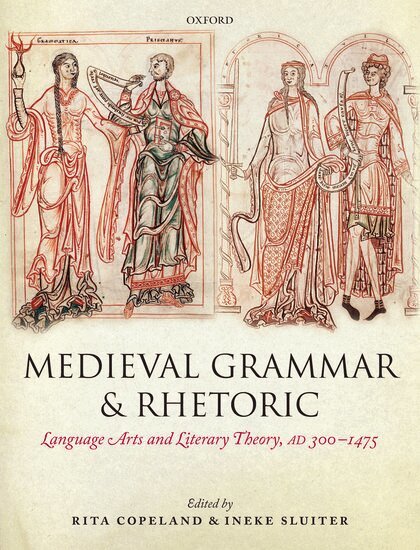
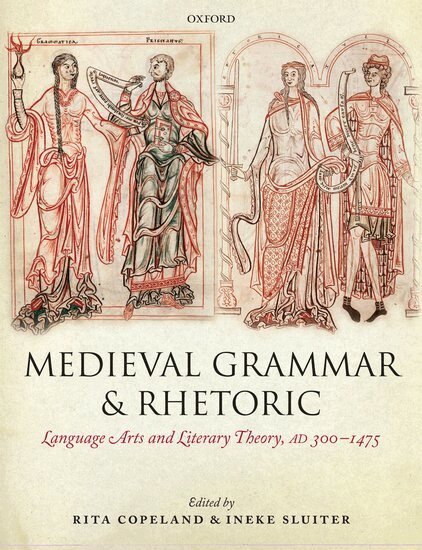
Medieval Grammar and Rhetoric
Language Arts and Literary Theory, AD 300 -1475
Av Rita Copeland, Ineke Sluiter m. fl.
Inbunden, 2009
4740 kr
Lägg i varukorg
Medieval Grammar and Rhetoric: Language Arts and Literary Theory, AD 300-1475 contributes to two fields, the history of the language arts and the history of literary theory. It brings together essential sources in the disciplines of grammar and rhetoric which were used to understand literary form …
Medieval Grammar and Rhetoric
Language Arts and Literary Theory, AD 300 -1475
Av Rita Copeland, Ineke Sluiter
Häftad, 2012
1310 kr
Lägg i varukorg
Medieval Grammar and Rhetoric: Language Arts and Literary Theory, AD 300-1475 contributes to two fields, the history of the language arts and the history of literary theory. It brings together essential sources in the disciplines of grammar and rhetoric which were used to understand literary form …
Andreia
Studies in Manliness and Courage in Classical Antiquity
Inbunden, 2002
2475 kr
Lägg i varukorg
This volume examines the use of a central concept in the self-definition of any Greek speaking male: Andreia, the notion of courage and manliness. The nature and use of value terms quickly leads the researcher to core issues of cultural identity: through a combination of lexical or semantic and …
Free Speech in Classical Antiquity
Inbunden, 2004
4128 kr
Lägg i varukorg
This book contains a collection of essays on the notion of “Free Speech” in classical antiquity. The essays examine such concepts as “freedom of speech,” “self-expression,” and “censorship,” in ancient Greek and Roman culture from historical, philosophical, and literary perspectives. Among the many …
KAKOS, Badness and Anti-Value in Classical Antiquity
Inbunden, 2008
4985 kr
Lägg i varukorg
The fourth in a series that explores cultural and ethical values in Classical Antiquity, this volume examines the negative foils, the anti-values, against which positive value notions are conceptualized and calibrated in Classical Antiquity. Eighteen chapters address this theme from different …
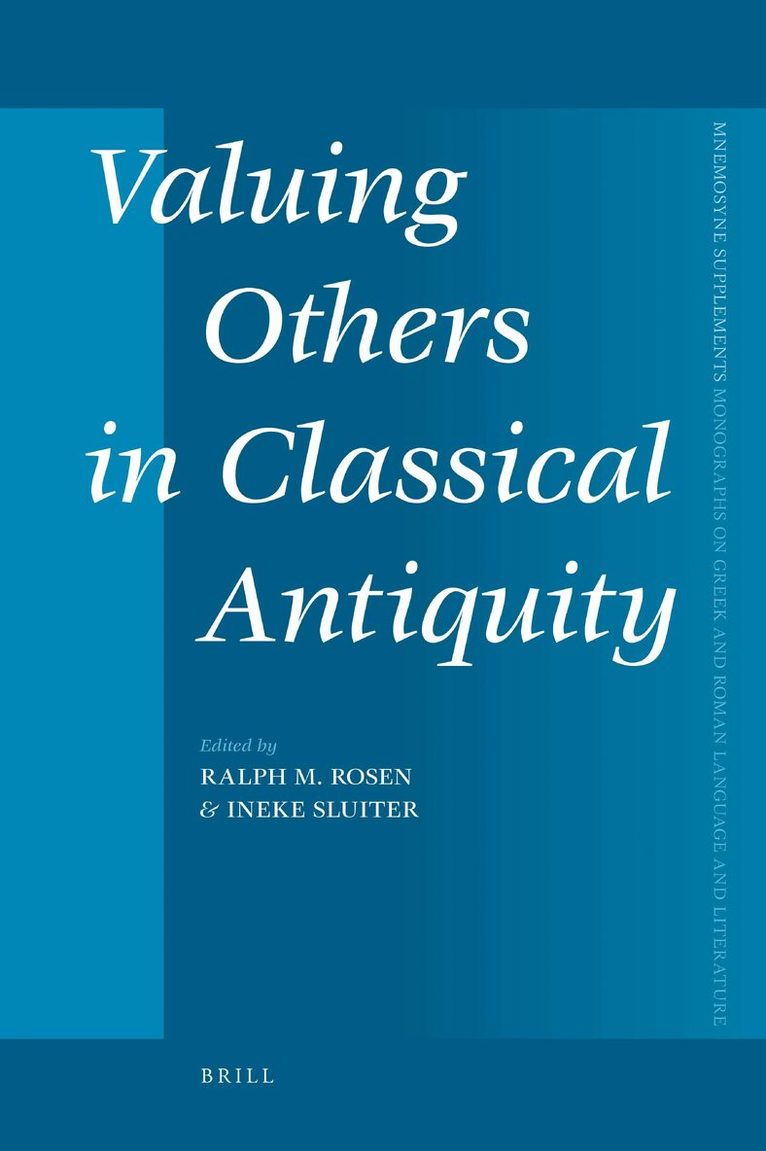
Valuing Others in Classical Antiquity
Inbunden, 2010
4214 kr
Lägg i varukorg
How does a discourse of ‘valuing others’ help to make a group a group? The fifth in a series exploring ‘ancient values’, this book investigates what value terms and evaluative concepts were used in Greece and Rome to articulate the idea that people ‘belong together’, as a family, a group, a polis, …
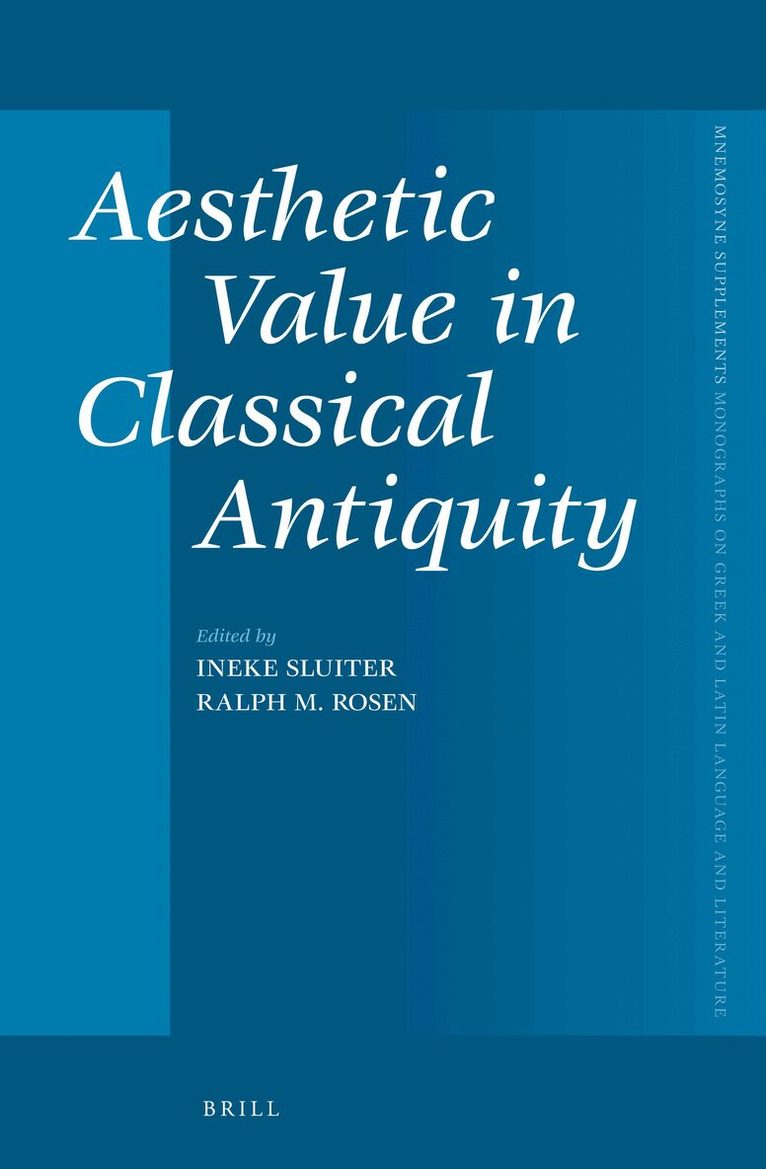
Aesthetic Value in Classical Antiquity
Av Ineke Sluiter, Ralph M. Rosen
Inbunden, 2012
3730 kr
Lägg i varukorg
How do people respond to and evaluate their sensory experiences of the natural and man-made world? What does it mean to speak of the ‘value’ of aesthetic phenomena? And in evaluating human arts and artifacts, what are the criteria for success or failure? The sixth in a series exploring ‘ancient …