Ingrid de Zwarte - Böcker
Visar alla böcker från författaren Ingrid de Zwarte. Handla med fri frakt och snabb leverans.
5 produkter
5 produkter
579 kr
Skickas inom 10-15 vardagar
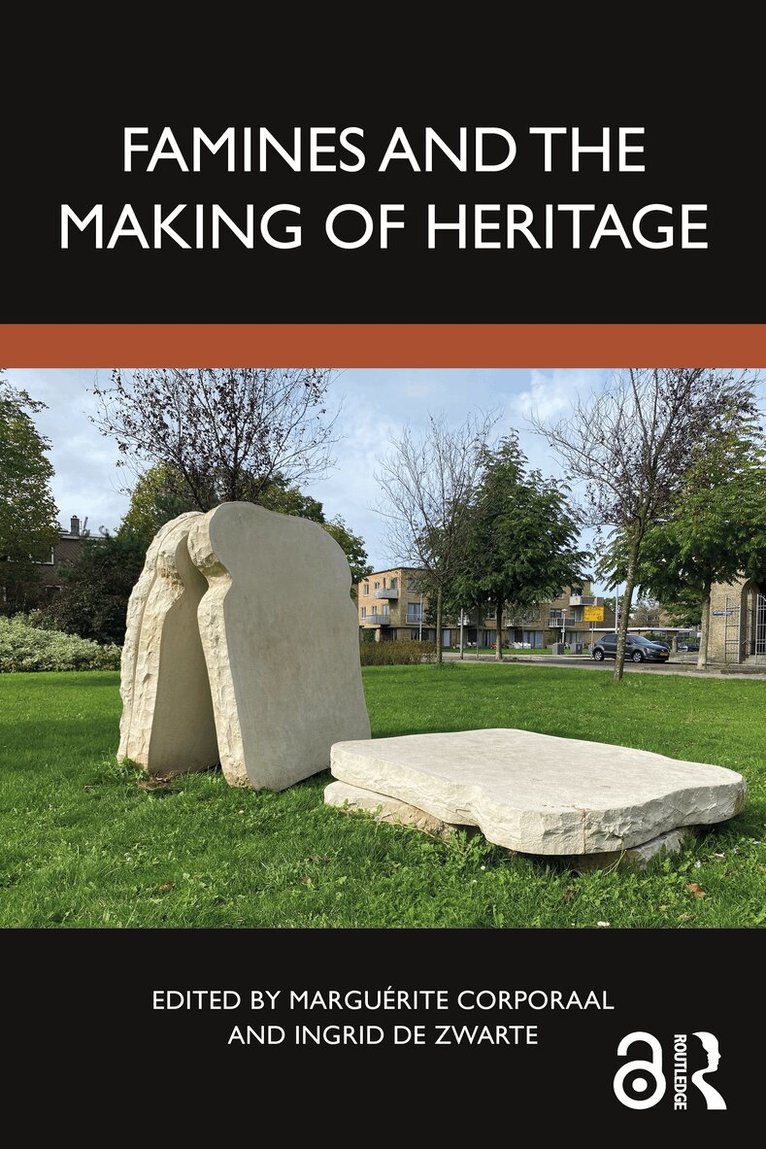
Famines and the Making of Heritage is the first book to bring together groundbreaking research on the role of European famines in the nineteenth and twentieth centuries in relation to heritage making, museology, commemoration, education, and monument creation.Featuring contributions from famine experts across Europe and North America, the volume adopts a pioneering transnational perspective, and discusses issues such as contestable and repressed heritage, materiality, dark tourism, education on famines, oral history, multidirectional memory, and visceral empathy. Questioning why educational curricula and practices in schools and on heritage sites are region- or nation-oriented or transnational, chapters also consider whether they emphasise conflict or mutual understanding. Contributions also consider how present issues of European concern – such as globalisation, commodification, human rights, poverty, and migration – intersect with the heritage and memory of modern European famines. Lastly, the book considers what role emigrant and diasporic communities within and outside Europe play in the development of famine heritage and educational practices – and whether famine heritage is accessible to them.Famines and the Making of Heritage provides a crucial resource for museum and heritage scholars, students and professionals working on or with difficult or dark heritages, as well as those interested in the study of famines and legacies of troubled pasts.
2 150 kr
Skickas inom 10-15 vardagar
Famines and the Making of Heritage is the first book to bring together groundbreaking research on the role of European famines in the nineteenth and twentieth centuries in relation to heritage making, museology, commemoration, education, and monument creation.Featuring contributions from famine experts across Europe and North America, the volume adopts a pioneering transnational perspective, and discusses issues such as contestable and repressed heritage, materiality, dark tourism, education on famines, oral history, multidirectional memory, and visceral empathy. Questioning why educational curricula and practices in schools and on heritage sites are region- or nation-oriented or transnational, chapters also consider whether they emphasise conflict or mutual understanding. Contributions also consider how present issues of European concern – such as globalisation, commodification, human rights, poverty, and migration – intersect with the heritage and memory of modern European famines. Lastly, the book considers what role emigrant and diasporic communities within and outside Europe play in the development of famine heritage and educational practices – and whether famine heritage is accessible to them.Famines and the Making of Heritage provides a crucial resource for museum and heritage scholars, students and professionals working on or with difficult or dark heritages, as well as those interested in the study of famines and legacies of troubled pasts.
2 150 kr
Skickas inom 10-15 vardagar
This is the first book to bring together groundbreaking scholarship focusing on the various ways in which famines result from political decision-making, and how the threat, occurrence, relief, or memory of famine is instrumentalized as a political and military tool.Contributions to this volume reveal the complexities, variations, and motivations behind the instrumentalization of famine by political actors and regimes, and how the politics of perpetrating hunger and the politics of relieving it have often been intertwined. They also address how famine legacies have been subsequently politicized in public debates, educational practices, and popular media; and how these socially and politically constructed memories and myths, in turn, have shaped broader narratives about hunger and humanitarianism both in history and today.The Politics of Famine in European History and Memory provides a crucial resource for scholars and students from all disciplines interested in the study of famines, as well as those interested in the history of war and troubled pasts more generally.The Open Access version of this book, available at www.taylorfrancis.com, has been made available under a Creative Commons Attribution-Non Commercial-No Derivatives (CC-BY-NC-ND) 4.0 license.
333 kr
Skickas inom 7-10 vardagar
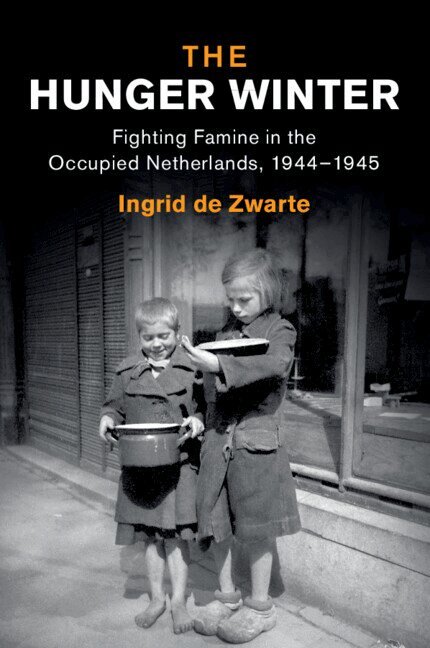
In this pioneering study, Ingrid de Zwarte examines the causes and demographic impact of the Dutch 'Hunger Winter' that occurred in the Netherlands during the final months of German occupation in the Second World War. She offers a comprehensive and multifaceted view of the socio-political context in which the famine emerged and considers how the famine was confronted at different societal levels, including the responses by Dutch, German and Allied state institutions, affected households, and local communities. Contrary to highly-politicized assumptions, she argues that the famine resulted from a culmination of multiple transportation and distribution difficulties. Although Allied relief was postponed for many crucial months and official rations fell far below subsistence level, successful community efforts to fight the famine conditions emerged throughout the country. She also explains why German authorities found reasons to cooperate and allow relief for the starving Dutch. With these explorations, The Hunger Winter offers a radically new understanding of the Dutch famine and provides a valuable insight into the strategies and coping mechanisms of a modern society facing catastrophe.
1 133 kr
Skickas inom 7-10 vardagar
In this pioneering study, Ingrid de Zwarte examines the causes and demographic impact of the Dutch 'Hunger Winter' that occurred in the Netherlands during the final months of German occupation in the Second World War. She offers a comprehensive and multifaceted view of the socio-political context in which the famine emerged and considers how the famine was confronted at different societal levels, including the responses by Dutch, German and Allied state institutions, affected households, and local communities. Contrary to highly-politicized assumptions, she argues that the famine resulted from a culmination of multiple transportation and distribution difficulties. Although Allied relief was postponed for many crucial months and official rations fell far below subsistence level, successful community efforts to fight the famine conditions emerged throughout the country. She also explains why German authorities found reasons to cooperate and allow relief for the starving Dutch. With these explorations, The Hunger Winter offers a radically new understanding of the Dutch famine and provides a valuable insight into the strategies and coping mechanisms of a modern society facing catastrophe.