Irina Shevelenko - Böcker
Visar alla böcker från författaren Irina Shevelenko. Handla med fri frakt och snabb leverans.
4 produkter
4 produkter
732 kr
Skickas inom 7-10 vardagar
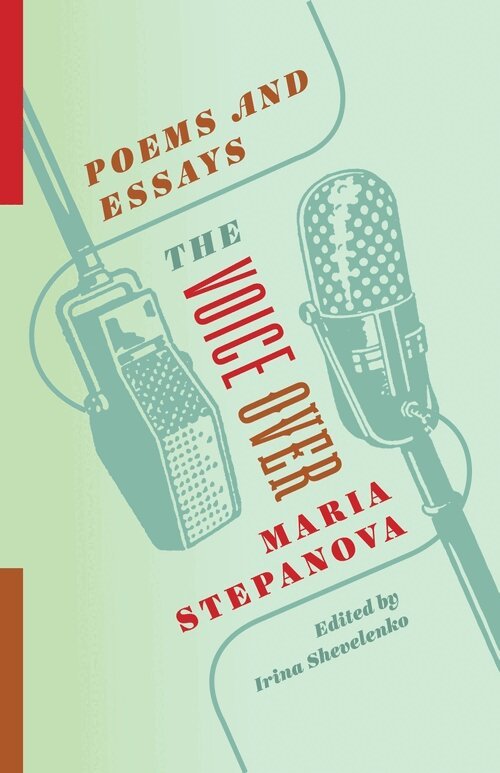
Maria Stepanova is one of the most powerful and distinctive voices of Russia’s first post-Soviet literary generation. An award-winning poet and prose writer, she has also founded a major platform for independent journalism. Her verse blends formal mastery with a keen ear for the evolution of spoken language. As Russia’s political climate has turned increasingly repressive, Stepanova has responded with engaged writing that grapples with the persistence of violence in her country’s past and present. Some of her most remarkable recent work as a poet and essayist considers the conflict in Ukraine and the debasement of language that has always accompanied war.The Voice Over brings together two decades of Stepanova’s work, showcasing her range, virtuosity, and creative evolution. Stepanova’s poetic voice constantly sets out in search of new bodies to inhabit, taking established forms and styles and rendering them into something unexpected and strange. Recognizable patterns of ballads, elegies, and war songs are transposed into a new key, infused with foreign strains, and juxtaposed with unlikely neighbors. As an essayist, Stepanova engages deeply with writers who bore witness to devastation and dramatic social change, as seen in searching pieces on W. G. Sebald, Marina Tsvetaeva, and Susan Sontag. Including contributions from ten translators, The Voice Over shows English-speaking readers why Stepanova is one of Russia’s most acclaimed contemporary writers.
189 kr
Skickas inom 7-10 vardagar
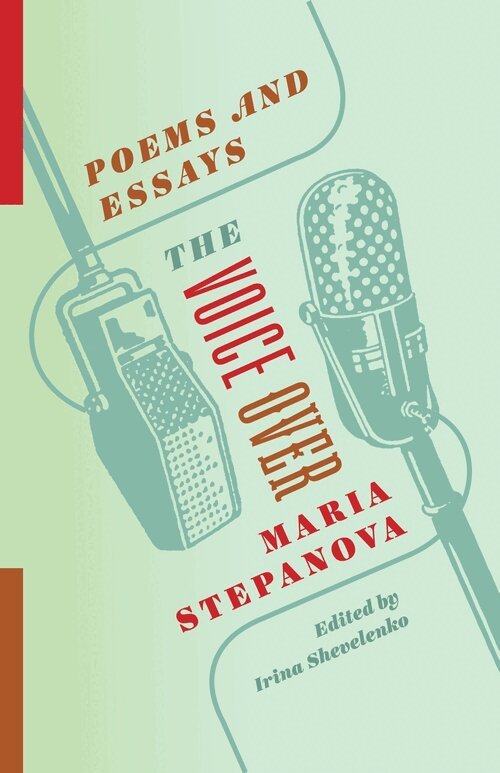
Maria Stepanova is one of the most powerful and distinctive voices of Russia’s first post-Soviet literary generation. An award-winning poet and prose writer, she has also founded a major platform for independent journalism. Her verse blends formal mastery with a keen ear for the evolution of spoken language. As Russia’s political climate has turned increasingly repressive, Stepanova has responded with engaged writing that grapples with the persistence of violence in her country’s past and present. Some of her most remarkable recent work as a poet and essayist considers the conflict in Ukraine and the debasement of language that has always accompanied war.The Voice Over brings together two decades of Stepanova’s work, showcasing her range, virtuosity, and creative evolution. Stepanova’s poetic voice constantly sets out in search of new bodies to inhabit, taking established forms and styles and rendering them into something unexpected and strange. Recognizable patterns of ballads, elegies, and war songs are transposed into a new key, infused with foreign strains, and juxtaposed with unlikely neighbors. As an essayist, Stepanova engages deeply with writers who bore witness to devastation and dramatic social change, as seen in searching pieces on W. G. Sebald, Marina Tsvetaeva, and Susan Sontag. Including contributions from ten translators, The Voice Over shows English-speaking readers why Stepanova is one of Russia’s most acclaimed contemporary writers.
990 kr
Skickas inom 10-15 vardagar
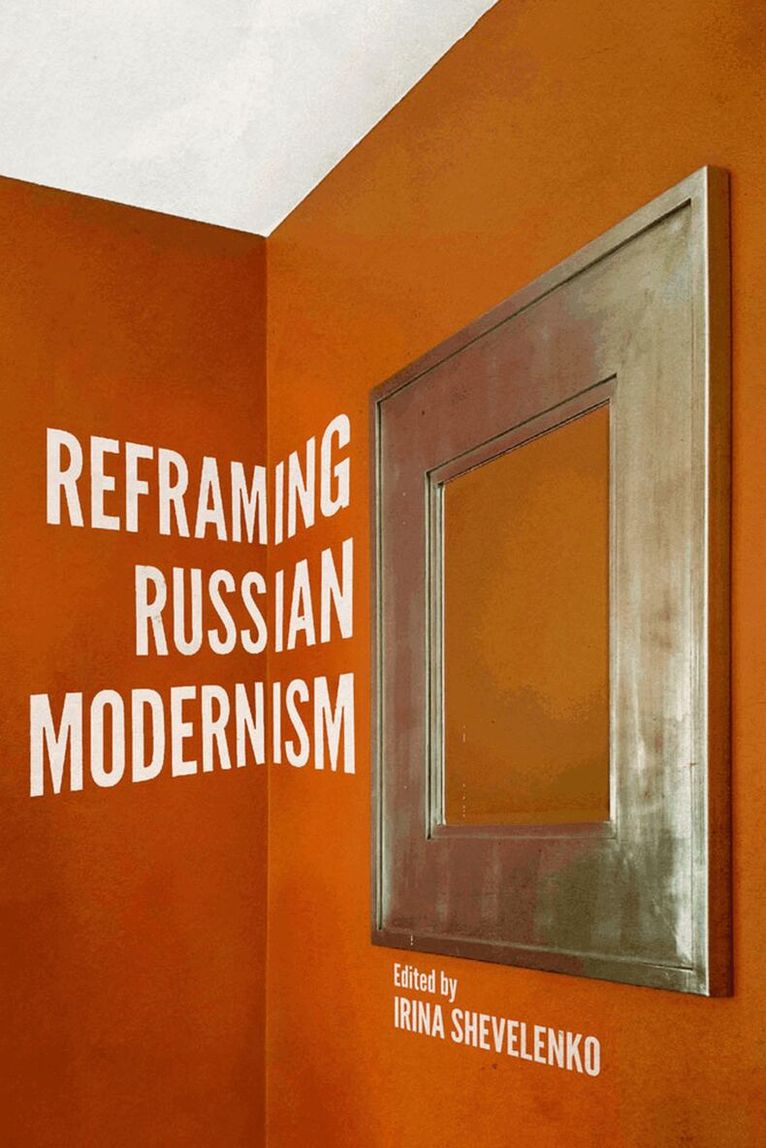
Presenting a multifaceted portrait of modernist culture in Russia, an array of distinguished scholars shows how artists and writers in the early twentieth century engaged with politics, science, and religion. At a time when many Russian social institutions looked to the past, modernist arts powerfully amplified a gamut of new ideas about individual and collective transformation.Expanding upon prior studies that focus more specifically on literary manifestations of the movement, Reframing Russian Modernism features original research that ranges broadly, from political aesthetics to Darwinism to yoga. These unique complementary perspectives counter reductionism of any kind, integrating the study of Russian modernism into the larger body of humanistic scholarship devoted to modernity.
639 kr
Skickas inom 10-15 vardagar
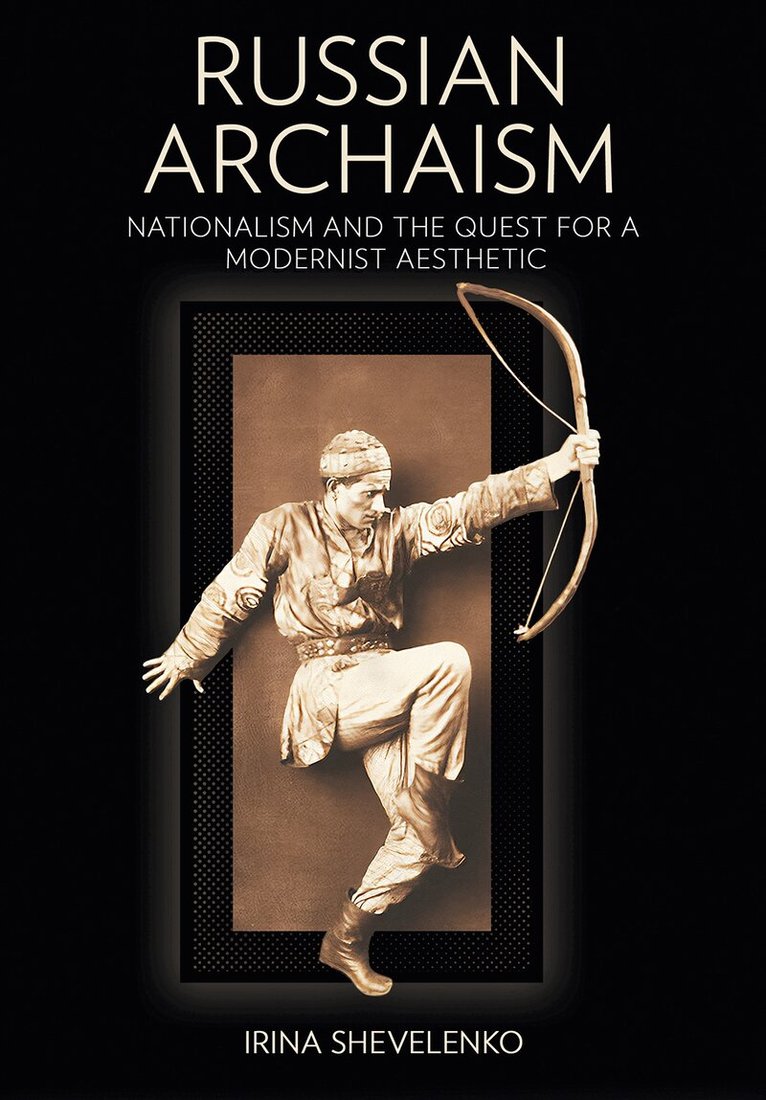
Russian Archaism considers the aesthetic quest of Russian modernism in relation to the nation-building ideas that spread in the late imperial period. Irina Shevelenko argues that the cultural milieu in Russia, where the modernist movement began as an extension of Western trends at the end of the nineteenth century, soon became captivated by nationalist indoctrination. Members of artistic groups, critics, and theorists advanced new interpretations of the goals of aesthetic experimentation that would allow them to embed the nation-building agenda within the aesthetic one. Shevelenko's book focuses on the period from the formation of the World of Art group (1898) through the Great War and encompasses visual arts, literature, music, and performance. As Shevelenko shows, it was the rejection of the Russian westernized tradition, informed by the revival of populist sensibilities across the educated class, that played a formative role in the development of Russian modernist agendas, particularly after the 1905 revolution. Russian Archaism reveals the modernist artistic enterprise as a crucial source of insight into Russia's political and cultural transformation in the early twentieth century and beyond.