Irving Rouse – författare
Visar alla böcker från författaren Irving Rouse. Handla med fri frakt och snabb leverans.
4 produkter
4 produkter
410 kr
Skickas inom 5-8 vardagar
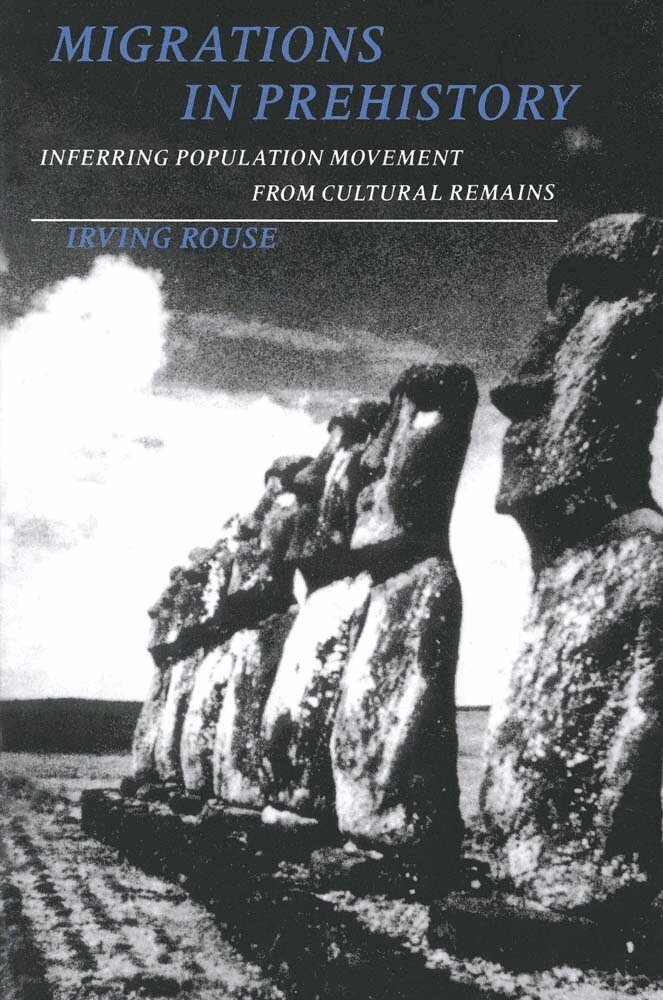
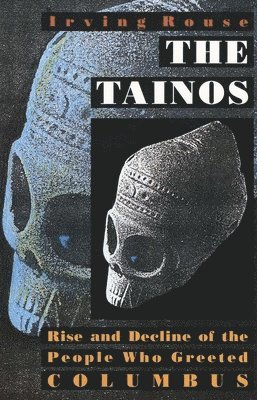
Archaeologists have developed various methods of studying cultural remains to infer population movement and other kinds of migration. Irving Rouse, author of much distinguished work in this field, here evaluates research on prehistoric migrations and explains why some of these methods have been more successful than others. Rouse begins with a discussion of the nature and ways of formulating migration hypotheses. He then focuses on four instances in which migration hypotheses have been successfully formed and tested: studies of the origins of the Polynesians, Eskimos, Japanese, and Tainos (the Indians encountered by Columbus when he discovered the New World). Contrasting these with popular but essentially fanciful postulations by authors such as Thor Heyerdahl and Barry Fell, Rouse draws conclusions about the methods of testing hypotheses, about kinds of migrations, and about their causes. He distinguishes between population movement, in which a wave of people from one area overwhelms the inhabitants of another area, and immigration, in which individuals from one area penetrate another and become absorbed into its population. Rouse argues that population movement must be studied in terms of patterns of change in the culture of the migrants, while immigration should be evaluated in terms of the cultural traits introduced by the migrants. In performing these tasks, says Rouse, archaeologists should investigate all elements of culture and should check their results against those obtained by linguists and physical anthropologists. Rouse’s work demonstrates not only the viability of the inference of population movements from archaeological evidence but also the effectiveness of collaboration and communication between branches of archaeology and anthropology. His book is a lucid exposition of an important issue. “This is carefully thought out and simply and clearly written treatment of the process, or processes, of migrations in prehistory. It will be a basic reference for all archaeologists.” –Gordon R. Willey, Peabody Museum of Archaeology and Ethnology, Harvard University
Excavations at Maria de la Cruz Cave and Hacienda Grande Village Site, Loiza, Puerto Rico: Volume 80
Häftad, Engelska
167 kr
Tillfälligt slut
161 kr
Tillfälligt slut
Del 92 - Yale University Publications in Anthropology, Yale Peabody Museum
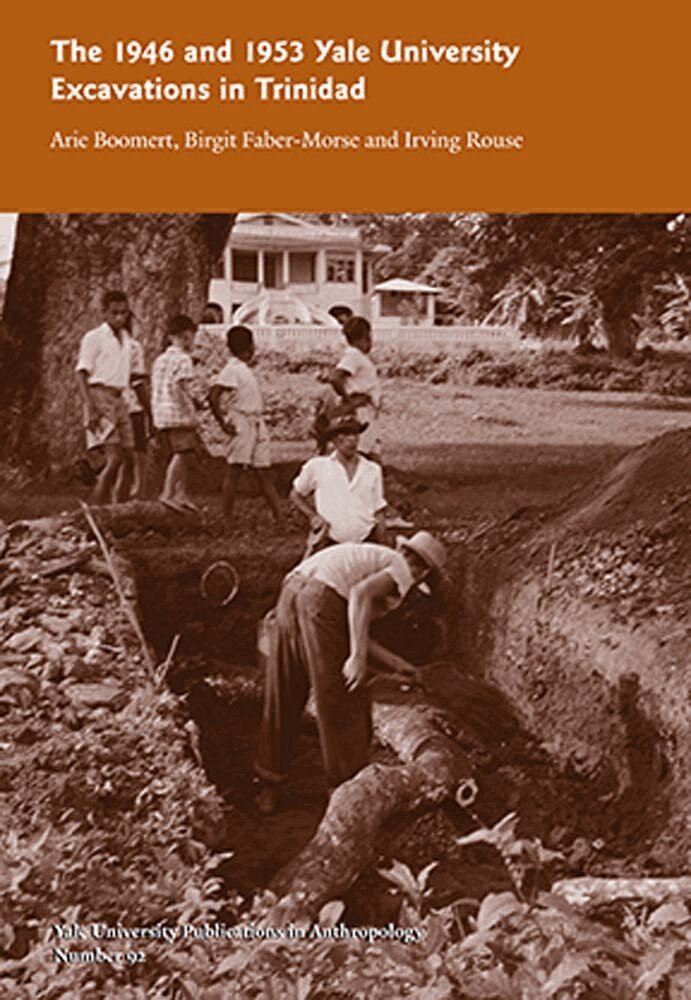
1946 and 1953 Yale University Excavations in Trinidad
Vol. # 92
Häftad, Engelska, 2013
489 kr
Skickas inom 7-10 vardagar
In 1946 and 1953, Irving “Ben” Rouse led archaeological excavations at prehistoric to protohistoric sites on the island of Trinidad. This book presents an analysis of these excavations—until now unpublished—relating the results of Rouse’s work to subsequent research at these sites by other investigators and to current knowledge of Trinidad’s cultural sequence and Amerindian ethnohistory. The first detailed study of indigenous cultural development in Trinidad covering its entire pre-Columbian through the historical Amerindian sequence, this work is a significant addition to the data on Caribbean archaeology. Distributed for the Yale Peabody Museum