Iryna Kushnir - Böcker
Visar alla böcker från författaren Iryna Kushnir. Handla med fri frakt och snabb leverans.
5 produkter
5 produkter
965 kr
Skickas inom 7-10 vardagar
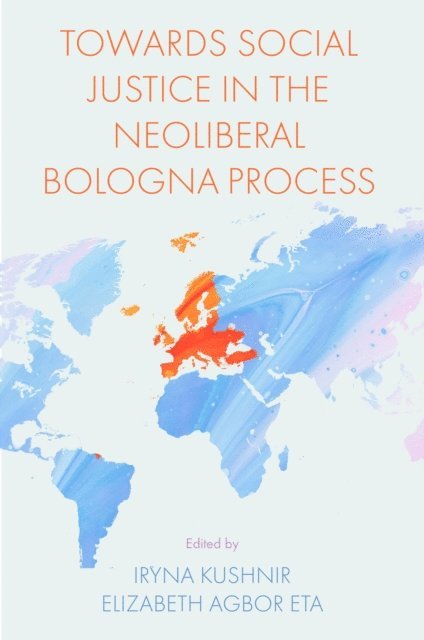
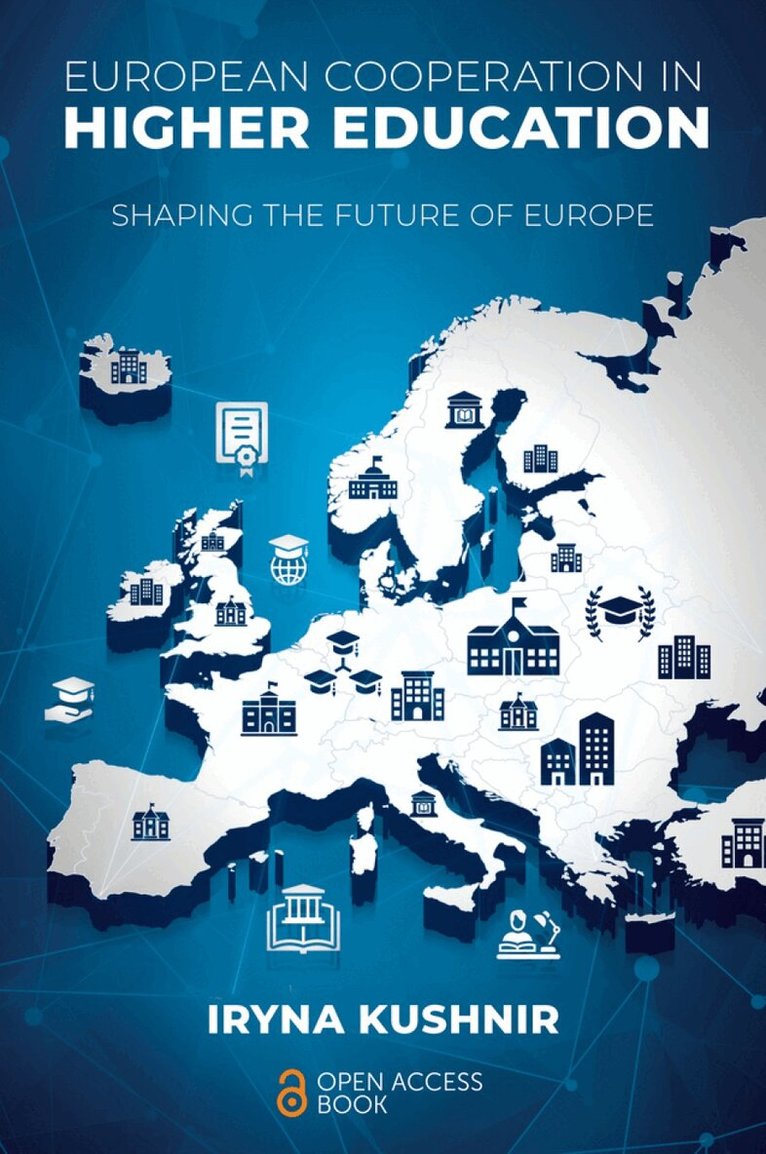
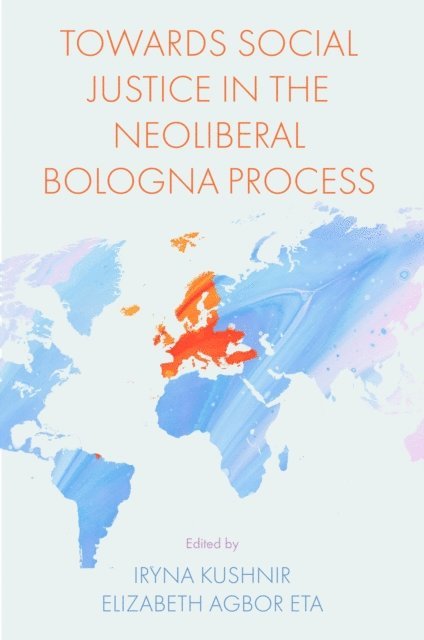
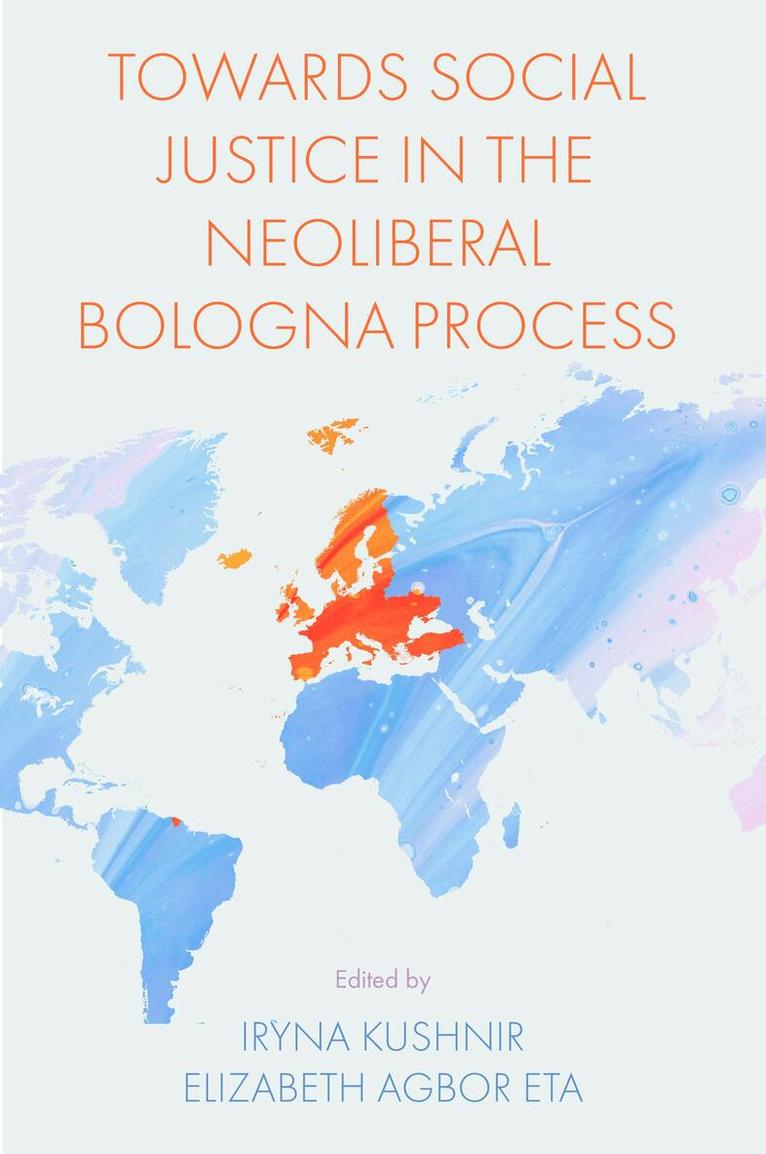
The Bologna Process created the European Higher Education Area (EHEA), establishing comparable higher education structures within the EHEA member states, but the process has also been influential in countries outside of the EHEA. The map of the EHEA on the cover page of this book presents current active members of the EHEA, following EHEA membership changes in April 2022.Towards Social Justice in the Neoliberal Bologna Process combines research from leading international scholars. The eclecticism of the perspectives shed light on the interaction between neoliberal and social justice discourses in the Bologna Process by exploring neoliberal aspects of Bologna and the growing voice of social justice. The editors present these discourses as complementary rather than opposing, contrary to popular perspectives in the wider literature. Applying this lens to the analysis of a range of Bologna’s action lines in the context of the EHEA and beyond is very important, particularly now. Identifying pitfalls in the social justice agenda in the Bologna Process calls for the attention of Bologna policymakers on the international level to address these issues in the run-up to the new 2030 EHEA deadline.This timely collection is essential reading for higher education scholars, policymakers, and postgraduate students across the EHEA, as well as countries beyond the EHEA that have been aligning their systems of education to the Bologna Process.
Education for Sustainable Development
International Case Studies of Policymaking in Higher Education
Inbunden, Engelska, 2026
993 kr
Skickas inom 7-10 vardagar
In an era where sustainable development is paramount, higher education stands as a pivotal force in shaping the future of international development. Education for Sustainable Development (ESD) explores the profound influence of higher education as a hub for human capital building, emphasising the necessity of integrating sustainability principles into academic curricula. Since the 1980s, sustainable development has emerged as a critical issue on the international policy-making agenda. However, the diverse interests and agendas of various stakeholders have rendered sustainable development an evolving and contested concept. Exploring the three interrelated pillars of sustainable development, economic growth, social inclusion, and environmental preservation, the chapters present international case studies, highlighting the fragmented yet crucial literature on policy-making in ESD within the global higher education sector.This book offers a comprehensive examination of how the higher education sector navigates the complexities of sustainable development. It is an essential read for educators, policymakers, and anyone invested in the future of sustainable development in higher education.
262 kr
Skickas inom 7-10 vardagar
The ebook edition of this title is Open Access and freely available to read online.The European Higher Education Area (EHEA) is an international initiative for the harmonisation of higher education systems in its forty-seven active members. While literature about the participation of the UK, Germany, France and Italy in the EHEA is diverse, limited research explores them jointly as the four founding members of the EHEA.Revisiting the important foundation of the Bologna Process and the wider Europeanisation agendas associated with the creation of the EHEA, Iryna Kushnir examines the perspectives from these four key higher education stakeholders of the EHEA through the lens of rationale-choice neoinstitutionalist view of Europeanisation. This allows for the theorisation of Europeanisation within the context of the EHEA, an angle which is sometimes neglected or insufficiently addressed in literature.Focusing on their interconnectedness of their EHEA membership agendas and their wider political agendas, the four case studies concentrate on the significance of their membership in the EHEA post-2020, after the Brexit transitional period and the start of a full-scale war in Ukraine. This not only deepen our understandings of Europeanisation but forces us to reflect on the broader meaning of the term and, crucially, informs EHEA international level policy-making in the run-up to EHEA’s new deadline of 2030.
Education and Sustainable Development in the Context of Crises
International Case Studies of Transformational Change
Häftad, Engelska, 2024
270 kr
Skickas inom 7-10 vardagar
The ebook edition of this title is Open Access and freely available to read online.Understanding and exploring the two-way relationship between education and international sustainable development can help education institutions truly become vehicles of transformational change in the wider community and inform policy decisions aimed at achieving the United Nations' Sustainable Development Goals (SDGs).Examining the relationship between education and international sustainable development, this book explores how education can adapt, respond, and contribute to positive change in the face of crises, which is an important consideration for policymakers, educators, and researchers. Country specific case studies are presented, including military conflicts and regime change in Iraq, military conflict and natural disasters and their repercussions in Somalia, as well as population decline and unequal resource distribution in South Korea. Chapter authors debate potential solutions to these crises, appealing to education as a key tool and aligning their discussion with the SDGs.This understanding is crucial for those researching and teaching education and sustainability issues in higher education to inspire solutions and contribute to positive change in the face of crises.
Bologna Reform in Ukraine
Learning Europeanisation in the Post-Soviet Context
Inbunden, Engelska, 2021
888 kr
Skickas inom 7-10 vardagar
The Bologna Process is one of the most well-known and influential European projects for cooperation in the field of higher education. Through an in-depth examination of higher education actors and policy instruments in the case of the implementation of Bologna in Ukraine, this book aims to analyse the process of the Bologna reform in Ukraine and investigate Bologna as a case of Europeanisation in the post-Soviet context. Collating findings that suggest that the Bologna reform in Ukraine has been developing primarily as an interrelationship between policy continuity and change, the author demonstrates how the old practices and new innovations in Bologna have experienced a layered interaction and a form of policy learning by which the old and new intertwine. Viewing this process as a gradual, somewhat messy and creative build-up of minor innovations by different higher education actors, this book showcases how the accumulation of these innovations led to more fundamental changes, and the beginning of the emergence of a more shared method of higher education policy-making in contrast to the previously centrally governed Ukraine. By shedding light on the broader process of Europeanisation in the post-Soviet context, this book reveals a process by which change and continuity are not mutually exclusive, but rather closely interconnected.