Isaac Jack Lévy - Böcker
Visar alla böcker från författaren Isaac Jack Lévy. Handla med fri frakt och snabb leverans.
3 produkter
3 produkter
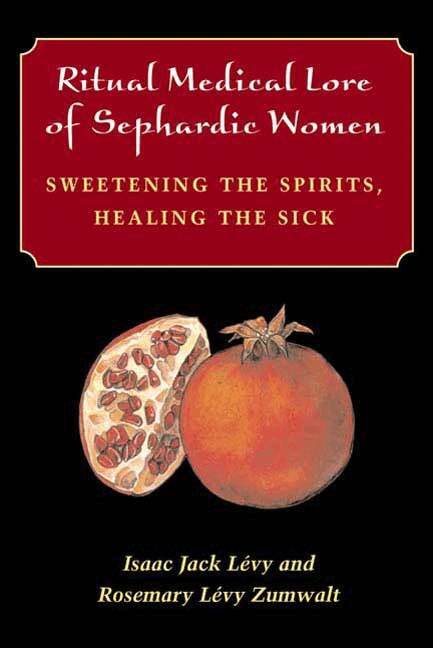
Ritual Medical Lore of Sephardic Women
Sweetening the Spirits, Healing the Sick
Inbunden, Engelska, 2001
478 kr
Skickas inom 7-10 vardagar
Winner of the Ellii Kongas-Maranda Prize from the Women's Section of the American Folklore Society, 2003.Ritual Medical Lore of Sephardic Women preserves the precious remnants of a rich culture on the verge of extinction while affirming women's pivotal role in the health of their communities. Centered around extensive interviews with elders of the Sephardic communities of the former Ottoman Empire, this volume illuminates a fascinating complex of preventive and curative rituals conducted by women at home--rituals that ensured the physical and spiritual well-being of the community and functioned as a vital counterpart to the public rites conducted by men in the synagogues. Isaac Jack LÉvy and Rosemary LÉvy Zumwalt take us into the homes and families of Sephardim in Turkey, Israel, Greece, the former Yugoslavia, and the United States to unravel the ancient practices of domestic healing: the network of blessings and curses tailored to every occasion of daily life; the beliefs and customs surrounding mal ojo (evil eye), espanto (fright), and echizo (witchcraft); and cures involving everything from herbs, oil, and sugar to the powerful mumia (mummy) made from dried bones of corpses. For the Sephardim, curing an illness required discovering its spiritual cause, which might be unintentional thought or speech, accident, or magical incantation. The healing rituals of domesticated medicine provided a way of making sense of illness and a way of shaping behavior to fit the narrow constraints of a tightly structured community. Tapping a rich and irreplaceable vein of oral testimony, Ritual Medical Lore of Sephardic Women offers fascinating insight into a culture where profound spirituality permeated every aspect of daily life.
844 kr
Skickas inom 7-10 vardagar
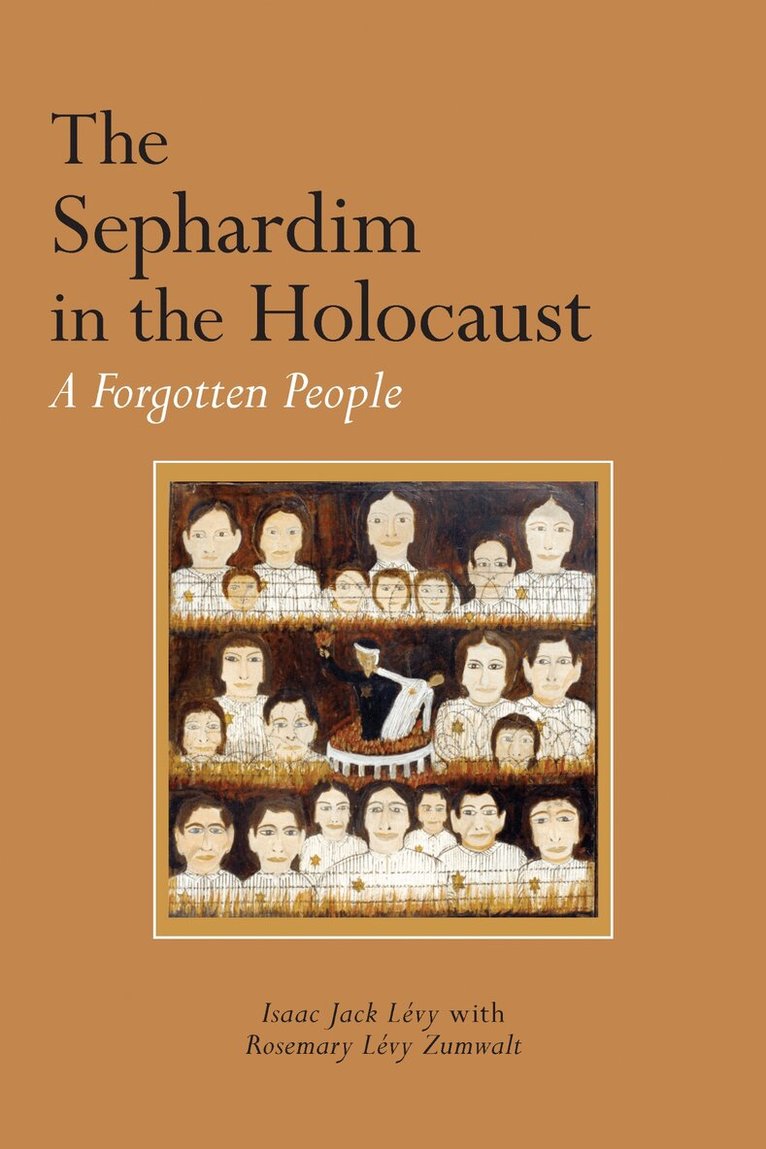
Documents the first-hand experiences in the Holocaust of the Sephardim from Greece, the Balkans, North Africa, Libya, Cos, and RhodesThe Sephardim suffered devastation during the Holocaust, but this facet of history is poorly documented. What literature exists on the Sephardim in the Holocaust focuses on specific countries, such as Yugoslavia and Greece, or on specific cities, such as Salonika, and many of these works are not available in English.The Sephardim in the Holocaust: A Forgotten People embraces the Sephardim of all the countries shattered by the Holocaust and pays tribute to the memory of the more than 160,000 Sephardim who perished. Isaac Jack LÉvy and Rosemary LÉvy Zumwalt draw on a wealth of archival sources, family history (Isaac and his family were expelled from Rhodes in 1938), and more than one hundred fifty interviews conducted with survivors during research trips to Belgium, Canada, France, Greece, Israel, Mexico, the Netherlands, the former Yugoslavia, and the United States. LÉvy follows the Sephardim from Athens, Corfu, Cos, Macedonia, Rhodes, Salonika, and the former Yugoslavia to Auschwitz.The authors chronicle the interminable cruelty of the camps, from the initial selections to the grisly work of the Sonderkommandos inside the crematoria, detailing the distinctive challenges the Sephardim faced, with their differences in language, physical appearance, and pronunciation of Hebrew, all of which set them apart from the Ashkenazim. They document courageous Sephardic revolts, especially those by Greek Jews, which involved intricate planning, sequestering of gunpowder, and complex coordination and communication between Ashkenazi and Sephardic inmates—all done in the strictest of secrecy. And they follow a number of Sephardic survivors who took refuge in Albania with the benevolent assistance of Muslims and Christians who opened their doors to give sanctuary, and traces the fate of the approximately 430,000 Jews from Morocco, Algiers, Tunisia, and Libya from 1939 through the end of the war.The author’s intention is to include the Sephardim in the shared tragedy with the Ashkenazim and others. The result is a much needed, accessible, and viscerally moving account of the Sephardim’s unique experience of the Holocaust.
308 kr
Skickas inom 7-10 vardagar
Documents the first-hand experiences in the Holocaust of the Sephardim from Greece, the Balkans, North Africa, Libya, Cos, and RhodesThe Sephardim suffered devastation during the Holocaust, but this facet of history is poorly documented. What literature exists on the Sephardim in the Holocaust focuses on specific countries, such as Yugoslavia and Greece, or on specific cities, such as Salonika, and many of these works are not available in English.The Sephardim in the Holocaust: A Forgotten People embraces the Sephardim of all the countries shattered by the Holocaust and pays tribute to the memory of the more than 160,000 Sephardim who perished. Isaac Jack LÉvy and Rosemary LÉvy Zumwalt draw on a wealth of archival sources, family history (Isaac and his family were expelled from Rhodes in 1938), and more than one hundred fifty interviews conducted with survivors during research trips to Belgium, Canada, France, Greece, Israel, Mexico, the Netherlands, the former Yugoslavia, and the United States. LÉvy follows the Sephardim from Athens, Corfu, Cos, Macedonia, Rhodes, Salonika, and the former Yugoslavia to Auschwitz.The authors chronicle the interminable cruelty of the camps, from the initial selections to the grisly work of the Sonderkommandos inside the crematoria, detailing the distinctive challenges the Sephardim faced, with their differences in language, physical appearance, and pronunciation of Hebrew, all of which set them apart from the Ashkenazim. They document courageous Sephardic revolts, especially those by Greek Jews, which involved intricate planning, sequestering of gunpowder, and complex coordination and communication between Ashkenazi and Sephardic inmates—all done in the strictest of secrecy. And they follow a number of Sephardic survivors who took refuge in Albania with the benevolent assistance of Muslims and Christians who opened their doors to give sanctuary, and traces the fate of the approximately 430,000 Jews from Morocco, Algiers, Tunisia, and Libya from 1939 through the end of the war.The author’s intention is to include the Sephardim in the shared tragedy with the Ashkenazim and others. The result is a much needed, accessible, and viscerally moving account of the Sephardim’s unique experience of the Holocaust.