Rosemary Lévy Zumwalt - Böcker
Visar alla böcker från författaren Rosemary Lévy Zumwalt. Handla med fri frakt och snabb leverans.
9 produkter
9 produkter
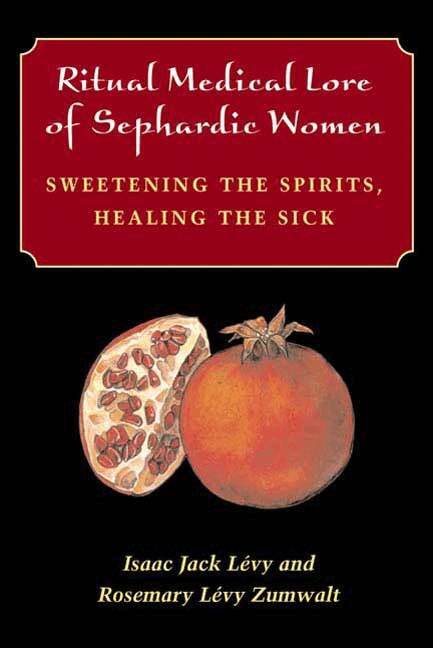
Ritual Medical Lore of Sephardic Women
Sweetening the Spirits, Healing the Sick
Inbunden, Engelska, 2001
478 kr
Skickas inom 7-10 vardagar
Winner of the Ellii Kongas-Maranda Prize from the Women's Section of the American Folklore Society, 2003.Ritual Medical Lore of Sephardic Women preserves the precious remnants of a rich culture on the verge of extinction while affirming women's pivotal role in the health of their communities. Centered around extensive interviews with elders of the Sephardic communities of the former Ottoman Empire, this volume illuminates a fascinating complex of preventive and curative rituals conducted by women at home--rituals that ensured the physical and spiritual well-being of the community and functioned as a vital counterpart to the public rites conducted by men in the synagogues. Isaac Jack LÉvy and Rosemary LÉvy Zumwalt take us into the homes and families of Sephardim in Turkey, Israel, Greece, the former Yugoslavia, and the United States to unravel the ancient practices of domestic healing: the network of blessings and curses tailored to every occasion of daily life; the beliefs and customs surrounding mal ojo (evil eye), espanto (fright), and echizo (witchcraft); and cures involving everything from herbs, oil, and sugar to the powerful mumia (mummy) made from dried bones of corpses. For the Sephardim, curing an illness required discovering its spiritual cause, which might be unintentional thought or speech, accident, or magical incantation. The healing rituals of domesticated medicine provided a way of making sense of illness and a way of shaping behavior to fit the narrow constraints of a tightly structured community. Tapping a rich and irreplaceable vein of oral testimony, Ritual Medical Lore of Sephardic Women offers fascinating insight into a culture where profound spirituality permeated every aspect of daily life.
923 kr
Skickas inom 7-10 vardagar
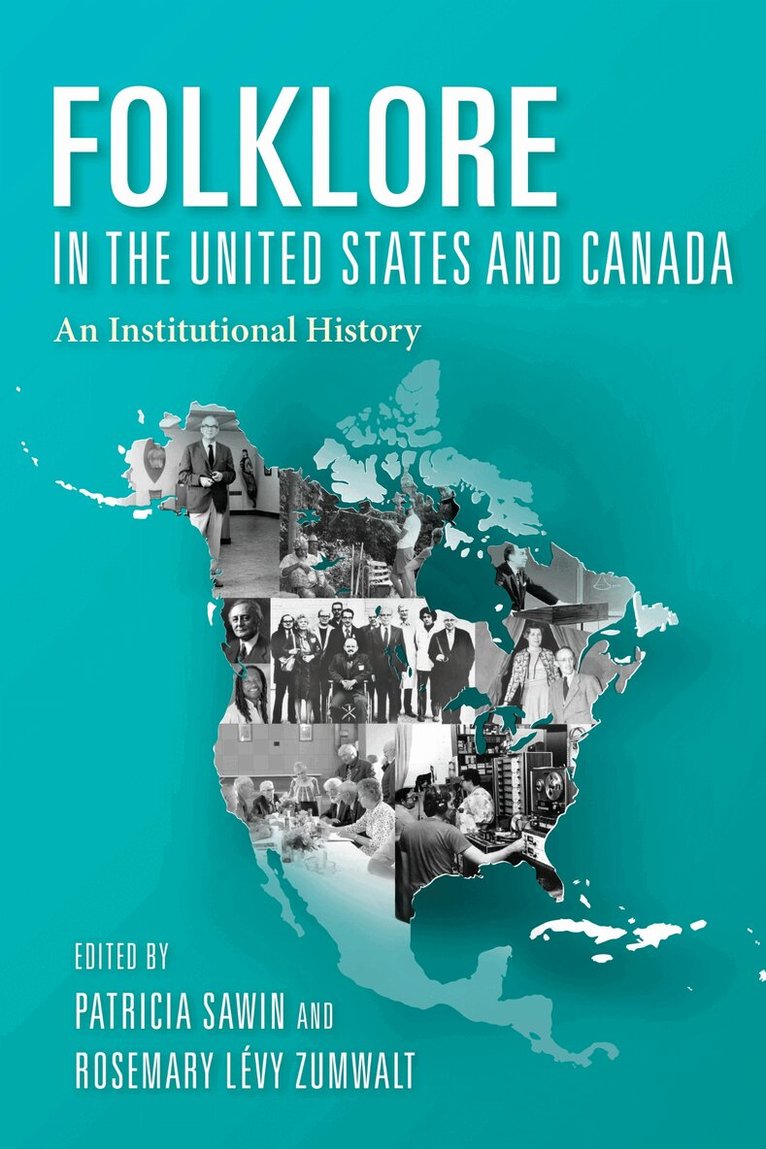
To ensure continuity and foster innovation within the discipline of folklore, we must know what came before. Folklore in the United States and Canada is an essential guide to the history and development of graduate folklore programs throughout the United States and Canada. As the first history of folklore studies since the mid-1980s, this book offers a long overdue look into the development of the earliest programs and the novel directions of more recent programs. The volume is encyclopedic in its coverage and is organized chronologically based on the approximate founding date of each program. Drawing extensively on archival sources, oral histories, and personal experience, the contributors explore the key individuals and central events in folklore programs at US and Canadian academic institutions and demonstrate how these programs have been shaped within broader cultural and historical contexts. Revealing the origins of graduate folklore programs, as well as their accomplishments, challenges, and connections, Folklore in the United States and Canada is an essential read for all folklorists and those who are studying to become folklorists.
371 kr
Skickas inom 7-10 vardagar
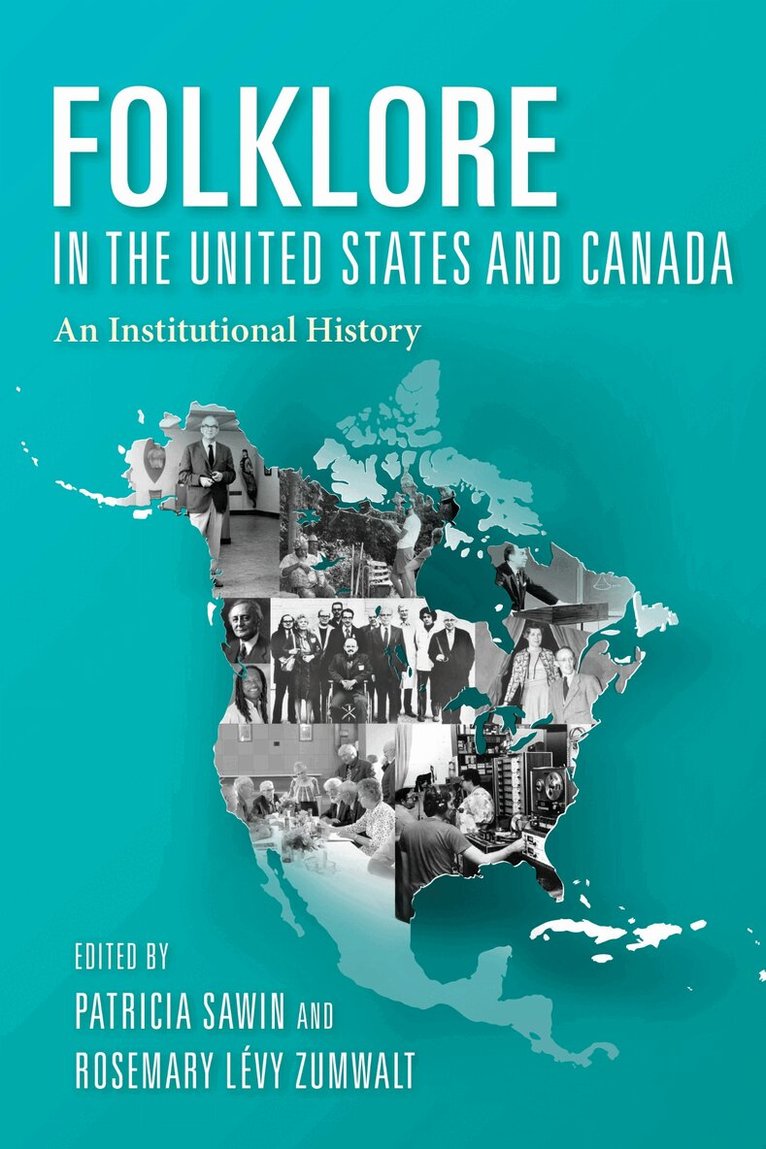
To ensure continuity and foster innovation within the discipline of folklore, we must know what came before. Folklore in the United States and Canada is an essential guide to the history and development of graduate folklore programs throughout the United States and Canada. As the first history of folklore studies since the mid-1980s, this book offers a long overdue look into the development of the earliest programs and the novel directions of more recent programs. The volume is encyclopedic in its coverage and is organized chronologically based on the approximate founding date of each program. Drawing extensively on archival sources, oral histories, and personal experience, the contributors explore the key individuals and central events in folklore programs at US and Canadian academic institutions and demonstrate how these programs have been shaped within broader cultural and historical contexts. Revealing the origins of graduate folklore programs, as well as their accomplishments, challenges, and connections, Folklore in the United States and Canada is an essential read for all folklorists and those who are studying to become folklorists.
193 kr
Skickas inom 10-15 vardagar
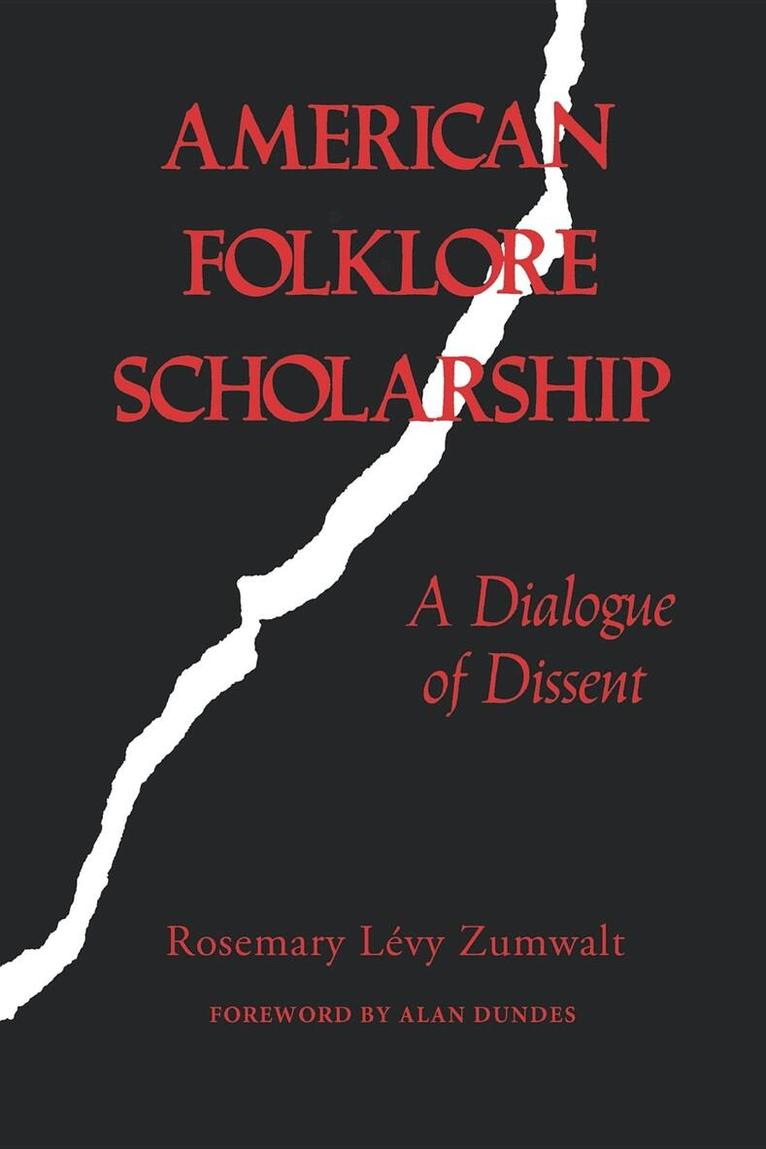
"American Folklore Scholarship is rich reading, outlining the intellectual genealogy of American folklore and delivering many interesting historical tidbits. Folklore teachers will want to use this book in their introductory theory classes, while doctoral students will want to memorize the book before their qualifying exams." —Folklore Forum". . . a welcome overview of the discipline in North America and the practitioners who established it." —American AnthropologistIn this classic text, Zumwalt examines the split between literary folklorists and anthropological folklorists. The former looked at literary forms for folklore; the latter looked at the life and unwritten culture of the people. This struggle shaped the study of folklore in the U.S.
844 kr
Skickas inom 7-10 vardagar
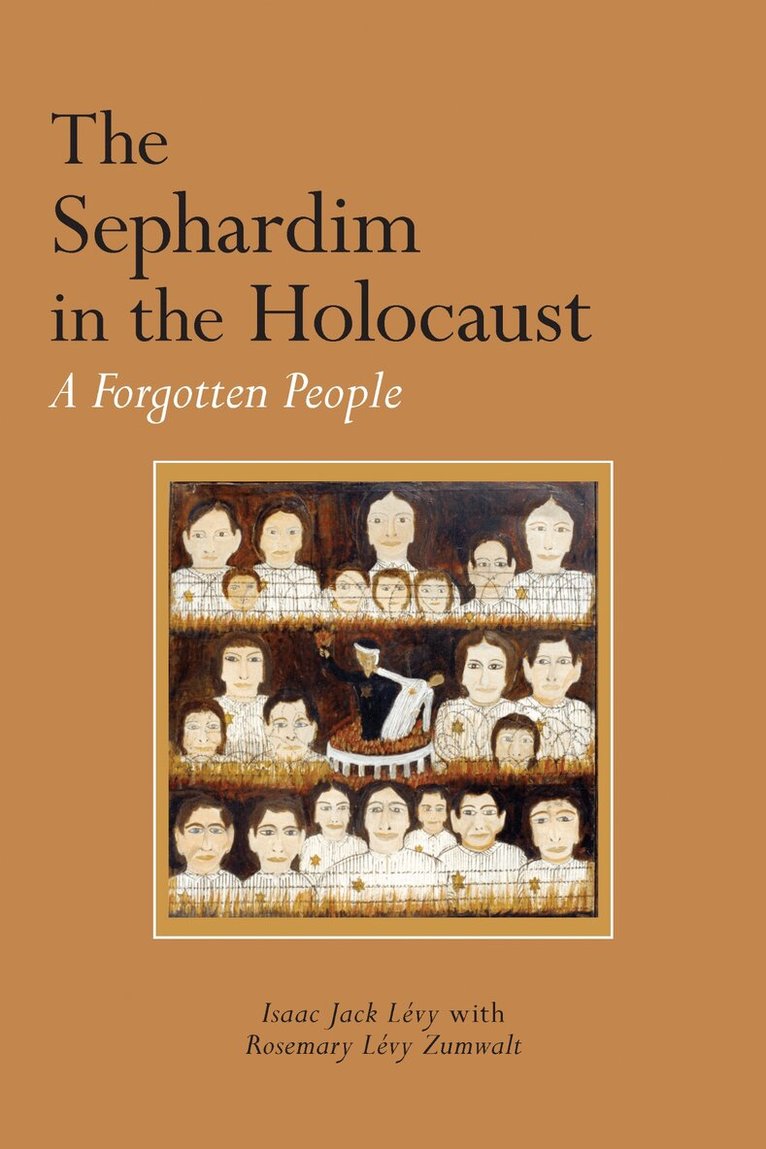
Documents the first-hand experiences in the Holocaust of the Sephardim from Greece, the Balkans, North Africa, Libya, Cos, and RhodesThe Sephardim suffered devastation during the Holocaust, but this facet of history is poorly documented. What literature exists on the Sephardim in the Holocaust focuses on specific countries, such as Yugoslavia and Greece, or on specific cities, such as Salonika, and many of these works are not available in English.The Sephardim in the Holocaust: A Forgotten People embraces the Sephardim of all the countries shattered by the Holocaust and pays tribute to the memory of the more than 160,000 Sephardim who perished. Isaac Jack LÉvy and Rosemary LÉvy Zumwalt draw on a wealth of archival sources, family history (Isaac and his family were expelled from Rhodes in 1938), and more than one hundred fifty interviews conducted with survivors during research trips to Belgium, Canada, France, Greece, Israel, Mexico, the Netherlands, the former Yugoslavia, and the United States. LÉvy follows the Sephardim from Athens, Corfu, Cos, Macedonia, Rhodes, Salonika, and the former Yugoslavia to Auschwitz.The authors chronicle the interminable cruelty of the camps, from the initial selections to the grisly work of the Sonderkommandos inside the crematoria, detailing the distinctive challenges the Sephardim faced, with their differences in language, physical appearance, and pronunciation of Hebrew, all of which set them apart from the Ashkenazim. They document courageous Sephardic revolts, especially those by Greek Jews, which involved intricate planning, sequestering of gunpowder, and complex coordination and communication between Ashkenazi and Sephardic inmates—all done in the strictest of secrecy. And they follow a number of Sephardic survivors who took refuge in Albania with the benevolent assistance of Muslims and Christians who opened their doors to give sanctuary, and traces the fate of the approximately 430,000 Jews from Morocco, Algiers, Tunisia, and Libya from 1939 through the end of the war.The author’s intention is to include the Sephardim in the shared tragedy with the Ashkenazim and others. The result is a much needed, accessible, and viscerally moving account of the Sephardim’s unique experience of the Holocaust.
308 kr
Skickas inom 7-10 vardagar
Documents the first-hand experiences in the Holocaust of the Sephardim from Greece, the Balkans, North Africa, Libya, Cos, and RhodesThe Sephardim suffered devastation during the Holocaust, but this facet of history is poorly documented. What literature exists on the Sephardim in the Holocaust focuses on specific countries, such as Yugoslavia and Greece, or on specific cities, such as Salonika, and many of these works are not available in English.The Sephardim in the Holocaust: A Forgotten People embraces the Sephardim of all the countries shattered by the Holocaust and pays tribute to the memory of the more than 160,000 Sephardim who perished. Isaac Jack LÉvy and Rosemary LÉvy Zumwalt draw on a wealth of archival sources, family history (Isaac and his family were expelled from Rhodes in 1938), and more than one hundred fifty interviews conducted with survivors during research trips to Belgium, Canada, France, Greece, Israel, Mexico, the Netherlands, the former Yugoslavia, and the United States. LÉvy follows the Sephardim from Athens, Corfu, Cos, Macedonia, Rhodes, Salonika, and the former Yugoslavia to Auschwitz.The authors chronicle the interminable cruelty of the camps, from the initial selections to the grisly work of the Sonderkommandos inside the crematoria, detailing the distinctive challenges the Sephardim faced, with their differences in language, physical appearance, and pronunciation of Hebrew, all of which set them apart from the Ashkenazim. They document courageous Sephardic revolts, especially those by Greek Jews, which involved intricate planning, sequestering of gunpowder, and complex coordination and communication between Ashkenazi and Sephardic inmates—all done in the strictest of secrecy. And they follow a number of Sephardic survivors who took refuge in Albania with the benevolent assistance of Muslims and Christians who opened their doors to give sanctuary, and traces the fate of the approximately 430,000 Jews from Morocco, Algiers, Tunisia, and Libya from 1939 through the end of the war.The author’s intention is to include the Sephardim in the shared tragedy with the Ashkenazim and others. The result is a much needed, accessible, and viscerally moving account of the Sephardim’s unique experience of the Holocaust.
Franz Boas and W. E. B. Du Bois at Atlanta University, 1906
Transactions, American Philosophical Society (Vol. 98, Part 2)
Häftad, Engelska, 2008
418 kr
Skickas inom 10-15 vardagar
396 kr
Skickas inom 7-10 vardagar
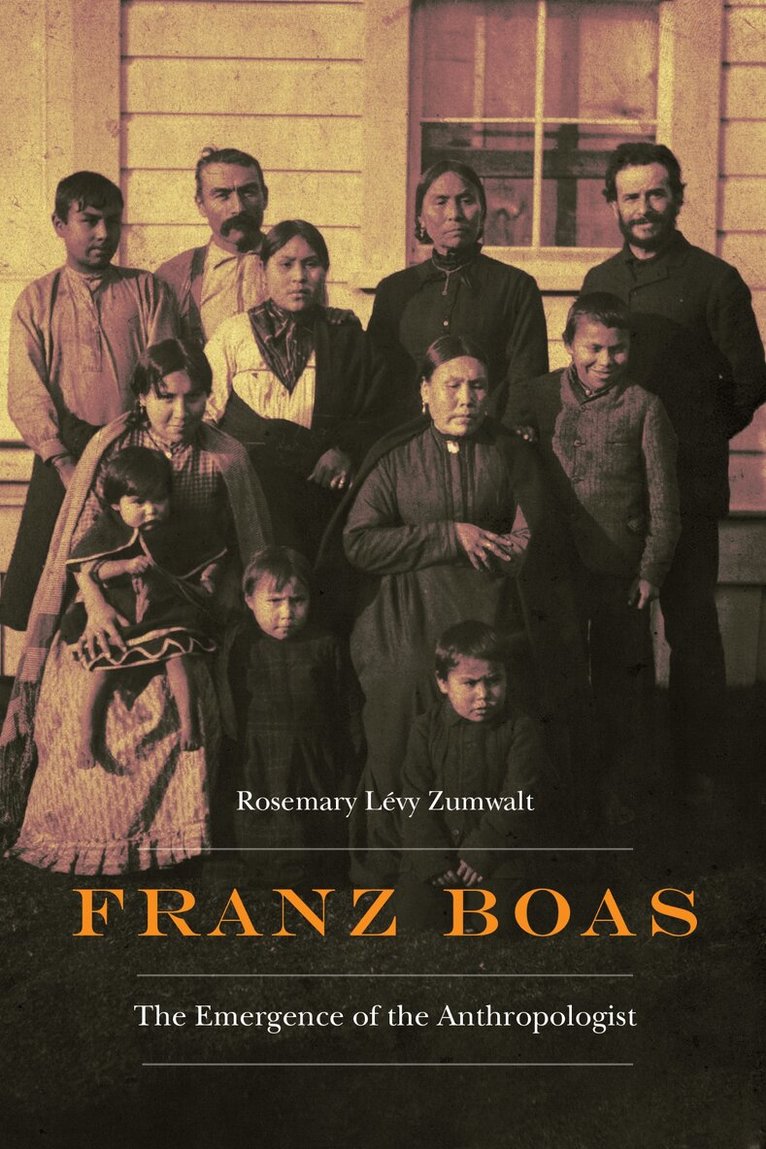
Rosemary LÉvy Zumwalt tells the remarkable story of Franz Boas, one of the leading scholars and public intellectuals of the late nineteenth and early twentieth centuries. The first book in a two-part biography, Franz Boas begins with the anthropologist’s birth in Minden, Germany, in 1858 and ends with his resignation from the American Museum of Natural History in 1906, while also examining his role in training professional anthropologists from his berth at Columbia University in New York City.Zumwalt follows the stepping-stones that led Boas to his vision of anthropology as a four-field discipline, a journey demonstrating especially his tenacity to succeed, the passions that animated his life, and the toll that the professional struggle took on him. Zumwalt guides the reader through Boas’s childhood and university education, describes his joy at finding the great love of his life, Marie Krackowizer, traces his 1883 trip to Baffin Land, and recounts his efforts to find employment in the United States. A central interest in the book is Boas’s widely influential publications on cultural relativism and issues of race, particularly his book The Mind of Primitive Man (1911), which reshaped anthropology, the social sciences, and public debates about the problem of racism in American society.Franz Boas presents the remarkable life story of an American intellectual giant as told in his own words through his unpublished letters, diaries, and field notes. Zumwalt weaves together the strands of the personal and the professional to reveal Boas’s love for his family and for the discipline of anthropology as he shaped it.
452 kr
Skickas inom 7-10 vardagar
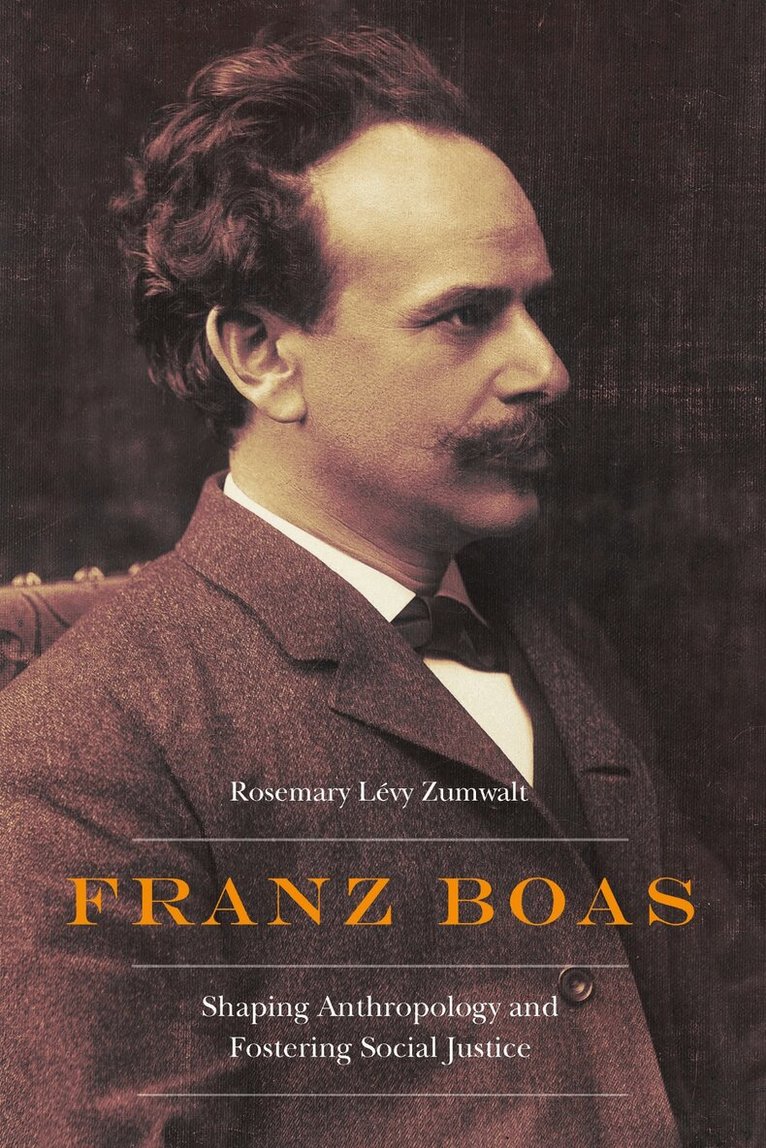
Franz Boas defined the concept of cultural relativism and reoriented the humanities and social sciences away from race science toward an antiracist and anticolonialist understanding of human biology and culture. Franz Boas: Shaping Anthropology and Fostering Social Justice is the second volume in Rosemary LÉvy Zumwalt’s two-part biography of the renowned anthropologist and public intellectual.Zumwalt takes the reader through the most vital period in the development of Americanist anthropology and Boas’s rise to dominance in the subfields of cultural anthropology, physical anthropology, ethnography, and linguistics. Boas’s emergence as a prominent public intellectual, particularly his opposition to U.S. entry into World War I, reveals his struggle against the forces of nativism, racial hatred, ethnic chauvinism, scientific racism, and uncritical nationalism.Boas was instrumental in the American cultural renaissance of the 1920s and 1930s, training students and influencing colleagues such as Melville Herskovits, Zora Neale Hurston, Benjamin Botkin, Alan Lomax, Langston Hughes, and others involved in combating racism and the flourishing Harlem Renaissance. He assisted German and European ÉmigrÉ intellectuals fleeing Nazi Germany to relocate in the United States and was instrumental in organizing the denunciation of Nazi racial science and American eugenics. At the end of his career Boas guided a network of former student anthropologists, who spread across the country to university departments, museums, and government agencies, imprinting his social science more broadly in the world of learned knowledge.Franz Boas is a magisterial biography of Franz Boas and his influence in shaping not only anthropology but also the sciences, humanities, social science, visual and performing arts, and America’s public sphere during a period of great global upheaval and democratic and social struggle.