Ivan Szelenyi – författare
Visar alla böcker från författaren Ivan Szelenyi. Handla med fri frakt och snabb leverans.
14 produkter
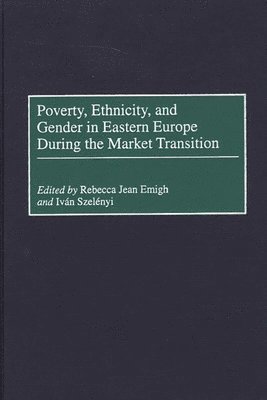
Poverty, Ethnicity, and Gender in Eastern Europe During the Market Transition
Av Rebecca J. Emigh, Ivan Szelenyi
Inbunden, 2000
1063 kr
Lägg i varukorg
This provocative volume is the first book to offer an extensive examination of the nature of poverty and its relationship to gender and ethnicity in five post-communist societies. As nations make the difficult transition from socialism to capitalism, the extent and nature of poverty tends to change …
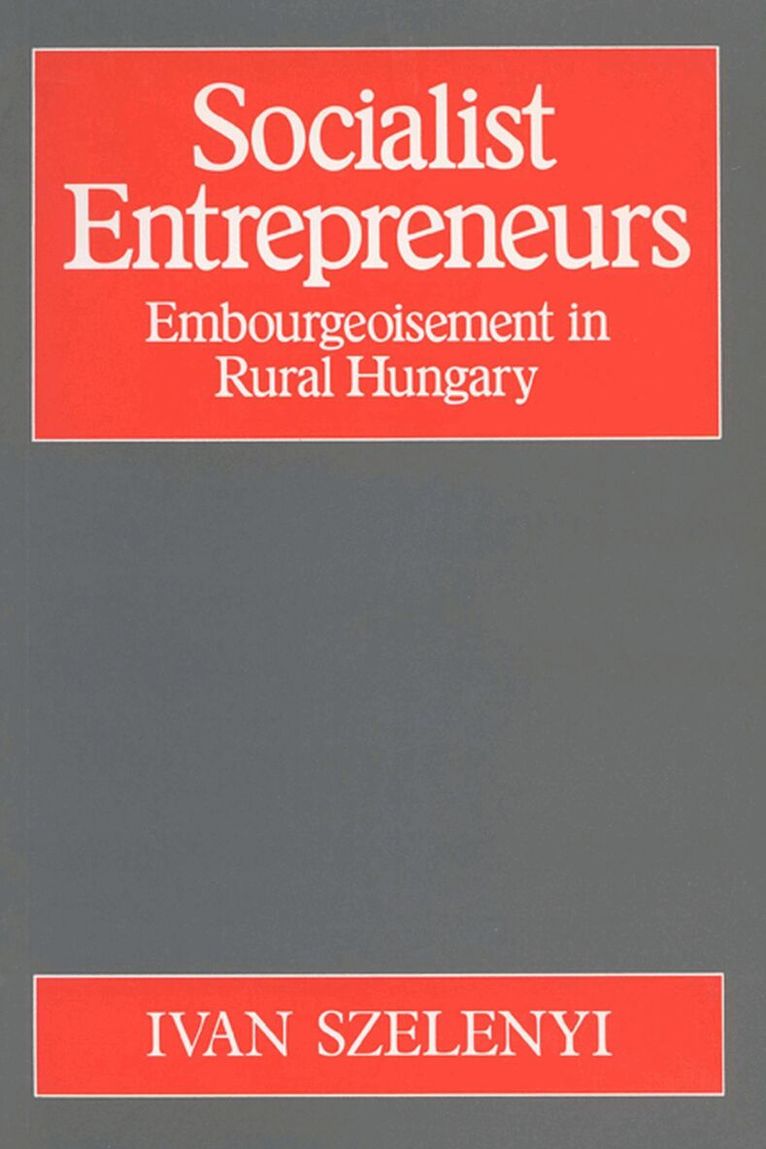
Socialist Entrepreneurs
Embourgeoisement in Rural Hungary
Häftad, 1988
225 kr
Lägg i varukorg
Among the East European nations, Hungary has been noted in recent years for permitting, even encouraging, family entrepreneurship in agriculture. In this highly empirical study, Ivan Szelenyi and his collaborators explore this phenomenon, affording a rare view of the reemergence of private sector …
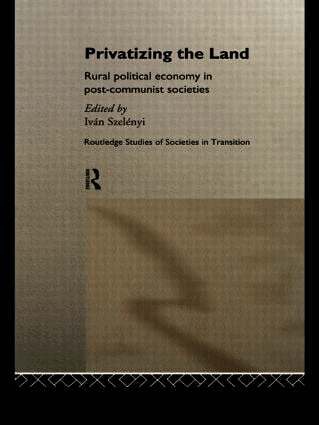
Privatizing the Land
Rural Political Economy in Post-Communist and Socialist Societies
Inbunden, 1998
2504 kr
Lägg i varukorg
Privatizing the Land provides an overview of reforms in the state socialist agrarian systems, especially during the 1970s and 1980s in Eastern Europe and the Soviet Union. Using empirical evidence, the contributors provide a balanced assessment of how agrarian economies performed in different …
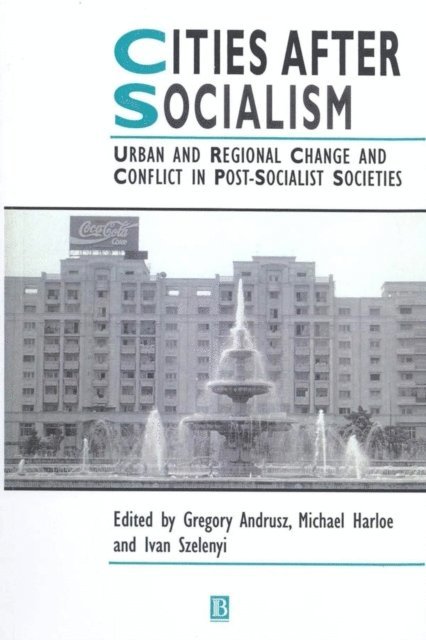
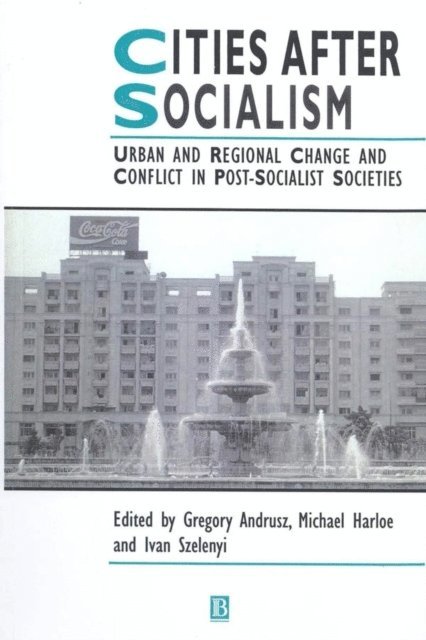
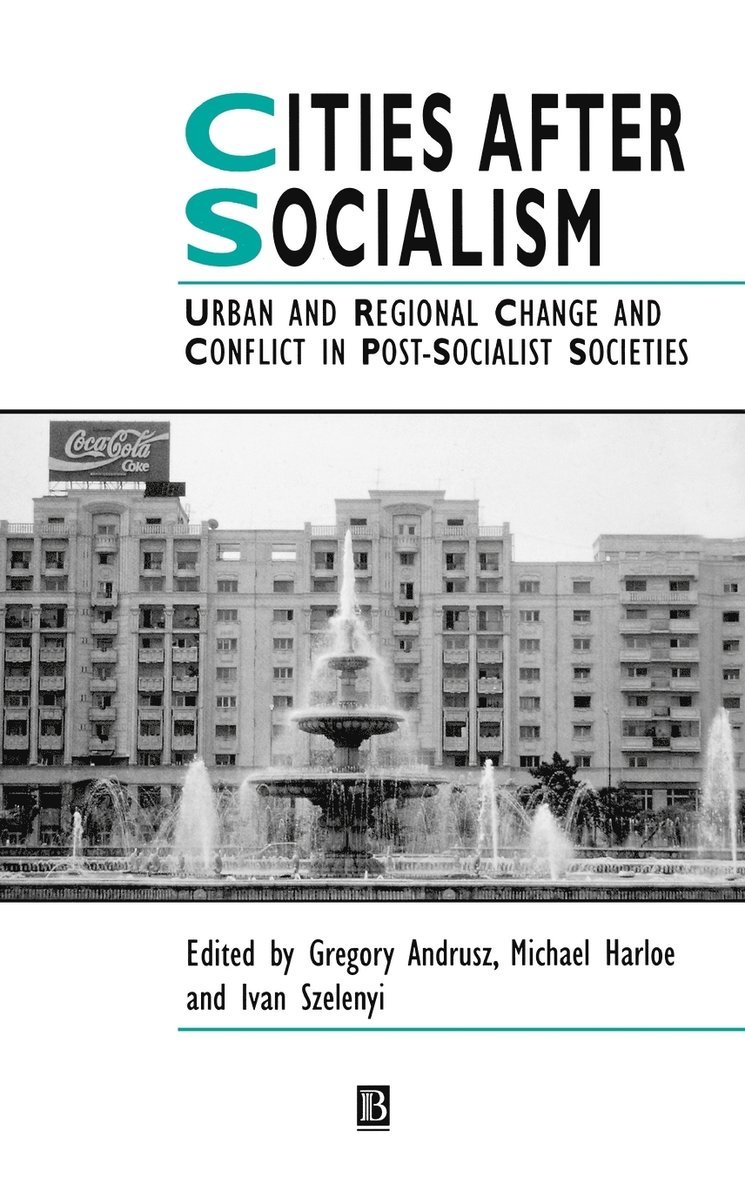
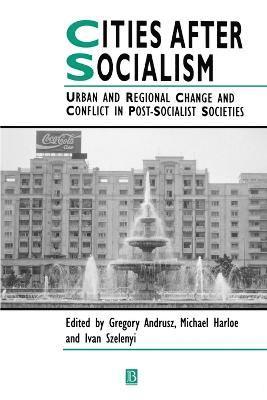
Cities After Socialism
Urban and Regional Change and Conflict in Post-Socialist Societies
Av Ivan Szelenyi, Michael Harloe m. fl.
E-bok, 2008
1019 kr
Lägg i varukorg
Cities After Socialism is the first substantial and authoritative analysis of the role of cities in the transition to capitalism that is occurring in the former communist states of Easter Europe and the Soviet Union. It will be of equal value to urban specialists and to those who have a more …
Privatizing the Land
Rural Political Economy in Post-Communist and Socialist Societies
E-bok, 2002
831 kr
Lägg i varukorg
Privatizing the Land provides an overview of reforms in the state socialist agrarian systems, especially during the 1970s and 1980s in Eastern Europe and the Soviet Union. Using empirical evidence, the contributors provide a balanced assessment of how agrarian economies performed in different …
Privatizing the Land
Rural Political Economy in Post-Communist and Socialist Societies
E-bok, 2002
831 kr
Lägg i varukorg
Privatizing the Land provides an overview of reforms in the state socialist agrarian systems, especially during the 1970s and 1980s in Eastern Europe and the Soviet Union. Using empirical evidence, the contributors provide a balanced assessment of how agrarian economies performed in different …
Cities After Socialism
Urban and Regional Change and Conflict in Post-Socialist Societies
Av Ivan Szelenyi, Michael Harloe m. fl.
E-bok, 2011
440 kr
Lägg i varukorg
Cities After Socialism is the first substantial and authoritative analysis of the role of cities in the transition to capitalism that is occurring in the former communist states of Easter Europe and the Soviet Union. It will be of equal value to urban specialists and to those who have a more …
Cities After Socialism
Urban and Regional Change and Conflict in Post-Socialist Societies
Av Michael Harloe, Ivan Szelenyi m. fl.
Inbunden, 1996
854 kr
Lägg i varukorg
Cities After Socialism is the first substantial and authoritative analysis of the role of cities in the transition to capitalism that is occurring in the former communist states of Easter Europe and the Soviet Union. It will be of equal value to urban specialists and to those who have a more …
Cities After Socialism
Urban and Regional Change and Conflict in Post-Socialist Societies
Av Gregory Andrusz, Harloe m. fl.
Häftad, 1996
384 kr
Lägg i varukorg
Cities After Socialism is the first substantial and authoritative analysis of the role of cities in the transition to capitalism that is occurring in the former communist states of Easter Europe and the Soviet Union. It will be of equal value to urban specialists and to those who have a more …
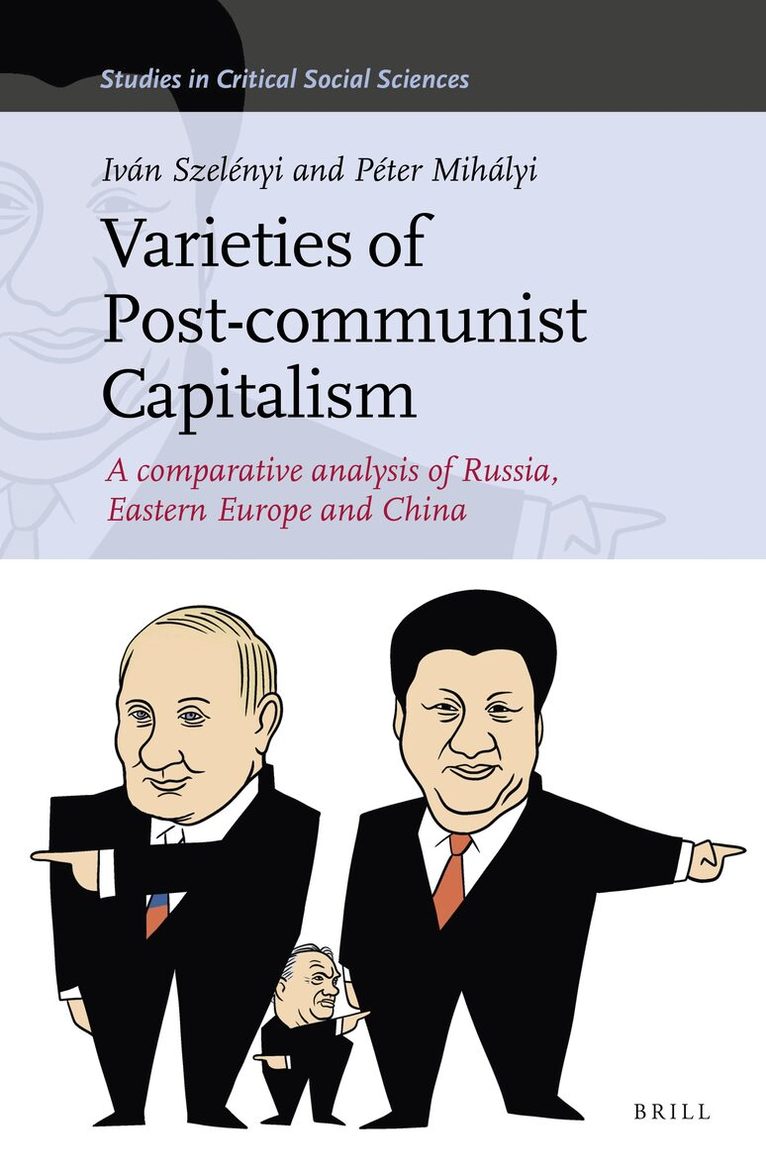
Varieties of Post-communist Capitalism
A Comparative analysis of Russia, Eastern Europe and China
Av Iván Szelényi, Péter Mihályi
Häftad, 2020
356 kr
Lägg i varukorg
This book intends to be a contribution to the "varieties of capitalism" paradigm. The theoretical background is Weber 's theory of legitimacy. Was communism ever "legitimate"? What kind of legitimacy claims were made in the transition from communism to capitalism? Central Europe was closer to the …
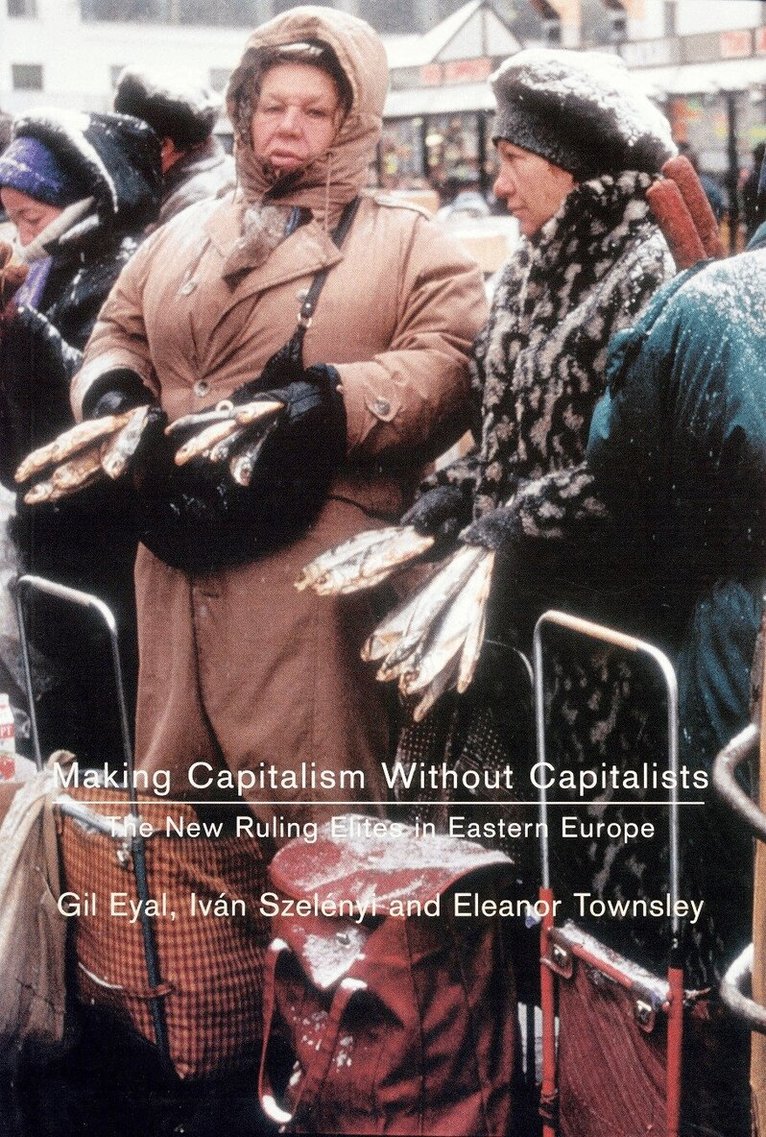
Making Capitalism Without Capitalists
The New Ruling Elites in Eastern Europe
Av Eleanor R Townsley, Gil Eyal m. fl.
Häftad, 2001
423 kr
Lägg i varukorg
Making Capitalism without Capitalists offers a new theory of the transition to capitalism. By telling the story of how capitalism is being built without capitalists in post-communist Central Europe it guides us towards a deeper understanding of the origins of modern capitalism.
Rent-Seekers, Profits, Wages and Inequality
The Top 20%
Av Péter Mihályi, Iván Szelényi
Inbunden, 2019
660 kr
Lägg i varukorg
Mihályi and Szelényi provide a timely contribution to contemporary debates about inequality of incomes and wealth, offering a careful examination of various sources of rent in contemporary societies, and considering several policy options to reduce inequality in order to preserve the meritocratic …
Rent-Seekers, Profits, Wages and Inequality
The Top 20%
Av Ivan Szelenyi, Peter Mihalyi
E-bok, 2018
897 kr
Lägg i varukorg
Mihályi and Szelényi provide a timely contribution to contemporary debates about inequality of incomes and wealth, offering a careful examination of various sources of rent in contemporary societies, and considering several policy options to reduce inequality in order to preserve the meritocratic …
Varieties of Post-communist Capitalism
A comparative analysis of Russia, Eastern Europe and China
Av Iván Szelényi, Péter Mihályi
Inbunden, 2019
2765 kr
Lägg i varukorg
This book intends to be a contribution to the “varieties of capitalism” paradigm. The theoretical background is Weber’s theory of legitimacy. Was communism ever “legitimate”? What kind of legitimacy claims were made in the transition from communism to capitalism? Central Europe was closer to the …