Peter Mihalyi – författare
Visar alla böcker från författaren Peter Mihalyi. Handla med fri frakt och snabb leverans.
7 produkter
Socialist Investment Cycles
Analysis in Retrospect
Inbunden, 1992
1095 kr
Lägg i varukorg
The entire world was taken by suprise when 1990 brought an end to Soviet communism in Europe and thus a genuine end to World War II. The fact that these developments surprised not only the leaders and the people of the countries concerned, but also scholars is an extraordinary challenge to the …
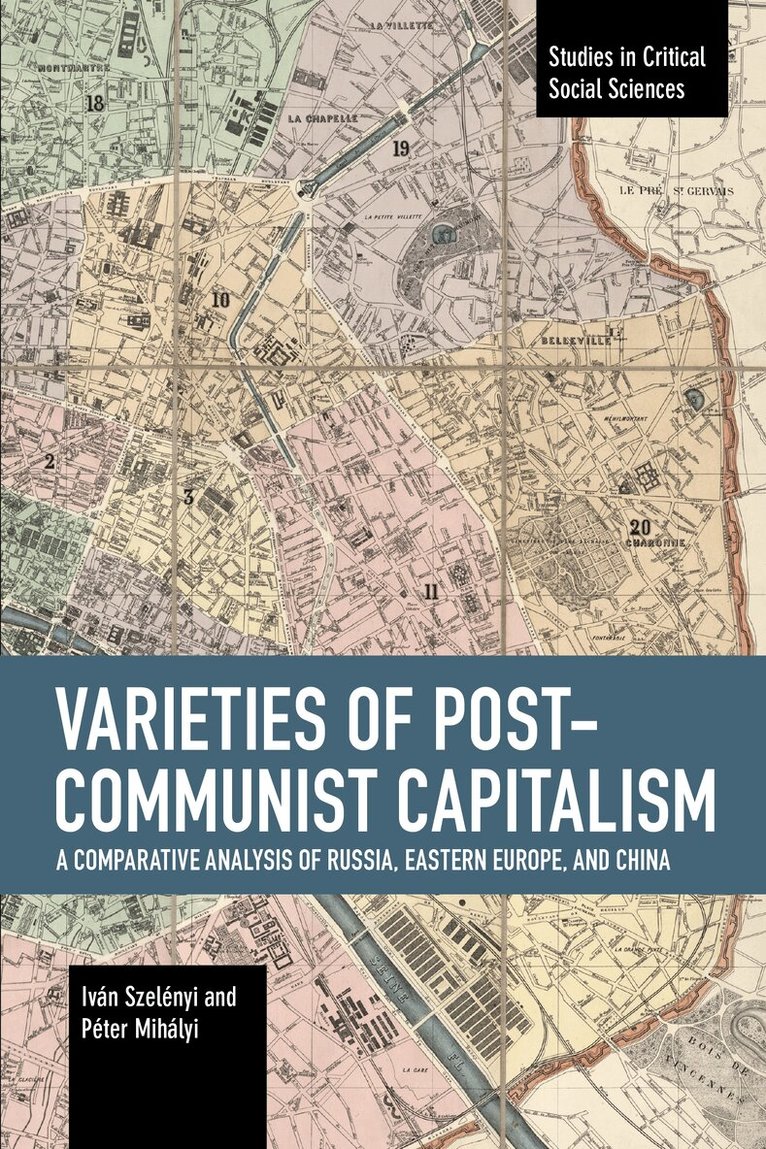
Varieties of Post-communist Capitalism
A Comparative analysis of Russia, Eastern Europe and China
Av Iván Szelényi, Péter Mihályi
Häftad, 2020
356 kr
Lägg i varukorg
This book intends to be a contribution to the "varieties of capitalism" paradigm. The theoretical background is Weber 's theory of legitimacy. Was communism ever "legitimate"? What kind of legitimacy claims were made in the transition from communism to capitalism? Central Europe was closer to the …
Rent-Seekers, Profits, Wages and Inequality
The Top 20%
Av Péter Mihályi, Iván Szelényi
Inbunden, 2019
660 kr
Lägg i varukorg
Mihályi and Szelényi provide a timely contribution to contemporary debates about inequality of incomes and wealth, offering a careful examination of various sources of rent in contemporary societies, and considering several policy options to reduce inequality in order to preserve the meritocratic …
Rent-Seekers, Profits, Wages and Inequality
The Top 20%
Av Ivan Szelenyi, Peter Mihalyi
E-bok, 2018
897 kr
Lägg i varukorg
Mihályi and Szelényi provide a timely contribution to contemporary debates about inequality of incomes and wealth, offering a careful examination of various sources of rent in contemporary societies, and considering several policy options to reduce inequality in order to preserve the meritocratic …
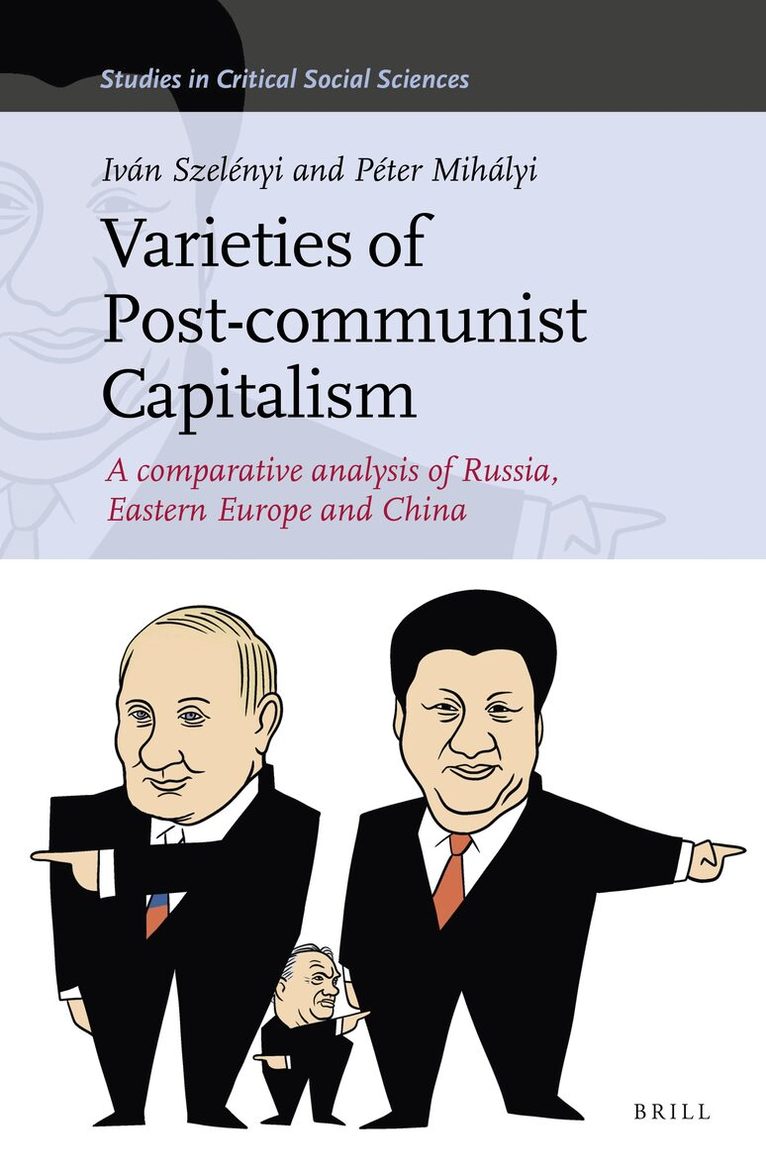
Varieties of Post-communist Capitalism
A comparative analysis of Russia, Eastern Europe and China
Av Iván Szelényi, Péter Mihályi
Inbunden, 2019
2765 kr
Lägg i varukorg
This book intends to be a contribution to the “varieties of capitalism” paradigm. The theoretical background is Weber’s theory of legitimacy. Was communism ever “legitimate”? What kind of legitimacy claims were made in the transition from communism to capitalism? Central Europe was closer to the …
Socialist Investment Cycles
Analysis in Retrospect
Häftad, 2012
551 kr
Lägg i varukorg
by Peter J. D. Wiles Professor Emeritus University of London There are two sorts of writers of prefaces: the obliging and the disobliging. Surely Peter MiMlyi knows where to place me in this taxonomy. For the most part I write my own irrelevant opinions, but there was one act of gross interference: …
Socialist Investment Cycles
Analysis in Retrospect
E-bok, 2012
734 kr
Lägg i varukorg
by Peter J. D. Wiles Professor Emeritus University of London There are two sorts of writers of prefaces: the obliging and the disobliging. Surely Peter MiMlyi knows where to place me in this taxonomy. For the most part I write my own irrelevant opinions, but there was one act of gross interference: …