Jaak Billiet – författare
Visar alla böcker från författaren Jaak Billiet. Handla med fri frakt och snabb leverans.
9 produkter
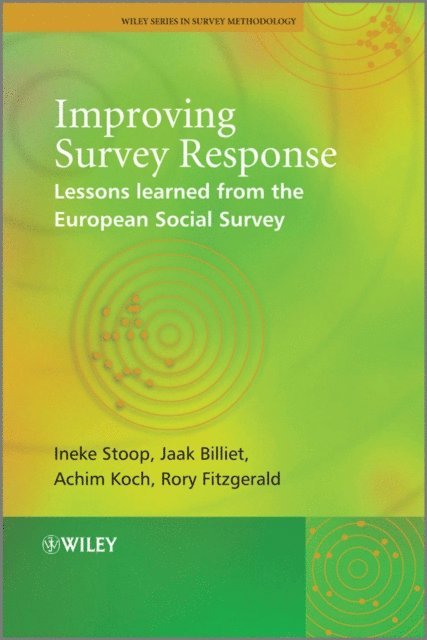
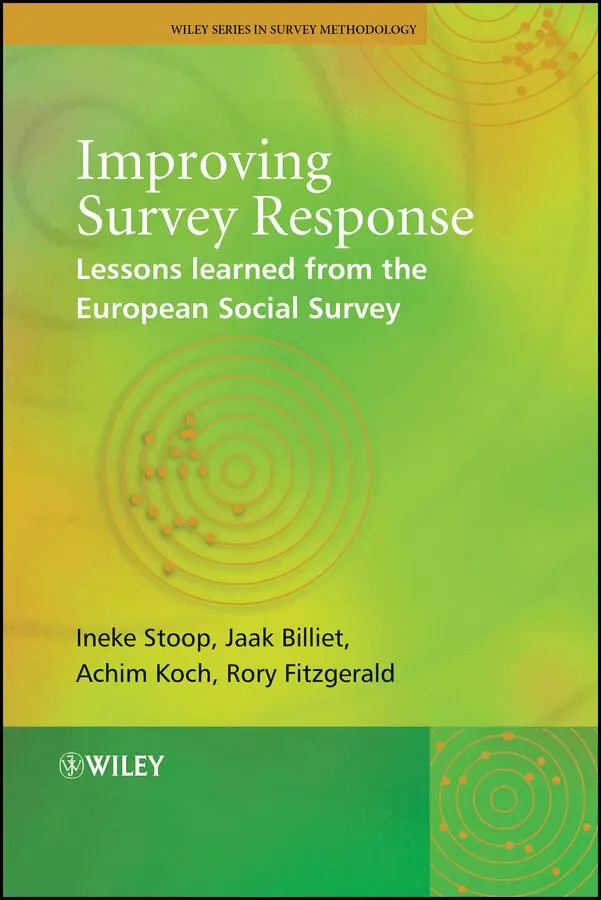
Improving Survey Response
Lessons Learned from the European Social Survey
Av Rory Fitzgerald, Achim Koch m. fl.
E-bok, 2010
1320 kr
Lägg i varukorg
High response rates have traditionally been considered as one of the main indicators of survey quality. Obtaining high response rates is sometimes difficult and expensive, but clearly plays a beneficial role in terms of improving data quality. It is becoming increasingly clear, however, that simply …
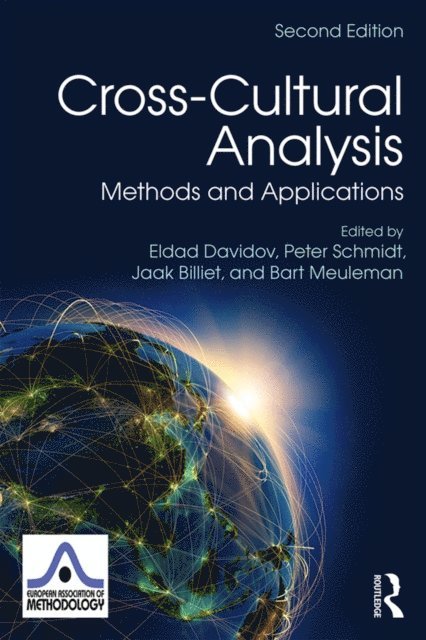
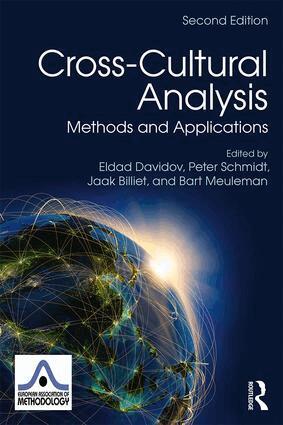
Cross-Cultural Analysis
Methods and Applications, Second Edition
Av Bart Meuleman, Jaak Billiet m. fl.
E-bok, 2018
1091 kr
Lägg i varukorg
Intended to bridge the gap between the latest methodological developments and cross-cultural research, this interdisciplinary resource presents the latest strategies for analyzing cross-cultural data. Techniques are demonstrated through the use of applications that employ cross-national data sets …
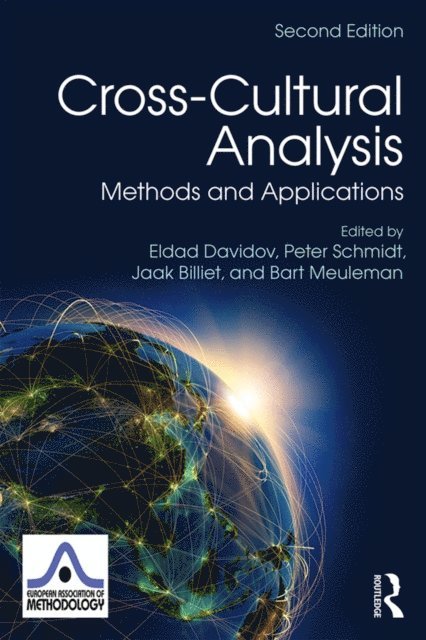
Cross-Cultural Analysis
Methods and Applications, Second Edition
Av Bart Meuleman, Jaak Billiet m. fl.
E-bok, 2018
1067 kr
Lägg i varukorg
Intended to bridge the gap between the latest methodological developments and cross-cultural research, this interdisciplinary resource presents the latest strategies for analyzing cross-cultural data. Techniques are demonstrated through the use of applications that employ cross-national data sets …
Cross-Cultural Analysis
Methods and Applications, Second Edition
Av Eldad Davidov, Peter Schmidt m. fl.
Inbunden, 2018
2989 kr
Lägg i varukorg
Intended to bridge the gap between the latest methodological developments and cross-cultural research, this interdisciplinary resource presents the latest strategies for analyzing cross-cultural data. Techniques are demonstrated through the use of applications that employ cross-national data sets …
Cross-Cultural Analysis
Methods and Applications, Second Edition
Av Eldad Davidov, Peter Schmidt m. fl.
Häftad, 2018
902 kr
Lägg i varukorg
Intended to bridge the gap between the latest methodological developments and cross-cultural research, this interdisciplinary resource presents the latest strategies for analyzing cross-cultural data. Techniques are demonstrated through the use of applications that employ cross-national data sets …
Improving Survey Response
Lessons Learned from the European Social Survey
Av Ineke A. L. Stoop, Jaak Billiet m. fl.
Inbunden, 2010
837 kr
Tillfälligt slut
High response rates have traditionally been considered as one of the main indicators of survey quality. Obtaining high response rates is sometimes difficult and expensive, but clearly plays a beneficial role in terms of improving data quality. It is becoming increasingly clear, however, that simply …
Improving Survey Response
Av Ineke A. L. Stoop, Jaak Billiet m. fl.
2010
950 kr
Tillfälligt slut
High response rates have traditionally been considered as one of the main indicators of survey quality. Obtaining high response rates is sometimes difficult and expensive, but clearly plays a beneficial role in terms of improving data quality. It is becoming increasingly clear, however, that simply …
Transformation of the Christian Churches in Western Europe (1945–2000)
Av Jaak Billiet, Leo Kenis m. fl.
Häftad, 2010
458 kr
Tillfälligt slut
Research continues to show that the Christian religion is gradually disappearing from the public, cultural and social spheres in Western Europe. Even on the individual level, institutionalised religion is becoming increasingly marginalised. Some scholars, however, speak of a repositioning of the …
Sociology and Religions: An Ambiguous Relationship
Av L. Voyé, Jaak Billiet
Häftad, 1999
407 kr
Tillfälligt slut