Jacob A. Zumoff – författare
Visar alla böcker från författaren Jacob A. Zumoff. Handla med fri frakt och snabb leverans.
6 produkter
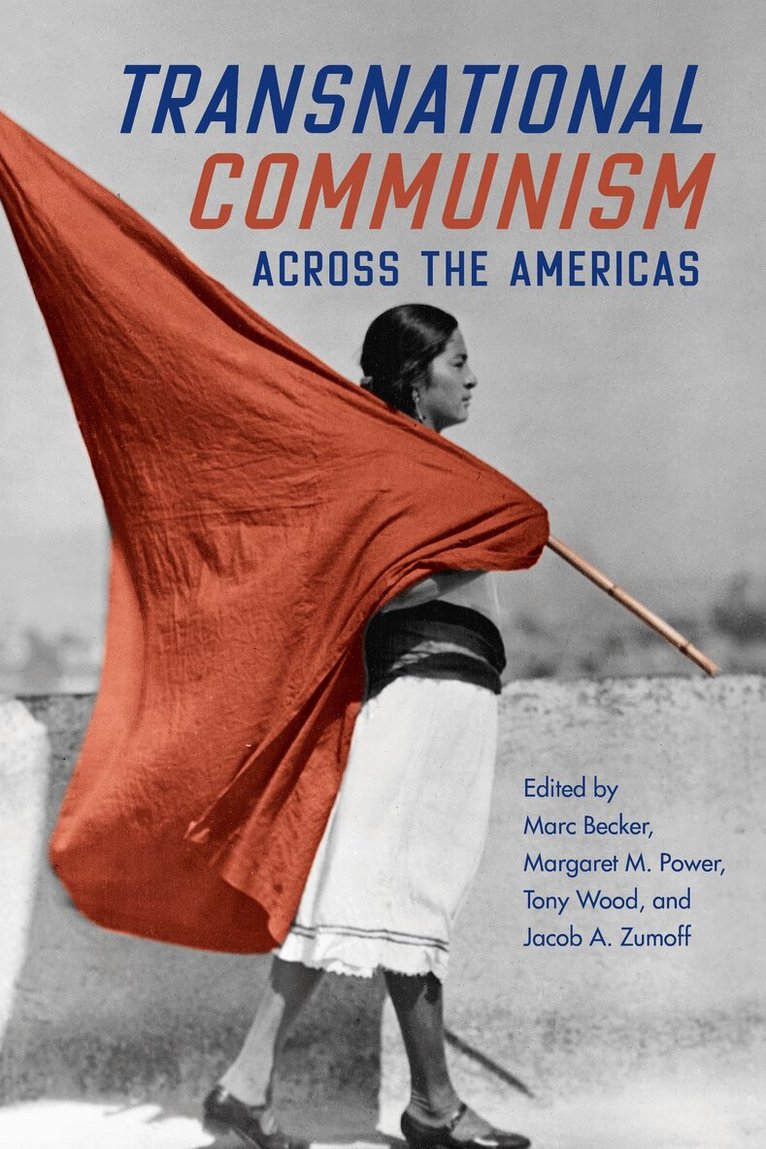
Transnational Communism Across the Americas
Av Marc Becker, Margaret Power m. fl.
Inbunden, 2023
1279 kr
Lägg i varukorg
Transnational Communism across the Americas offers an innovative approach to the study of Latin American communism. It convincingly illustrates that communist parties were both deeply rooted in their own local realities and maintained significant relationships with other communists across the …
Transnational Communism Across the Americas
Av Marc Becker, Margaret Power m. fl.
E-bok, 2023
585 kr
Lägg i varukorg
Transnational Communism across the Americas offers an innovative approach to the study of Latin American communism. It convincingly illustrates that communist parties were both deeply rooted in their own local realities and maintained significant relationships with other communists across the …
Transnational Communism Across the Americas
Av Marc Becker, Margaret Power m. fl.
Häftad, 2023
375 kr
Lägg i varukorg
Transnational Communism across the Americas offers an innovative approach to the study of Latin American communism. It convincingly illustrates that communist parties were both deeply rooted in their own local realities and maintained significant relationships with other communists across the …
Communist International And U.s. Communism, 1919-1929
Historical Materialism, Volume 82
Häftad, 2015
412 kr
Lägg i varukorg
Since the Cold War, most historians have set up an opposition between the 'American' and 'international' aspects of early American Communism. This book examines the development of the Communist Party in its first decade, from 1919 to 1929. Using the archives of the Communist International, this …
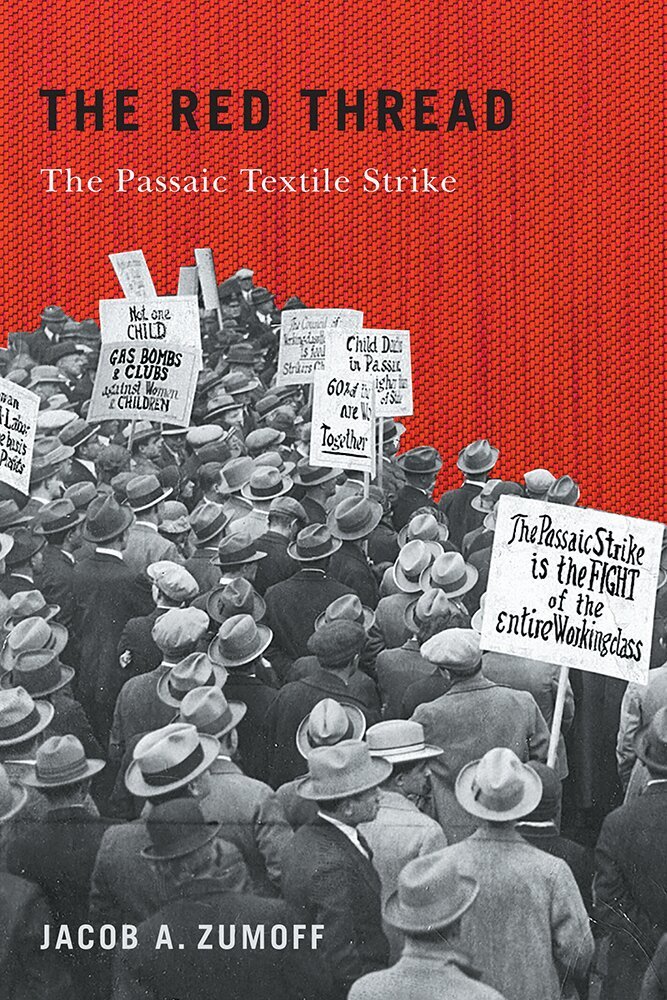
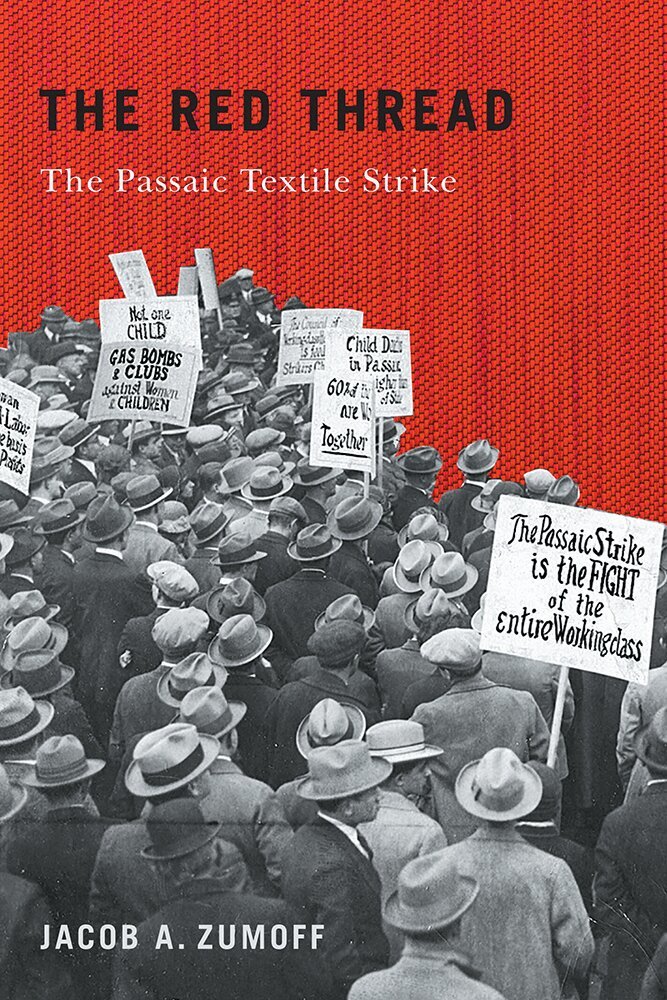
Red Thread
The Passaic Textile Strike
Häftad, 2021
412 kr
Lägg i varukorg
This book tells the story of 15,000 wool workers who went on strike for more than a year, defying police violence and hunger. The strikers were mainly immigrants and half were women. The Passaic textile strike, the first time that the Communist Party led a mass workers' struggle in the United …
Red Thread
The Passaic Textile Strike
Inbunden, 2021
918 kr
Lägg i varukorg
This book tells the story of 15,000 wool workers who went on strike for more than a year, defying police violence and hunger. The strikers were mainly immigrants and half were women. The Passaic textile strike, the first time that the Communist Party led a mass workers' struggle in the United …