Jacob D. Myers – författare
Visar alla böcker från författaren Jacob D. Myers. Handla med fri frakt och snabb leverans.
8 produkter
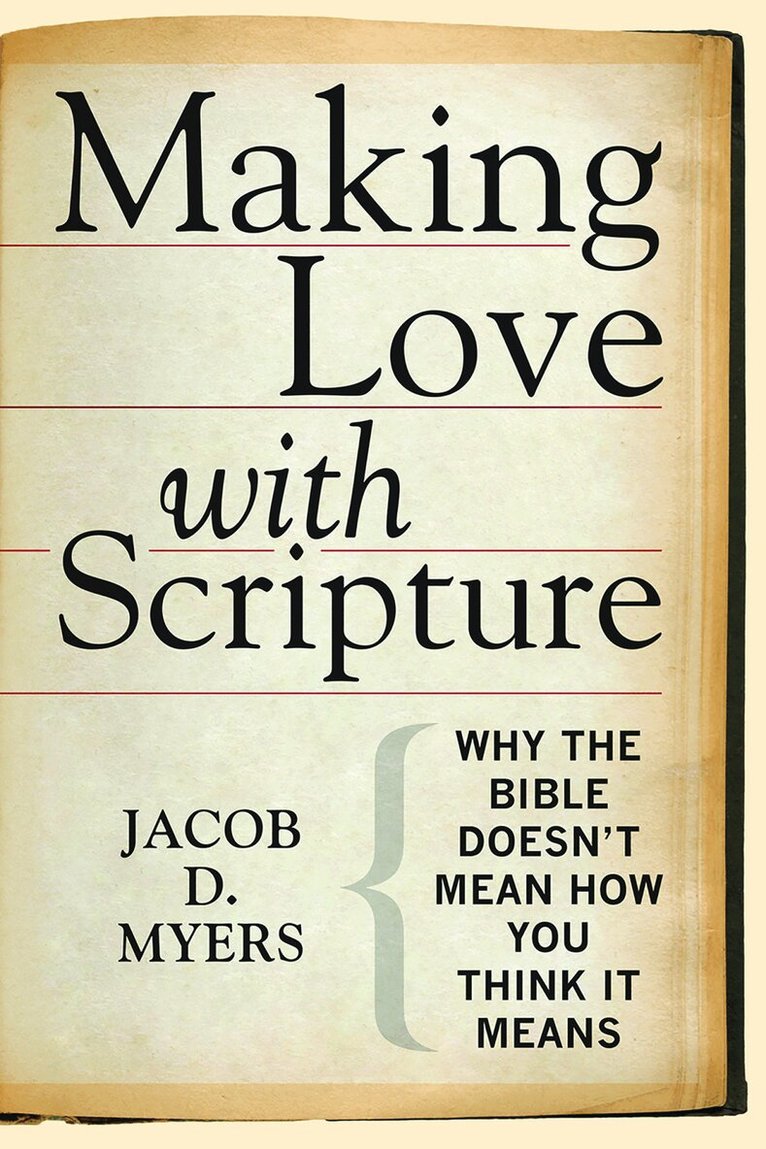
Making Love with Scripture
Why the Bible Doesnt Mean How You Think It Means
Häftad, 2015
328 kr
Lägg i varukorg
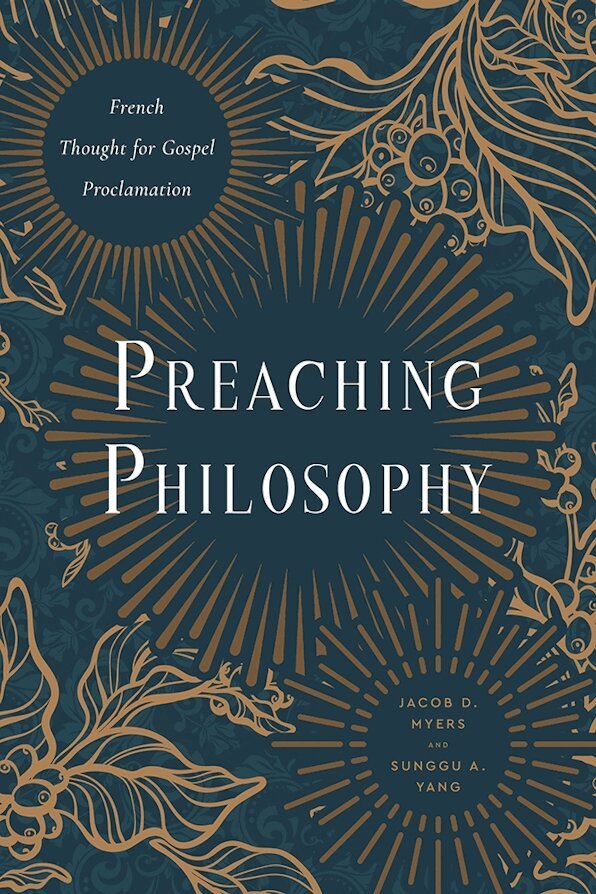
Preaching Philosophy
French Thought for Gospel Proclamation
Av Jacob D. Myers, Sunggu A. Yang
Häftad, 2025
537 kr
Lägg i varukorg
Philosophy preaches, and the pulpit preaches philosophy. As with all guilds, homiletics orients itself around a canon that constitutes its ways of being, behaving, and belonging. Part of the process of becoming a homiletician entails demonstrating one's mastery of certain concepts and texts. …
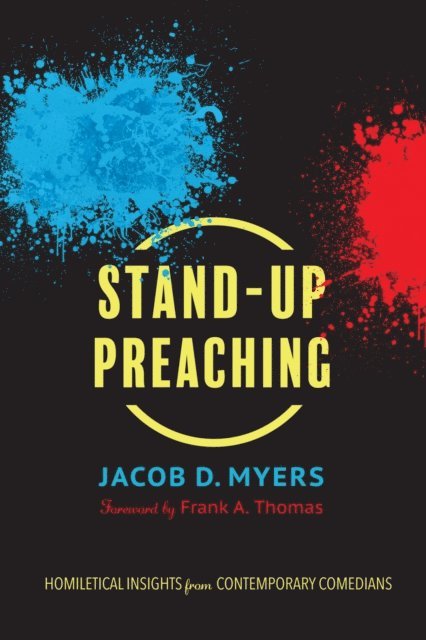
Stand-Up Preaching
Homiletical Insights from Contemporary Comedians
Inbunden, 2022
479 kr
Lägg i varukorg
Stand-Up Preaching
Homiletical Insights from Contemporary Comedians
E-bok, 2022
464 kr
Lägg i varukorg
Few vocations share more in common with preaching than stand-up comedy. Each profession demands attention to the speaker''s bodily and facial gestures, tone and inflection, timing, and thoughtful engagement with contemporary contexts. Furthermore, both preaching and stand-up arise out of creative …
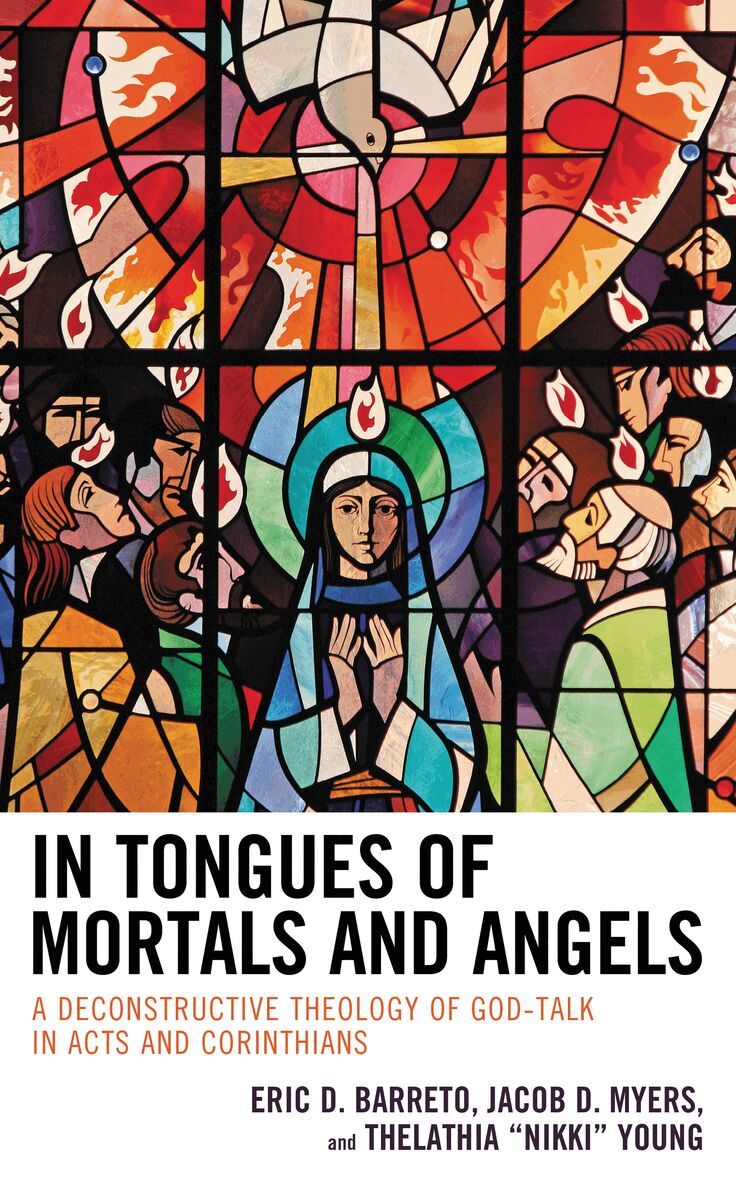
In Tongues of Mortals and Angels
A Deconstructive Theology of God-Talk in Acts and Corinthians
Av Eric D. Barreto, Jacob D. Myers m. fl.
Inbunden, 2018
1278 kr
Lägg i varukorg
Through close textual engagement, theological exposition, ethical reflection, and interdisciplinary collaboration, this book presents a constructive theology of divine speech in the Acts of the Apostles and 1 Corinthians in critical conversation with contemporary issues of sociopolitical, …
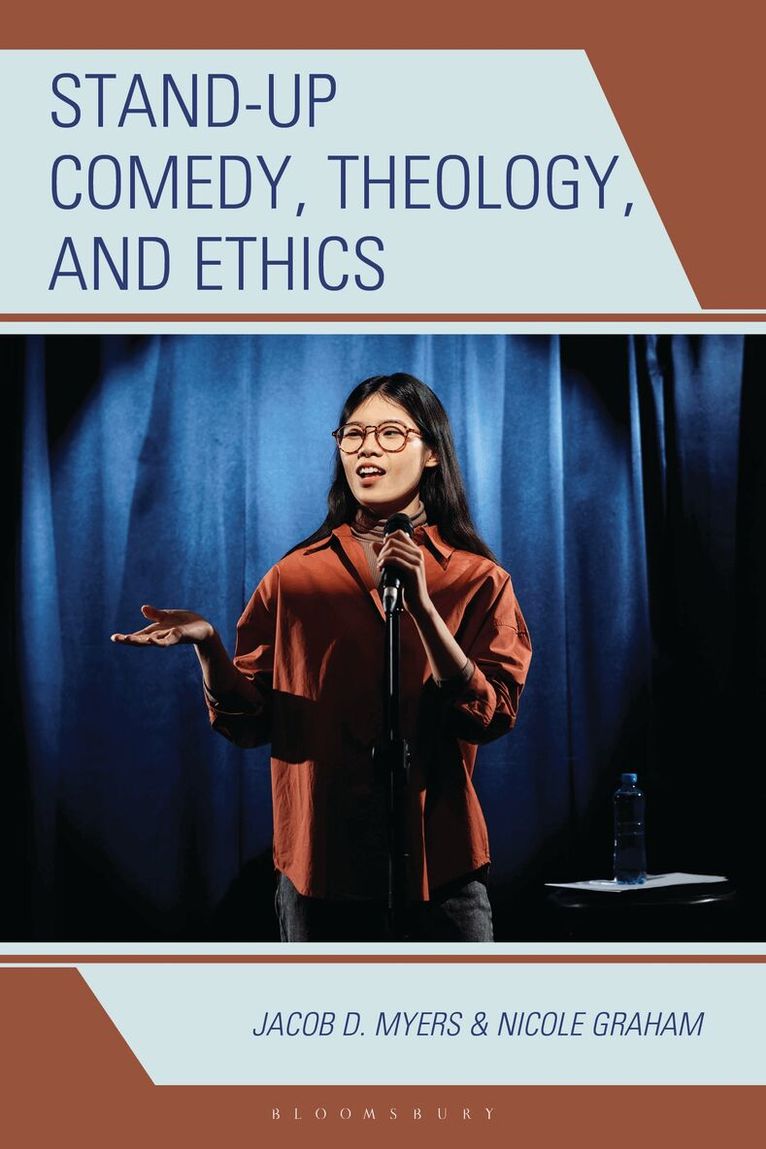
Stand-up Comedy, Theology, and Ethics
Av Jacob D. Myers, Nicole Graham
Inbunden, 2025
1137 kr
Lägg i varukorg
Bringing together the distinct but connected disciplines of theology and ethics, Stand-up Comedy, Theology, and Ethics adds to the growing field of humor and religion. Beginning by re-considering what we know about jokes and laughter, the authors propose that more attention needs to be paid to the …
Stand-up Comedy, Theology, and Ethics
Av Jacob D. Myers, Nicole Graham
E-bok, 2025
1247 kr
Lägg i varukorg
Bringing together the distinct but connected disciplines of theology and ethics, Stand-up Comedy, Theology, and Ethics adds to the growing field of humor and religion. Beginning by re-considering what we know about jokes and laughter, the authors propose that more attention needs to be paid to the …