Jacob Lauinger – författare
Visar alla böcker från författaren Jacob Lauinger. Handla med fri frakt och snabb leverans.
7 produkter
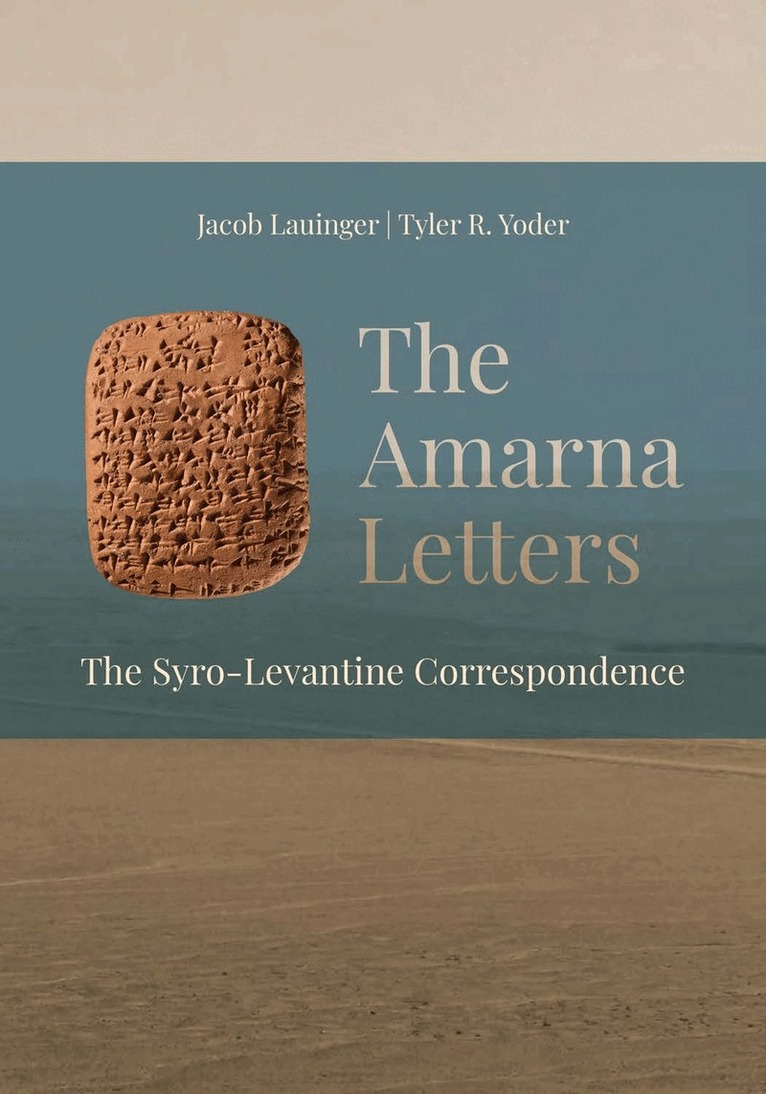
Amarna Letters
The Syro-Levantine Correspondence
Av Jacob Lauinger, Tyler Yoder
Inbunden, 2025
1791 kr
Lägg i varukorg
During Egypt's Eighteenth Dynasty (ca. 1550-1292 BCE), the New Kingdom pharaohs campaigned repeatedly in Syria and the Levant, establishing political control over much of the region. As a result of these conquests, the rulers of Levantine city-states sent letters written in Akkadian in the …
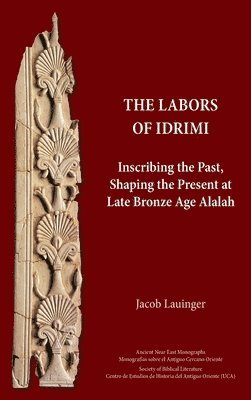
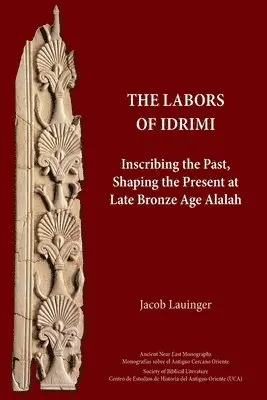
Labors of Idrimi
Inscribing the Past, Shaping the Present at Late Bronze Age Alalah
Inbunden, 2024
852 kr
Lägg i varukorg
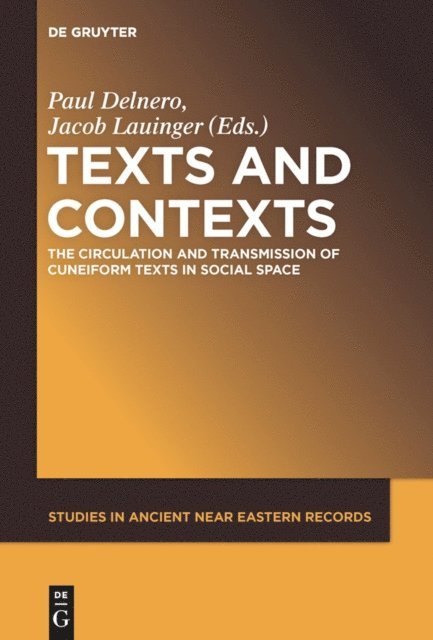
Texts and Contexts
The Circulation and Transmission of Cuneiform Texts in Social Space
Av Jacob Lauinger, Paul Delnero
E-bok, 2015
1865 kr
Lägg i varukorg
This volume assembles scholars working on cuneiform texts from different periods, genres, and areas to examine the range of social, cultural, and historical contexts in which specific types of texts circulated. Using different methodologies and sources of evidence, these articles reconstruct the …
Texts and Contexts
The Circulation and Transmission of Cuneiform Texts in Social Space
Av Paul Delnero, Jacob Lauinger
Inbunden, 2015
1844 kr
Lägg i varukorg
This volume assembles scholars working on cuneiform texts from different periods, genres, and areas to examine the range of social, cultural, and historical contexts in which specific types of texts circulated. Using different methodologies and sources of evidence, these articles reconstruct the …
Texts and Contexts
The Circulation and Transmission of Cuneiform Texts in Social Space
Av Jacob Lauinger, Paul Delnero
E-bok, 2015
1825 kr
Lägg i varukorg
This volume assembles scholars working on cuneiform texts from different periods, genres, and areas to examine the range of social, cultural, and historical contexts in which specific types of texts circulated. Using different methodologies and sources of evidence, these articles reconstruct the …
Labors of Idrimi
Inscribing the Past, Shaping the Present at Late Bronze Age Alalah
Häftad, 2024
643 kr
Lägg i varukorg
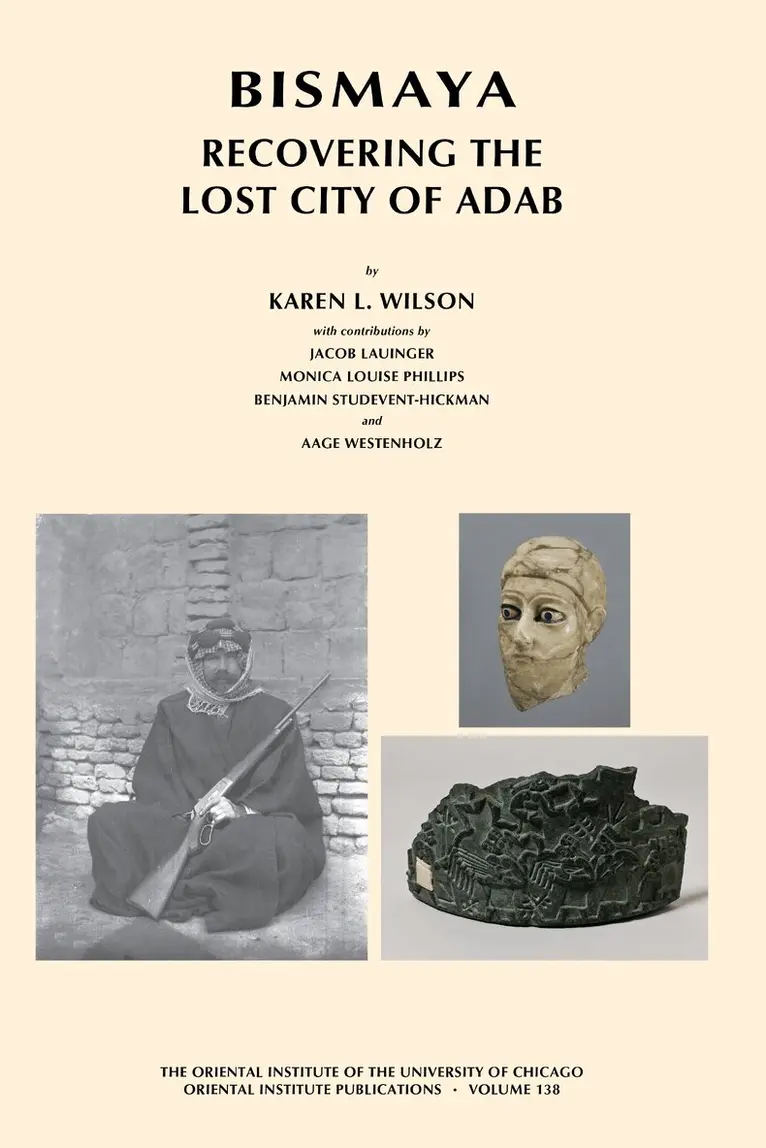
Bismaya
Recovering the Lost City of Adab
Av Jacob Lauinger, Monica Louise Phillips m. fl.
Häftad, 2012
1248 kr
Lägg i varukorg
An expedition from the University of Chicago excavated the site of Bismaya (ancient Adab) from December 24, 1903, until late June 1905. The excavations were directed first by Edgar J. Banks and then, briefly, by Victor S. Persons. Over 1,000 artifacts, many of them early cuneiform documents, were …