Jacob M. Baum – författare
Visar alla böcker från författaren Jacob M. Baum. Handla med fri frakt och snabb leverans.
7 produkter
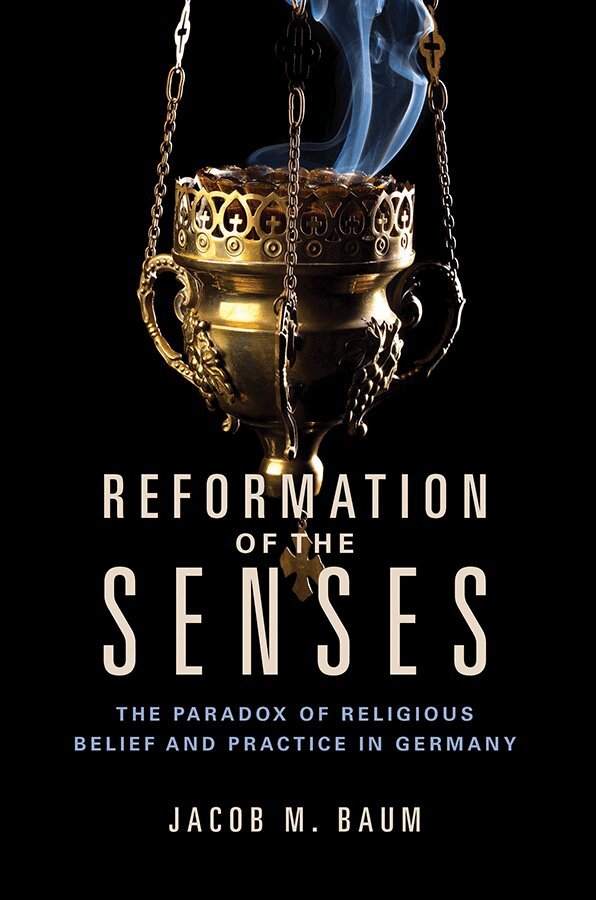
Reformation of the Senses
The Paradox of Religious Belief and Practice in Germany
Inbunden, 2018
1239 kr
Lägg i varukorg
We see the Protestant Reformation as the dawn of an austere, intellectual Christianity that uprooted a ritualized religion steeped in stimulating the senses--and by extension the faith--of its flock. Historians continue to use the idea as a potent framing device in presenting not just the history …
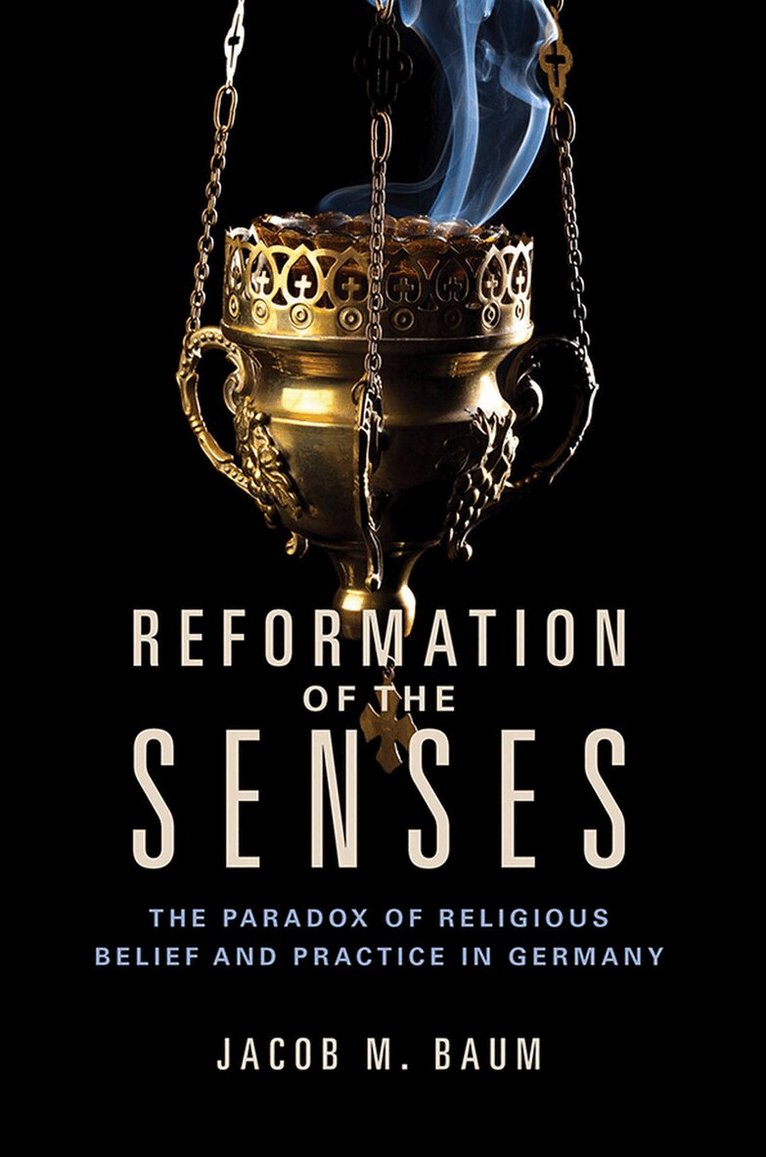
Reformation of the Senses
The Paradox of Religious Belief and Practice in Germany
E-bok, 2018
568 kr
Lägg i varukorg
We see the Protestant Reformation as the dawn of an austere, intellectual Christianity that uprooted a ritualized religion steeped in stimulating the senses--and by extension the faith--of its flock. Historians continue to use the idea as a potent framing device in presenting not just the history …
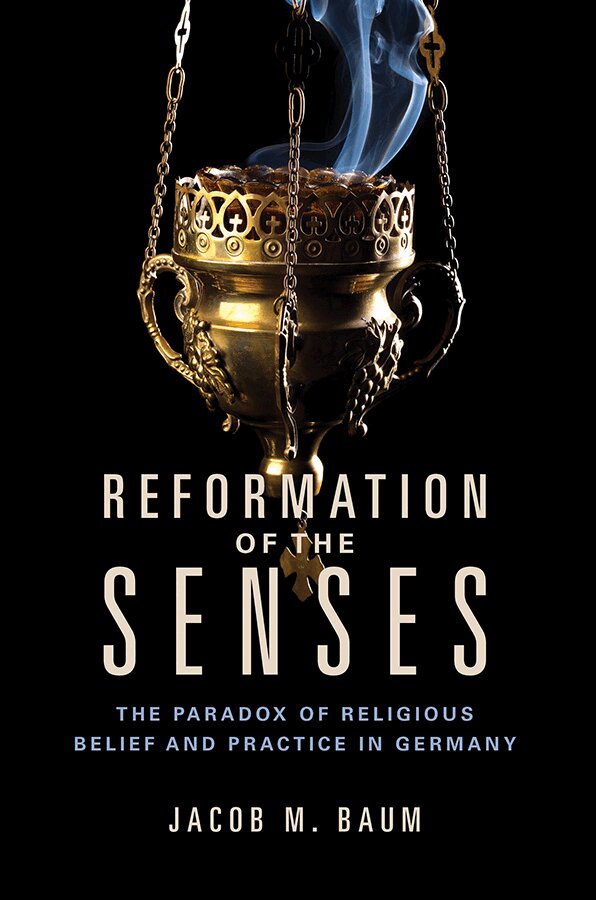
Reformation of the Senses
The Paradox of Religious Belief and Practice in Germany
Häftad, 2018
441 kr
Lägg i varukorg
We see the Protestant Reformation as the dawn of an austere, intellectual Christianity that uprooted a ritualized religion steeped in stimulating the senses--and by extension the faith--of its flock. Historians continue to use the idea as a potent framing device in presenting not just the history …
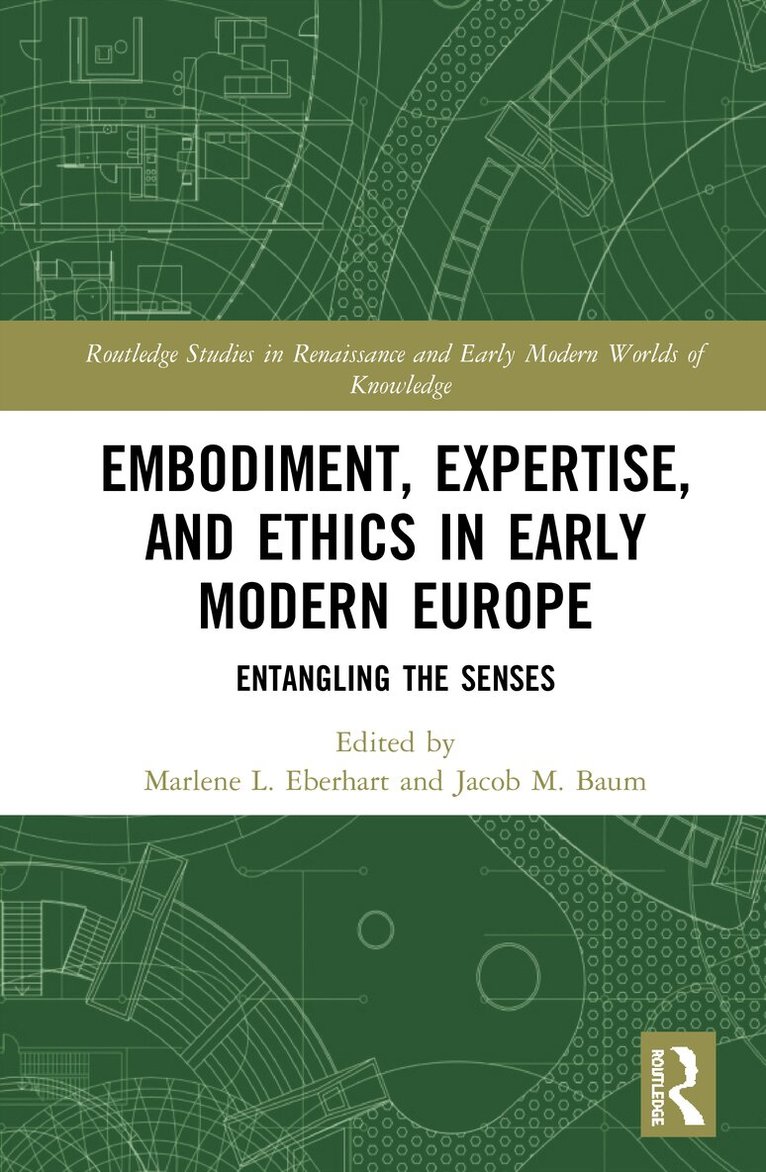
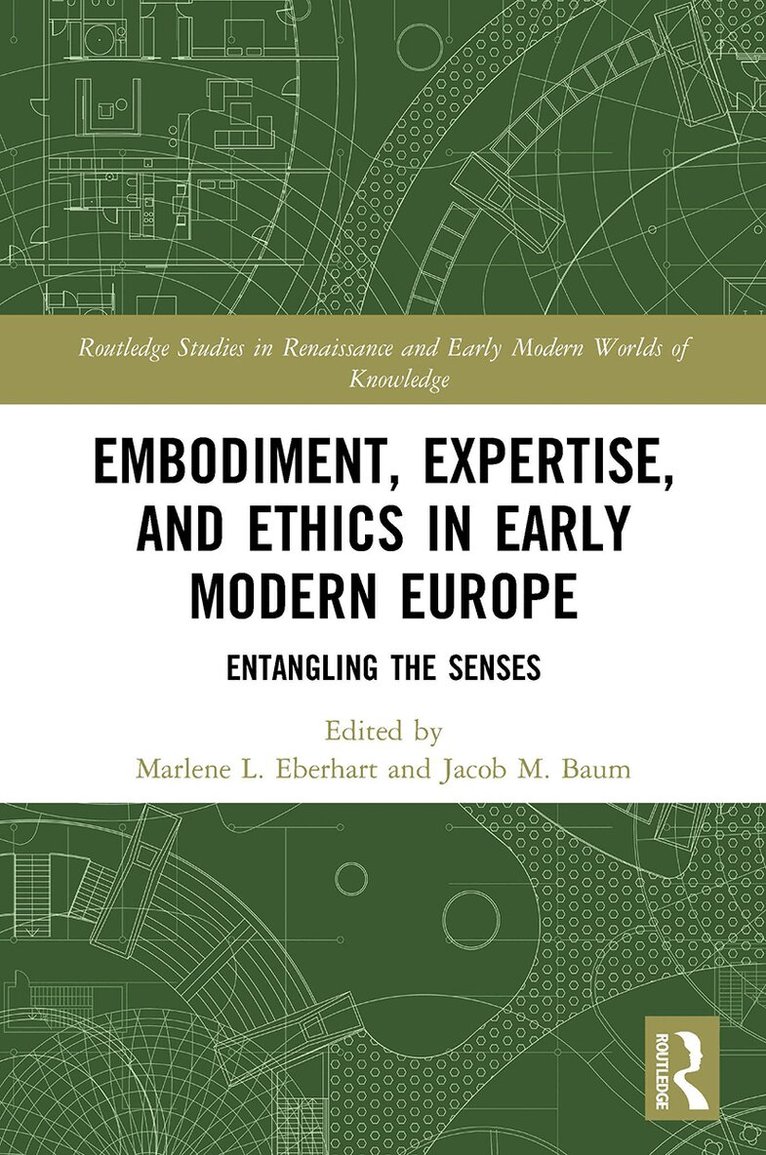
Embodiment, Expertise, and Ethics in Early Modern Europe
Entangling the Senses
Av Marlene L. Eberhart, Jacob M. Baum
Inbunden, 2020
2888 kr
Lägg i varukorg
Embodiment, Expertise, and Ethics in Early Modern Europe highlights the agency and intentionality of individuals and groups in the making of sensory knowledge from approximately 1500 to 1700. Focused case studies show how artisans, poets, writers, and theologians responded creatively to their …
Embodiment, Expertise, and Ethics in Early Modern Europe
Entangling the Senses
Av Marlene L. Eberhart, Jacob M. Baum
Häftad, 2022
812 kr
Lägg i varukorg
Embodiment, Expertise, and Ethics in Early Modern Europe highlights the agency and intentionality of individuals and groups in the making of sensory knowledge from approximately 1500 to 1700. Focused case studies show how artisans, poets, writers, and theologians responded creatively to their …
Embodiment, Expertise, and Ethics in Early Modern Europe
Entangling the Senses
Av Jacob M. Baum, Marlene L. Eberhart
E-bok, 2020
956 kr
Lägg i varukorg
Embodiment, Expertise, and Ethics in Early Modern Europe highlights the agency and intentionality of individuals and groups in the making of sensory knowledge from approximately 1500 to 1700. Focused case studies show how artisans, poets, writers, and theologians responded creatively to their …
Embodiment, Expertise, and Ethics in Early Modern Europe
Entangling the Senses
Av Jacob M. Baum, Marlene L. Eberhart
E-bok, 2020
956 kr
Lägg i varukorg
Embodiment, Expertise, and Ethics in Early Modern Europe highlights the agency and intentionality of individuals and groups in the making of sensory knowledge from approximately 1500 to 1700. Focused case studies show how artisans, poets, writers, and theologians responded creatively to their …