Jacob Phillips - Böcker
Visar alla böcker från författaren Jacob Phillips. Handla med fri frakt och snabb leverans.
7 produkter
7 produkter
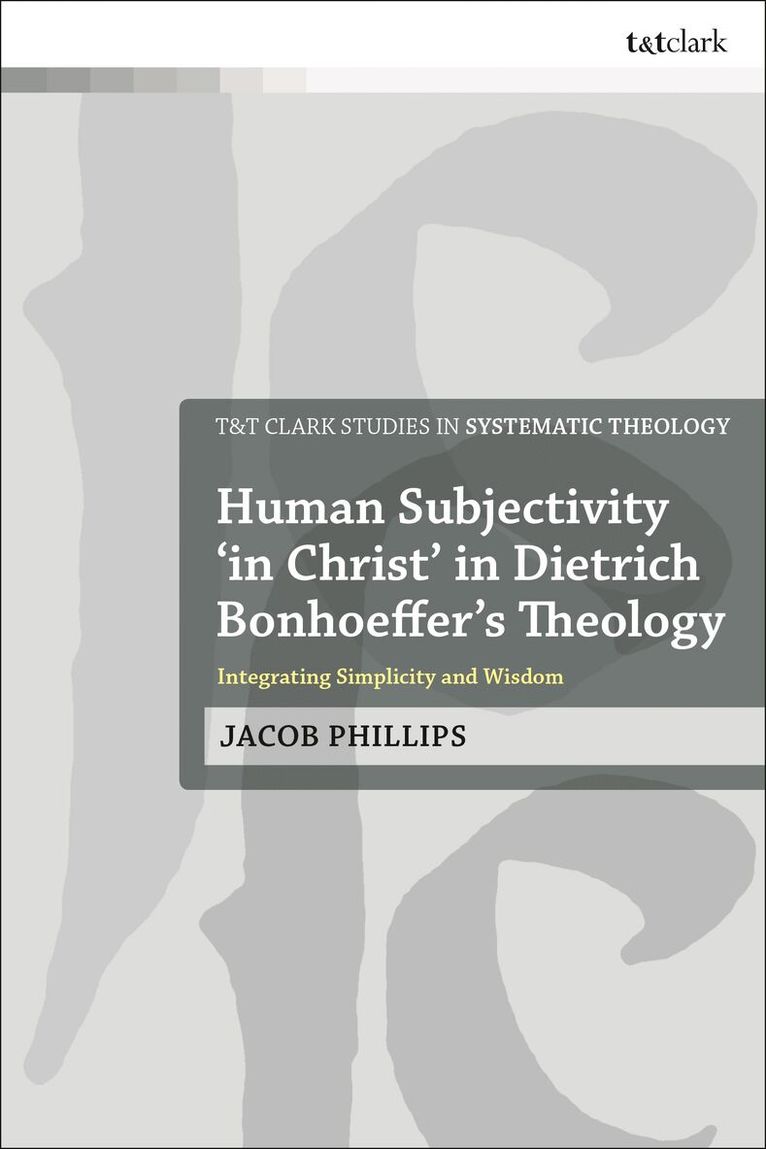
Human Subjectivity 'in Christ' in Dietrich Bonhoeffer's Theology
Integrating Simplicity and Wisdom
Inbunden, Engelska, 2019
1 873 kr
Skickas inom 5-8 vardagar
Jacob Phillips presents a critical study of a neglected aspect of Dietrich Bonhoeffer’s theology: his writing on human subjectivity, self-reflection, and individual identity ‘in Christ’. In response to the rise of chronic self-representation through digital technology, Phillips argues that Bonhoeffer presents a radical challenge, maintaining that – from the perspective of Christian theology - there is something deeply negative about beholding representations of oneself. Bonhoeffer instead holds that discipleship means adopting a posture of radical agnosticism toward one’s own identity. Phillips focuses on the interrelation of ‘simplicity’ and ‘reflection’ in theological cognition and ethical deliberation, showing a wider significance in contemporary theological anthropology, soteriology and ethics. By following the tradition of reading Bonhoeffer in relation to the philosophical sources, such as Wüstenberg , Janz, Whitson-Floyd, Marsh, Zimmermann, Gregor, Phillips highlights the ways in which Bonhoeffer’s work relates to modern debates in epistemology and ethics generally, and that of Wilhelm Dilthey and hermeneutical phenomenology in particular. This volume offers a detailed theological analysis of the themes of self-identity, human subjectivity, and self-understanding, which are highly pertinent for contemporary society.
1 409 kr
Skickas inom 5-8 vardagar
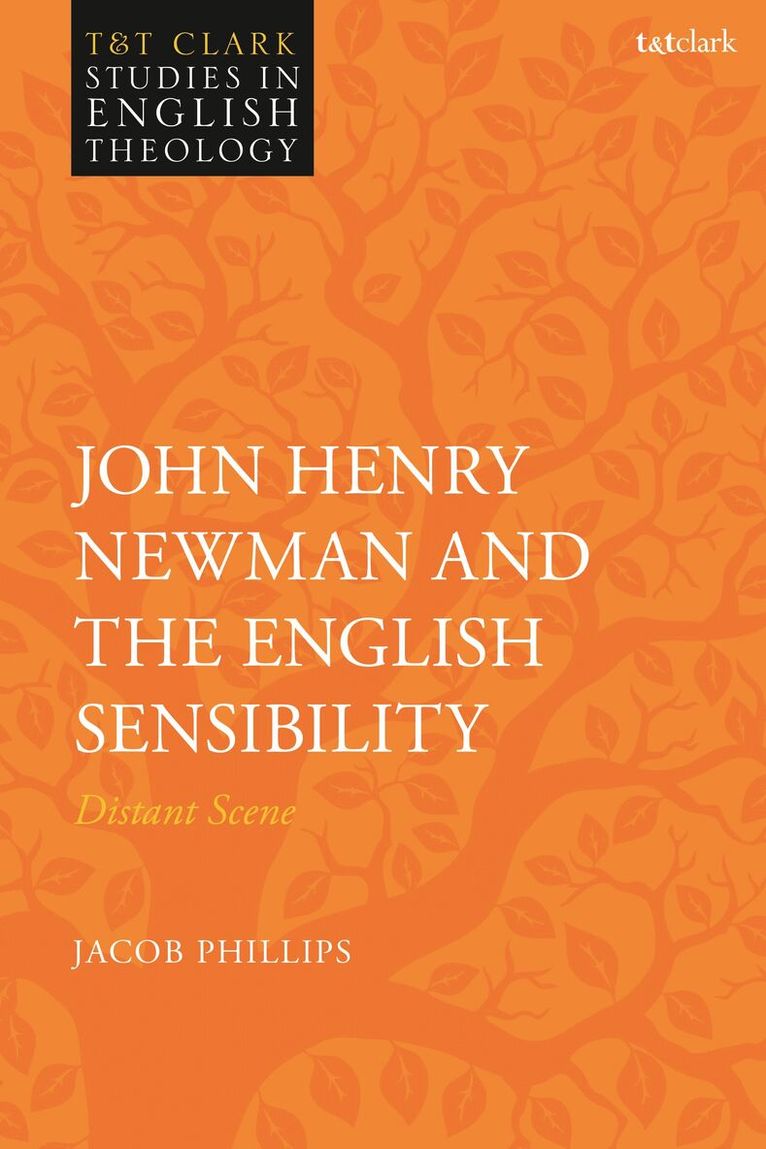
Asides about John Henry Newman being either particularly English or particularly un-English are common. John Henry Newman and the English Sensibility scrutinises Newman’s theological writings to establish how his theology can be considered distinctively English or un-English at the different stages of its development.In his Tractarian period, Newman’s theology is shown to be profoundly characterised by common 19th-century tropes of a perceived English sensibility, namely an instinct for compromise, an affection for reserve and a markedly empirical orientation to life. In the period following Newman’s conversion to Catholicism in 1845, however, his theology turns against the Englishness of his earlier years as he critiques of the many theological dangers of a self-confident cultural sensibility. In his mature writings, nonetheless, Newman re-incorporates certain elements of his earlier Englishness with a Catholic grounding, yet also maintains an antipathy to certain targets of his post-conversion polemics.Phillips finds that the English instinct for compromise is not incorporated into Newman’s mature theology, which remains unabashedly one-sided in its understanding of God and the Catholic Church, taking precedence over elements of a cultural sensibility pertaining ultimately to the sphere of the natural. The affection for reserve, however, is shown to be capable of gracious elevation when reconfigured on a Catholic grounding. Most importantly, the profoundly empirical orientation to life which was considered typical of Englishness in Newman’s day emerges as something exhibiting what Newman might consider a ‘antecedent affinity’ to Catholic theology.This book thus concludes by offering a view of the English Catholic sensibility as characterised by a mindset of careful reserve toward knowledge and words about God, arising from a marked concern for the living, embodied present as the site of God’s transformative action in the twists and turns of human life.
Human Subjectivity 'in Christ' in Dietrich Bonhoeffer's Theology
Integrating Simplicity and Wisdom
Häftad, Engelska, 2021
526 kr
Skickas inom 5-8 vardagar
Jacob Phillips presents a critical study of a neglected aspect of Dietrich Bonhoeffer’s theology: his writing on human subjectivity, self-reflection, and individual identity ‘in Christ’. In response to the rise of chronic self-representation through digital technology, Phillips argues that Bonhoeffer presents a radical challenge, maintaining that – from the perspective of Christian theology - there is something deeply negative about beholding representations of oneself. Bonhoeffer instead holds that discipleship means adopting a posture of radical agnosticism toward one’s own identity. Phillips focuses on the interrelation of ‘simplicity’ and ‘reflection’ in theological cognition and ethical deliberation, showing a wider significance in contemporary theological anthropology, soteriology and ethics. By following the tradition of reading Bonhoeffer in relation to the philosophical sources, such as Wüstenberg , Janz, Whitson-Floyd, Marsh, Zimmermann, Gregor, Phillips highlights the ways in which Bonhoeffer’s work relates to modern debates in epistemology and ethics generally, and that of Wilhelm Dilthey and hermeneutical phenomenology in particular. This volume offers a detailed theological analysis of the themes of self-identity, human subjectivity, and self-understanding, which are highly pertinent for contemporary society.
479 kr
Skickas inom 5-8 vardagar
Asides about John Henry Newman being either particularly English or particularly un-English are common. John Henry Newman and the English Sensibility scrutinises Newman’s theological writings to establish how his theology can be considered distinctively English or un-English at the different stages of its development.In his Tractarian period, Newman’s theology is shown to be profoundly characterised by common 19th-century tropes of a perceived English sensibility, namely an instinct for compromise, an affection for reserve and a markedly empirical orientation to life. In the period following Newman’s conversion to Catholicism in 1845, however, his theology turns against the Englishness of his earlier years as he critiques of the many theological dangers of a self-confident cultural sensibility. In his mature writings, nonetheless, Newman re-incorporates certain elements of his earlier Englishness with a Catholic grounding, yet also maintains an antipathy to certain targets of his post-conversion polemics.Phillips finds that the English instinct for compromise is not incorporated into Newman’s mature theology, which remains unabashedly one-sided in its understanding of God and the Catholic Church, taking precedence over elements of a cultural sensibility pertaining ultimately to the sphere of the natural. The affection for reserve, however, is shown to be capable of gracious elevation when reconfigured on a Catholic grounding. Most importantly, the profoundly empirical orientation to life which was considered typical of Englishness in Newman’s day emerges as something exhibiting what Newman might consider a ‘antecedent affinity’ to Catholic theology.This book thus concludes by offering a view of the English Catholic sensibility as characterised by a mindset of careful reserve toward knowledge and words about God, arising from a marked concern for the living, embodied present as the site of God’s transformative action in the twists and turns of human life.
600 kr
Skickas inom 7-10 vardagar
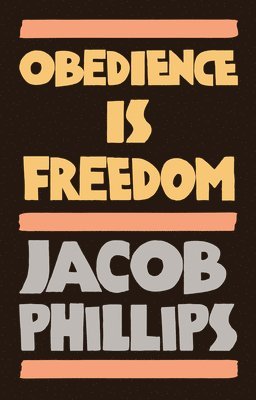
The virtue of obedience is seen as outdated today, if not downright toxic – and yet, are we any freer than our forebears?In this provocative work, Jacob Phillips argues not. Many feel unable to speak freely, their opinions policed by the implicit or explicit threat of coercion. Impending ecological disaster is the ultimate threat to our freedoms and wellbeing, and living in a disenchanted cosmos leaves people enslaved to nihilistic whim. Phillips shows that the antiquated notion of obedience to the moral law contains forgotten dimensions, which can be a source of freedom from these contemporary fetters. These dimensions of obedience – such as loyalty, discipline and order – protect people from falling prey to the subtle forms of coercion, control and domination of twenty-first-century life.Fusing literary insight with philosophical discussion and cultural critique, Phillips demonstrates that in obedience lies the path to true freedom.
204 kr
Skickas inom 7-10 vardagar
The virtue of obedience is seen as outdated today, if not downright toxic – and yet, are we any freer than our forebears?In this provocative work, Jacob Phillips argues not. Many feel unable to speak freely, their opinions policed by the implicit or explicit threat of coercion. Impending ecological disaster is the ultimate threat to our freedoms and wellbeing, and living in a disenchanted cosmos leaves people enslaved to nihilistic whim. Phillips shows that the antiquated notion of obedience to the moral law contains forgotten dimensions, which can be a source of freedom from these contemporary fetters. These dimensions of obedience – such as loyalty, discipline and order – protect people from falling prey to the subtle forms of coercion, control and domination of twenty-first-century life.Fusing literary insight with philosophical discussion and cultural critique, Phillips demonstrates that in obedience lies the path to true freedom.