Jacopo Tabolli - Böcker
Visar alla böcker från författaren Jacopo Tabolli. Handla med fri frakt och snabb leverans.
2 produkter
2 produkter
602 kr
Skickas inom 7-10 vardagar
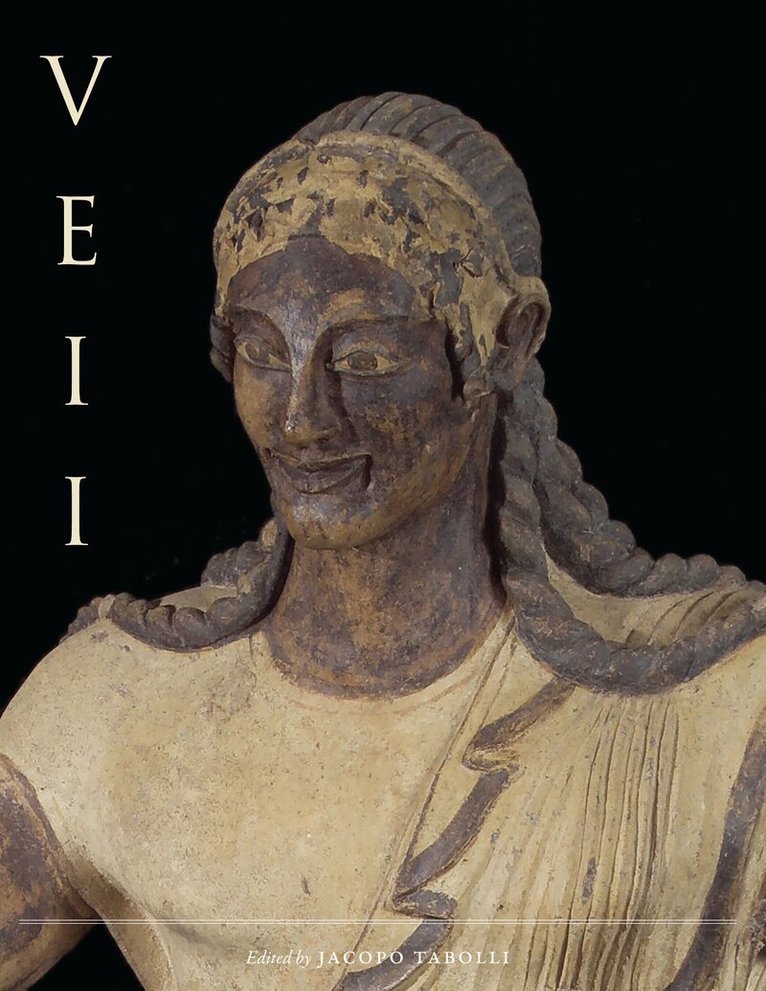
Reputed to be the richest city of Etruria, Veii was one of the most important cities in the ancient Mediterranean world. It was located ten miles northwest of Rome, and the two cities were alternately allied and at war for over three hundred years until Veii fell to Rome in 396 BCE, although the city continued to be inhabited until the Middle Ages. Rediscovered in the seventeenth century, Veii has undergone the longest continuous excavation of any of the Etruscan cities.The most complete volume on the city in English, Veii presents the research and interpretations of multiple generations of Etruscan scholars who are at the forefront of the discipline. Their essays are grouped into four parts. The first provides a general overview of archaeological excavation at Veii and discusses the different types of methodologies employed over the years. The second part narrates the history of Etruscan occupation of the city and its role in the greater Mediterranean world. The third section examines the surviving material culture of Veii, including pottery, painting, sculpture, metalworking, and architectural terracottas. Finally, the legacy of Veii is discussed, and a chronology of the site is presented. This pioneering research offers all students of the ancient Mediterranean a new understanding of the development of Veii and its territory from the late Bronze Age to the Roman conquest, as well as of the interactions of Veii with nearby sites and territories in central Tyrrhenian Italy.
351 kr
Skickas
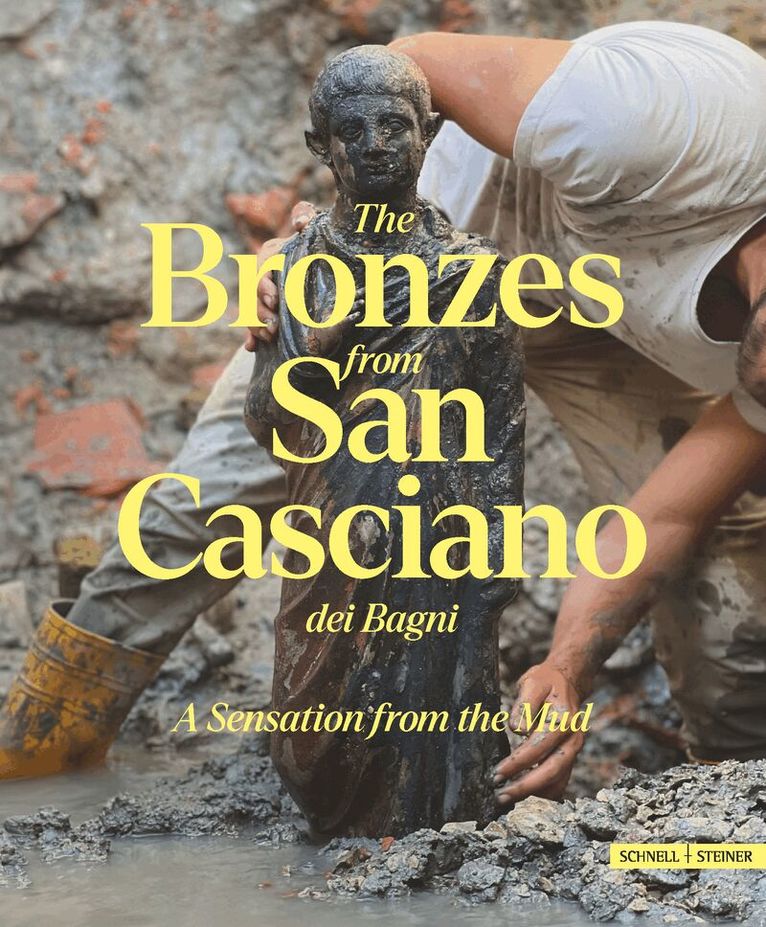
Exceptionally well-preserved bronze statues from a sanctuary in San Casciano, Italy, were discovered in 2022, with more spectacular discoveries in 2024. The statues provide insight into healing rituals and religious practices at the transition from Etruscan to Roman culture. This richly illustrated book presents an account of the excavations and the 2024 discoveries, alongside major objects now held in the Collection of Classical Antiquities and the Museum of European Cultures, both part of the National Museums in Berlin.The discovery of a large assemblage of bronze figures at San Casciano dei Bagni in southern Tuscany caused a sensation in 2022. Unearthed from the mud of a thermal spring basin at the centre of an Etrusco-Roman healing sanctuary, these extraordinary artefacts offer striking new insights into centuries of devotional practice. At the sanctuary, the sick sought healing through the thermal waters, and anxious parents sought divine protection for their children.The statues, as well as many smaller objects, were votive offerings from visitors to the powers worshipped there. They allow us, for the first time, to study how a sanctuary functioned at the transition from Etruscan to Roman culture; Etruscan and Roman inscriptions on the votive offerings providing information about the donors and the deities.The statues are on display at an exhibition at the James-Simon-Galerie in Berlin in the summer of 2025.