Jade Munslow Ong - Böcker
Visar alla böcker från författaren Jade Munslow Ong. Handla med fri frakt och snabb leverans.
6 produkter
6 produkter
2 169 kr
Skickas inom 10-15 vardagar
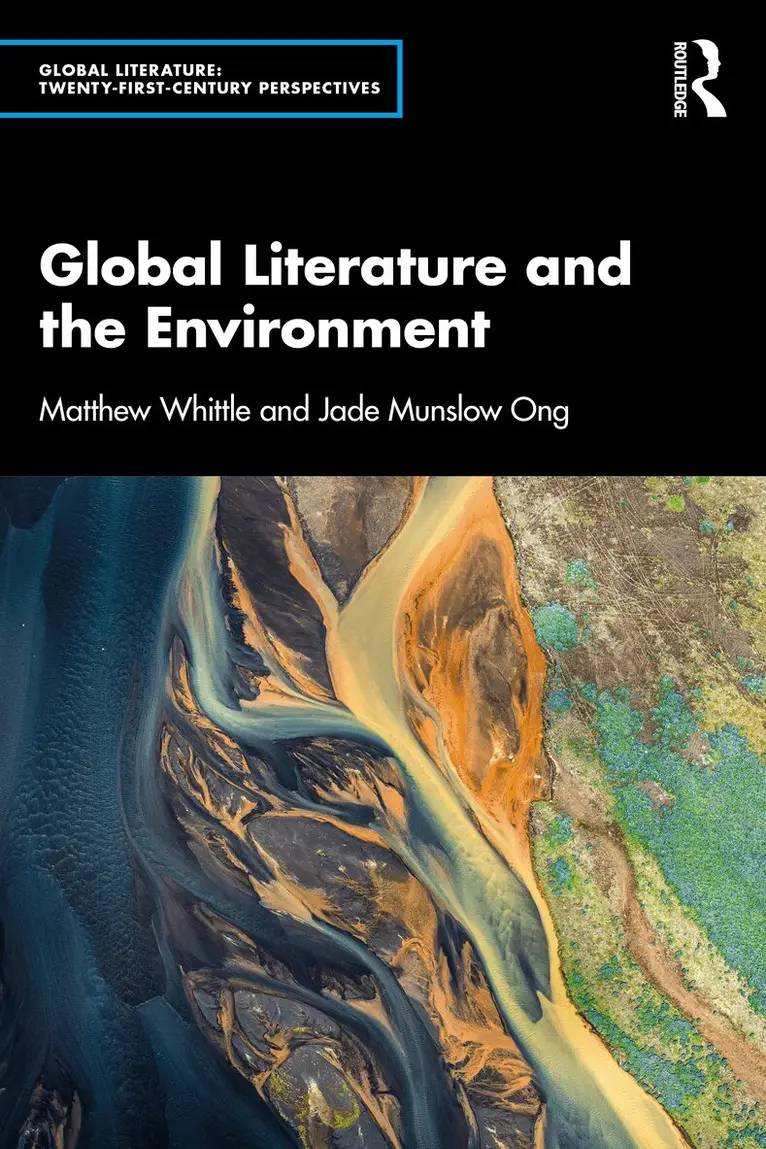
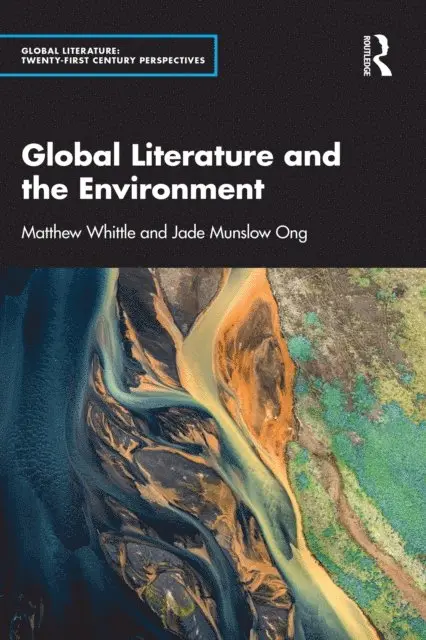
Global Literature and the Environment analyses literatures from across the world that connect readers to the localized impacts of the climate and ecological emergencies. The book contextualizes ecological breakdown within the history of imperialist-capitalism, exploring how literature helps us to imagine and create a habitable and just world for all forms of life.The four chapters are organised according to the elements of the climate system that are at risk. ‘Earth’ examines Caribbean, American, South African, and British literatures that explore how dominant human groups have exploited soils, minerals, metals, and oil in pursuit of economic aims. ‘Water’ engages with poetic representations of, and responses to, extraction, pollution, and global warming in the fresh- and saltwaters of Nigeria and the icescapes of Alaska. ‘Air’ analyses prose and poetry that depicts atmospheric pollution caused by gas flaring in the Niger Delta and the production of pesticides in India. ‘Life’ attends to the ways in which literature contextualizes the drivers of, and proposed solutions to, mass species extinction across North America, Africa, Australasia, and Aotearoa New Zealand.This accessible and engaging book explores novels, plays and poetry by writers including Octavia Butler, C.L.R. James, dg nanouk okpik, Ken Saro-Wiwa, Imbolo Mbue, Indra Sinha, Witi Ihimaera, J.M. Coetzee, and Henrietta Rose-Innes, amongst many others. It introduces readers to the concept of the Anthropocene alongside perspectives that challenge the assumption that the climate crisis is caused by an undifferentiated humanity. In doing so, the book draws on, and combines, a range of theoretical approaches, including postcolonialism, Indigenous studies, ecocriticism, cultural materialism, and animal studies.
585 kr
Skickas inom 10-15 vardagar
Global Literature and the Environment analyses literatures from across the world that connect readers to the localized impacts of the climate and ecological emergencies. The book contextualizes ecological breakdown within the history of imperialist-capitalism, exploring how literature helps us to imagine and create a habitable and just world for all forms of life.The four chapters are organised according to the elements of the climate system that are at risk. ‘Earth’ examines Caribbean, American, South African, and British literatures that explore how dominant human groups have exploited soils, minerals, metals, and oil in pursuit of economic aims. ‘Water’ engages with poetic representations of, and responses to, extraction, pollution, and global warming in the fresh- and saltwaters of Nigeria and the icescapes of Alaska. ‘Air’ analyses prose and poetry that depicts atmospheric pollution caused by gas flaring in the Niger Delta and the production of pesticides in India. ‘Life’ attends to the ways in which literature contextualizes the drivers of, and proposed solutions to, mass species extinction across North America, Africa, Australasia, and Aotearoa New Zealand.This accessible and engaging book explores novels, plays and poetry by writers including Octavia Butler, C.L.R. James, dg nanouk okpik, Ken Saro-Wiwa, Imbolo Mbue, Indra Sinha, Witi Ihimaera, J.M. Coetzee, and Henrietta Rose-Innes, amongst many others. It introduces readers to the concept of the Anthropocene alongside perspectives that challenge the assumption that the climate crisis is caused by an undifferentiated humanity. In doing so, the book draws on, and combines, a range of theoretical approaches, including postcolonialism, Indigenous studies, ecocriticism, cultural materialism, and animal studies.
Olive Schreiner and African Modernism
Allegory, Empire and Postcolonial Writing
Häftad, Engelska, 2019
787 kr
Skickas inom 10-15 vardagar
This book works across established categories of modernism and postcolonialism in order to radically revise the periods, places, and topics traditionally associated with anti-colonialism and aesthetic experimentation in African literature. The book is the first account of Olive Schreiner as a theorist and practitioner of modernist form advancing towards an emergent postcolonialism. The book draws on and broadens discussions in and around the blossoming field of global modernist studies by interrogating the conventionally accepted genealogy of development that positions Europe and America as the sites of innovation. It provides an original examination of the relationships between metaphor, postcolonialism, and modernist experimentation by showing how politically and aesthetically innovative African forms rely on allegorical structures, in contrast to the symbolism dominant in Euro-American modernism. An original theoretical concept of the role of primitivism and allegory within the context of modernism and associated critical theory is proposed through the integration of postcolonial, Marxist, and ecocritical approaches to literature. The book provides original readings of Schreiner’s three novels, Undine, The Story of An African Farm, and From Man to Man, in light of the new theory of primitivism in African literature by directly addressing the issue of narrative form. This argument is contextualised in relation to the work of other Southern African authors, in whose writings the impact of Schreiner’s politics and aesthetics can be traced. These authors include J.M. Coetzee, Nadine Gordimer, Doris Lessing, Solomon T. Plaatje, and Zoe Wicomb, amongst others. This book brings the most current debates in modernist studies, ecocriticism, and primitivism into the field of postcolonial studies and contributes to a widening of the debates surrounding gender, race, empire, and modernism.
Olive Schreiner and African Modernism
Allegory, Empire and Postcolonial Writing
Inbunden, Engelska, 2017
2 401 kr
Skickas inom 10-15 vardagar
This book works across established categories of modernism and postcolonialism in order to radically revise the periods, places, and topics traditionally associated with anti-colonialism and aesthetic experimentation in African literature. The book is the first account of Olive Schreiner as a theorist and practitioner of modernist form advancing towards an emergent postcolonialism. The book draws on and broadens discussions in and around the blossoming field of global modernist studies by interrogating the conventionally accepted genealogy of development that positions Europe and America as the sites of innovation. It provides an original examination of the relationships between metaphor, postcolonialism, and modernist experimentation by showing how politically and aesthetically innovative African forms rely on allegorical structures, in contrast to the symbolism dominant in Euro-American modernism. An original theoretical concept of the role of primitivism and allegory within the context of modernism and associated critical theory is proposed through the integration of postcolonial, Marxist, and ecocritical approaches to literature. The book provides original readings of Schreiner’s three novels, Undine, The Story of An African Farm, and From Man to Man, in light of the new theory of primitivism in African literature by directly addressing the issue of narrative form. This argument is contextualised in relation to the work of other Southern African authors, in whose writings the impact of Schreiner’s politics and aesthetics can be traced. These authors include J.M. Coetzee, Nadine Gordimer, Doris Lessing, Solomon T. Plaatje, and Zoe Wicomb, amongst others. This book brings the most current debates in modernist studies, ecocriticism, and primitivism into the field of postcolonial studies and contributes to a widening of the debates surrounding gender, race, empire, and modernism.
2 215 kr
Skickas inom 3-6 vardagar
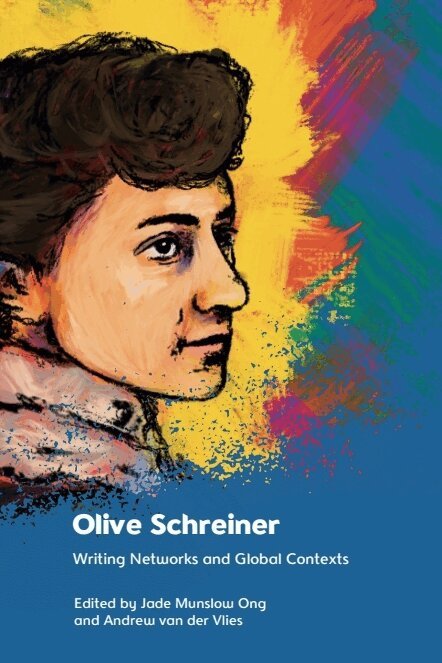
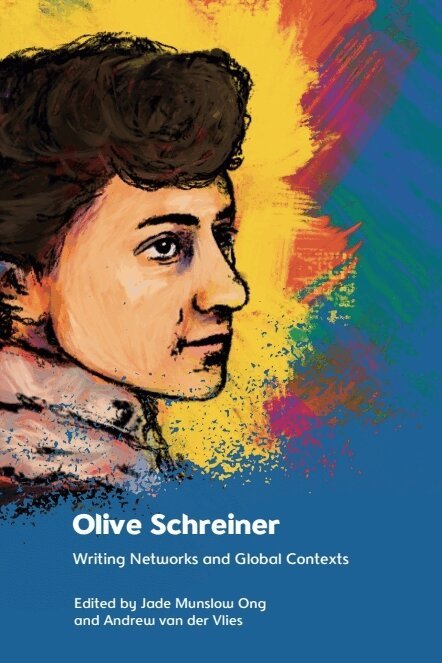
Examines Olive Schreiner's writing, networks and legacies in new global, historical and contemporary contextsExamines aspects of Schreiner's radical thought, including her feminism, anti-colonialism, anti-racism, pacifism, environmentalism, and ambivalent anarchism, as well as their impacts on civil rights movements, global feminisms, and global literary modernismsExplores revealing and sometimes unexpected connections, affinities and lines of influence that link Schreiner's work with its widespread influence and afterlifeIncludes essays by leading and emerging Schreiner scholars working across English Studies, Modernist Studies, Comparative Literature, Sociology, Museum Studies, Publishing HistoryDiscusses Schreiner's work in relation to major global literary and historical figures including W. E. B. DuBois, Martin Luther King Jr, Charles Freer Andrews, J. M. Coetzee, Virginia Woolf, Bessie Head and Patrick White, amongst othersChapters are driven by a shared impetus to uncover and analyse the anticipatory and galvanising roles of political and artistic forces that emerge from Southern Africa through case studies on SchreinerThis collection of essays considers the significance of South African-born writer, activist and thinker Olive Schreiner in international and multidisciplinary contexts in her time and the ongoing relevance of her work to our own. A leading writer of New Woman Fiction at the fin de si cle, Schreiner influenced generations of readers, not to mention other writers. Taken together, these essays make the argument for a 'new' Schreiner Studies drawing on recent developments in scholarship on global and peripheral modernisms, activist networks and intersectionality, posthumanism, memory studies and intermediality. They position Schreiner's work and legacy as significant for understanding literary and social archives, race and gender performance, and the rise of literary modernism in the global Anglosphere.
571 kr
Skickas inom 3-6 vardagar
This collection of essays considers the significance of South African-born writer, activist and thinker Olive Schreiner in international and multidisciplinary contexts in her time and the ongoing relevance of her work to our own. A leading writer of New Woman Fiction at the fin de siecle, Schreiner influenced generations of readers, not to mention other writers. Taken together, these essays make the argument for a 'new' Schreiner Studies drawing on recent developments in scholarship on global and peripheral modernisms, activist networks and intersectionality, posthumanism, memory studies and intermediality. They position Schreiner's work and legacy as significant for understanding literary and social archives, race and gender performance, and the rise of literary modernism in the global Anglosphere.