James A. Harrell – författare
Visar alla böcker från författaren James A. Harrell. Handla med fri frakt och snabb leverans.
2 produkter
2 produkter
2 213 kr
Skickas
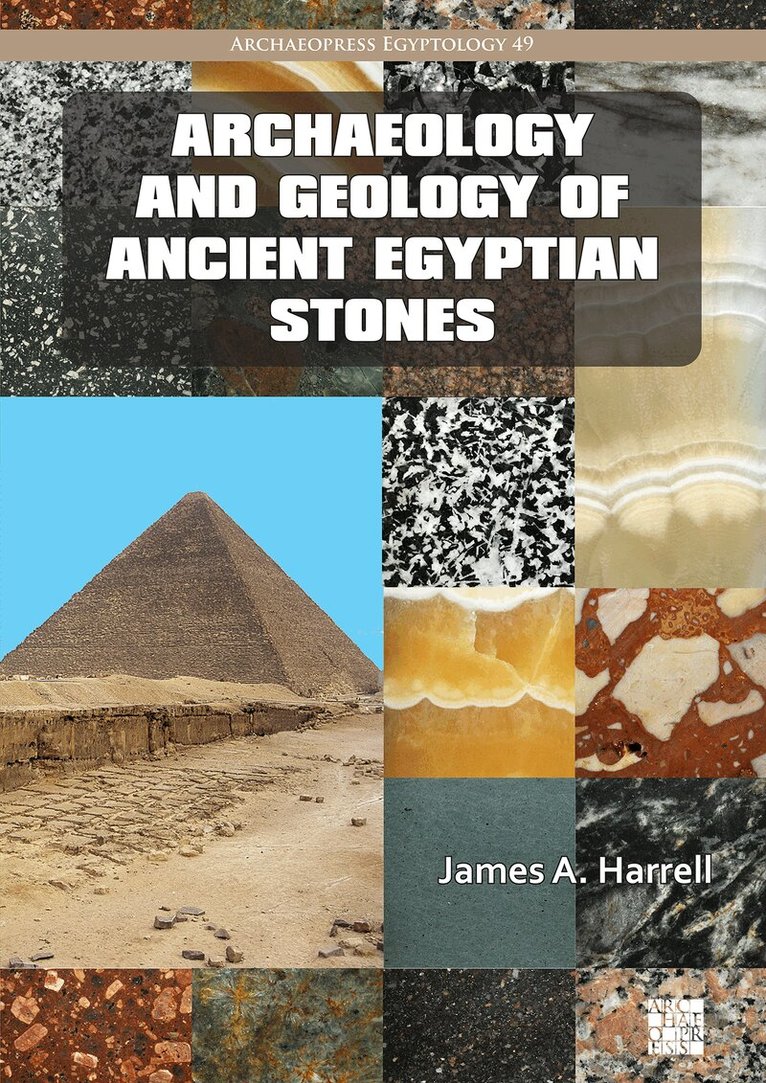
The ancient Egyptian Civilization dominated the northeast corner of Africa—including modern-day Egypt and, at times, northern Sudan—from about 3000 BC at the beginning of the Dynastic period to AD 642 at the end of the Roman period. Most of what it left behind consists of stones of many kinds. There were building stones for temples, pyramids, mastaba tombs, and other monumental constructions; and utilitarian stones for tools, weapons, and a wide array of mundane applications, including the raw materials for faience, glass, medicines, paint pigments, and pottery. There were also ornamental stones for decorative and structural elements in buildings, obelisks, statues, sarcophagi, stelae, vessels, shrines, offering tables, mace heads, cosmetic palettes, and other sculpted objects; and gemstones for jewellery, amulets, seals, and other small decorative items. Still more stones were processed to extract their metals, including gold, copper, iron, and lead.Two persistent problems in Egyptology have been the geological identification of these stones, and the recognition of their sources. Archaeology and Geology of Ancient Egyptian Stones seeks to identify and describe all the rocks and minerals employed by the ancient Egyptians using proper geological nomenclature, and to give an account of their sources in so far as they are known. A secondary objective is to describe the multitudinous uses of the stones as well as the technologies employed to extract, transport, carve, and thermally treat them.
680 kr
Skickas
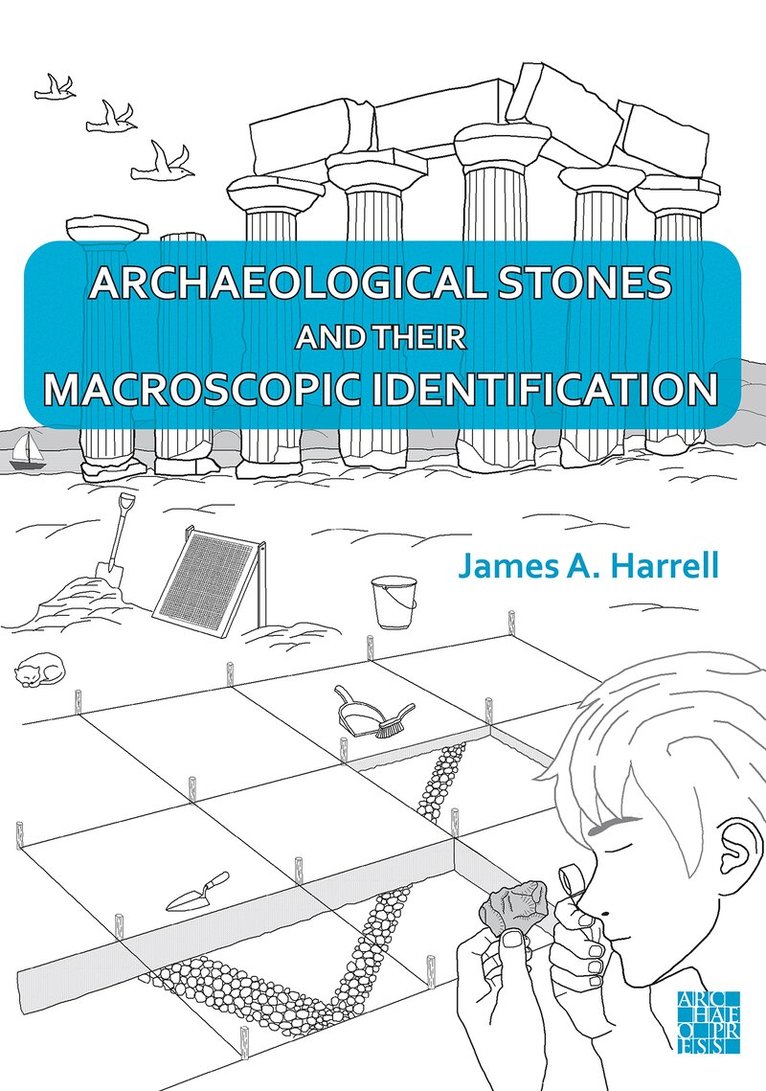
Worked stones are one of the most commonly encountered materials in archaeological excavations and surveys. They can be either minerals or, if granular aggregates of one or more types of minerals, rocks. The correct identification of these stones is an important part of any archaeological study. This book provides archaeologists with a clear and comprehensive explanation of how to recognize the archaeologically important rocks and minerals. It does this using only their macroscopic properties, which are those that can be observed with the unaided eye or, at most, with a low-power magnifying glass. Such observations include both distinctive visual attributes and responses to inexpensive, simple-to-use tests. Determinative keys are also provided to guide the identification process. Recognition of the many stone varieties is made easier if there is a general understanding of their geological formation and so brief overviews are provided on the origins of minerals and rocks.