James Brewer Stewart – författare
Visar alla böcker från författaren James Brewer Stewart. Handla med fri frakt och snabb leverans.
13 produkter
Women's Rights and Transatlantic Antislavery in the Era of Emancipation
Av James Brewer Stewart, Kathryn Kish Sklar
Häftad, 2007
638 kr
Lägg i varukorg
Two epochal developments profoundly influenced the history of the Atlantic world between 1770 and 1870—the rise of women’s rights activism and the drive to eliminate chattel slavery. The contributors to this volume, eminent scholars from a variety of disciplines, investigate the intertwining …
William Lloyd Garrison at Two Hundred
Häftad, 2008
506 kr
Lägg i varukorg
William Lloyd Garrison (1805–79) was one of the most militant and uncompromising abolitionists in the United States. As the editor of the abolitionist paper The Liberator and cofounder of the American Anti-Slavery Society, Garrison spent most of his life arguing against slavery on strictly moral …
Wendell Phillips
Liberty's Hero
Häftad, 1998
469 kr
Lägg i varukorg
Throughout the Civil War era, no other white American spoke more powerfully against slavery and for the ideals of racial democracy than did Wendell Phillips. Nationally famous as ""abolition's golden trumpet,"" Phillips became the North's most widely hailed public lecturer, even though he espoused …
Abolitionist Civil War
Immediatists and the Struggle to Transform the Union
Av Frank J. Cirillo, Richard J. M. Blackett m. fl.
Inbunden, 2023
593 kr
Lägg i varukorg
The astonishing transformation of the abolitionist movement during the Civil War proved enormously consequential both for the cause of abolitionism and for the nation at large. Drawing on a cast of famous and obscure figures from Frederick Douglass to Moncure Conway, Frank J. Cirillo's The …
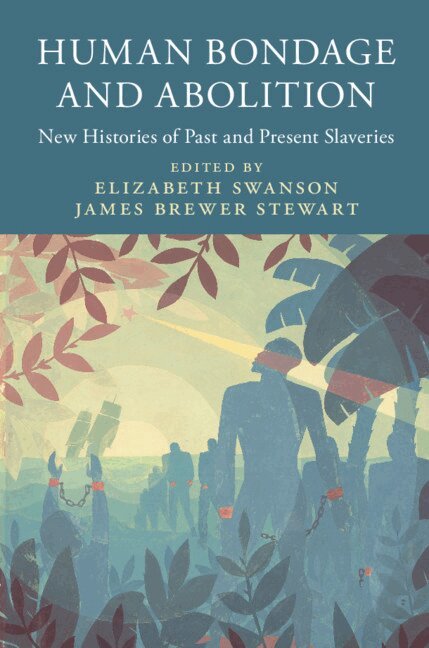
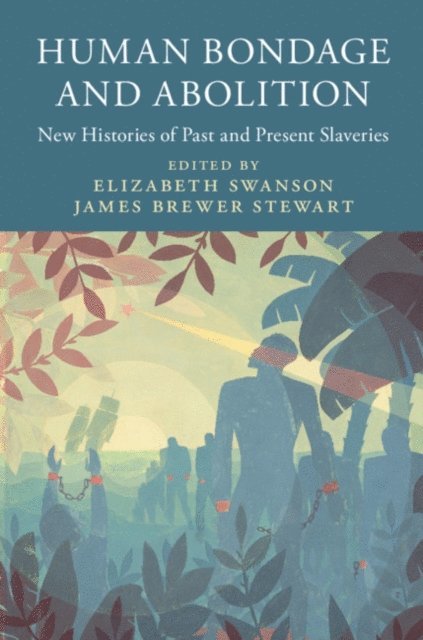
Human Bondage and Abolition
New Histories of Past and Present Slaveries
Av Elizabeth Swanson, James Brewer Stewart
Inbunden, 2018
1194 kr
Lägg i varukorg
Slavery's expansion across the globe often escapes notice because it operates as an underground criminal enterprise, rather than as a legal institution. In this volume, Elizabeth Swanson and James Brewer Stewart bring together scholars from across disciplines to address and expose the roots of …
Human Bondage and Abolition
New Histories of Past and Present Slaveries
Av Elizabeth Swanson, James Brewer Stewart
Häftad, 2018
468 kr
Lägg i varukorg
Slavery's expansion across the globe often escapes notice because it operates as an underground criminal enterprise, rather than as a legal institution. In this volume, Elizabeth Swanson and James Brewer Stewart bring together scholars from across disciplines to address and expose the roots of …
Human Bondage and Abolition
New Histories of Past and Present Slaveries
Av James Brewer Stewart, Elizabeth Swanson
E-bok, 2018
454 kr
Lägg i varukorg
Slavery''s expansion across the globe often escapes notice because it operates as an underground criminal enterprise, rather than as a legal institution. In this volume, Elizabeth Swanson and James Brewer Stewart bring together scholars from across disciplines to address and expose the roots of …
Human Bondage and Abolition
New Histories of Past and Present Slaveries
Av James Brewer Stewart, Elizabeth Swanson
E-bok, 2018
454 kr
Lägg i varukorg
Slavery''s expansion across the globe often escapes notice because it operates as an underground criminal enterprise, rather than as a legal institution. In this volume, Elizabeth Swanson and James Brewer Stewart bring together scholars from across disciplines to address and expose the roots of …
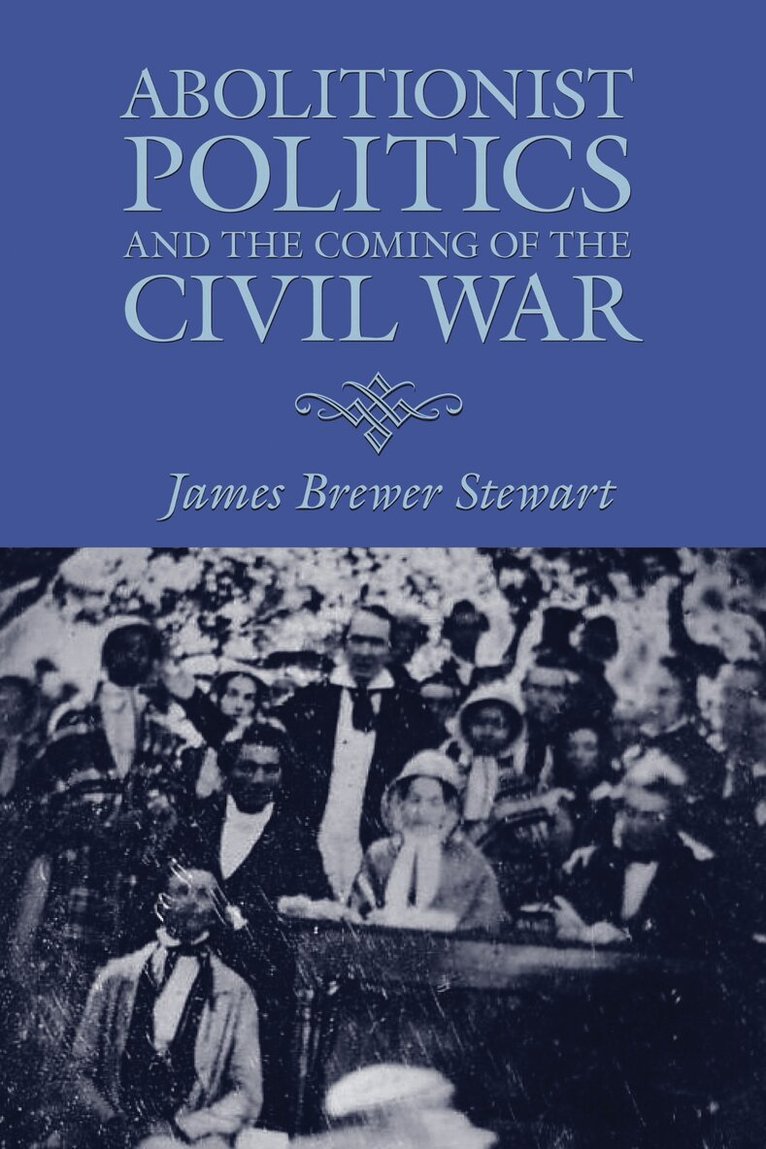
Abolitionist Politics and the Coming of the Civil War
Häftad, 2008
370 kr
Lägg i varukorg
Before the Civil War, slaveholders made themselves into the most powerful, most deeply rooted, and best organized private interest group within the United States. Not only did slavery represent the national economy's second largest capital investment, exceeded only by investment in real estate, but …
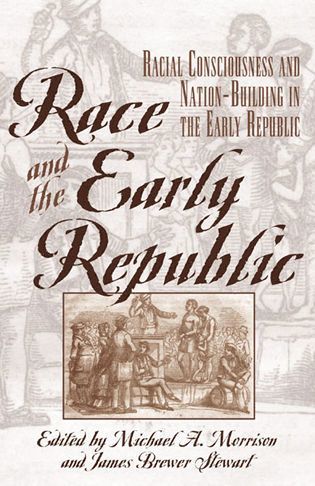
Race and the Early Republic
Racial Consciousness and Nation-Building in the Early Republic
Av Michael A. Morrison, James Brewer Stewart
Häftad, 2002
409 kr
Tillfälligt slut
By 1840, American politics was a paradox—unprecedented freedom and equality for men of European descent, and the simultaneous isolation and degradation of people of African and Native American descent. Historians have characterized this phenomenon as the "white republic." Race and the Early …
The Constitution, the Law, and Freedom of Expression
1787-1987
Av Warren E. Burger, James Brewer Stewart
Inbunden, 1988
267 kr
Tillfälligt slut
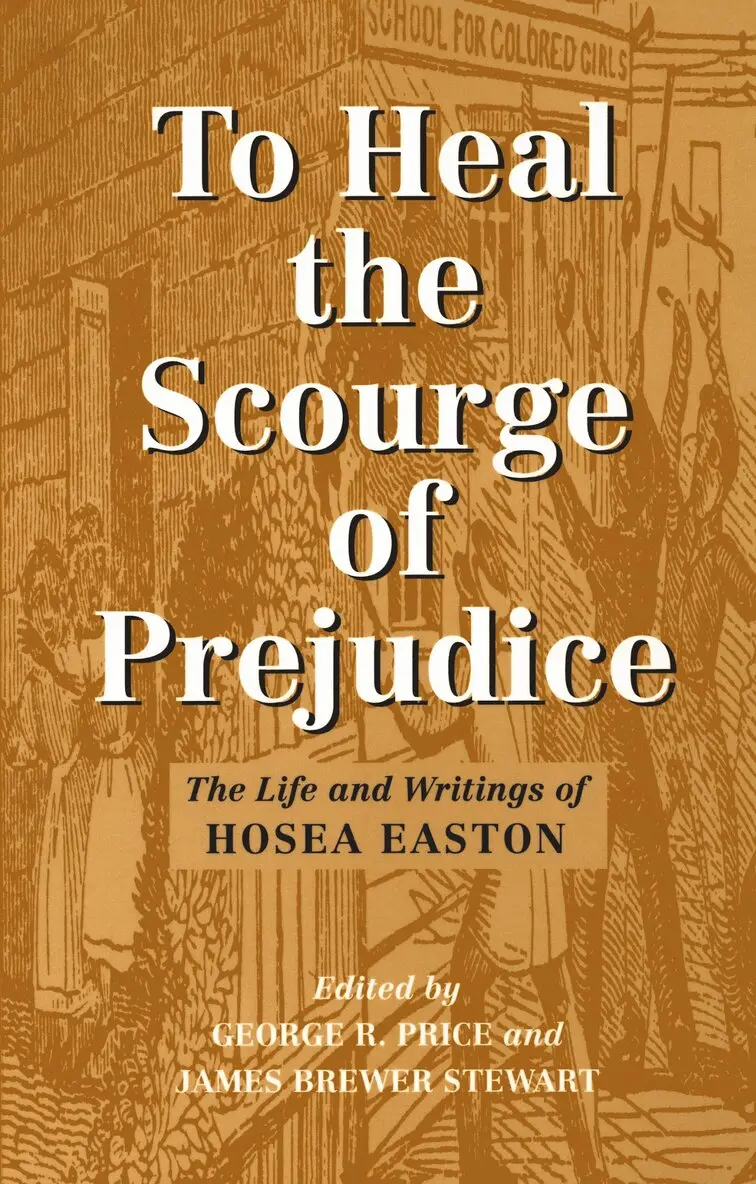
To Heal the Scourge of Prejudice
The Life and Writings of Hosea Easton
Av Hosea Easton, George R. Price m. fl.
Häftad, 1999
306 kr
Tillfälligt slut
A black minister from New England, Hosea Easton joined the struggle to resist southern slavery and secure racial equality. This volume contains his writings, including his passionate 1828 Thanksgiving Day ""Address"". It also includes a biographical portrait of Easton and his family.