James Burk - Böcker
Visar alla böcker från författaren James Burk. Handla med fri frakt och snabb leverans.
14 produkter
14 produkter
394 kr
Skickas inom 7-10 vardagar
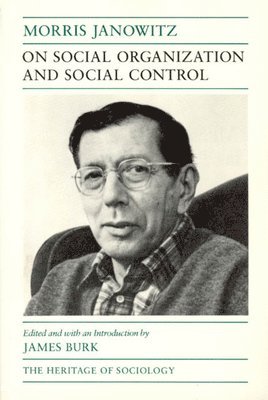
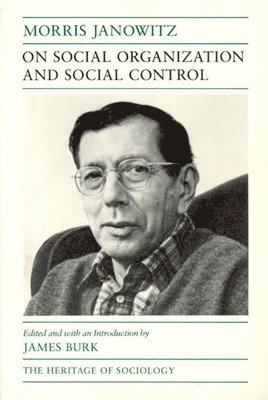
In the four decades following the end of World War II, Morris Janowitz (1919-88) published major works in macrosociology, urban and political sociology, race and ethnic relations, and the study of armed forces and society. His research was deeply rooted in the traditions of philosophical pragmatism and the Chicago school of sociology, influences which led him to reject grand theories and mechanistic explanations of social life. Yet he remained confident in the capacity of sociological reason to come to grips with central aspects of the human condition. On the basis of his studies, Janowitz came to believe that the transition from early to advanced industrial society radically altered institutional organization to make democratic social control more difficult, though not impossible, to achieve. The task of his "pragmatic sociology" was to identify fundamental trends in the social organization of industrial societies, to indicate their substantive implications for social control, and to clarify realistic alternatives for institution building which would strengthen the prospects for maintaining liberal democratic regimes. In this volume, James Burk selects from Janowitz's scholarly writings to provide a comprehensive overview of his wide-ranging interests. Organized to demonstrate the common logic of inquiry and substantive unity of Janowitz's contribution to several subfields of sociology, the collection includes analyses of the concept of social control, ethnic intolerance and hostility, citizenship in Western societies, models for urban education, and the professionalization of military elites. Burk provides a richly detailed, critical account of Janowitz's intellectual development, placing his writings in historical context and showing their continuing relevance for sociological research. Useful to both students and specialists, the volume is an important source for the ideas and methods of one of sociology's leading figures.
1 963 kr
Skickas inom 10-15 vardagar
This volume focuses on the research achievements of the earth sciences in developing the nation's energy resources and on the efforts that still must be made toward solving current and future problems. Contributors point out that efficient exploration for energy resources, evaluation and development of these resources, and effective control of asso
620 kr
Skickas inom 10-15 vardagar
This book focuses on the research achievements of the earth sciences in developing the nation's energy resources and on the efforts that must be made toward solving current and future problems. Knowledge in geosciences is necessary for efficient exploration and development of energy resources.
2 098 kr
Skickas inom 10-15 vardagar
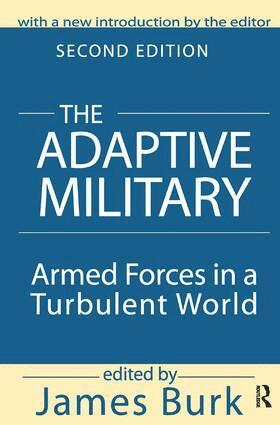
What role will armed forces play in a world that is turbulent yet no longer organized by the bipolar conflict of East and West? In this volume, leading experts from several disciplines assess the rapidly changing global strategic and cultural landscape, examining how it will affect the responsibilities and social standing of the modern military. There are provocative disagreements among the contributors, especially over whether we should expect and prepare for another global war. However, the contributors generally agree on several broad themes that guide their analysis. Arguing that the Cold War has masked basic trends that have been reshaping the international system for a long time, they suggest that the sovereign states' dominance of the international system is rapidly coming to an end, as multinational, ethnic, regional, and religious groups–to name a few–increasingly affect the course of global affairs. In the absence of a clear "enemy," the military faces an identity crisis. In the postmodern atmosphere of this multicentric global order, authority is fragmented, and the exercise of any one authority is subject to greater scrutiny and challenge. The military has become more accepting of a variety of values, life-styles, and attitudes toward its tasks. At the same time, support for the military's mission is difficult to win, requiring endless justification. The authors believe that the principal missions for the military in these new times are peacekeeping, peacemaking, and humanitarian assistance. They examine the prospects for successful operations in these areas, taking into account the cultural lag between world structures that favor increased multinational peacekeeping forces and individual nations that supply token resources to support such efforts. This volume provides a sophisticated and thought-provoking perspective on the future role of the military in the coming decades. It is sure to enrich the vigorous debate surrounding these issues.
538 kr
Skickas inom 10-15 vardagar
What role will armed forces play in a world that is turbulent yet no longer organized by the bipolar conflict of East and West? In this volume, leading experts from several disciplines assess the rapidly changing global strategic and cultural landscape, examining how it will affect the responsibilities and social standing of the modern military. There are provocative disagreements among the contributors, especially over whether we should expect and prepare for another global war. However, the contributors generally agree on several broad themes that guide their analysis. Arguing that the Cold War has masked basic trends that have been reshaping the international system for a long time, they suggest that the sovereign states' dominance of the international system is rapidly coming to an end, as multinational, ethnic, regional, and religious groups–to name a few–increasingly affect the course of global affairs. In the absence of a clear "enemy," the military faces an identity crisis. In the postmodern atmosphere of this multicentric global order, authority is fragmented, and the exercise of any one authority is subject to greater scrutiny and challenge. The military has become more accepting of a variety of values, life-styles, and attitudes toward its tasks. At the same time, support for the military's mission is difficult to win, requiring endless justification. The authors believe that the principal missions for the military in these new times are peacekeeping, peacemaking, and humanitarian assistance. They examine the prospects for successful operations in these areas, taking into account the cultural lag between world structures that favor increased multinational peacekeeping forces and individual nations that supply token resources to support such efforts. This volume provides a sophisticated and thought-provoking perspective on the future role of the military in the coming decades. It is sure to enrich the vigorous debate surrounding these issues.
470 kr
Skickas inom 10-15 vardagar
When the cold war ended, many hoped it signified enhanced prospects for a more stable world. However, despite favorable political developments, the post-cold war period has been marked by turbulence, uncertainty, and challenge. The actions of rogue states such as Iraq and North Korea have made nuclear proliferation more unpredictable. Violence in Somalia and Bosnia has cast doubt on the viability of international peacekeeping arrangements. Hopes for expanding democratization have been dimmed by assertions that the values of liberal democracy and human rights are incompatible with non-Western cultures. The Adaptive Military describes how military security policies and practices have adapted to these new times and explains why such changes are necessary.The central argument is that current conflicts have been shaped by long-term trends, which increased the number and complexity of threats that the developed world is supposed to meet, and correspondingly decreased the stock of social and political options available to meet them.Although the authors differ in their assessments about the current prospects for peace and ways to maintain security, the issues they address are as critical as they were at the end of the Cold War. Mobilizing resources and political support for remote and difficult enterprises will always remain contentious, but if we recognize the hazard of letting violence run unopposed throughout the world, then we bear some responsibility to consider how it might be checked. This volume is an exercise of that responsibility. It will be of great interest to experts in military studies and international relations.
1 381 kr
Skickas inom 7-10 vardagar
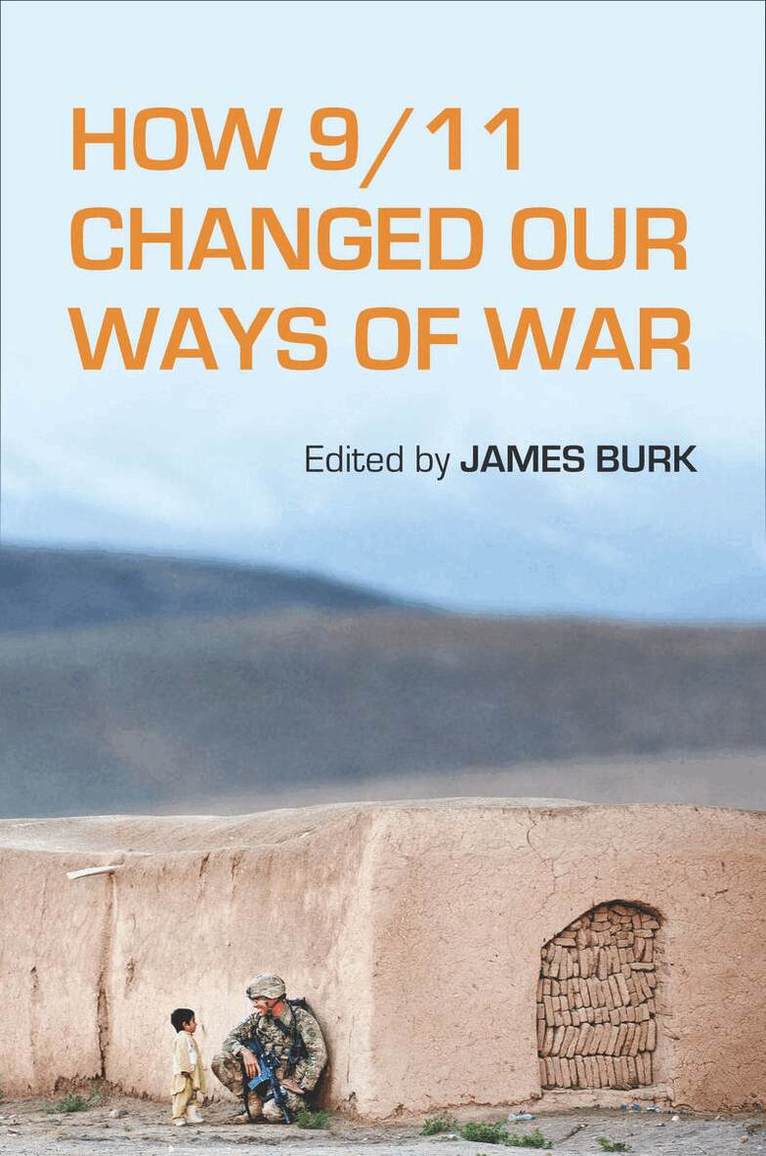
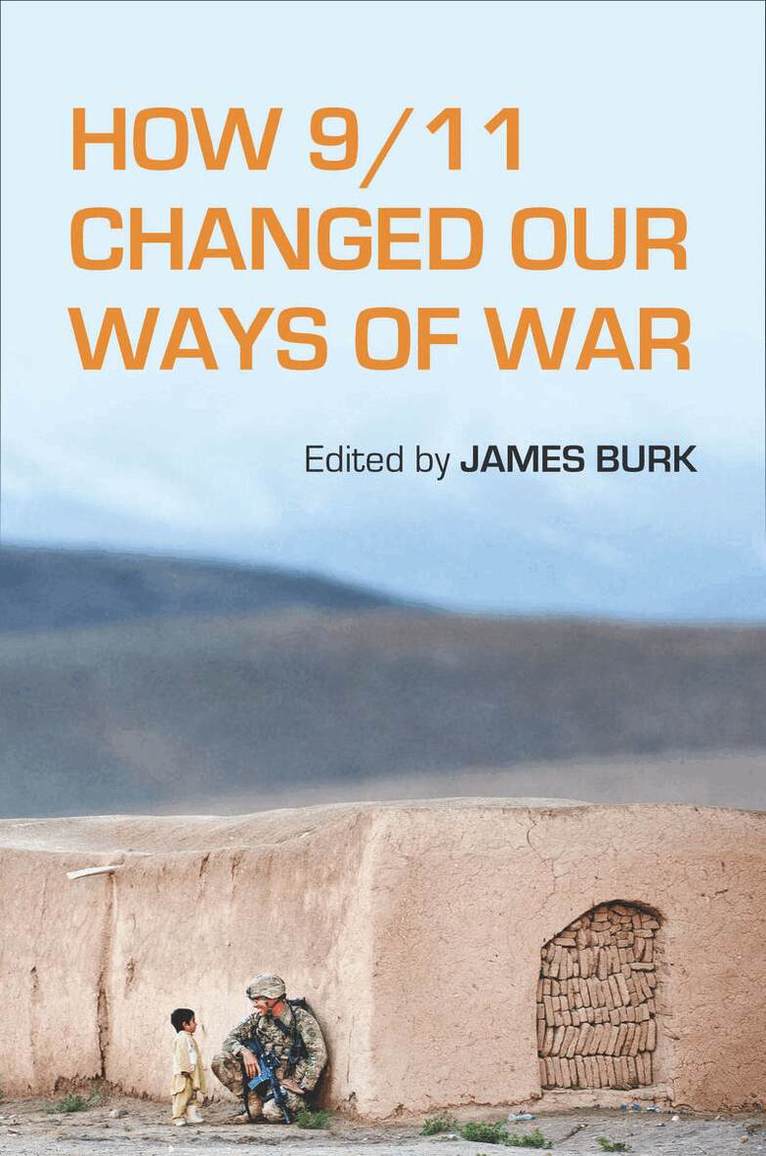
Following the 9/11 attacks, a war against al Qaeda by the U.S. and its liberal democratic allies was next to inevitable. But what kind of war would it be, how would it be fought, for how long, and what would it cost in lives and money? None of this was known at the time. What came to be known was that the old ways of war must change—but how?Now, with over a decade of political decision-making and warfighting to analyze, How 9/11 Changed Our Ways of War addresses that question. In particular it assesses how well those ways of war, adapted to fight terrorism, affect our military capacity to protect and sustain liberal democratic values. The book pursues three themes: what shaped the strategic choice to go to war; what force was used to wage the war; and what resources were needed to carry on the fight? In each case, military effectiveness required new and strict limits on the justification, use, and support of force. How to identify and observe these limits is a matter debated by the various contributors. Their debate raises questions about waging future wars—including how to defend against and control the use of drones, cyber warfare, and targeted assassinations. The contributors include historians, political scientists, and sociologists; both academics and practitioners.
324 kr
Skickas inom 7-10 vardagar
Following the 9/11 attacks, a war against al Qaeda by the U.S. and its liberal democratic allies was next to inevitable. But what kind of war would it be, how would it be fought, for how long, and what would it cost in lives and money? None of this was known at the time. What came to be known was that the old ways of war must change—but how?Now, with over a decade of political decision-making and warfighting to analyze, How 9/11 Changed Our Ways of War addresses that question. In particular it assesses how well those ways of war, adapted to fight terrorism, affect our military capacity to protect and sustain liberal democratic values. The book pursues three themes: what shaped the strategic choice to go to war; what force was used to wage the war; and what resources were needed to carry on the fight? In each case, military effectiveness required new and strict limits on the justification, use, and support of force. How to identify and observe these limits is a matter debated by the various contributors. Their debate raises questions about waging future wars—including how to defend against and control the use of drones, cyber warfare, and targeted assassinations. The contributors include historians, political scientists, and sociologists; both academics and practitioners.
9 357 kr
Tillfälligt slut
Early European sociologists found war, peace and the effects of both on social development to be important matters for the emerging discipline to explain and understand. Curiously, these issues faded from the sociological agenda after World War I and were not again much studied by sociologists until World War II and the long Cold War that followed. Since then to the present, studies of military sociology have grown in number and scope. Military sociology is now a well-established and respected subfield within sociology.To survey the field this collection is organized around four major themes: (1) military organization, (2) civil-military relations, (3) the experience of war, and (4) the use and control of force. Taking the origins of military sociology as a starting point: Volume One examines major trends in military organization, the increased diversity of military forces and the military profession. Volume Two considers the military′s relationships with the larger society. Sociologists examine how the military is woven into the fabric of society whether as an object of social control or as a representative institution garnering public support. Volume Three is concerned with the experience of war, whether the experience is direct, gained (for example) as a soldier in combat, or indirect, when it is mediated by social constructions of language and other social symbols. Volume Four studies the concept of force, and the varying intensities of conflict across the spectrum of force. It looks at the effects of war on state formation, the problems posed by chronic war, and the prospects for peacekeeping.
1 328 kr
Skickas inom 10-15 vardagar
When the cold war ended, many hoped it signified enhanced prospects for a more stable world. However, despite favorable political developments, the post-cold war period has been marked by turbulence, uncertainty, and challenge. The actions of rogue states such as Iraq and North Korea have made nuclear proliferation more unpredictable. Violence in Somalia and Bosnia has cast doubt on the viability of international peacekeeping arrangements. Hopes for expanding democratization have been dimmed by assertions that the values of liberal democracy and human rights are incompatible with non-Western cultures. The Adaptive Military describes how military security policies and practices have adapted to these new times and explains why such changes are necessary.The central argument is that current conflicts have been shaped by long-term trends, which increased the number and complexity of threats that the developed world is supposed to meet, and correspondingly decreased the stock of social and political options available to meet them.Although the authors differ in their assessments about the current prospects for peace and ways to maintain security, the issues they address are as critical as they were at the end of the Cold War. Mobilizing resources and political support for remote and difficult enterprises will always remain contentious, but if we recognize the hazard of letting violence run unopposed throughout the world, then we bear some responsibility to consider how it might be checked. This volume is an exercise of that responsibility. It will be of great interest to experts in military studies and international relations.
2 098 kr
Skickas inom 10-15 vardagar
In 1749 Jean-Jacques Rousseau's Discourse on the Arts and Sciences, surprised leading Enlightenment thinkers who had enthusiastically upheld the positive benefits of humanity's technological advance. Voltaire, who celebrated the ends of civilization, mocked Rousseau's praise for an original creative state of nature in which man enjoyed an optimum level of freedom.Given the unprecedented intrusion of technology into our lives, the question raised by Rousseau's critique may be even more pertinent. In this volume of Religion and Public Life contributors address some of the challenges to conventional morality brought on by the technological augmentation of the social structure. John Barker's essay explores how Luciano Floridi's philosophy of technology has complicated the conventional way of determining what ought to receive moral consideration. Fani Zlatarova provides a practical guide for incorporating ethical components into teaching computer technology.Grant Havers explores the controversies surrounding the biogenetic explosion through an examination of the competing philosophical perspectives and Christopher Vassilopolos examines the science-based justification for taking life. Gabriel R. Ricci looks at recent political history in the United States in order to highlight the sometimes uneasy relationship between science and social policy. Volume 37 is a welcome addition to the acclaimed Religion and Public Life series.
688 kr
Skickas inom 10-15 vardagar
In 1749 Jean-Jacques Rousseau's Discourse on the Arts and Sciences, surprised leading Enlightenment thinkers who had enthusiastically upheld the positive benefits of humanity's technological advance. Voltaire, who celebrated the ends of civilization, mocked Rousseau's praise for an original creative state of nature in which man enjoyed an optimum level of freedom.Given the unprecedented intrusion of technology into our lives, the question raised by Rousseau's critique may be even more pertinent. In this volume of Religion and Public Life contributors address some of the challenges to conventional morality brought on by the technological augmentation of the social structure. John Barker's essay explores how Luciano Floridi's philosophy of technology has complicated the conventional way of determining what ought to receive moral consideration. Fani Zlatarova provides a practical guide for incorporating ethical components into teaching computer technology.Grant Havers explores the controversies surrounding the biogenetic explosion through an examination of the competing philosophical perspectives and Christopher Vassilopolos examines the science-based justification for taking life. Gabriel R. Ricci looks at recent political history in the United States in order to highlight the sometimes uneasy relationship between science and social policy. Volume 37 is a welcome addition to the acclaimed Religion and Public Life series.
Passenger on Earth
A Discourse About Realities Political, Financial and Environmental Challenges
Häftad, Engelska, 2013
224 kr
Skickas inom 5-8 vardagar
Values in the Marketplace
The American Stock Market Under Federal Securities Law
Inbunden, Engelska, 1988
1 396 kr
Skickas inom 7-10 vardagar
No detailed description available for "Values in the Marketplace".