James C. Riley – författare
Visar alla böcker från författaren James C. Riley. Handla med fri frakt och snabb leverans.
9 produkter
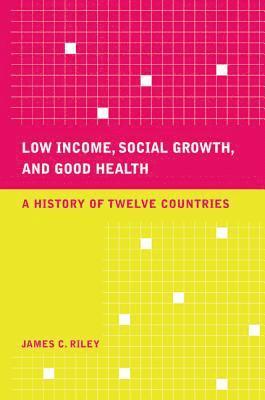
Low Income, Social Growth, and Good Health
A History of Twelve Countries
Inbunden, 2007
1058 kr
Lägg i varukorg
This book studies the experience of twelve countries that have broken through the limits that low incomes so often impose on human survival: China, Costa Rica, Cuba, Jamaica, Japan, Korea, Mexico, Oman, Panama, the former Soviet Union, Sri Lanka, and Venezuela. Most made impressive gains in life …
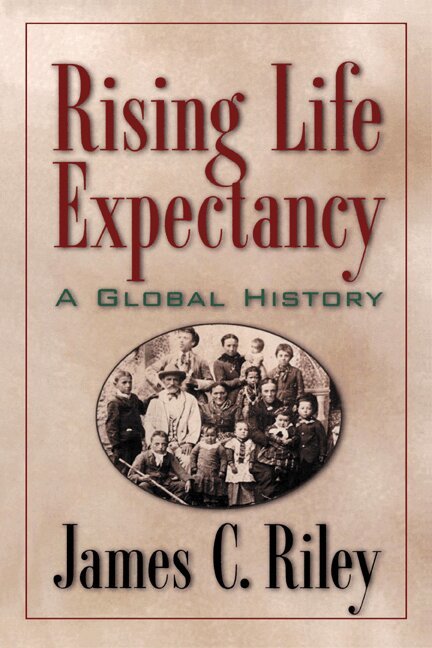
Rising Life Expectancy
A Global History
Häftad, 2001
737 kr
Lägg i varukorg
Between 1800 and 2000 life expectancy at birth rose from about 30 years to a global average of 67 years, and to more than 75 years in favored countries. This dramatic change, called the health transition, is characterized by a transition both in how long people expected to live, and how they …
Poverty and Life Expectancy
The Jamaica Paradox
Inbunden, 2005
1575 kr
Lägg i varukorg
Poverty and Life Expectancy is a multidisciplinary study that reconstructs Jamaica's rise from low to high life expectancy and explains how that was achieved. Jamaica is one of the small number of countries that have attained a life expectancy nearly matching the rich lands, despite having a much …
Seven Years War and the Old Regime in France
The Economic and Financial Toll
Häftad, 2014
483 kr
Lägg i varukorg
Taking French participation in the Seven Years War as a case study, this book examines the effects of war on the economy and on government finance, finding that the economic toll has usually been exaggerated and the financial toll seriously underestimated. Originally published in 1987. The …
Seven Years War and the Old Regime in France
The Economic and Financial Toll
Inbunden, 2016
1958 kr
Lägg i varukorg
Taking French participation in the Seven Years War as a case study, this book examines the effects of war on the economy and on government finance, finding that the economic toll has usually been exaggerated and the financial toll seriously underestimated. Originally published in 1987. The …
Poverty and Life Expectancy
The Jamaica Paradox
Häftad, 2011
574 kr
Lägg i varukorg
Poverty and Life Expectancy is a multidisciplinary study that reconstructs Jamaica's rise from low to high life expectancy and explains how that was achieved. Jamaica is one of the small number of countries that have attained a life expectancy nearly matching the rich lands, despite having a much …
Sickness, Recovery and Death
E-bok, 2016
733 kr
Lägg i varukorg
This book combines new research data with findings from present-day health surveys to examine the history of ill health and its outcomes, whether recovery or death, in Europe and North America from the 17th century to the present. Some forecasts about future sickness rates and trends are included.
Seven Years War and the Old Regime in France
The Economic and Financial Toll
E-bok, 2014
642 kr
Lägg i varukorg
Taking French participation in the Seven Years War as a case study, this book examines the effects of war on the economy and on government finance, finding that the economic toll has usually been exaggerated and the financial toll seriously underestimated.Originally published in 1987.The Princeton …