James G. Hollandsworth Jr. – författare
Visar alla böcker från författaren James G. Hollandsworth Jr.. Handla med fri frakt och snabb leverans.
9 produkter
Physiology of Psychological Disorders
Schizophrenia, Depression, Anxiety, and Substance Abuse
Inbunden, 1990
1594 kr
Lägg i varukorg
Explanations of abnormal behavior that emphasize the importance of physiological determinants of disorder are relatively unpopular among psychologists, especially among those who work as clinicians in an ap~ plied setting. The reasons for this are theoretical and historical, as well as practical. …
Louisiana Native Guards
The Black Military Experience During the Civil War
Häftad, 1998
283 kr
Lägg i varukorg
Early in the Civil War, Louisiana's Confederate government sanctioned a militia unit of black troops, the Louisiana Native Guards. Intended as a response to demands from members of New Orleans' substantial free black population that they be permitted to participate in the defense of their state, …
Absolute Massacre
The New Orleans Race Riot of July 30, 1866
Häftad, 2004
343 kr
Lägg i varukorg
In the summer of 1866, racial tensions ran high in Louisiana as a constitutional convention considered disenfranchising former Confederates and enfranchising blacks. On July 30, a procession of black suffrage supporters pushed through an angry throng of hostile whites. Words were exchanged, shots …
Physiology and Behavior Therapy
Conceptual Guidelines for the Clinician
E-bok, 2012
739 kr
Lägg i varukorg
Despite the widespread use of psychophysiological concepts and meth ods in behavior therapy, there is no text devoted specifically to the subject. The publication of this book is necessary and timely, and should promote a better appreciation of the physiological roots of behavior therapy. The …
Physiology and Behavior Therapy
Conceptual Guidelines for the Clinician
Häftad, 2012
568 kr
Lägg i varukorg
Despite the widespread use of psychophysiological concepts and meth ods in behavior therapy, there is no text devoted specifically to the subject. The publication of this book is necessary and timely, and should promote a better appreciation of the physiological roots of behavior therapy. The …
Physiology of Psychological Disorders
Schizophrenia, Depression, Anxiety, and Substance Abuse
E-bok, 2013
2174 kr
Lägg i varukorg
Explanations of abnormal behavior that emphasize the importance of physiological determinants of disorder are relatively unpopular among psychologists, especially among those who work as clinicians in an ap~ plied setting. The reasons for this are theoretical and historical, as well as practical. …
Physiology of Psychological Disorders
Schizophrenia, Depression, Anxiety, and Substance Abuse
Häftad, 2013
1690 kr
Lägg i varukorg
Explanations of abnormal behavior that emphasize the importance of physiological determinants of disorder are relatively unpopular among psychologists, especially among those who work as clinicians in an ap~ plied setting. The reasons for this are theoretical and historical, as well as practical. …
Pretense of Glory
The Life of General Nathaniel P. Banks
Häftad, 2005
469 kr
Tillfälligt slut
In this first modern biography of Nathaniel P. Banks, James G. Hollandsworth, Jr., reveals the complicated and contradictory nature of the man who called himself the ""fighting politician."" Despite a lack of formal education, family connections, and personal fortune, Banks (1816--1884) advanced …
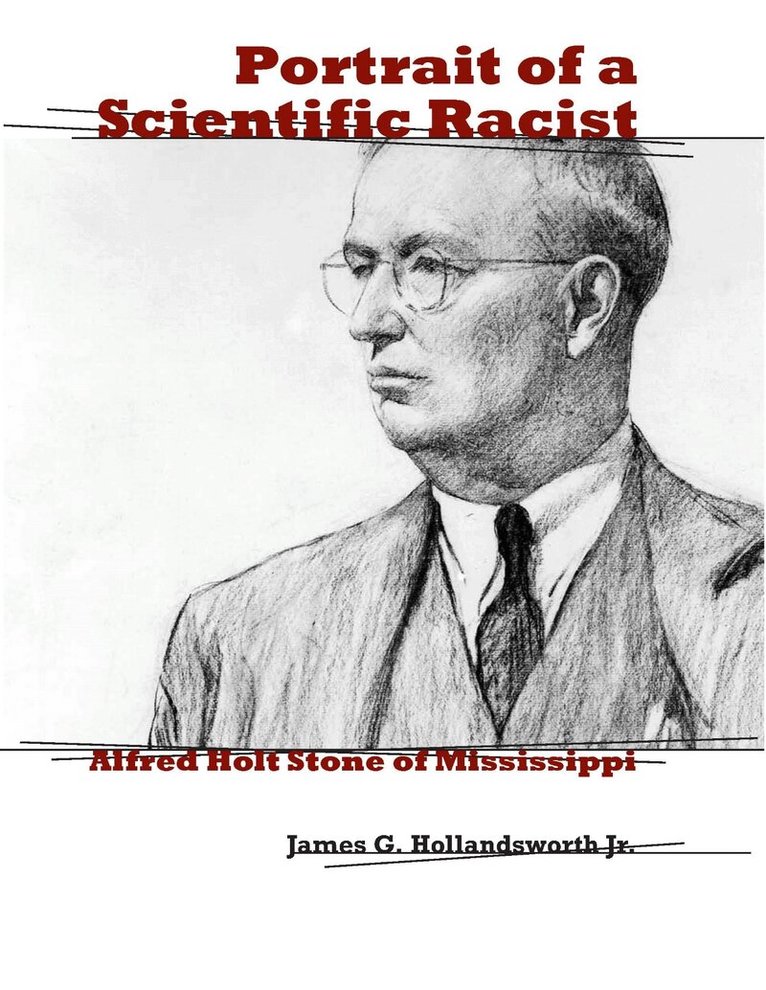
Portrait of a Scientific Racist
Alfred Holt Stone of Mississippi
Inbunden, 2008
601 kr
Tillfälligt slut
In the years after Reconstruction, racial tension soared, as many white southerners worried about how to deal with the millions of free African Americans among them -- an issue they termed the ""negro problem."" In an attempt to maintain the status quo, white supremacists resurrected old proslavery …